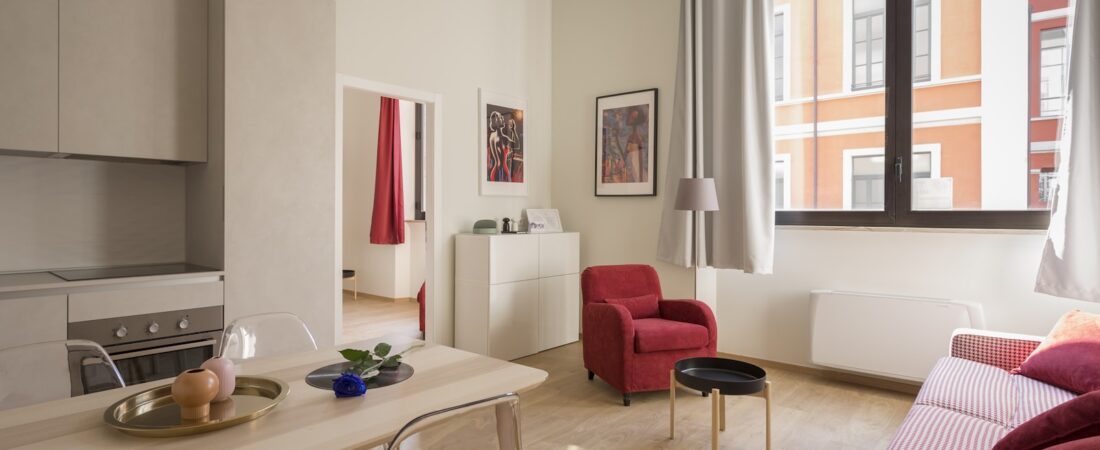
The first two days in a rental apartment set the tone for the rest of the stay. The goal is not to unpack perfectly. The goal is to make the place functional fast.
A lot of arrival stress comes from letting twenty small uncertainties pile up at once. You are tired, the room is unfamiliar, and nothing has a place yet. A short, practical checklist helps you turn the apartment from “temporary chaos box” into something that supports daily life.
First priority: utilities and access
- Confirm the Wi-Fi name, password, and real-world speed in the spots you will actually use.
- Test hot water, locks, lights, outlets, and heating or air conditioning.
- Charge your phone and battery bank immediately so you are not starting from a weak power position.
- Make sure you understand how to enter and secure the apartment without confusion.
These checks are worth doing early because they uncover the problems that matter most. Bad Wi-Fi, no hot water, broken locks, or strange power issues are easier to address on day one than after you have settled into denial about them.
Second priority: locate the neighborhood basics
- Find the nearest grocery or convenience store.
- Locate a pharmacy before you need one.
- Note the nearest ATM or reliable payment fallback spot.
- Identify one backup café or workspace with Wi-Fi.
You do not need a full neighborhood tour on the first night. You just need the places that keep basic life moving.
If you can answer “where do I get water, medicine, cash, and decent Wi-Fi nearby?” you have covered most of what matters early.
Third priority: create one landing zone inside the apartment
Pick one spot for the essentials: passport, wallet, keys, charging gear, current medications, and whatever documents you may need quickly. It does not have to be elegant. It just has to be consistent. People lose track of important things on long stays less because they are careless and more because they never decide where those things live.
Do one small food-and-water reset
If energy allows, do a small grocery run early. Water, coffee or tea, a simple breakfast option, and one easy meal do a lot to stabilize the first 24 hours. They reduce the odds that every small problem gets solved while hungry and annoyed.
Check the sleep setup before you are exhausted
Look at curtains, room temperature, extra blankets, pillow reality, and nighttime charging. Tiny improvements here pay off fast because bad sleep amplifies every other inconvenience.
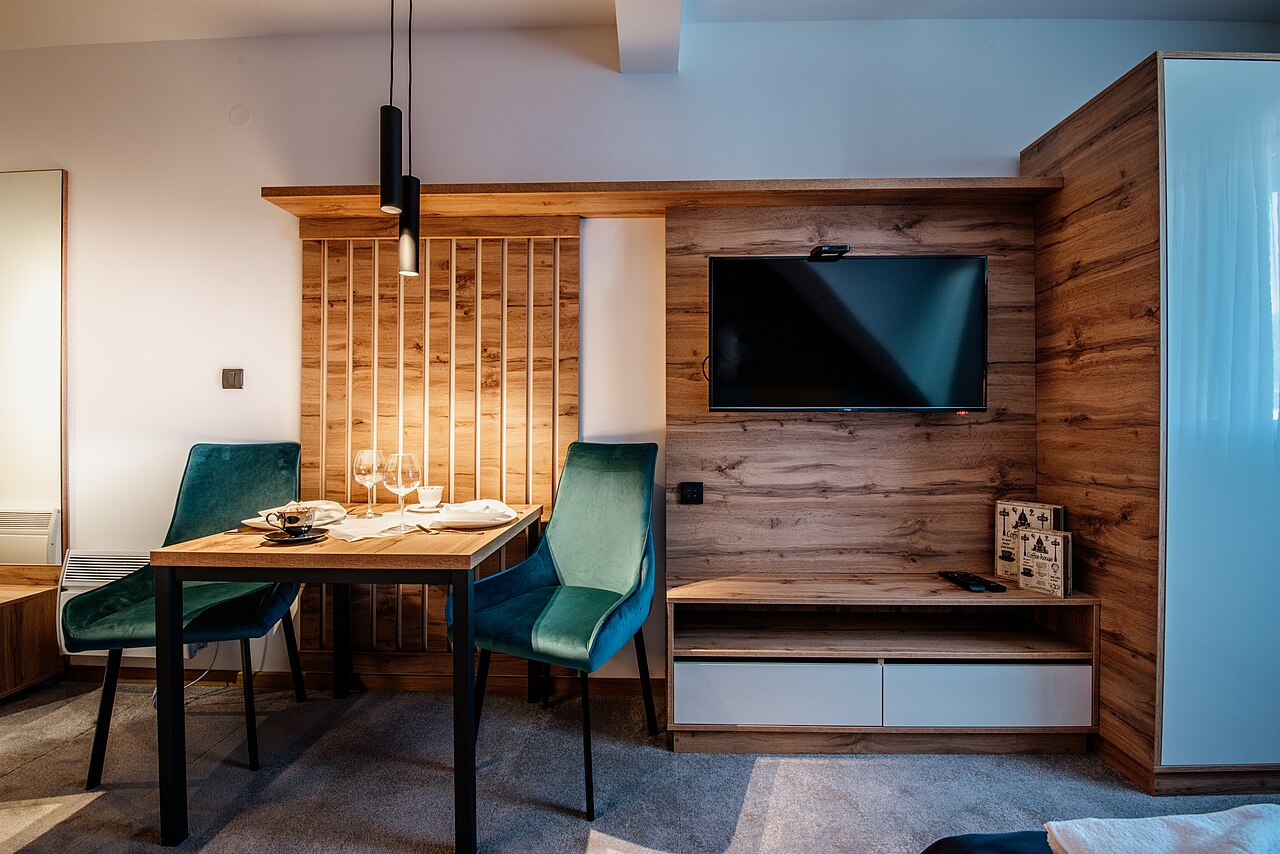
A clean first-48-hours checklist
- Test Wi-Fi, power, locks, lights, and hot water
- Set up a dependable charging station
- Create one landing zone for valuables and documents
- Find grocery, pharmacy, ATM, and backup Wi-Fi nearby
- Stock a few basic food and drink items
- Sort the sleep setup before the first night gets messy
Unpack only what supports the next two days
You do not need a full ceremonial unpack on arrival. Start with clothes for the next day or two, toiletries, charging gear, medications, and anything work-related you will need quickly. That keeps the apartment from exploding into clutter before you even know where basic things belong.
If something is wrong, report it early
Do not wait until day four to mention broken Wi-Fi, missing basics, or a lock problem you noticed right away. Hosts can usually respond faster when an issue is raised early and clearly. A short, specific message with photos if needed is often enough.
Keep expectations modest on the first night
You do not need a full unpack, a perfect grocery run, and a complete neighborhood orientation immediately. First-night success is smaller than that. Phone charged. Bed workable. Water available. Wi-Fi tested. Essentials located. Anything beyond that is a bonus.
That mindset keeps you from burning energy on low-priority details while the genuinely useful basics are still unresolved.
It also lowers the chance that you stay up too late solving problems that would have been easier with a little daylight and a clearer head.
The win is simple
You want the apartment to stop feeling temporary as quickly as possible. Not beautifully styled. Not perfectly organized. Just usable. When the basics work, the rest of the stay gets easier almost immediately.