
Quick fit: Spain can still be a very good retirement-minded option for Americans with moderate budgets, especially if you care more about day-to-day quality of life than bargain-basement prices, stay flexible on city choice, and do not build your plan around Madrid or the most in-demand coastal markets.
Spain gets sold in a way that can blur the practical question. The appealing part is real: walkable neighborhoods, café culture, solid public transportation, a slower rhythm, and a daily routine that often feels less stressful than what many Americans are used to. But a lot of retirement-abroad advice still talks about Spain as if the whole country were a bargain and as if choosing between the coast and a city center were the main decision.
For retirement-minded Americans on moderate budgets, the real question is simpler. Can you build a stable, pleasant everyday life in Spain without housing costs blowing up the plan? In the right places, yes. In the most obvious prestige markets, much less easily. Spain still makes sense if you want good daily infrastructure, walkability, transit, and a routine that feels settled. It makes less sense if you need it to perform like a low-cost country.
The more grounded version is this: Spain can offer real value, but it is not broadly cheap anymore in the places most Americans picture first. Housing is the pressure point. City choice matters. And if your budget only works in a fantasy version of Madrid or a postcard stretch of coast, Spain starts to look like a weaker fit.

Who Spain is best for
Spain is a strong match for Americans who care about how everyday life feels and do not need the absolute cheapest possible option. If you want a place where errands on foot are normal, transit can cut down on car dependence, meals out can still be reasonable, and daily life feels organized rather than improvised, Spain still deserves a serious look. It is especially appealing for retirement-minded readers who are willing to give up ultra-cheap-country math in exchange for a better routine.
It also helps if you can think beyond the biggest-name markets. Spain often looks better once you stop chasing the most famous choice and start asking which city actually fits your budget, mobility needs, climate tolerance, and pace. Valencia usually makes more sense than Madrid for this audience. Inland or second-tier cities can make even more sense if practicality matters more to you than prestige. For a direct coastal-city decision, compare Valencia, Alicante, and Málaga for a moderate Spain budget before narrowing your shortlist.
- Retirement-minded Americans who value walkability, routine, and lifestyle quality
- Readers who can absorb moderate housing costs but do not want U.S.-style car dependence
- People who want Europe to feel livable rather than luxurious
- Americans willing to choose practical cities instead of defaulting to the most famous ones
- Readers who want a steady daily rhythm more than a cheap fantasy
Spain is a weaker match for people whose budget only works if the country is cheap everywhere, or for readers who are attached to the highest-pressure markets while calling themselves moderate-budget planners. Spain rewards realism more than romance.
Realistic cost of living for Americans
The country-level Numbeo numbers show why Spain stays in the conversation. A meal at an inexpensive restaurant averages about €15.00, roughly US $16. A monthly public transport pass averages about €30.00, roughly US $33. Utilities for a roughly 915-square-foot apartment average about €133.60, roughly US $146, and broadband averages about €28.78, roughly US $31. Those are respectable numbers, especially for a Western European country with mature infrastructure.
The catch is that those figures do not tell the whole story. Countrywide, a one-bedroom apartment averages about €891, roughly US $970, in a city center and about €698, roughly US $760, outside the center. That can work for some Americans, but it already tells you Spain is not a dirt-cheap answer. Once you move into a stronger-demand city, a nicer neighborhood, or a shorter-term furnished rental, the housing math can turn against you fast.
That is why broad monthly ranges are more useful than pretending there is one correct Spain budget. A lean but workable setup in the right city is often around US $2,200 to $2,800 a month. A comfortable moderate budget is often around US $2,800 to $3,600 a month. If you want Madrid, more space, or a more convenience-heavy lifestyle, it is safer to think in terms of US $3,600+.
Those are decision ranges, not promises. Spain can still deliver good value, but usually through a better life-per-dollar trade rather than low monthly costs across the board.

Rent and housing reality
If there is one thing to take seriously in Spain, it is housing. Food, transit, and internet can still feel reasonable. Housing is where many retirement budgets get stress-tested. That does not mean Spain is unaffordable. It means the gap between an ordinary neighborhood and a high-demand one is bigger than a lot of glossy retirement marketing admits.
Madrid is the clearest example. Numbeo currently puts a one-bedroom apartment there at about €1,261, roughly US $1,375, in the city center and about €994, roughly US $1,084, outside the center. Utilities average about €176.79, roughly US $193, and broadband about €29.61, roughly US $32. That is manageable for Americans with stronger retirement income, but it is not Spain at its most moderate-budget-friendly.
Valencia usually makes a better case for this audience, but even there the numbers are not magically cheap. A one-bedroom apartment averages about €1,202, roughly US $1,311, in the city center and about €883, roughly US $962, outside the center. Utilities average about €141.87, roughly US $155, and broadband about €33.40, roughly US $36. For many readers, that still feels more manageable than Madrid, but it should not be sold like a loophole.
The larger lesson is simple. Spain usually works when you choose housing with discipline. If you insist on the most prestigious address, a polished furnished rental, or a famous coastal zone that everyone else is chasing, moderate-budget logic can disappear. If you can think in terms of ordinary neighborhoods, edge-of-center locations, or less-hyped cities, the country becomes much more believable.
Healthcare and daily-life comfort
This is part of why Spain remains appealing even when the housing math is less forgiving than people hoped. The everyday setup can be good. Walking is often practical. Grocery runs and cafés fit naturally into the day. Public transportation can remove a lot of car cost and car stress. In many cities, routine life feels less fragmented than it does in much of the United States.
The U.S. State Department also notes that if someone gets hurt, medical help is generally available anywhere in the country, though in smaller cities it may take longer for help to arrive and assist. That is a fair way to think about Spain overall. It tends to feel like a mature, workable place for daily life, but not every city or neighborhood offers the same medical convenience, mobility ease, or age-friendly housing stock.
For retirement-minded readers, the takeaway is not that Spain is automatically perfect. It is that Spain can support a comfortable routine well, especially in cities where walking, transit, and basic services are easy. Readers with more serious ongoing health needs should still choose city and neighborhood carefully instead of treating the whole country as one uniform retirement environment.

Visa and stay reality for Americans
The official short version is fairly clear. According to the U.S. State Department’s Spain page, no visa is required for less than 90 days. The same page says your passport should be valid for at least 3 months beyond your period of stay, while also recommending at least 6 months of validity remaining. It also notes that travelers may need proof of funds and a return plane ticket.
That makes Spain easy enough to sample. It does not make long-stay planning automatic. Once an American wants to stay beyond the normal short-stay window, the conversation shifts from tourism to residency and visas. That is exactly where readers should slow down and verify everything with Spanish consular and other official sources rather than relying on forum folklore.
Put plainly, Spain is easier to try than it is to oversimplify. That is not a drawback so much as a reminder to keep the legal side grounded. If your retirement plan depends on a longer stay, treat that as formal paperwork that needs careful checking, not as something to sort out later after you fall in love with the place.
Safety and everyday comfort
The State Department currently advises Americans to exercise increased caution in Spain because of terrorism and unrest. It also notes that demonstrations are common and says travelers should avoid crowds, stay aware of their surroundings, and follow local authority guidance. That is best treated as normal practical awareness, not a reason to dramatize daily life.
The more ordinary issue for many readers is petty crime. The State Department says pickpocketing and other theft are very common in Spain, especially in tourist spots, airports, train stations, and urban or beach destinations. That does not make Spain uniquely threatening. It just means retirement-minded readers should think like adults in a busy, heavily visited country. Keep your passport and phone secure, do not leave bags unattended, and do not let the relaxed café-street mood make you careless.
For most Americans, Spain will still feel quite manageable day to day. The right posture is alert, not anxious. Spain is usually easier to enjoy when you combine basic city awareness with a calmer, less tourist-saturated routine.

Transportation and walkability
Transportation is one of Spain’s clearest practical strengths. Countrywide, Numbeo puts a monthly public transport pass at about €30.00, roughly US $33. Madrid comes in at about €35.00, roughly US $38, while Valencia sits at about €30.00, roughly US $33. Those are useful numbers because they support the kind of daily life many Americans want more of as they get older: less driving, easier errands, and more walkable routines.
Madrid is still the strongest transit heavyweight here, but that convenience comes with more housing pressure. Valencia often feels like the better compromise for moderate-budget readers who want a substantial city without paying Madrid rent logic. Smaller cities can be easier still if you care more about daily geography than about having the biggest possible menu of urban options.
This is one reason Spain can still feel worth the money even when it does not win a pure cost contest. In the right place, you are buying a different kind of ease: walking, public life, shorter errands, and less car-centered friction. For many readers, that matters almost as much as the raw monthly totals.
Internet and infrastructure
Spain also looks solid on internet and basic infrastructure. Countrywide broadband averages about €28.78, roughly US $31. Madrid comes in at about €29.61, roughly US $32, and Valencia at about €33.40, roughly US $36. Those are appealing numbers for Americans who are used to paying more for home internet and still not always getting great service.
The larger point is that Spain usually does not force a choice between being pleasant and being connected. In many likely retirement or longer-stay setups, broadband is affordable enough to keep modern life straightforward. That matters whether you still do some remote work, rely on streaming and video calls, or simply want a long stay to feel settled rather than makeshift.
As always, apartment-level reality matters more than country averages. A low broadband number is helpful, but it is not a substitute for checking the actual building, actual installation, and whether the neighborhood fits how you want to live.
Best cities and regions to consider first
The best way to think about Spain is to stop asking whether it is cheap and start asking which version of Spain actually fits your budget and aging priorities.
Valencia
Valencia is the strongest big-city example for this article because it offers a more believable moderate-budget balance than Madrid for many Americans. It still has real housing pressure, so it should not be pitched as a bargain. But it often makes more sense for retirement-minded readers who want a substantial city, solid transit, walkability, and a more everyday version of Spanish urban life without going straight to the highest-cost option.
Alicante and similar Costa Blanca options
Alicante and nearby coastal markets can appeal to readers who want sunshine, flatter routines, and an easier day-to-day rhythm. The caution is that the coast is where some Americans start slipping back into postcard thinking. The area can make sense, but seasonality, demand, and foreigner-heavy pockets can change the housing story quickly. Good fit does not mean automatic bargain.
Málaga and the Costa del Sol
This region works best for readers who value convenience, climate, and services enough to pay for them. It can be comfortable, but it is not where a careful moderate-budget retiree should assume the cheapest answer lives. It also helps to stay honest about tourist pressure and the difference between visiting the coast and budgeting for ordinary life on it.
Zaragoza and other less-hyped inland cities
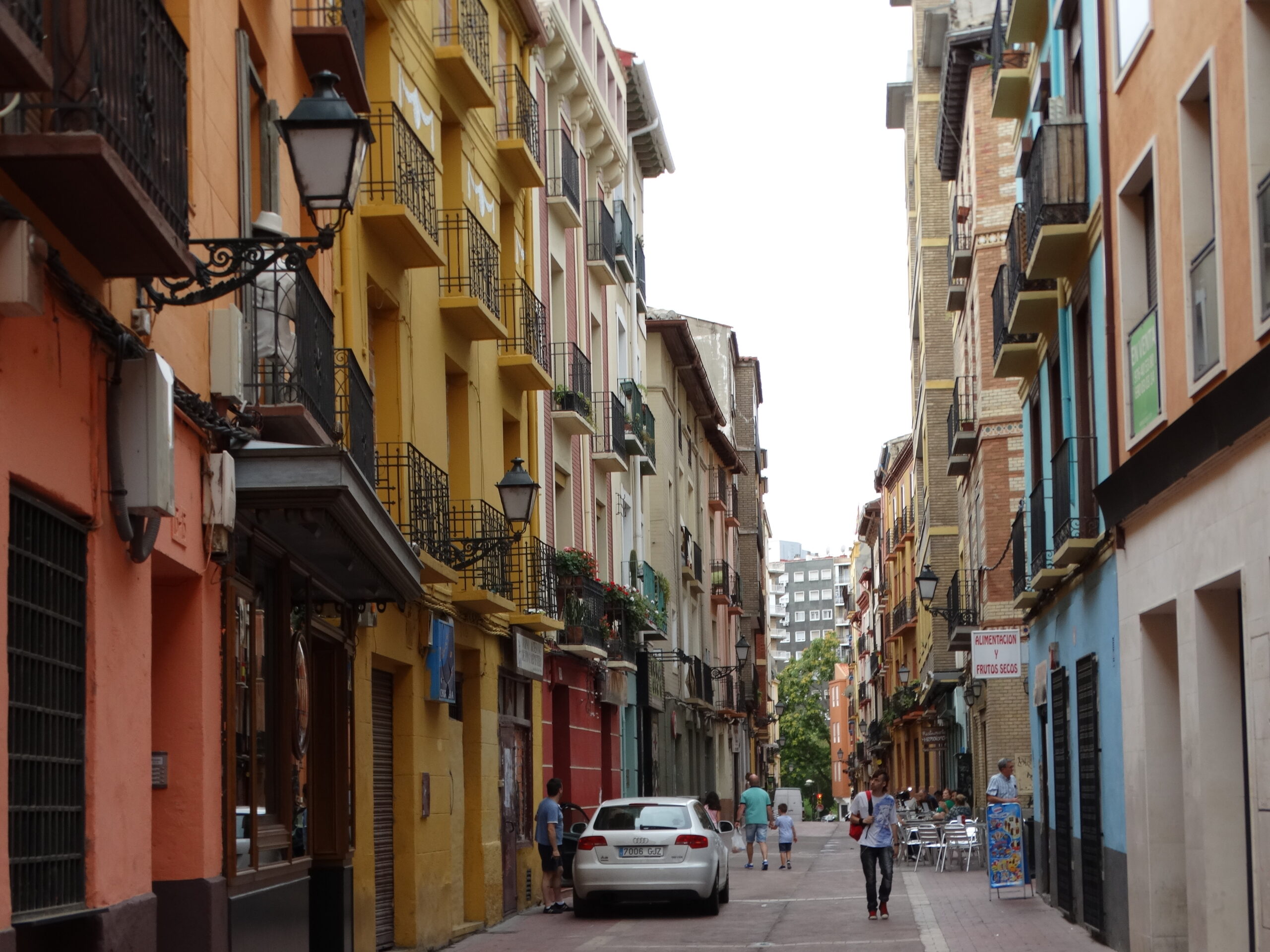
This is where Spain can start to look more financially persuasive. Less glamorous inland cities do not carry the same retirement branding, but that can be the advantage. If you care more about steady daily life than expat prestige, second-tier inland markets may offer the most believable long-term math.
Madrid
Madrid is the obvious choice for people who want the deepest big-city infrastructure and can afford it. It is not the best moderate-budget retirement example. That does not make it a bad choice. It just means readers should be careful not to let Madrid stand in for Spain as a whole.
Who should probably avoid Spain
Spain is not a universal answer. It is a weaker fit for people who need the lowest possible monthly costs, want the most famous city or coast without paying for that preference, or expect residency questions to sort themselves out because short tourist entry is easy.
- Readers assuming Spain is cheap everywhere
- Americans whose whole plan depends on Madrid-level or prestige-coast housing somehow staying moderate
- People who want low-cost-country math more than quality-of-life value
- Readers who dislike crowds, demonstrations, or tourist-zone petty crime enough that a heavily visited country will feel tiring
- Anyone treating long-stay legality as an afterthought instead of a formal planning issue
That is not a dismissal. It is simply the difference between finding Spain attractive and finding it right for your budget and life.
Sample monthly budget ranges
- Lean but workable: roughly US $2,200 to $2,800 a month in the right city, with disciplined housing choices and a grounded lifestyle.
- Comfortable moderate: roughly US $2,800 to $3,600 a month for the version of Spain most retirement-minded readers probably mean when they say they want a livable long-term base.
- Madrid or higher-comfort lifestyle: US $3,600+, especially if you want a better apartment, center-city convenience, frequent dining out, or more travel and extras.
These are decision ranges, not guarantees. Spain still has room for pleasant surprises, but it punishes lazy housing assumptions faster than much of the retirement marketing admits.
If southern Spain and a major airport are central to the decision, use the standalone Malaga guide for a closer look at Malaga rent seasonality, neighborhood tradeoffs, healthcare planning, heat, and the difference between a pleasant visit and a workable long stay.
Final verdict
Spain still deserves serious consideration from retirement-minded Americans with moderate budgets. The appeal is real. Walkable daily life, decent transit, manageable broadband costs, and the general feel of ordinary life can make the country deeply attractive. For the right reader, Spain offers a version of Europe that feels established, practical, and enjoyable without needing to be luxurious.
But the honest pitch is narrower than the fantasy version. Spain is not cheap in the places most Americans picture first. Madrid is usually not the best moderate-budget example. Valencia is stronger, but even Valencia requires realistic housing expectations. The coast can be appealing, but it is not automatically budget-friendly. And an easy under-90-day visit is not the same thing as a long-term retirement plan.
If you approach Spain as a quality-of-life value decision and choose city and housing carefully, it holds up well. If you need it to behave like a cheap-country loophole, it becomes much less convincing. Spain works best for readers who want a good ordinary life and are willing to budget honestly for it.
If your Spain shortlist is part of a wider Europe decision, compare it against this practical guide to European bases for Americans living on Social Security or a modest fixed income, including Schengen, visa, healthcare, and housing caveats.
If Spain is still on your shortlist, the next useful step is a city-level budget check: how a $2,000–$3,000 monthly budget really behaves in Valencia, Alicante, and Málaga.
For a broader Europe shortlist, compare Spain alongside Portugal and Albania so the visa path, healthcare setup, Schengen days, and rent pressure are judged together.
If Spain is still competing with Portugal in your shortlist, use Portugal vs Spain for Americans on a moderate monthly budget to compare stay rules, rent pressure, healthcare setup, insurance expectations, language friction, and scouting strategy before choosing a base.
For a city-level example of how Spain budget planning changes once rent, insurance, transport, and first-month setup are included, see this Valencia cost breakdown.
For a city-level example of how Spain budget planning changes once rent, insurance, transport, and first-month setup are included, see this Alicante cost breakdown.
References
- U.S. Department of State, Spain travel advisory / country information, https://travel.state.gov/content/travel/en/international-travel/International-Travel-Country-Information-Pages/Spain.html
- Numbeo, Cost of Living in Spain, https://www.numbeo.com/cost-of-living/country_result.jsp?country=Spain
- Numbeo, Cost of Living in Madrid, https://www.numbeo.com/cost-of-living/in/Madrid
- Numbeo, Cost of Living in Valencia, https://www.numbeo.com/cost-of-living/in/Valencia