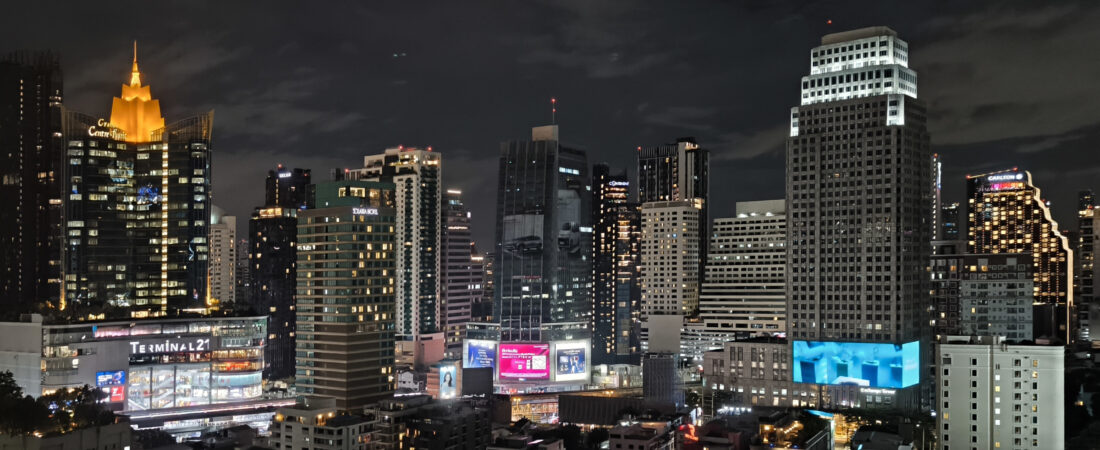
Quick answer: For many Americans choosing one Thailand base on a moderate budget, Chiang Mai is the strongest value pick, Hua Hin is the better fit if you want a calmer coastal routine, and Bangkok makes the most sense only if you genuinely want big-city infrastructure enough to pay more for it.
People talk about Thailand as if the hard part is already over. It gets described as affordable, comfortable, easy, or retirement-friendly in one broad sweep. That stops being very useful once you actually have to pick a city. Bangkok, Chiang Mai, and Hua Hin do not put the same pressure on your budget, your patience, or your daily routine.
That is why this comparison matters. If you want hospitals, flights, rail transit, and the deepest bench of city services, Bangkok may still be worth the higher cost. If you want the best monthly math, Chiang Mai usually looks stronger. If you want Thailand to feel slower and more coastal than urban, Hua Hin may be the better long-term fit, even if it is not the runaway bargain some people assume.
This guide is for Americans trying to choose a base, not admire a postcard. The real question is which city still looks sensible once rent, healthcare comfort, airport access, and normal day-to-day life are all part of the decision.
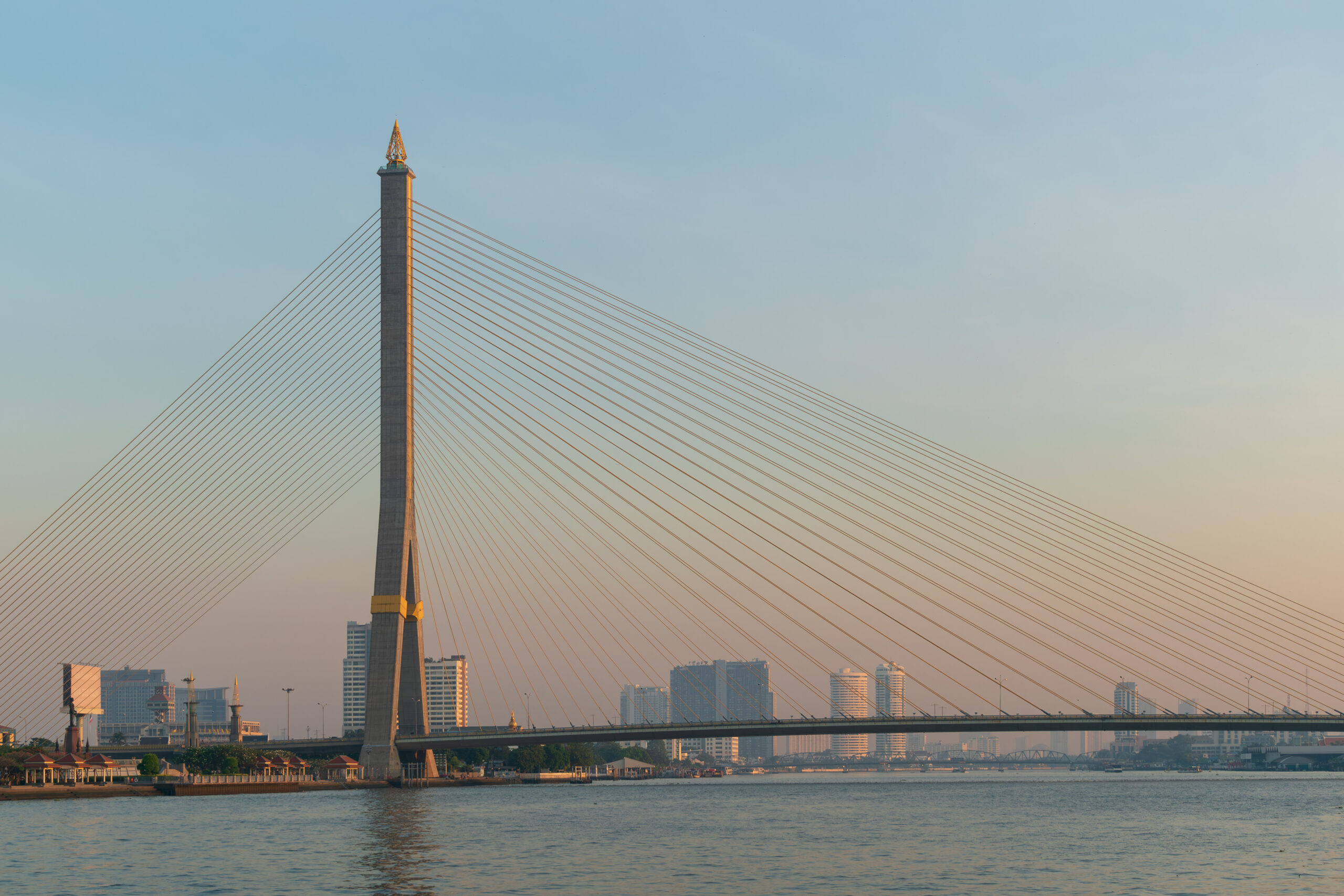
The short version: who each city fits best
- Choose Chiang Mai if you want the strongest overall value, lower monthly pressure, and a real city routine without Bangkok-level intensity.
- Choose Hua Hin if you want a quieter coastal rhythm, easier day-to-day movement, and a place that feels retirement-friendly without being an island fantasy.
- Choose Bangkok if you want the deepest infrastructure, biggest healthcare and transit cushion, and the broadest flight access, and you can absorb the higher monthly cost.
That is the simplest way to read it. Chiang Mai is the value pick. Hua Hin is the pace-and-lifestyle pick. Bangkok is the convenience pick. They solve different problems, which is exactly why the choice matters.
Why this Thailand comparison matters more than people admit
Thailand still works for a lot of Americans because daily life can feel easier than the raw numbers alone suggest. Meals can stay affordable. Broadband is usually fine. Air conditioning, delivery culture, and basic convenience are real advantages. The problem is that those country-level strengths make it easy to get lazy about the details. People start acting as if every Thailand base is just a slightly different version of the same budget story. For the broader country-level tradeoffs, see the Thailand long-stay guide for a moderate budget.
It is not. Bangkok can be a smart base, but it is not a bargain version of every urban lifestyle. Chiang Mai can be comfortable, but it is not ideal for everyone who wants the fullest medical and transport backup. Hua Hin can be genuinely appealing, but smaller does not automatically mean much cheaper.
If you are choosing with a low-income to middle-class American budget, the better question is not which city sounds nicest. It is which city is most forgiving of the life you are actually going to live.
Bangkok: best if you want full-service city life and can pay for it
Bangkok asks the least compromise from you. If you want rail transit, major hospitals, deep shopping and service options, and the easiest airport access, Bangkok is the obvious answer. It is also the city most likely to disappoint anyone still carrying an old cheap-paradise version of Thailand in their head.
LivingCost currently puts a one-person monthly total in Bangkok at about US $1,027 with rent and about US $562 without rent. Rent and utilities alone come in around US $465, food around US $298, and transport around US $154. That can still look reasonable next to many U.S. cities, but it is clearly the most expensive option in this comparison.
People keep choosing Bangkok for a reason. It has the deepest everyday infrastructure. The BTS Skytrain maintains official routes-and-fares planning and a full ticketing system for regular riders, which tells you a lot about how the city functions in practical terms. Bangkok is not just big. It is built around the fact that people need to move through it every day. Add Suvarnabhumi and Don Mueang, and it becomes the strongest base here for readers who want to stay connected both within Thailand and beyond it.
The tradeoff is straightforward. Bangkok asks more of your budget and more of your tolerance for noise, pace, and general city intensity. If your real goal is a calmer retirement rhythm or the lightest monthly burden, this is probably not the smartest answer. But if you want Thailand with the biggest infrastructure cushion and the fewest practical limitations, Bangkok earns its place.
- Best for: readers who want full city infrastructure, better transit, bigger hospitals, and easier flight connectivity
- Probably avoid if: your main goal is lowering monthly pressure or escaping major-city intensity
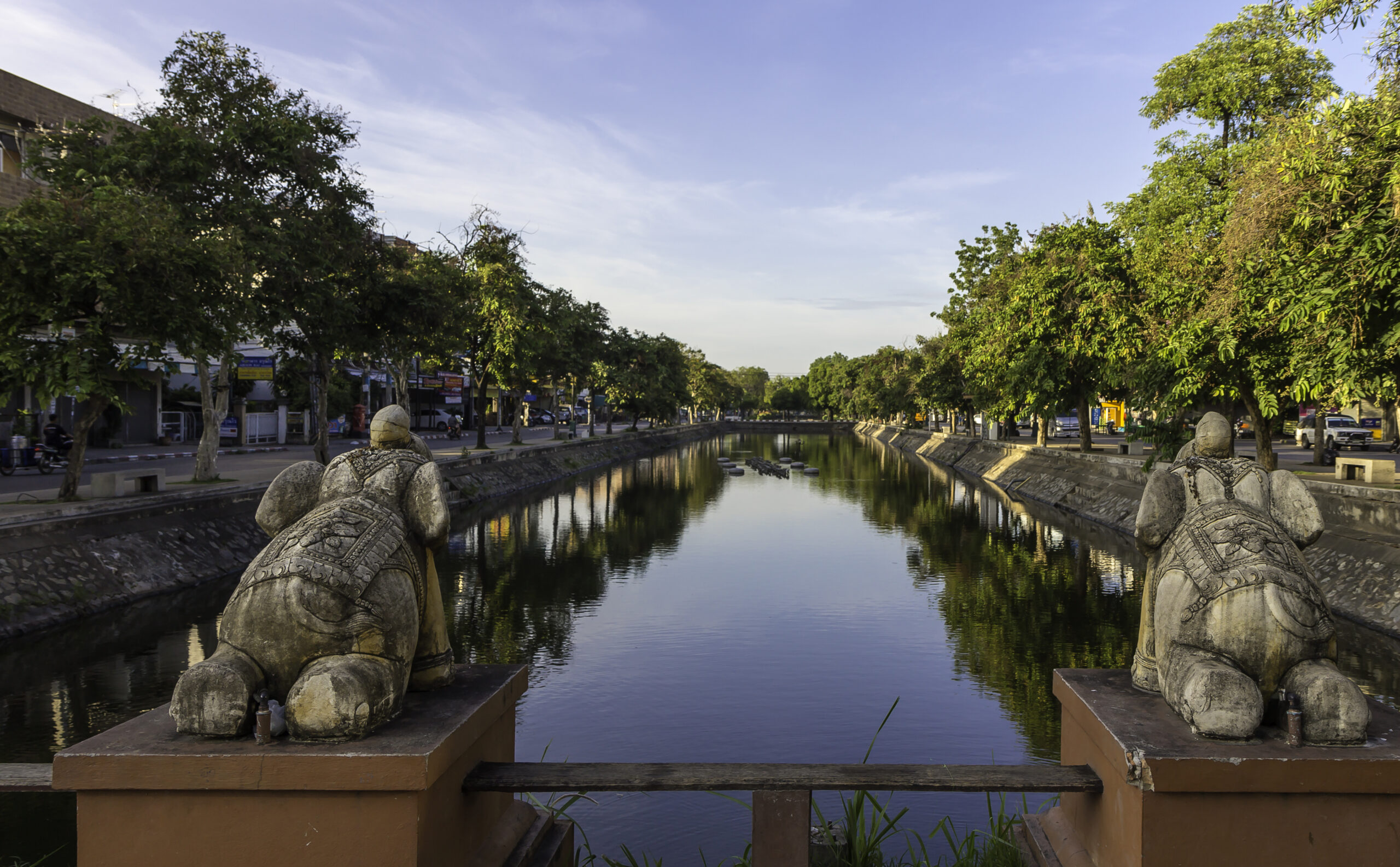
Chiang Mai: best overall value for many moderate-budget Americans
Chiang Mai is the strongest default answer because it keeps the Thailand value story mostly intact without asking you to live in a tiny town or a stripped-down setup. It still feels like a real city. It just carries less weight and less cost than Bangkok.
LivingCost puts Chiang Mai at about US $780 a month for one person with rent and about US $427 without rent. Rent and utilities average about US $353, food about US $263, and transport about US $81.50. That is the clearest value case in this comparison. You are getting a real drop from Bangkok without falling as quickly into the “small place with limited backup” problem.
Chiang Mai also sidesteps one of the common Thailand planning mistakes, which is assuming beach energy automatically means better livability. If your goal is a manageable daily routine, Chiang Mai often makes more sense than chasing a coastal base just because it looks emotionally easier from afar. The city still has an international airport, which matters more than people think. It helps Chiang Mai feel connected instead of isolated, even though it is clearly smaller and calmer than Bangkok.
What Chiang Mai does not give you is Bangkok’s full-service urban depth or Hua Hin’s beach-town mood. That is why it works best for readers who want practical value first. If you can live happily without a coast and do not need the biggest-city version of Thailand, Chiang Mai is usually the most convincing all-around choice on a moderate budget.
- Best for: Americans who want the smartest balance of affordability, city function, and everyday comfort
- Probably avoid if: you know you want a beach lifestyle or you need the biggest-city infrastructure cushion available
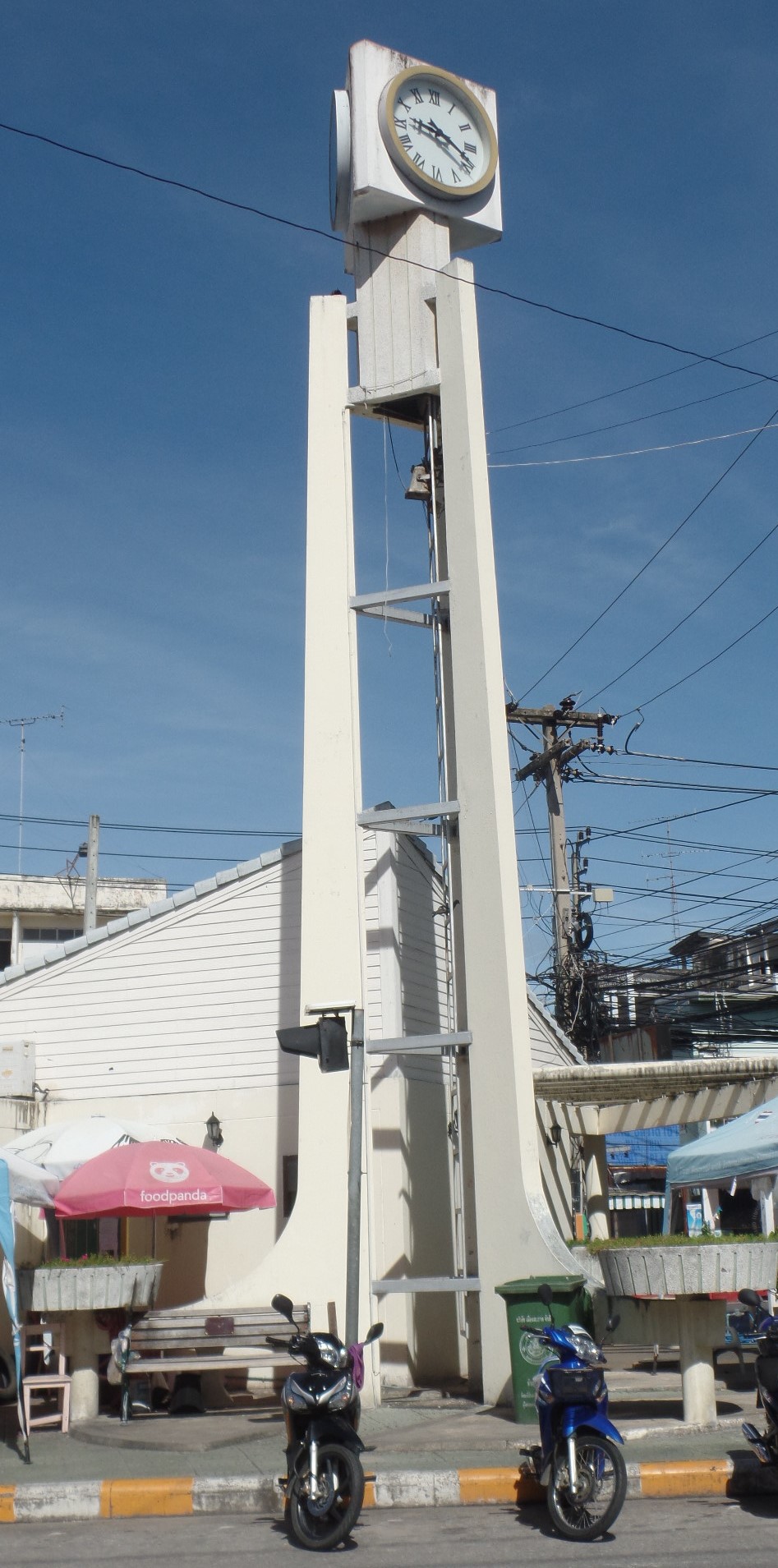
Hua Hin: best if you want a calmer coastal routine, not maximum city depth
Hua Hin is the most lifestyle-specific choice of the three. You do not pick it because you want Thailand’s fullest city life. You pick it because you want Thailand to feel calmer, more coastal, and less demanding from one day to the next.
The cost picture is more interesting than people often assume. LivingCost puts Hua Hin at about US $784 a month for one person with rent and about US $360 without rent. Rent and utilities average about US $424, food about US $263, and transport only about US $27.30. So Hua Hin is not dramatically cheaper than Chiang Mai overall. On the current snapshot, it is basically neck and neck. The case for Hua Hin is not giant savings. It is a different kind of daily life.
That distinction matters. Hua Hin can be very appealing to retirement-minded readers because it feels smaller, easier, and less noisy than Bangkok while still offering a more settled town rhythm than a tourist-island setup. It can also feel simpler emotionally for readers who want beach access without feeling like they are living inside a permanent vacation economy.
The tradeoff is thinner depth. Hua Hin is a much smaller place. It does not offer Bangkok’s infrastructure or Chiang Mai’s city-scale value case. If you choose Hua Hin, it should be because calm and coast matter enough to you that giving up some service depth feels fair, not because you assume it is the cheapest answer on the board.
- Best for: quieter coastal living, retirement-minded routines, and readers who want less daily friction than Bangkok
- Probably avoid if: you want the strongest transit, the fullest city ecosystem, or the clearest value math
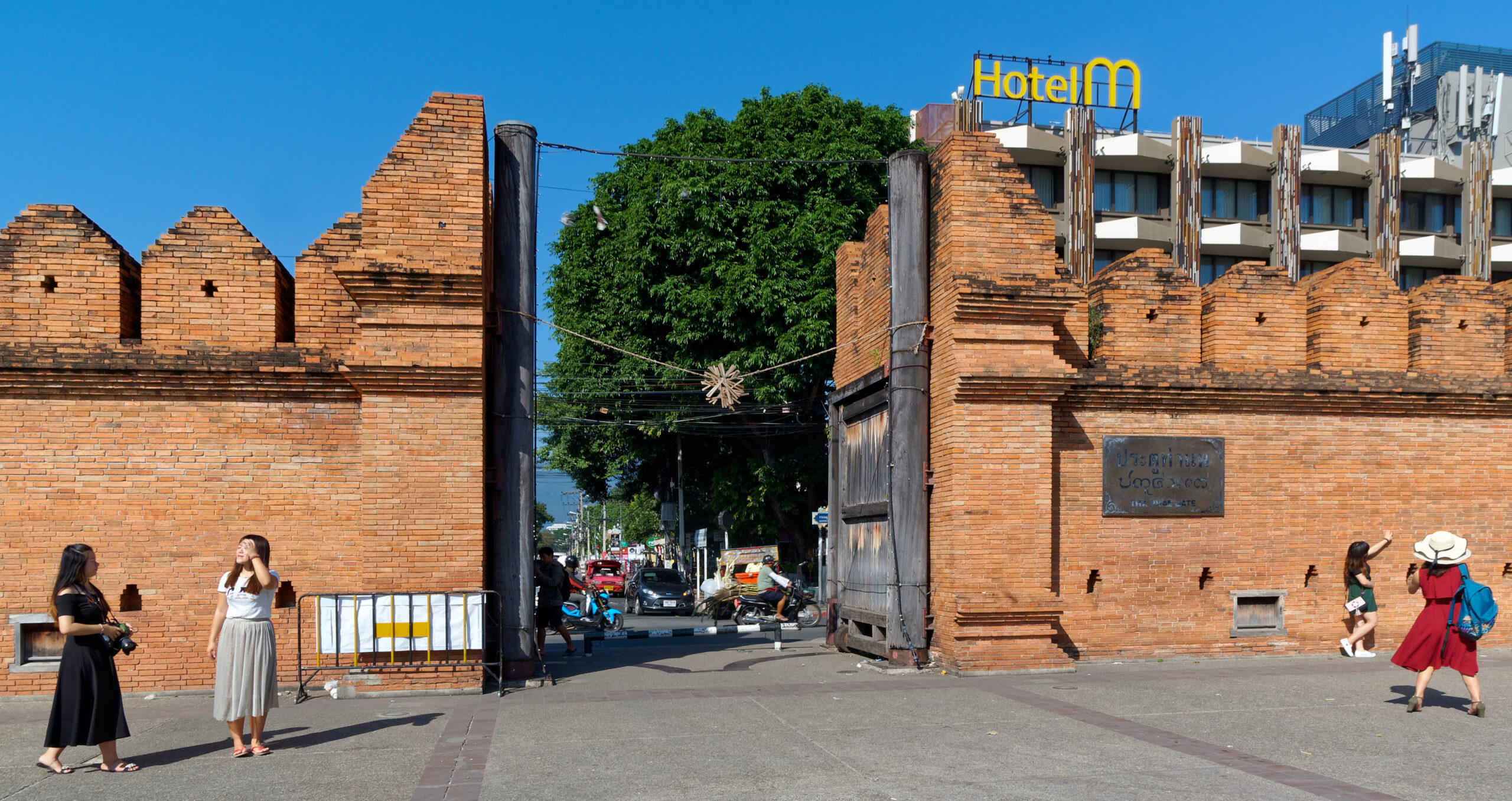
Cost and housing reality side by side
If you strip away the fantasy marketing, the pattern is pretty clear. Bangkok costs more because it offers more infrastructure. Chiang Mai gives the strongest value. Hua Hin gives you a different lifestyle, but not a dramatically lower monthly total than Chiang Mai.
- Bangkok: about US $1,027 monthly with rent, including roughly US $465 for rent and utilities.
- Chiang Mai: about US $780 monthly with rent, including roughly US $353 for rent and utilities.
- Hua Hin: about US $784 monthly with rent, including roughly US $424 for rent and utilities.
That is one of the most useful reality checks in the whole comparison. If you only looked at city size, you might assume Hua Hin has to be much cheaper than Chiang Mai. The current cost snapshot does not support that. Hua Hin saves more on movement and simplicity. Chiang Mai wins more clearly on the overall value equation.
Housing can still swing all three cities quite a bit. A polished short-term rental, a foreigner-heavy neighborhood, or a more convenience-first condo can push the numbers up fast. For Americans pricing this from abroad, housing is the biggest variable in the decision.
Healthcare comfort, infrastructure, and daily reassurance
The U.S. Department of State offers a useful practical line here. Travelers injured in Thailand are likely to find appropriate medical treatment in or near major cities, while first responders may not reach areas outside major cities quickly. That does not mean smaller-city Thailand is unsafe. It means city choice matters more if reassurance is part of your decision.
On that question, Bangkok is strongest. It gives you the biggest service cushion and the least need to second-guess where to go when something more complicated happens. Chiang Mai is still credible, because it remains a real city with an airport and a more substantial base than a resort town. Hua Hin is where you need to be more honest. It may still suit plenty of retirement-minded readers, but it is not the city to choose if your peace of mind depends on the deepest possible backup system close at hand.
This is why the answer is not purely financial. A place can look cheaper on paper and still be the wrong fit if it leaves you second-guessing basic support. The better city is the one whose weaknesses you can live with easily, not the one with the prettiest sales pitch.
Daily mobility and airport access
Bangkok wins this category without much debate. The BTS system alone shows how much regular movement the city is built to handle, and the airport system makes domestic and international travel easier. For readers expecting family visits, regional travel, or frequent movement in and out of Thailand, Bangkok is the least restrictive base.
Chiang Mai does not match Bangkok’s transport depth, but it still has a meaningful airport advantage and a city size that remains practical. It is a solid middle ground for readers who do not need the capital’s full network but still want a place that feels connected.
Hua Hin is easier in a different way. Its appeal is not network size. It is the smaller daily footprint. That suits people who want routines to feel lighter and more repeatable rather than sprawling. The tradeoff is exactly what you would expect: less transport complexity, but also less transport power.
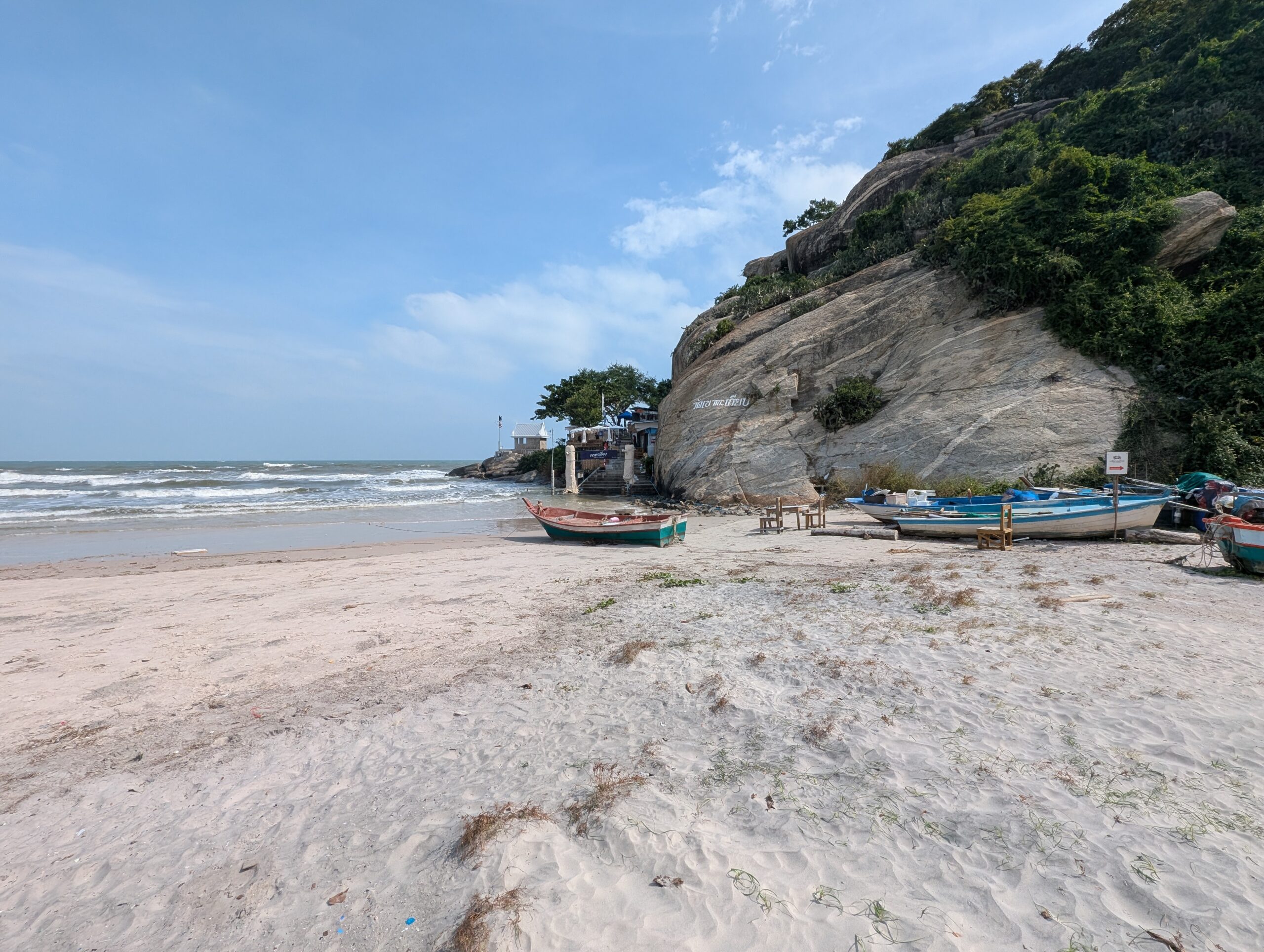
Who should probably avoid each city
- Avoid Bangkok if you are moving to Thailand mainly to lower stress and lower monthly cost, because the city can wear away at both advantages.
- Avoid Chiang Mai if you already know you want the coast or if you would keep comparing it unfavorably to Bangkok’s service depth.
- Avoid Hua Hin if you need a fuller city ecosystem, stronger transport options, or the feeling that everything important is immediately available nearby.
None of these cities is a bad choice. The usual mistake is expecting one city to deliver a kind of life it was never really built to provide.
Sample monthly budget ranges by city
- Chiang Mai-type fit: roughly US $1,500 to $2,200 a month if housing is chosen carefully and the lifestyle stays grounded.
- Hua Hin-type fit: roughly US $1,700 to $2,400 a month for a calmer coastal routine that does not depend on luxury-resort assumptions.
- Bangkok-type fit: roughly US $2,100 to $3,200 a month if you want a more complete city setup and enough budget breathing room to enjoy it.
These are decision ranges, not guarantees. The biggest swing factors are housing style, neighborhood choice, and whether you are paying polished short-term pricing instead of building a more ordinary local routine.
Stay basics for Americans
The U.S. Department of State says Americans entering Thailand for fewer than 60 days do not need a visa, but pre-arrival online registration is required and passports should be valid for at least six months beyond arrival. The same official guidance says retirees and others planning to stay longer should check with the Royal Thai Embassy about visa requirements.
That is the right tone for this whole comparison. Thailand can be easy to sample, but it should not be described as effortless to build a longer-term legal plan around. Readers who treat the short-stay rules as a scouting advantage rather than a permanent workaround will make better decisions.
Final verdict
If you want the blunt version, Chiang Mai is probably the best all-around answer for many moderate-budget Americans. It preserves the strongest part of Thailand’s reputation, which is real comfort for reasonable monthly money, without demanding Bangkok-level spending or pushing you into a resort-town lifestyle.
Hua Hin is the better answer if your top priority is a calmer coastal routine. It is not the huge bargain some people imagine, but it can be the better emotional fit for readers who want less intensity and a more retirement-shaped daily rhythm.
Bangkok is the right answer only when you genuinely want what Bangkok is best at: infrastructure, connectivity, transit, hospitals, and a fuller urban life. It is a strong city. It is just not the smartest city here if the whole point is protecting a moderate budget.
So the practical answer is simple. Choose Chiang Mai for value, choose Hua Hin for calm coastal living, and choose Bangkok for capability and convenience. The right city is the one whose tradeoffs still feel manageable after the novelty wears off. If Bangkok is the likely fit, read what an ordinary week in Bangkok can feel like before deciding whether its daily pace works for a longer stay. If you are still deciding whether Thailand is the right country for the trial itself, read the Vietnam vs. Thailand longer-stay comparison before narrowing the choice to a city.
If Vietnam is also on your Southeast Asia shortlist, compare Thailand against Da Nang, Hanoi, and Ho Chi Minh City for a longer Vietnam trial stay before assuming the countries solve the same problem.
If Southeast Asia feels too far for a first test, compare these Thailand choices with Portugal, Spain, and Panama as lower-friction first-base alternatives before deciding how far from the United States your first trial stay should be.
Compare places with the City Fit Dashboard: If you want to sort destinations by budget, healthcare comfort, internet, airport access, and everyday-life friction, use the City Fit Dashboard alongside this guide.
References
- U.S. Department of State, Thailand country information, https://travel.state.gov/content/travel/en/international-travel/International-Travel-Country-Information-Pages/Thailand.html
- LivingCost, Cost of Living in Thailand, https://livingcost.org/cost/thailand
- LivingCost, Cost of Living in Bangkok, https://livingcost.org/cost/thailand/bangkok
- LivingCost, Cost of Living in Chiang Mai, https://livingcost.org/cost/thailand/chiang-mai
- LivingCost, Cost of Living in Hua Hin, https://livingcost.org/cost/thailand/hua-hin
- BTS Skytrain, Routes and Fares, https://www.bts.co.th/eng/routemap.html
- BTS Skytrain, Ticketing System, https://www.bts.co.th/eng/library/system-tickets.html
- Suvarnabhumi Airport official site, https://suvarnabhumi.airportthai.co.th/
- Don Mueang International Airport official site, https://donmueang.airportthai.co.th/
- Chiang Mai International Airport official site, https://chiangmai.airportthai.co.th/
Readers comparing Thailand city routines can use this standalone Chiang Mai guide to test housing, air-quality timing, healthcare preparation, and daily friction.
Readers comparing Thailand city routines can use this standalone Bangkok guide to test housing, transit, healthcare preparation, and daily friction.
Staying longer in Chiang Mai: Use this practical guide to building a repeatable week alongside the housing, air-quality, and everyday-routine checks.