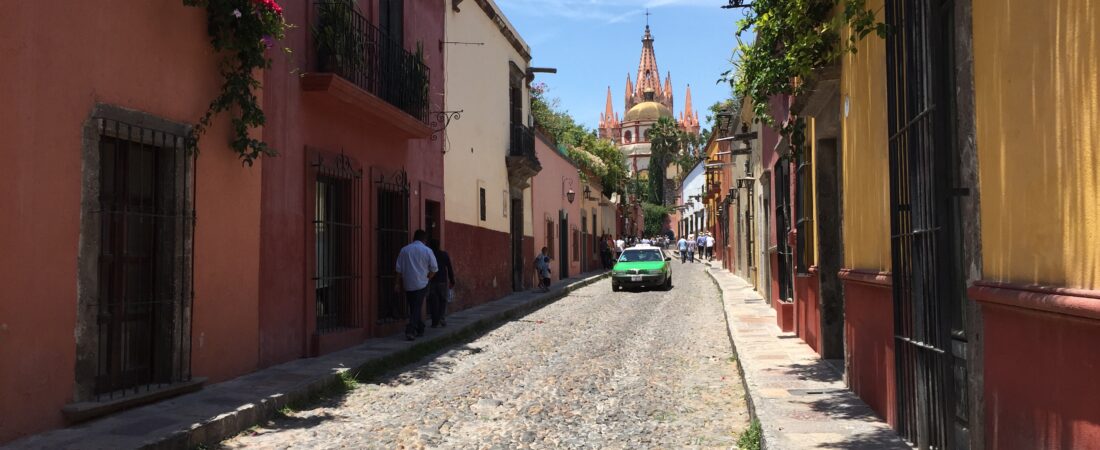
San Miguel de Allende is one of the easiest places in Mexico for Americans to imagine themselves slowing down. The center is beautiful, the expat infrastructure is mature, English is easier to find than in many Mexican cities, and the day can be built around markets, cafes, plazas, classes, restaurants, and short errands instead of freeway life.
But San Miguel is not the cheap, effortless Mexico answer. It is a popular, internationally known, retirement-friendly city with real housing pressure in the most convenient areas. The same walkable streets that make it appealing can be hard on knees, balance, and stamina. The same expat network that makes the first month easier can also push rents and services toward foreigner pricing.
Quick answer: San Miguel de Allende is a strong fit for Americans who want a slower, walkable, retirement-paced Mexico base with art, restaurants, classes, expat support, and mild highland weather. It is a weaker fit if you need the lowest possible rent, flat sidewalks, quiet local pricing, beach access, or big-city medical depth. A realistic solo test budget is often closer to $1,800 to $3,000 a month than the bargain-Mexico numbers people remember from older internet advice.
Who San Miguel is best for
San Miguel works best for Americans who want a soft landing into Mexico without moving straight into a giant city or a beach-resort market. It is especially appealing for retirees, semi-retirees, solo older travelers, couples testing Mexico for one to three months, and readers who want enough English-speaking support to make the first stay less intimidating.
The best version of daily life here is simple. You rent within a manageable distance of Centro or a neighborhood you can realistically navigate. You build a routine around walking, taxis, markets, pharmacies, Spanish classes, art classes, restaurants, and familiar community touchpoints. You use the city as a low-friction test of whether Mexico’s pace, climate, language mix, and healthcare planning feel workable.
That makes San Miguel different from a pure budget destination. If your only goal is to cut expenses as sharply as possible, other Mexican cities may make more sense. If your goal is to reduce first-month friction while still being in a distinctive Mexican city with a strong foreign-resident ecosystem, San Miguel belongs on the shortlist.
Compare it in the dashboard: San Miguel is now included in the City Fit Dashboard, where you can compare it against Merida, Playa del Carmen, Panama City, Medellin, Cuenca, and other practical first-base options by budget, healthcare comfort, housing, internet, airport access, and everyday-life friction.
Monthly budget reality
The honest budget answer is that San Miguel can be moderate for Americans, but it is not low-cost by Mexico standards. Numbeo’s current San Miguel page estimates a single person’s monthly non-rent costs around the low-$800s in U.S. dollar terms, but that number excludes rent and depends on user-submitted data. Nomads.com shows a higher single-person cost signal, and recent 2026 retirement-budget commentary points to a bare minimum around $1,250 to $1,580 a month for a single retiree before adding much comfort.
For Settling Abroad readers, the more useful planning bands are these:
- Lean test stay: about $1,600 to $2,000 a month if you are careful with housing, stay outside the most convenient furnished inventory, eat mostly local, and keep extras limited.
- Comfortable solo stay: about $2,200 to $3,000 a month for a better furnished place, regular taxis, restaurants, classes, private doctor visits when needed, and a practical buffer.
- Comfortable couple stay: about $3,000 to $4,200 a month if you want a convenient furnished rental, air conditioning or heating as needed, regular dining out, private healthcare cushion, and fewer compromises.
Those are planning ranges, not promises. Short-term furnished housing can move the number quickly, especially in popular seasons or near Centro. If a San Miguel budget only works by assuming unusually cheap rent, treat that as a red flag and do a one-month test before committing emotionally.
Housing and neighborhoods
Housing is the main place where San Miguel can surprise Americans. A beautiful colonial rental in a convenient location can look like the dream version of Mexico, but those listings compete for retirees, seasonal visitors, remote workers, and well-funded short-stay guests. Central convenience is valuable, and the market knows it.
For a first test, prioritize ordinary-life logistics over charm. Ask how steep the walk is, how long it takes to reach groceries and pharmacies, whether taxis can reach the door, whether the internet is fiber or just “good enough,” how noisy the street gets at night, whether the home stays warm in cooler evenings, and whether stairs or uneven surfaces will bother you after the first week.
Centro and nearby areas are best for readers who want the classic San Miguel routine and can afford the convenience. Neighborhoods farther out may give more space or lower rent, but you may trade away the easy walking that made San Miguel appealing in the first place. That is not automatically bad. It just means the housing choice should match the mobility plan.
Walkability, mobility, and daily errands
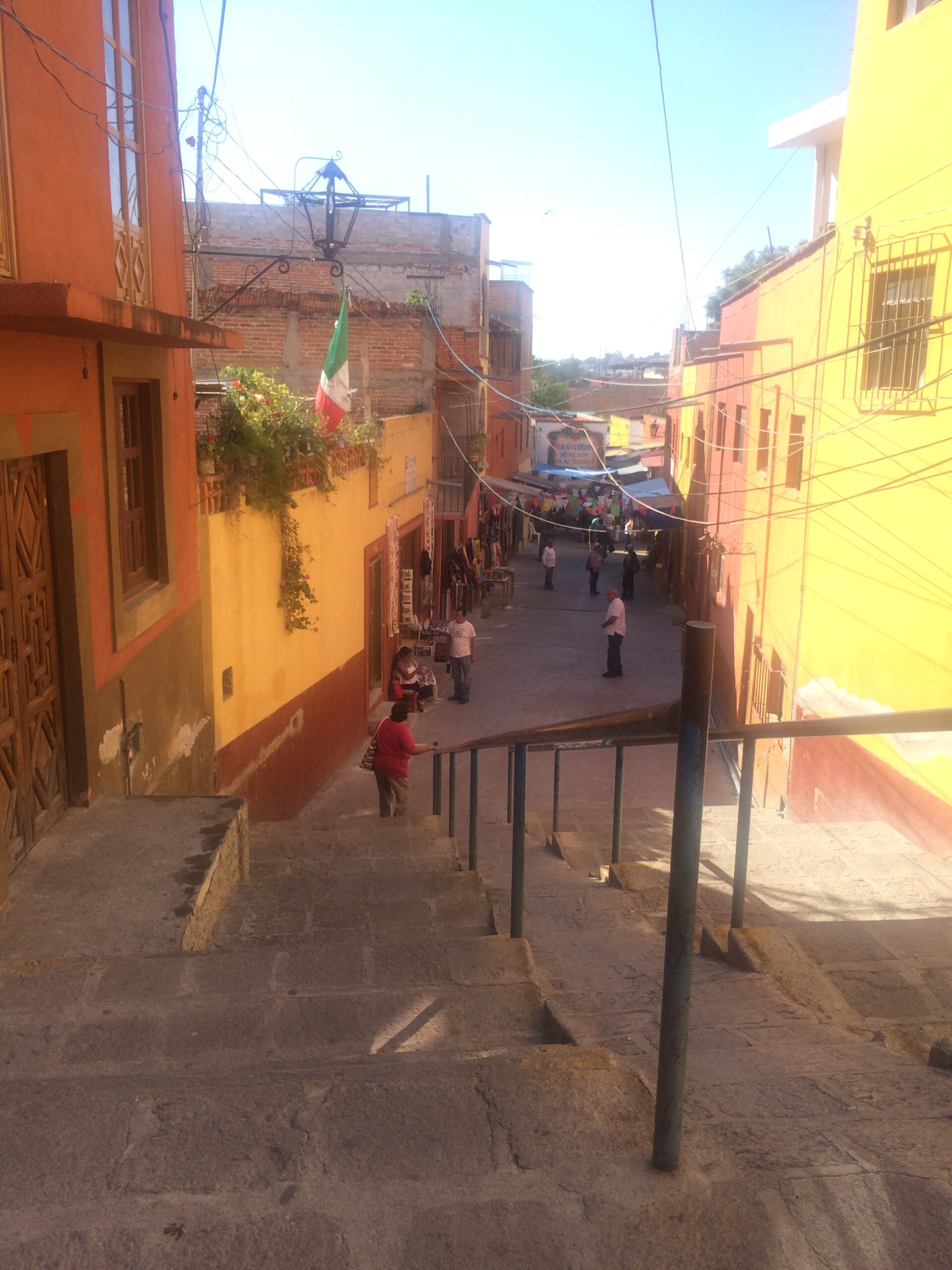
San Miguel is walkable in the sense that many useful things can be close together. It is not walkable in the smooth, flat, predictable sidewalk sense that some Americans expect. Cobblestones, hills, narrow sidewalks, stairs, curbs, uneven surfaces, and nighttime lighting can change the daily experience, especially for older readers or anyone with balance, knee, hip, or vision issues.
This is why a San Miguel test should include normal errands, not just beautiful walks. Try grocery runs, pharmacy visits, clinic routes, rainy-day movement, evening returns, and taxi access from the exact neighborhood where you might stay. If the city only works when you are in vacation mode, it may not work as a retirement-pace base.
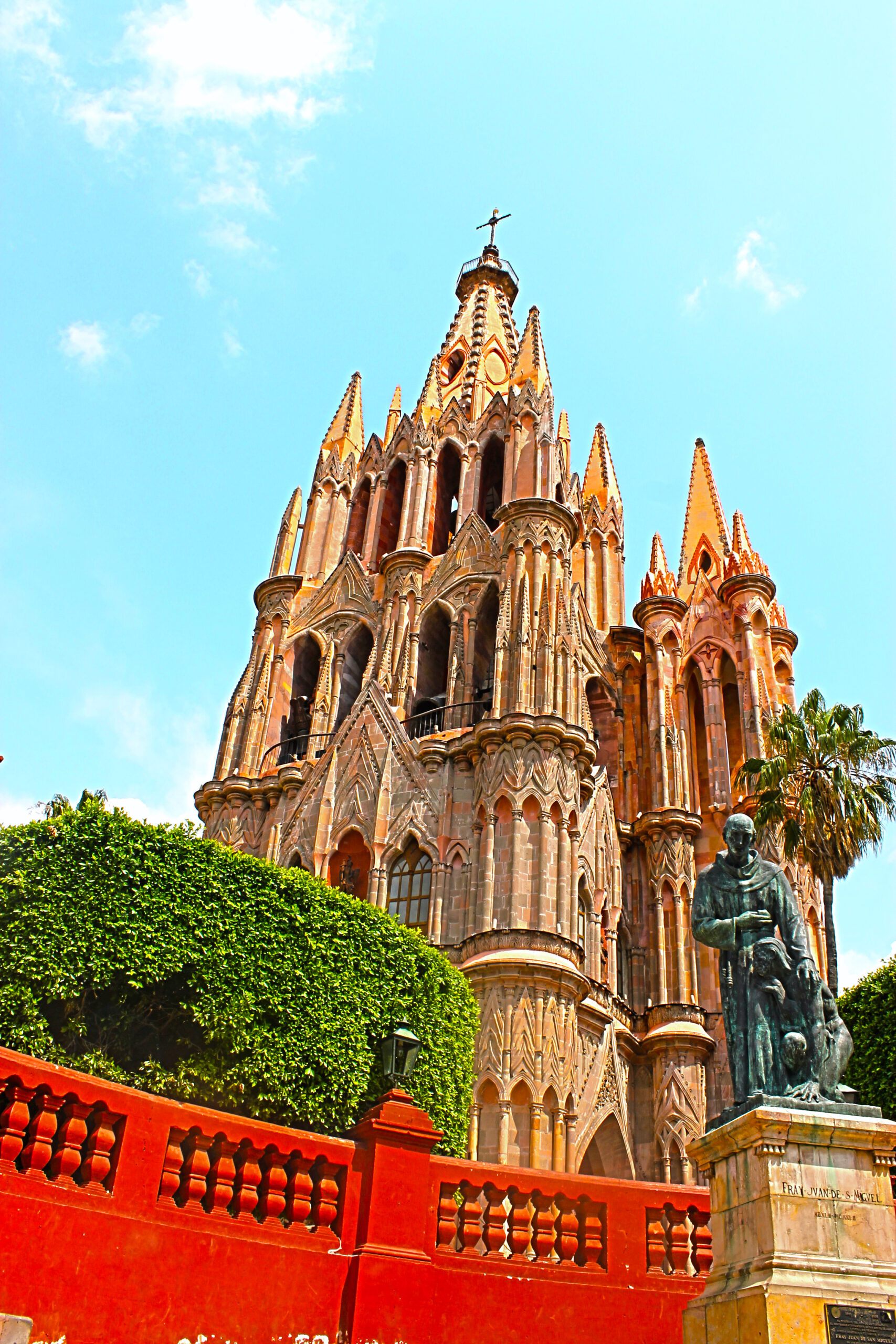
The upside is that many readers can build a satisfying routine without owning a car. Taxis and rideshare can fill gaps. Restaurants, markets, cafes, classes, galleries, churches, community groups, and plazas create a strong ordinary-week rhythm. San Miguel is especially good for people who want their day to feel socially and visually alive without needing a major metro area.
Healthcare and prescriptions
San Miguel has clinics, doctors, dentists, pharmacies, and private-care options that many foreign residents use for routine needs. The expat community also makes it easier to find referrals and English-speaking help than in many smaller Mexican cities. That is a real advantage for a first stay.
Do not mistake that for full big-city medical depth. For complex care, specialists, major procedures, or emergencies that require a deeper hospital system, you may need a plan involving Queretaro, Leon, Mexico City, or another larger medical center. Before a long stay, verify your nearest clinic, the nearest hospital you would actually use, after-hours options, prescription availability, insurance or cash-pay expectations, and medical transport assumptions.
The CDC Mexico traveler page is a useful pre-departure health source, including routine vaccine reminders and destination-specific health planning. If you rely on prescriptions, do not assume a U.S. medication, brand, dosage, or refill rhythm will translate cleanly. Bring a doctor-reviewed medication list, generic names, documentation, and a backup plan before arrival.
Entry rules and stay length
For U.S. citizens planning a test stay, Mexico is often simpler than many countries because short visitor stays are familiar and flights are easy. But the rule still needs verification. Mexico’s INM FMM page says the visitor form has a maximum validity of 180 calendar days and is valid for one entry only. That does not mean every traveler should casually assume 180 days in every situation; the permitted stay is an immigration matter, and you should verify what you are granted at entry.
A one- to three-month test is usually the cleaner planning frame. It gives you time to test daily routines without pretending you have already solved residency, taxes, healthcare, insurance, banking, and long-term housing. If you start thinking beyond a test stay, move from blog research to official Mexican immigration guidance and qualified professional advice.
Safety and comfort
Safety should be handled with adult caution, not fear and not fantasy. The U.S. State Department’s Mexico advisory was updated May 29, 2026, and Mexico is not a one-risk-level country. Conditions vary by state and city, and Guanajuato requires current diligence. For San Miguel, that means checking current advisories, local news, neighborhood-specific advice, transport norms, nighttime routines, and emergency contacts before treating the city as automatically easy.
For many Americans, the practical comfort issues are more everyday than dramatic: nighttime walking routes, petty theft precautions, ATM habits, taxi reliability, uneven streets, apartment security, noise, heat or cool evenings, and whether you feel comfortable handling errands in Spanish when English is not available. These details matter more than a generic “is it safe?” answer.
Who should avoid San Miguel
Skip San Miguel as a first Mexico base if you need beach access, a flat modern walking environment, the lowest possible rent, deep big-city hospitals nearby, or a more locally priced city with fewer foreign-resident market effects. Also be careful if mobility is already a daily issue. A charming hill is still a hill after the novelty wears off.
San Miguel can also disappoint readers who want Mexico to feel undiscovered. This is a mature expat and visitor market. That is partly why it works well for nervous first-timers, but it also means you should expect international influence, higher-end restaurants, English-speaking circles, and pricing that reflects demand.
Best way to test San Miguel
Book the first stay like a practical audit. Stay at least three to four weeks if possible. Choose a neighborhood you might actually afford. Walk your normal errands. Take taxis after dark. Visit pharmacies. Identify the clinic or hospital you would use. Work from the apartment if internet matters. Price a second-month rental before you fall in love with the first place. Talk to residents who live on a budget similar to yours, not only people with much more money.
If San Miguel still feels good after ordinary errands, housing reality, and mobility friction, it may be one of Mexico’s strongest retirement-pace test bases. If it only feels good while you are sitting near the plaza with a coffee, treat that as useful information too.
Worksheet shortcut: If San Miguel is one of several possible Mexico or Latin America bases, the Destination Shortlist Kit is the worksheet version of this decision. Use it to compare San Miguel against two or three other cities before you book a longer stay.
Bottom line
San Miguel de Allende is a strong fit for Americans who want walkable, social, culturally rich, retirement-paced Mexico with a softer first landing. It is not the right fit for every budget or every body. The city rewards people who value community, classes, restaurants, markets, mild weather, and expat support. It punishes plans built on outdated cheap-Mexico assumptions or vague ideas of walkability.
For a first test, treat San Miguel as a comfortable-but-not-cheap Mexico candidate. If your budget, knees, housing expectations, healthcare plan, and social style line up, it can be an unusually easy place to imagine a slower chapter abroad.
San Miguel is only one version of a Mexico base. For the wider tradeoffs around budget, regions, healthcare, and first-stay logistics, start with our practical guide to living in Mexico for a longer stay. It can help you decide whether San Miguel’s higher-cost, social, walkable setup is the right fit before you narrow to one city.
References
- U.S. State Department: Mexico Travel Advisory
- U.S. State Department: Mexico Country Information
- Mexico Instituto Nacional de Migracion: FMM visitor form
- CDC Travelers’ Health: Mexico
- Numbeo: Cost of Living in San Miguel de Allende
- Numbeo: Merida vs San Miguel de Allende cost comparison
- Nomads.com: San Miguel de Allende cost of living
- TheLatinvestor: 2026 San Miguel retirement budget context