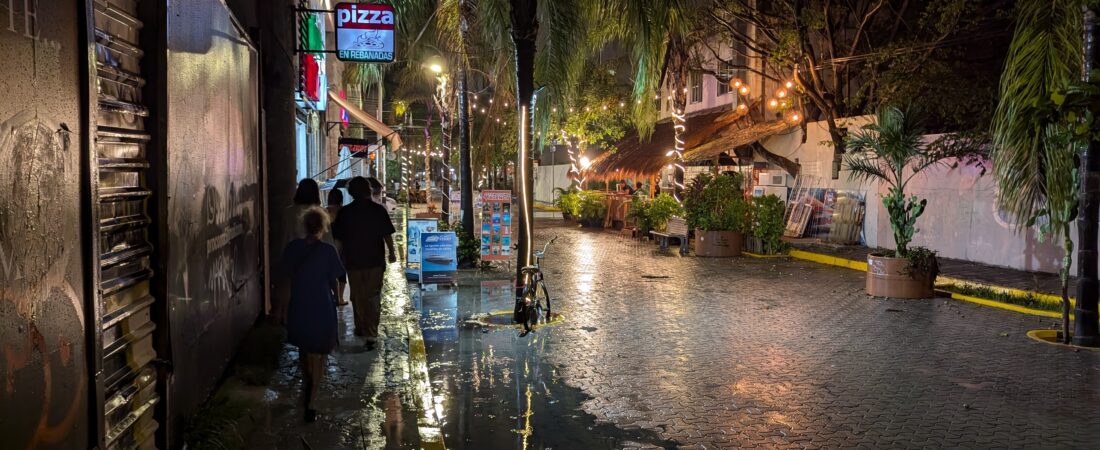
Playa del Carmen is tempting because it removes a lot of first-stay friction. You can fly into Cancun, take ground transport down the coast, rent a furnished apartment, walk to restaurants and shops in the central zones, find English-speaking services more easily than in many Mexican cities, and test a beach lifestyle without committing to a remote town.
That convenience is real. So are the tradeoffs. Playa is a tourism-driven coastal city with seasonal rent pressure, heat and humidity, beach conditions that can change, traffic and noise in the wrong areas, and pricing that often feels closer to an international visitor market than to the Mexico bargains people imagine from older retirement advice.
Quick answer: Playa del Carmen is a good Mexico test base for Americans who want beach access, Cancun airport proximity, furnished rentals, restaurants, gyms, cafes, English-friendly services, and a short-stay setup that is easy to understand. It is a weaker fit if you need low rent, mild weather, quiet local pricing, deep medical infrastructure, or a place that feels removed from tourism. For a realistic solo test stay, plan around roughly $1,800 to $3,200 a month unless you already have a verified lower-cost rental.
Who Playa del Carmen is best for
Playa is best for Americans who want a first coastal Mexico stay that is easy to set up. It works especially well for people testing one to three months abroad, semi-retirees who want beach access without feeling isolated, remote workers who need cafes and apartment internet, and readers who would rather start in a high-service coastal city than in a smaller beach town.
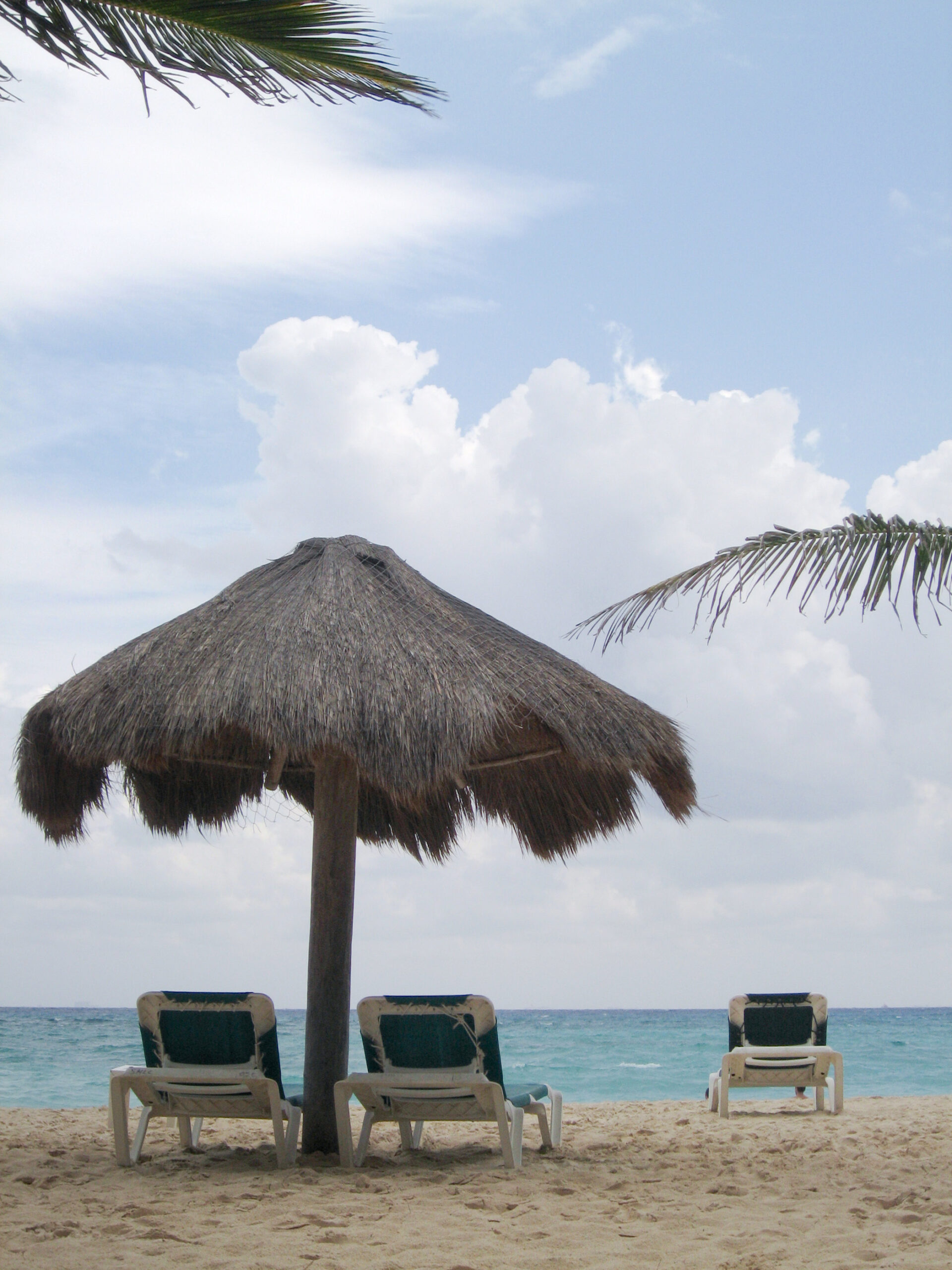
The main appeal is not that Playa is the most authentic or cheapest place in Mexico. The appeal is that ordinary arrival logistics are less intimidating. Cancun airport is close by regional standards. Furnished rentals are easy to find. Restaurants, pharmacies, gyms, grocery stores, dentists, clinics, coworking spaces, and English-speaking help are more visible than in many first-time destinations.
That makes Playa a useful test base, not necessarily a forever base. If the question is, “Can I handle Mexico, heat, Spanish friction, apartment logistics, healthcare planning, and being outside the United States for a month?” Playa can answer that quickly. If the question is, “Where can I live as cheaply as possible in Mexico?” it is usually the wrong starting point.
Compare it in the dashboard: Playa del Carmen is now linked in the City Fit Dashboard, where you can compare it against San Miguel de Allende, Merida, Panama City, Medellin, Cuenca, Da Nang, Cebu City, and other first-base options by budget, healthcare comfort, airport access, walkability, and day-to-day friction.
Monthly budget reality
Playa del Carmen can be cheaper than many U.S. coastal cities, but that does not make it cheap by Mexico standards. Numbeo and Nomads.com both point to Playa as a moderate-to-expensive Mexican option once rent, restaurants, and short-stay convenience are included. Numbeo’s Merida comparison is also useful because it shows why coastal tourism markets can cost more than practical inland cities.
For Settling Abroad readers, use these planning bands before you fall in love with a listing:
- Lean solo test: about $1,600 to $2,100 a month if you find a modest furnished rental away from the most convenient tourist corridors, eat mostly local, and keep paid activities limited.
- Comfortable solo stay: about $2,200 to $3,200 a month for a better furnished apartment, regular taxis, restaurants, gyms or coworking, private doctor visits when needed, and a practical buffer.
- Comfortable couple stay: about $3,200 to $4,800 a month if you want a convenient rental, air conditioning, restaurants, beach-club or activity spending, private healthcare cushion, and fewer compromises.
The biggest swing factor is rent. A short-term furnished apartment near the zones newcomers like can erase the savings quickly, especially in high season. Electricity can also matter if you rely heavily on air conditioning. Before treating Playa as affordable, verify the actual monthly rent, utilities, internet, cancellation terms, noise, and distance from daily errands.
Housing and neighborhoods
For a first stay, do not choose housing by beach distance alone. The better question is whether the exact apartment supports ordinary life. Can you sleep through the noise? Can you walk to groceries in the heat? Is the internet stable enough for your work or calls? Is the building secure? Is there elevator access if stairs are an issue? Does the air conditioning actually cool the rooms you use?
Central and near-beach areas are convenient, but they can be louder and more expensive. Areas farther from the tourist core may lower rent or give more normal routines, but you may need more taxis, Spanish, and local orientation. That can be a good trade if you know what you are doing. It is risky if you booked only because the map made everything look close.
Ask for recent utility examples, internet speed proof, exact location, noise context, building rules, water pressure comments, and how long it really takes to reach groceries, pharmacies, and transit. Playa has plenty of short-stay inventory, but not every furnished rental is a livable apartment for a month.
Walkability, transport, and everyday errands
Playa can feel walkable in the central zones because restaurants, shops, cafes, pharmacies, and beach access are clustered. But heat, sun, rain, traffic, construction, uneven sidewalks, and tourist crowds can change how useful that walkability feels after the first week.
A realistic test includes daytime and evening errands, not just pleasant beach walks. Try grocery shopping, pharmacy visits, laundry, ATM use, clinic routes, and rides back after dark. If you need calm sidewalks, cooler weather, and quiet routines, Playa may feel more tiring than it looks in photos.
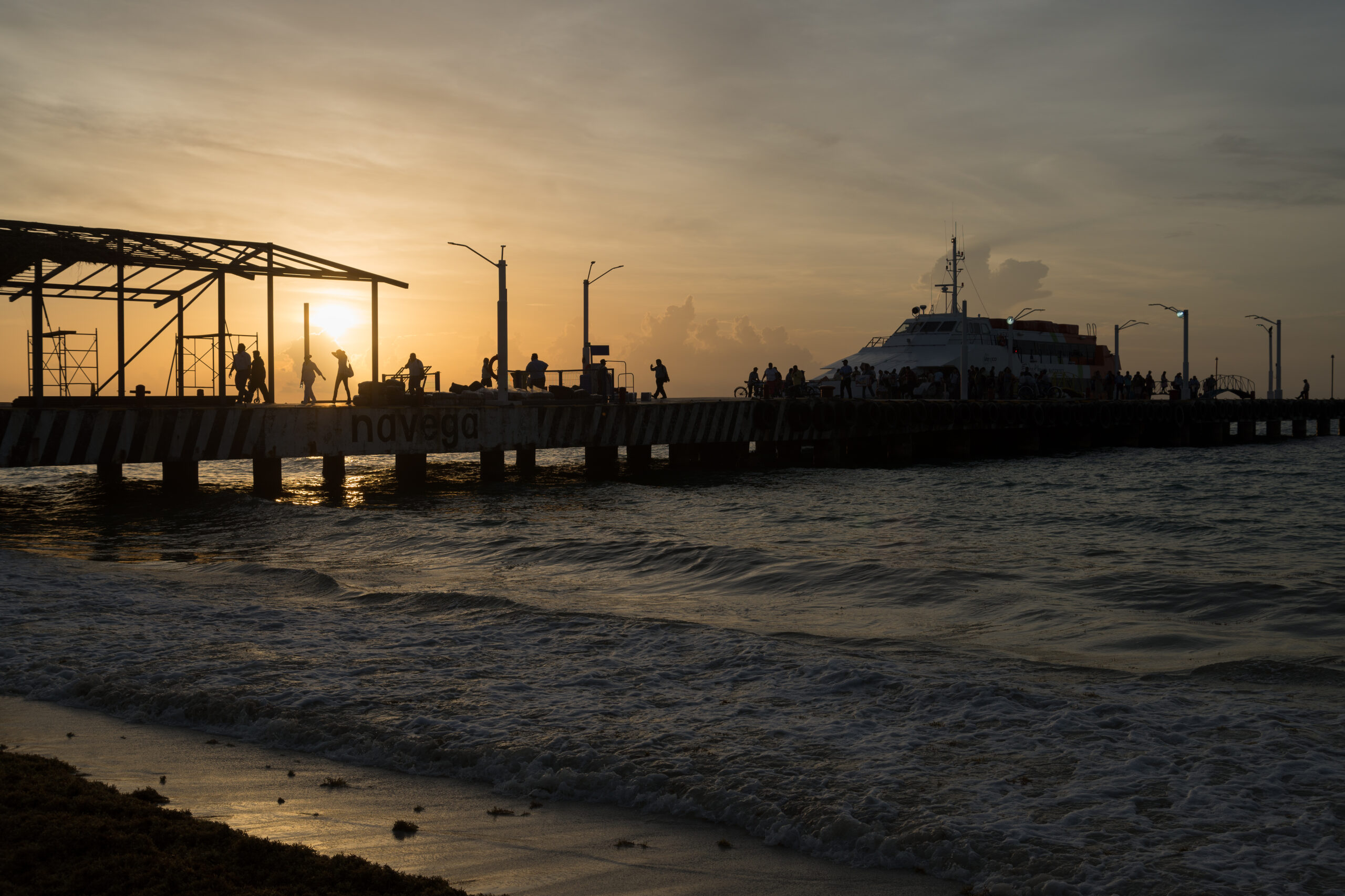
The upside is regional access. Cancun airport makes arrivals and exits easier. Buses, vans, taxis, and the Cozumel ferry expand what you can do without owning a car. That is why Playa can work well as a first test base even when it is not the cheapest long-term answer.
Healthcare and prescriptions
Playa has clinics, pharmacies, dentists, and private-care options that can handle many routine needs. English-speaking help is easier to find than in many smaller Mexican cities, and Cancun adds more medical depth nearby. For basic care, dental work, prescriptions, and simple urgent-care questions, the setup may feel manageable for a short stay.
Do not confuse that with having the same depth as a major medical hub. If you have complex conditions, need specialists, depend on specific medications, or would be anxious without a serious hospital backup, identify the exact clinic, hospital, specialist route, and emergency plan before booking. Know whether you would use Playa, Cancun, or another city if something went wrong.
The CDC Mexico traveler page is the right official health starting point before departure. Bring generic medication names, documentation, extra supply where legal, and a refill backup. A beach city can make everyday care feel easy until the one medication or specialist you need is not available on your timeline.
Entry rules and stay length
Mexico is often simpler than many countries for an American test stay, but you still need to verify current rules. Mexico’s INM FMM page says the visitor form has a maximum validity of 180 calendar days and is valid for one entry only. That does not mean every traveler should assume they will automatically receive the maximum time. Confirm what you are granted at entry and plan your exit date conservatively.
For Playa, one month is enough to test the core question: do you like coastal Mexico after the novelty wears off? Two or three months can reveal more about heat, rent, errands, healthcare comfort, and whether the tourism layer feels energizing or exhausting. If you are thinking beyond a test stay, move from article research to official immigration guidance and qualified professional advice.
Safety and comfort
Playa should be approached with practical caution, not panic and not fantasy. The U.S. State Department lists Quintana Roo as Exercise Increased Caution and notes that crime can affect tourist and non-tourist areas. It specifically tells travelers to pay attention after dark and remain in well-lit pedestrian streets and tourist zones.
For an American test stay, that means choosing housing carefully, learning local transport norms, using ATMs thoughtfully, avoiding sloppy late-night routines, watching drink and phone security, and asking current neighborhood-specific questions. Safety is not one label for the whole city. It is a set of daily habits and location choices.
Who should avoid Playa del Carmen
Skip Playa as a first Mexico base if your top priorities are low rent, mild weather, quiet neighborhoods, deep local culture without a tourism layer, or a slower retirement town where daily life feels less commercial. Also be careful if humidity, heat, stairs, noise, or crowded pedestrian areas wear you down quickly.
Playa can also disappoint people who think beach access automatically means calm. It is a working tourism city. That brings restaurants, services, activities, and short-stay ease. It also brings price pressure, seasonal crowds, nightlife pockets, and a housing market shaped by visitors as much as by residents.
Best way to test Playa
Book Playa like a practical trial, not a vacation reward. Stay at least three or four weeks if you can. Choose a rental in a zone you might actually afford for a second month. Work or handle admin from the apartment if internet matters. Visit pharmacies and clinics before you need them. Price groceries, taxis, laundry, electricity, and regular meals. Walk your errands in the heat, not only at sunset.
Also test the emotional part honestly. Some people love the energy, beach access, and convenience. Others feel trapped between tourist pricing and heat. Both reactions are useful. The point of a first stay is to find out before you build a bigger plan around the wrong version of yourself.
Worksheet shortcut: If Playa is one of several Mexico or Southeast Asia coastal candidates, the Destination Shortlist Kit is the worksheet version of this decision. Use it to compare Playa against two or three other cities before you book a longer stay.
Bottom line
Playa del Carmen is a strong test base for Americans who want coastal Mexico with easy arrival logistics, furnished housing, restaurants, services, English-friendly help, and enough infrastructure to make the first month less intimidating. It is not the best Mexico answer for people chasing the lowest costs, mild weather, or a quiet local routine.
Treat Playa as a convenient-but-priced coastal experiment. If your budget, heat tolerance, housing expectations, safety routines, and healthcare backup all pass the test, it can be a useful first base. If the numbers only work in a fantasy rental or the tourist layer starts to grate after ten days, that is exactly what the test was supposed to reveal.
References
- U.S. State Department: Mexico Travel Advisory
- U.S. State Department: Mexico Country Information
- Mexico Instituto Nacional de Migracion: FMM visitor form
- CDC Travelers’ Health: Mexico
- Numbeo: Cost of Living in Playa del Carmen
- Numbeo: Merida vs Playa del Carmen cost comparison
- Nomads.com: Playa del Carmen cost of living