
Buenos Aires is one of the few cities where an American on a moderate budget can still get real big-city life: theaters, cafes, bookstores, parks, transit, late dinners, neighborhood routines, private healthcare options, and enough cultural depth that the first month does not feel small. It can feel elegant without requiring Paris money.
That is the appeal. The caution is that Buenos Aires is not a simple bargain. Argentina’s prices, exchange rates, rents, payment norms, and rules can move quickly. A budget that looked comfortable six months ago can be wrong by the time you land. The city rewards people who verify current numbers, choose neighborhoods carefully, and build a payment and healthcare backup before treating it like an easy retirement answer.
Quick answer: Buenos Aires is a strong fit for Americans who want walkable neighborhoods, big-city culture, restaurants, private healthcare depth, and an urban routine that can still be moderate by U.S. standards. It is a weaker fit if you need stable pricing, easy English everywhere, a quiet retirement pace, beach life, or a low-friction small-town landing. A practical solo test budget is often around $1,500 to $2,800 a month, depending heavily on furnished rent, neighborhood, exchange conditions, and how often you use imported comforts.
Who Buenos Aires is best for
Buenos Aires is best for Americans who want a real city, not a resort town or a retirement enclave. If you like cafes, long walks, parks, restaurants, theater, museums, bookstores, neighborhood bakeries, and late-night energy, the city gives you a lot to work with. It is especially appealing for independent retirees, semi-retirees, remote workers, solo travelers, and couples who want cultural richness without immediately stepping into Western Europe pricing.
The city is less ideal for readers who want life to feel simple from day one. English exists in the foreigner circuit, but Spanish matters for apartments, doctors, bureaucracy, building staff, taxis, shops, and ordinary problem-solving. Payment norms can be confusing. Prices can change. Temporary rentals can be priced for foreigners. You need a tolerance for moving parts.
Compare it in the dashboard: Buenos Aires is now linked in the City Fit Dashboard, where you can compare it against Medellin, Cuenca, Panama City, Montevideo, San Miguel de Allende, Playa del Carmen, Da Nang, Cebu City, and other possible first bases by budget, healthcare comfort, airport access, walkability, internet, and everyday friction.
Monthly budget reality
Buenos Aires budget advice has a short shelf life. Numbeo currently estimates single-person non-rent costs around $900 a month in U.S. dollar terms, while Expatistan publishes local-peso estimates that depend heavily on the exchange rate used. A recent 2026 cost context from Midlife Nomads puts many digital nomads around $900 to $1,800 a month, depending on housing and lifestyle. Other current expat-budget discussions often point closer to $1,500 to $2,000 or more for a comfortable single-person city life.
For Settling Abroad readers, the more useful planning bands are:
- Lean solo test: about $1,200 to $1,700 a month if you find modest housing, cook often, use transit, keep nightlife restrained, and avoid the easiest foreigner-priced inventory.
- Comfortable solo stay: about $1,800 to $2,800 a month for a better furnished apartment, regular restaurants and cafes, transit or taxis, private medical visits when needed, and a buffer for price surprises.
- Comfortable couple stay: about $2,600 to $4,000 a month if you want a convenient furnished rental, frequent dining out, private healthcare cushion, and fewer compromises.
The biggest swing factor is furnished housing. A longer local-style lease can look far cheaper than a one- to three-month furnished stay, but a newcomer may not have the documents, Spanish, deposits, guarantor alternatives, or local confidence to access the better deals immediately. For a first stay, price the actual temporary rental you can book, not the ideal local rent someone mentioned online.
Housing and neighborhoods
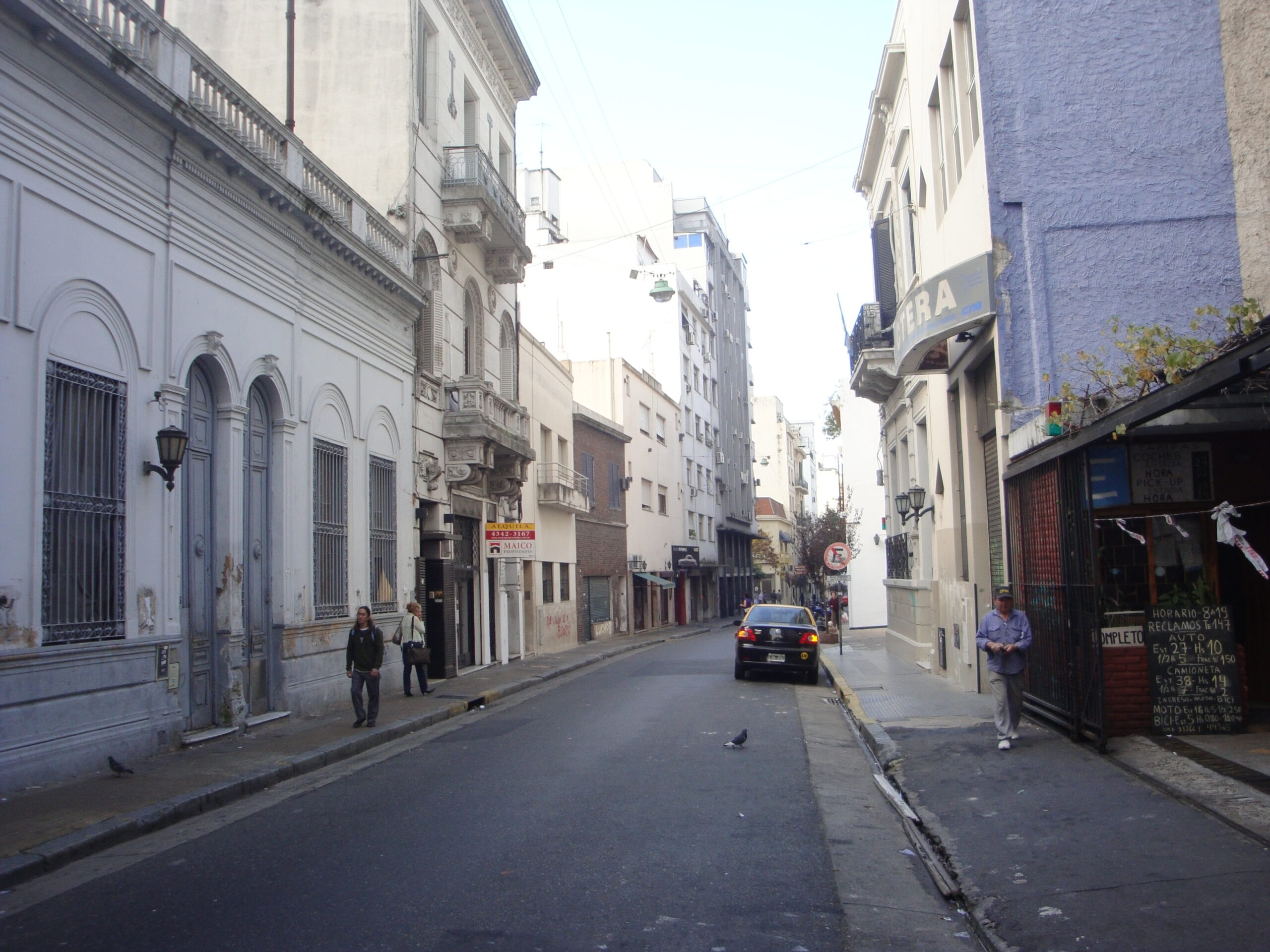
Most Americans testing Buenos Aires start by looking at Palermo, Recoleta, Belgrano, San Telmo, Retiro, or central areas with good transit access. Palermo is often the easiest first landing because it has restaurants, parks, cafes, foreigner familiarity, and a lot of furnished inventory. Recoleta can feel more classic and comfortable. Belgrano may appeal to people who want a calmer residential feel. San Telmo is atmospheric and central but can be uneven block by block.
The best first rental is not necessarily the prettiest apartment. It is the place that lets you test the city honestly: grocery access, noise, elevator reliability, hot water, heating and cooling, building security, transit, taxis after dark, pharmacies, internet, laundry, and whether you like the street after the weekend mood wears off. Ask about utility rules, payment method, deposit, cancellation terms, and whether the quoted price is truly in U.S. dollars, pesos, or something else.
Walkability, transit, and daily errands
Buenos Aires is one of Latin America’s better cities for building a car-free routine. Many neighborhoods have useful errands within walking distance, and the city has buses, subway lines, taxis, rideshare options, and long avenues that make movement easier than in many car-dependent capitals. For an American who dislikes isolated suburbs, that is a major advantage.
But big-city movement is still big-city movement. Sidewalks can be uneven, traffic can be intense, buses take learning, and late-night routes require judgment. A good 30-day test should include weekday grocery runs, pharmacy visits, transit during busier hours, a doctor or clinic route, rainy-day errands, and at least one evening return to the exact building where you might stay longer.
Healthcare and prescriptions
Healthcare is one of Buenos Aires’ stronger practical arguments. The city has major hospitals, private clinics, specialists, pharmacies, and a deeper medical ecosystem than smaller retirement towns can offer. Buenos Aires tourism’s official health and security page says public hospitals are open 24 hours and attend patients free of charge, and that the 107 ambulance line operates 24 hours a day.
That does not mean an American should arrive without a plan. For a first stay, identify the private clinic or hospital you would actually use, confirm whether your travel insurance or international health coverage works there, keep cash-pay room in the budget, and bring a prescription list with generic names. If you have a chronic condition, do not rely on a vague promise that healthcare is good. Verify doctors, medication availability, emergency routing, and language help before you need them.
Entry rules and stay length
The U.S. State Department’s Argentina country information page says private U.S. citizens need a valid passport and do not need a visa for tourism or business visits of up to 90 days. Argentina’s official tourist-visa guidance says a tourist stay can be extended once for an equal period if handled through Migraciones before the original period expires. Migration instructions and fees can change, so verify the current process before building a six-month plan around old advice.
For most Settling Abroad readers, one to three months is the cleaner first test. It is long enough to experience normal errands, prices, health logistics, apartment friction, and social rhythm without pretending you have solved residency, taxes, banking, long-term lease structure, and inflation exposure.
Safety and everyday comfort
The U.S. State Department’s Argentina Travel Advisory was updated May 20, 2026 and lists Argentina at Level 1: Exercise Normal Precautions due to health, while noting that some areas have increased risk. For Buenos Aires, the practical safety conversation is mostly urban common sense: phone theft, bag awareness, ATM habits, late-night transport, protest disruptions, neighborhood differences, and not advertising that you are new and carrying cash or devices.
Comfort also depends on how you handle uncertainty. Exchange rates, cash versus card decisions, apartment pricing, Spanish-language problem-solving, and administrative details can be more tiring than the usual tourist narrative suggests. If those moving parts energize you, Buenos Aires can feel alive. If they drain you, a smaller or more predictable city may be kinder.
Who should avoid Buenos Aires
Skip Buenos Aires as a first base if you want quiet retirement living, easy English everywhere, stable prices, beach access, small-town simplicity, or a destination where the cost math feels predictable. Also be cautious if you hate bureaucracy, dislike apartment negotiations, or feel stressed by having to check the current payment situation before normal errands.
Buenos Aires is not a poor fit because it is difficult. It is a poor fit when someone wants it to behave like a simple low-cost retirement town. It is a capital-scale city with capital-scale advantages and capital-scale friction.
Best way to test Buenos Aires
Choose one neighborhood for your first month and test real life there. Do not split the whole stay between vacation apartments unless your goal is tourism. Buy groceries, use transit, visit a pharmacy, find the clinic you would use, work from the apartment if internet matters, price a second-month rental, and track how much you actually spend in a normal week.
Then compare Buenos Aires against at least two different city types: a calmer South American city such as Montevideo or Cuenca, and a cheaper or easier first base elsewhere in Latin America. Buenos Aires may still win. But it should win after the practical comparison, not just because the first few dinners were great.
Worksheet shortcut: If Buenos Aires is one of several possible Latin America bases, the Destination Shortlist Kit is the worksheet version of this decision. Use it to compare Buenos Aires against two or three alternatives before you commit to a longer stay.
Bottom line
Buenos Aires is one of the strongest big-city options for Americans who want culture, walking, restaurants, medical depth, and a rich everyday routine without immediately paying top-tier Western Europe prices. It can be a very good moderate-budget city if you verify current housing, payment, and healthcare details.
It is not the right choice for readers who want predictable costs, quiet living, or low-effort logistics. Treat it as a culture-rich city that can reward preparation, not as a cheap-place shortcut. If that framing still appeals to you, Buenos Aires deserves a serious one-month test.
If Buenos Aires feels exciting but too intense for a first longer stay, compare Montevideo as the calmer coastal alternative before you decide whether big-city energy or everyday quiet matters more.
References
- U.S. State Department: Argentina Travel Advisory
- U.S. State Department: Argentina Country Information
- Argentina Migraciones: tourists and extensions
- Argentina.gob.ar: tourist visa stay validity and extension context
- Buenos Aires Tourism: health and security
- Numbeo: Cost of Living in Buenos Aires
- Expatistan: Cost of Living in Buenos Aires
- Midlife Nomads: 2026 Buenos Aires cost context
- UK FCDO: Argentina foreign travel advice