
Montevideo is not the cheapest South American answer. That is the first thing Americans should understand. Its appeal is different: a calmer coastal capital, a long waterfront, useful private healthcare options, a more orderly feel than many bigger Latin American cities, and a pace that can suit people who want city services without megacity intensity.
For the right person, that mix is valuable. You can walk the Rambla, build a cafe-and-market routine, use buses and taxis, compare neighborhoods without feeling swallowed by a giant metropolis, and still have capital-city hospitals, embassies, cultural life, and airport access. But Montevideo asks for a more realistic budget than many Americans expect when they hear “Latin America.” If your plan depends on the lowest possible monthly cost, this is probably not the first place to test.
Quick answer: Montevideo is a good fit for Americans who want a calmer coastal capital, decent healthcare depth, walkable daily routines in the right neighborhoods, and a more settled feel than many cheaper cities. It is a weak fit if you need bargain rents, easy English everywhere, tropical beach weather, or a high-energy nightlife city. A practical solo test budget is usually closer to $2,000 to $3,800 a month than the cheapest Latin America stories suggest, with furnished rent and neighborhood choice doing most of the damage.
Who Montevideo is best for
Montevideo works best for Americans who value calm, services, and predictability more than chasing the lowest cost. It can suit retirement-minded readers, slower travelers, remote workers, and couples who want a city base with coastal walking, private medical access, groceries, pharmacies, apartment buildings, and enough normal infrastructure to make daily life feel manageable.
It is especially worth considering if you like a quieter urban rhythm. Montevideo does not feel like Buenos Aires, Mexico City, Bangkok, or Lisbon. It is smaller, lower-key, and more residential. The tradeoff is that it may also feel too sleepy, too expensive, or too limited if you want constant novelty, big-city density, or a large English-speaking expat scene.
Compare it in the dashboard: Montevideo is now linked in the City Fit Dashboard, where you can compare it against Buenos Aires, Medellin, Cuenca, Panama City, San Miguel de Allende, Playa del Carmen, Da Nang, Cebu City, and other possible first bases by budget, healthcare comfort, airport access, walkability, internet, and everyday friction.
Monthly budget reality
Montevideo is where a lot of “cheap South America” assumptions break. Numbeo’s June 2026 Montevideo page estimates single-person costs before rent at roughly $998 a month, while its Uruguay country page is closer to $879 before rent. Expatistan’s Uruguay summary currently describes Uruguay as the most expensive country in its Latin America sample. Pacific Prime’s 2026 Uruguay cost guide gives a Montevideo or Punta del Este monthly range around $1,330 to $1,835 for rent, groceries, and utilities, which is useful context but still depends heavily on the exact apartment and lifestyle.
For Settling Abroad readers, use these planning bands instead of pretending there is one clean number:
- Lean solo test: about $1,700 to $2,300 a month if you find a modest furnished place, cook often, use buses, avoid premium waterfront inventory, and keep restaurants limited.
- Comfortable solo stay: about $2,400 to $3,800 a month for a better furnished apartment, regular cafes or restaurants, taxis when useful, private medical cushion, and a buffer for higher grocery and utility costs.
- Comfortable couple stay: about $3,200 to $5,000 a month if you want a convenient apartment, more dining out, better building standards, private healthcare planning, and fewer compromises.
The main budget trap is comparing local long-lease anecdotes with the furnished apartment a newcomer can actually book. A three-month test stay in Pocitos or Punta Carretas will not price like a local lease found through personal contacts. For a first stay, price the exact inventory available to you, then add a buffer for utilities, building fees, groceries, laundry, taxis, and private medical visits.
Housing and neighborhoods
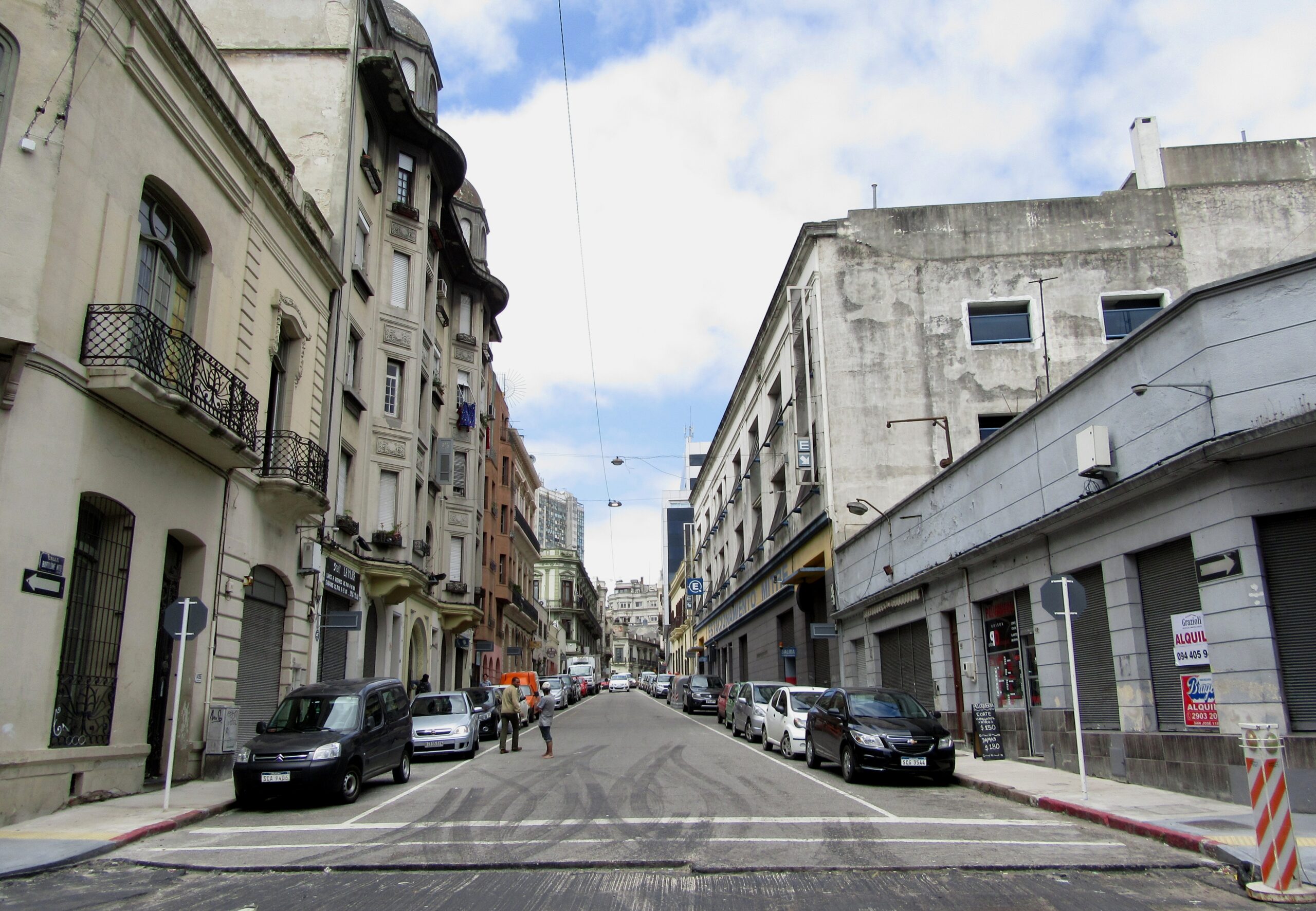
Most Americans should begin by comparing Pocitos, Punta Carretas, Parque Rodo, Cordon, Centro, Ciudad Vieja, Buceo, and Carrasco. Pocitos and Punta Carretas are often the easiest first landing zones because they combine apartments, the Rambla, shops, restaurants, clinics, taxis, and a more familiar urban-residential feel. They are also commonly more expensive. Cordon and Centro can be more practical for errands and transit. Ciudad Vieja has historic character and daytime life, but it needs block-by-block judgment, especially at night. Carrasco is greener and more spread out, with a higher-cost, suburban feel.
Do not choose only by postcard appeal. For a real test, ask about heating, air conditioning, humidity, elevator reliability, building security, hot water, internet, street noise, laundry, grocery distance, pharmacy access, and how you will get home after dark. Montevideo can be easy in the right pocket and frustrating if your apartment looks good online but puts ordinary errands just out of reach.
Walkability, transit, and daily errands
Montevideo can be pleasantly walkable in the right neighborhoods. The Rambla is a major daily-life advantage, not just a tourist feature. It gives you a reliable place to walk, decompress, exercise, and feel connected to the city without spending money. Many everyday errands can be handled on foot if you choose a good apartment location.
The city is not frictionless. Buses matter, Spanish helps, sidewalks vary, weather can be windy and damp, and some neighborhoods feel much better for daytime errands than late-night returns. A strong 30-day test should include grocery runs, pharmacy visits, a private clinic route, bad-weather errands, bus or taxi use, laundry, and at least one ordinary weekday where you do not do anything touristy.
Healthcare and prescriptions
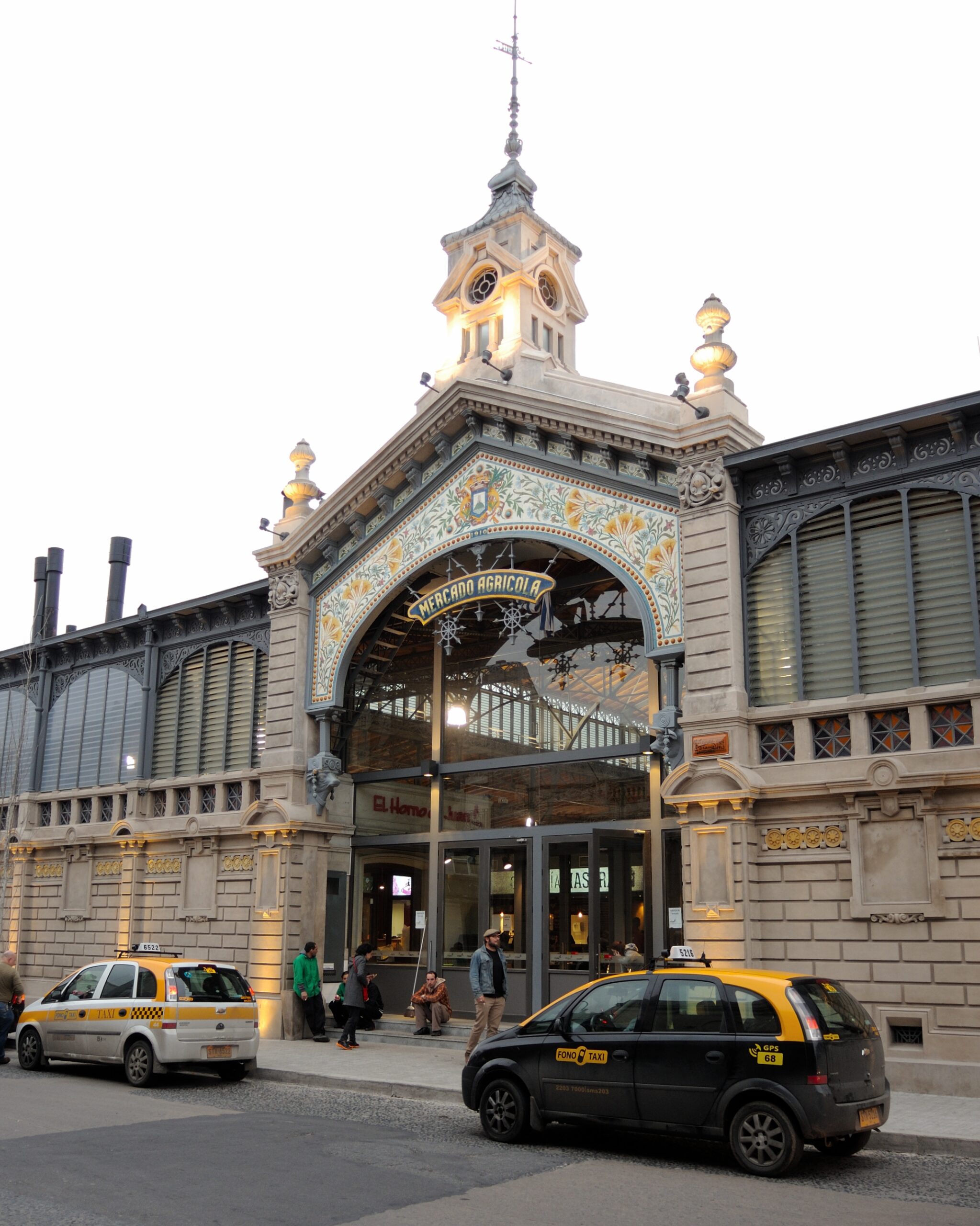
Healthcare is one reason Montevideo belongs on a serious shortlist. Uruguay has a developed public and private healthcare system, and Montevideo has the country’s deepest concentration of hospitals, private clinics, specialists, pharmacies, and emergency services. For Americans who are comparing smaller beach towns or mountain towns, that depth matters.
Still, do the work before you arrive. Identify the private hospital or clinic you would actually use. Check whether your travel medical insurance or international coverage works there. Bring a medication list with generic names, not just U.S. brand names. If you have a chronic condition, confirm doctor access, prescription availability, and what you would do on a weekend or holiday. The point is not to assume Montevideo is medically perfect. The point is that it gives you more practical options than many smaller bases if you plan ahead.
Entry rules and stay length
The U.S. State Department’s Uruguay country information page says tourist visas are not required for U.S. citizens for stays under 90 days. The Embassy of Uruguay in the United States says U.S. citizens traveling with civilian passports are granted 90 days and can contact Uruguay’s National Department of Migration if they want to extend. Live in Uruguay also summarizes tourist stays as 90 days, extendable for 90 more days.
That makes Montevideo realistic for a one- to three-month test, with a possible longer exploratory stay if you verify the extension process before relying on it. Do not build a six-month plan from old forum comments. Check the current rules, required steps, fees, and timing close to your travel date.
Safety and everyday comfort
The U.S. State Department currently lists Uruguay at Level 2: Exercise Increased Caution. Its practical guidance emphasizes awareness in tourist locations and poorly lit areas, ATM caution, not resisting robbery, and keeping valuables out of sight. That is a different message from “unsafe,” but it is also a reminder not to treat Montevideo like a consequence-free small town.
Everyday comfort depends on neighborhood choice, Spanish confidence, weather tolerance, and budget. Montevideo can feel calmer than many larger capitals, but it is still a real city. Petty theft, dark streets, uneven blocks, higher grocery prices, winter dampness, and quiet evenings can surprise people who arrive expecting either a beach resort or a cheap expat playground.
Who should avoid Montevideo
Skip Montevideo as a first base if your top priority is the lowest monthly cost. You will usually find better value in parts of Mexico, Colombia, Ecuador, Argentina, Albania, Thailand, Vietnam, or the Philippines. Also be cautious if you need constant social energy, easy English everywhere, hot beach weather, or a large retirement enclave that solves daily logistics for you.
Montevideo is also not ideal if you dislike quiet. Some Americans love that the city feels calmer and more residential. Others experience the same quality as dull, especially after the first waterfront walks and cafe days are over. That is exactly why a test month is useful.
If Montevideo feels appealing but too quiet for a longer first test, compare Buenos Aires as the bigger-city alternative before you decide how much city energy, nightlife, apartment choice, and inflation complexity you are willing to manage.
Best way to test Montevideo
Book one neighborhood for the first month and live normally. Walk the Rambla, but also do chores. Price groceries. Use buses or taxis. Visit the clinic you would use in a non-emergency. Test work calls from the apartment if internet matters. Walk the area after sunset. Spend one rainy day doing errands. Track every expense for a week, because Montevideo’s higher cost floor often shows up in small daily purchases.
Then compare Montevideo against at least two alternatives: one cheaper Latin American city and one calmer service-rich city. Buenos Aires may offer more culture for less predictable logistics. Cuenca may feel slower and cheaper. Medellin may feel livelier. Panama City may offer easier flight logistics. Montevideo should win because its calm, waterfront, healthcare depth, and orderliness matter to you, not because you assumed Uruguay would be inexpensive.
Worksheet shortcut: If Montevideo is one of several possible South America bases, the Destination Shortlist Kit is the worksheet version of this decision. Use it to compare Montevideo against two or three alternatives before you commit to a longer stay.
Bottom line
Montevideo is a strong candidate for Americans who want a calmer coastal capital with decent services, healthcare depth, and a more manageable urban pace than the region’s bigger cities. It is not a cheap hack. It is a pay-more-for-calm option.
If your budget can absorb Uruguay’s higher cost floor and you value the waterfront, orderliness, healthcare access, and slower rhythm, Montevideo deserves a serious one-month test. If you mainly want the lowest rent or the most excitement per dollar, put it lower on the list and compare it honestly against cheaper, livelier, or more English-friendly bases.
References
- U.S. State Department: Uruguay Travel Advisory
- U.S. State Department: Uruguay Country Information
- Embassy of Uruguay in the United States: visas and migration
- Live in Uruguay: entry procedures
- Uruguay Ministry of Public Health
- Numbeo: Cost of Living in Montevideo
- Numbeo: Cost of Living in Uruguay
- Expatistan: Cost of Living in Montevideo
- Expatistan: Cost of Living in Uruguay
- Pacific Prime: 2026 Uruguay cost context
- UK FCDO: Uruguay foreign travel advice
Considering Montevideo specifically? Use this ordinary-week Montevideo companion to test the neighborhood, errand, transit, and waterfront rhythm.