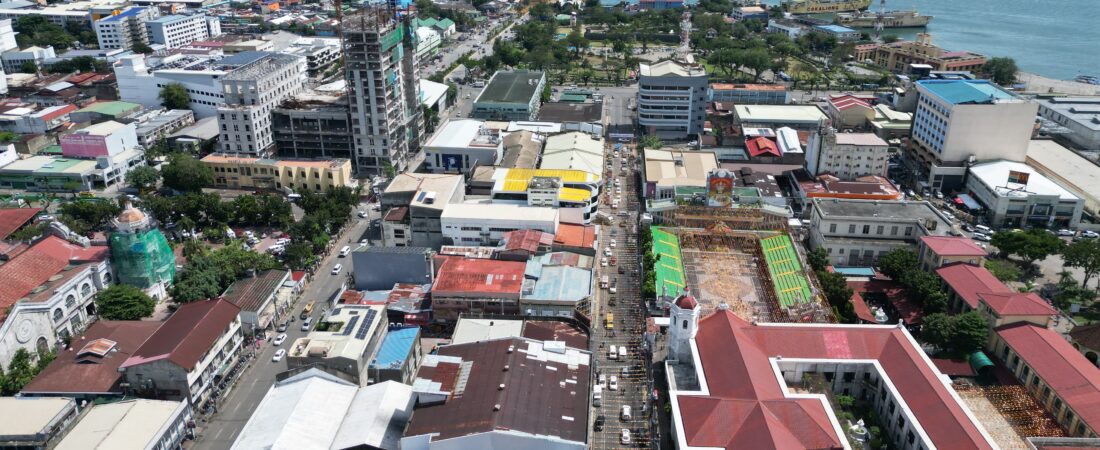
Cebu City is the Philippines base Americans should look at when they want English-friendly Southeast Asia with real urban services nearby. It has a major regional airport across the water in Mactan, private hospitals, malls, dentists, pharmacies, coworking and cafe pockets, serviced apartments, international schools, call-center and IT districts, and easy access to beaches and islands when you want them.
But Cebu City is not a beach-retirement postcard. It is a dense, traffic-heavy urban area where the apartment building, neighborhood, internet, heat, rain, transport routine, and medical backup matter more than the word “Philippines.” Cebu can feel easier than many Asian cities because English is widely used, but easy language does not remove daily-life friction.
Quick answer: Cebu City can make sense for Americans who want an English-friendly Southeast Asia test base with urban services, private healthcare options, malls, pharmacies, airport access, and island trips nearby. It is a weak fit if you need calm walking, clean transit, low traffic stress, dry heat, or beach living outside your door. For a solo test stay, plan roughly $1,100 to $2,600 a month depending on housing standard, neighborhood, utilities, transport, insurance, dining, and medical cushion.
Who Cebu City is best for
Cebu City is best for Americans who want the Philippines as a realistic test stay rather than a resort fantasy. It suits people who value English access, friendliness, private clinics, pharmacies, dental care, malls, airport connections, and a lower-cost urban base in the middle of the country. If you want a place where ordinary errands can often be handled in English, Cebu has a real advantage over many otherwise attractive Southeast Asia cities.
It is also useful for people who want city services but not Manila scale. Cebu is still busy and spread out, but it can feel more manageable than Metro Manila for a first Philippines stay. The tradeoff is that it has fewer deep-service options than Manila, worse traffic than a smaller town, and a lifestyle that depends heavily on choosing the right pocket.
Compare it in the dashboard: Cebu City is now linked in the City Fit Dashboard, where you can compare it against Da Nang, Kuala Lumpur, Penang, Bangkok, Chiang Mai, Sanur, Tbilisi, Chania, Split, and other possible first bases by budget, healthcare comfort, airport access, walkability, internet, stay-rule friction, and daily-life ease.
Monthly budget reality
Cebu can be affordable, but newcomer costs vary sharply. LivingCost currently puts Cebu’s average monthly cost near the low four figures in U.S. dollar terms. Numbeo’s Cebu page puts single-person costs before rent lower than many U.S. cities, while Expatistan’s Cebu City estimate is higher and should be treated as one sample rather than a promise. The dashboard’s practical planning band is about $1,100 to $2,600 a month for a solo stay, with housing quality and transport doing most of the moving.
Use these first-pass planning bands:
- Lean solo test: about $1,000 to $1,400 a month if you choose modest furnished housing, cook often, use local transport or short rides carefully, and keep medical and island-trip spending light.
- Comfortable solo stay: about $1,500 to $2,600 a month for a better building, stronger internet, more rideshares, restaurants, gym or coworking, private medical cushion, and fewer apartment compromises.
- Comfortable couple stay: about $2,300 to $4,000 a month if you want a better condo, more taxis, regular dining out, private healthcare planning, and a buffer for travel or family visits.
The common mistake is comparing a low local rent number with a furnished apartment a cautious American would actually book for the first month. Price the exact unit, then add electricity, air conditioning, water, internet, condo fees, laundry, taxis, Grab rides, clinic visits, medications, restaurants, and weekend trips. Air conditioning and transport can quietly change the budget.
Housing and neighborhoods
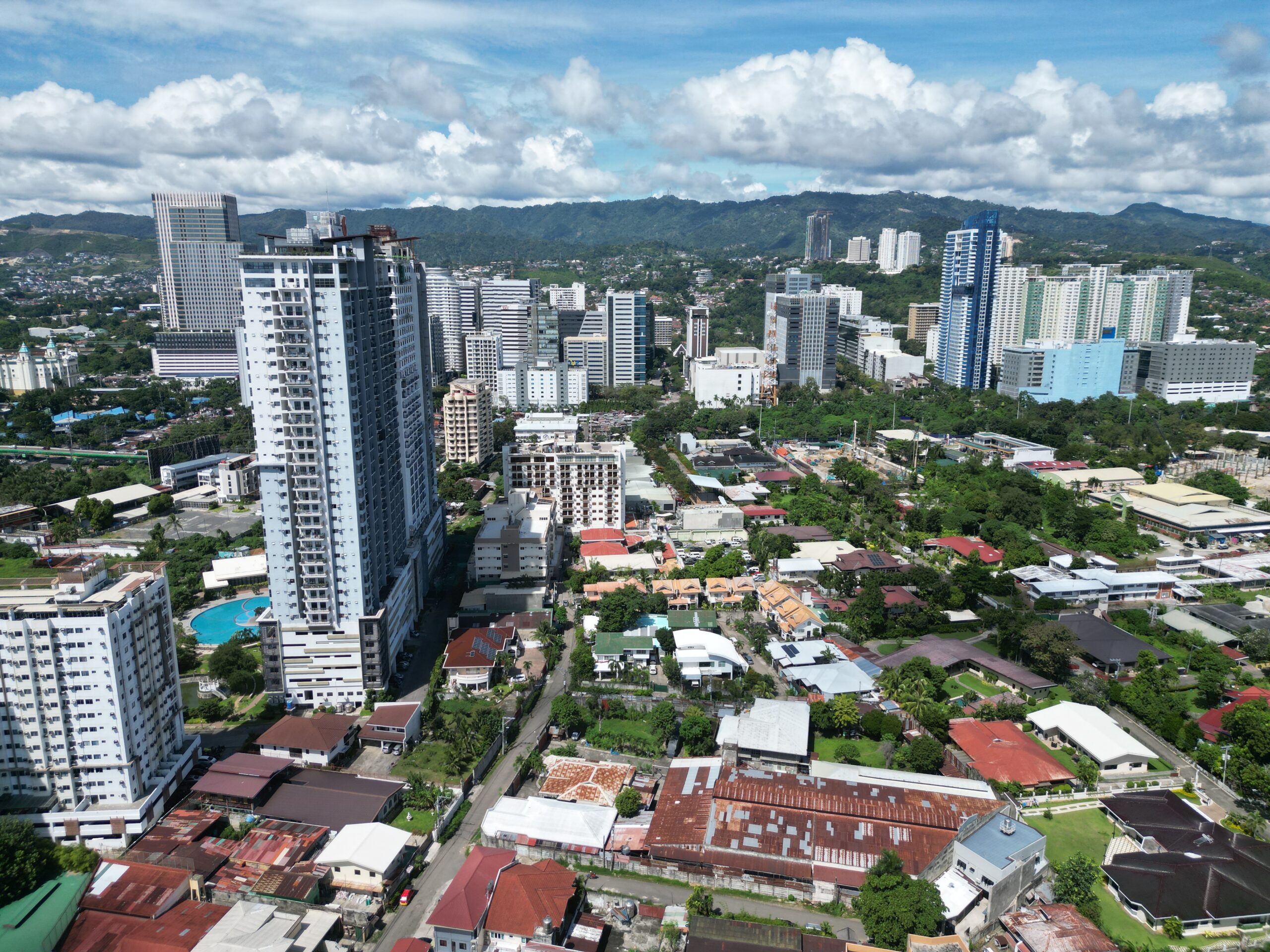
Most first-timers should compare IT Park and Lahug, Cebu Business Park and Ayala-adjacent areas, Banilad, Talamban, Mabolo, Capitol Site, and selected serviced pockets in or near Mandaue. IT Park and Lahug can be convenient for cafes, offices, restaurants, and furnished condos. Cebu Business Park can feel more familiar and mall-adjacent. Banilad and Talamban may work for people who want a more residential feel, but traffic and distance matter. Downtown and Colon have history and local life, but they are not the easiest first landing for most Americans.
Ask boring apartment questions before you pay: internet provider and backup option, mobile signal inside the unit, air conditioning cost, generator or power backup, water pressure, elevator reliability, flood or rain issues, street noise, security, pest control, laundry, grocery route, and how you will get home after dark. In Cebu, a good building in a practical pocket can make the city feel workable. A bad building can make even a cheap month feel expensive.
Healthcare and prescriptions
Healthcare is one of Cebu City’s stronger arguments. The city has private hospitals, clinics, dentists, pharmacies, labs, and English-speaking medical help in many settings. The U.S. Embassy in the Philippines maintains medical-assistance information, general U.S.-citizen services, and a U.S. Consular Agency in Cebu. Those are planning resources, not guarantees that the U.S. government pays bills or that every clinic will match U.S. expectations.
If you have a chronic condition, narrow medication, heart history, mobility issue, or specialist need, do the medical check before you decide Cebu is easy. Identify the hospital or clinic you would use, bring generic medication names, verify prescription availability, understand whether your insurance reimburses or pays directly, and know when Manila, Bangkok, Singapore, or returning home would be the safer backup. Cebu can be solid for routine and some private care, but complex planning still needs caution.
Healthcare planning shortcut: If Cebu is on the list because English and private care feel reassuring, the Medical Prep Abroad Kit is the worksheet version of the pre-trip health check: prescriptions, records, insurance questions, emergency contacts, and clinic backup.
Entry rules and extensions
For U.S. citizens, the Philippines is often easier to test than many countries because a short initial stay can be simple. The U.S. State Department Philippines country page and Philippine Bureau of Immigration resources should be checked close to travel, but BI’s current visa-waiver page describes non-visa-required tourists as initially admitted for 30 days and able to request an initial 29-day extension. BI’s FAQ says extension applications may be filed seven days before the temporary visitor visa expires.
That does not mean you should treat extensions casually. Rules, fees, forms, offices, and online options can change. If your plan depends on staying two, three, or six months, confirm the process with the Bureau of Immigration before booking nonrefundable housing. Cebu has BI services, but the practical question is still timing, paperwork, passport validity, onward travel expectations, and whether your stay plan matches the current rules.
Transport, traffic, and daily routine
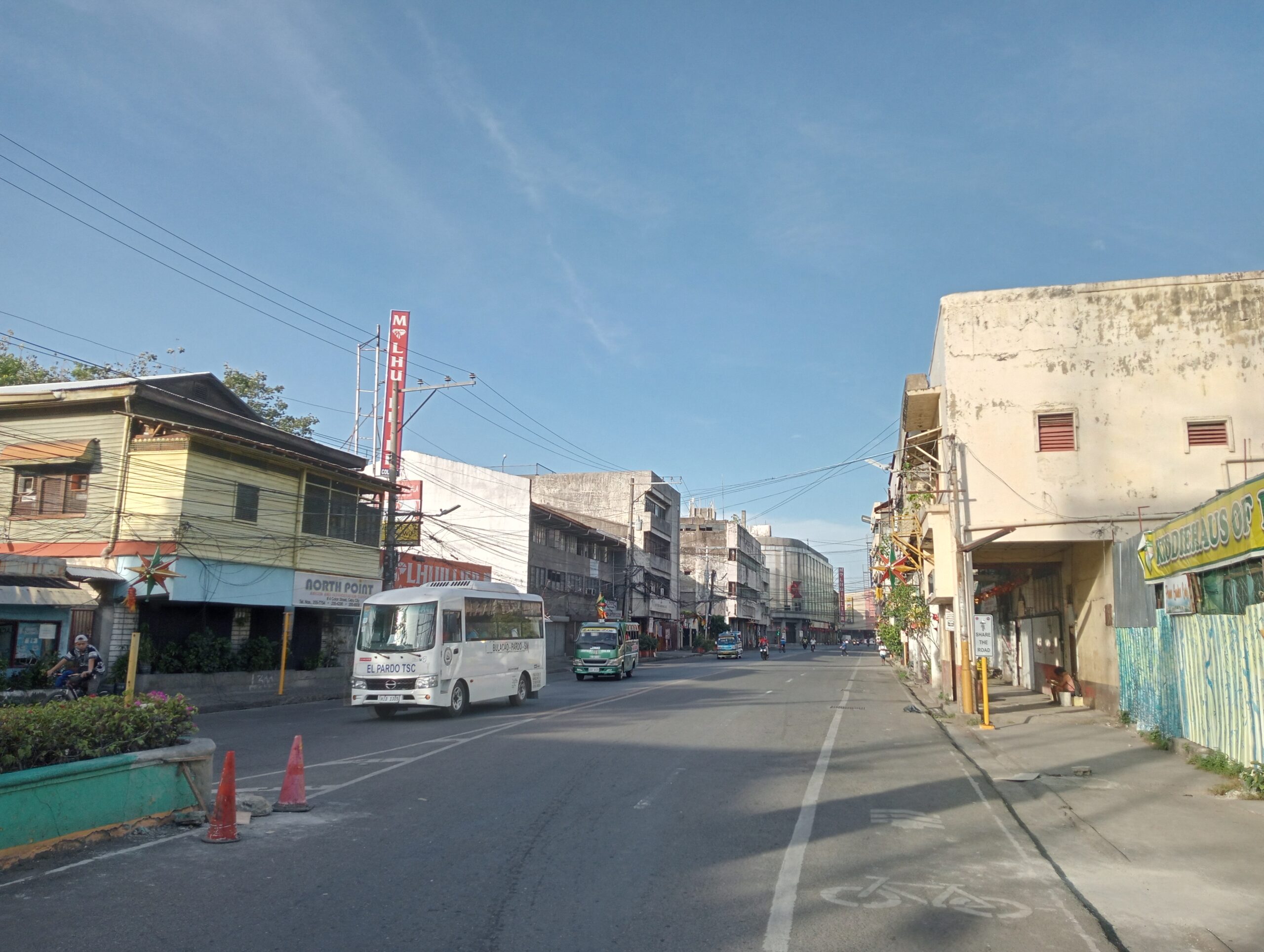
Cebu City is not a transit-first city. You may use taxis, Grab, jeepneys, buses, walking in small pockets, and occasional private transfers. The problem is not that movement is impossible. The problem is that traffic can eat your week if your apartment, clinic, grocery store, mall, gym, and social life are scattered across the metro area.
Before choosing a place, test your ordinary loop: grocery store, pharmacy, clinic, ATM, laundry, cafe or coworking spot, dentist, airport route, and one evening ride home. If you need beach access every week, price the time as well as the money. Mactan, island trips, and nearby beaches are part of Cebu’s appeal, but they are not the same thing as living on a quiet beach.
Safety and everyday comfort
The U.S. State Department currently advises increased caution in the Philippines because of crime, terrorism, civil unrest, and kidnapping, with stronger warnings for specific areas such as the Sulu Archipelago and Marawi City. Cebu City is not those places, but a Philippines plan should still separate ordinary city caution from regional travel risk. Check current advisories before side trips, especially into parts of Mindanao or more remote areas.
Inside Cebu, the more common first-stay issues are traffic, petty theft caution, late-night judgment, flooding or heavy rain, heat, air quality in busy corridors, uneven sidewalks, noisy streets, and apartment-quality surprises. Keep backup cards, document copies, phone recovery steps, clinic contacts, and a practical transport routine. Do not flash wealth, do not assume every street feels the same after dark, and do not let friendly English make you less careful with basics.
Money and documents backup: Before testing a city where phones, cards, taxis, and documents matter every day, build a simple money-and-documents backup system so a lost phone or card does not turn into a full crisis.
Who should avoid Cebu City
Skip Cebu City as a first base if you need peaceful walking, low traffic, cool weather, European-style public transit, or beach living outside your apartment. Also be cautious if humidity, heavy rain, street noise, or imperfect infrastructure would wear you down quickly. Cebu is easier in English, not automatically easy in every other way.
It may also be wrong if your only reason for choosing it is cost. Da Nang may offer a calmer coastal routine for some people. Kuala Lumpur may offer stronger transit and big-city infrastructure. Bangkok may offer deeper healthcare and services. Cebu should win because the English-friendly Philippines tradeoff fits your ordinary week.
Best way to test Cebu City
Book one month in a serviced area, not the cheapest apartment you can find. Spend the first week solving normal logistics: SIM, groceries, pharmacy, clinic research, laundry, rideshare routes, ATM routine, and building internet. Spend the second week repeating a normal day. Spend the third week testing alternate neighborhoods. By week four, compare Cebu against two other Southeast Asia options.
Those alternatives should include one Philippines non-city or beach option and one non-Philippines city. Cebu might beat Da Nang if English and healthcare access matter more than calm beach-city routines. It might lose to Kuala Lumpur if transit, building standards, and urban infrastructure matter more. It might beat Bangkok if you want a smaller metro feel and easier English, but lose if you need maximum specialist care.
Worksheet shortcut: If Cebu is one of several Southeast Asia bases on your shortlist, the Destination Shortlist Kit is the worksheet version of this decision. Use it to compare Cebu City against two or three alternatives before you commit a longer stay.
Bottom line
Cebu City is a serious candidate for Americans who want English-friendly Southeast Asia with urban services, private healthcare options, airport access, malls, pharmacies, furnished condos, and island trips within reach. It is weaker for people who need calm sidewalks, low traffic, cool weather, clean transit, or a beach-town pace.
If you can handle traffic, humidity, neighborhood dependence, apartment due diligence, and a realistic healthcare check, Cebu deserves a one-month test. If those are the exact things you are trying to escape, treat Cebu as a useful Philippines logistics hub and keep looking for a lower-friction first base.
If Cebu is on the shortlist because Southeast Asia feels affordable and practical, compare it with the Sanur, Bali guide. Cebu has easier English and stronger urban services, while Sanur may offer a gentler coastal routine with different visa, traffic, and healthcare tradeoffs.
Readers choosing between Southeast Asian city bases can compare Cebu City with this Chiang Mai city guide for air-quality timing, services, and ordinary daily routines.
Readers choosing an English-friendly Southeast Asian base can compare Cebu City with this Kuala Lumpur city guide for services, airport access, and ordinary routines.
Philippines long-stay logistics: What Americans Should Know Before Planning a 1- to 6-Month Stay in the Philippines
Choosing a Philippines base: City or Island? How to Choose a Philippines Base for a Longer Stay
Rainy-season base planning: Planning a Philippines Base During Rainy Season: What to Check Before You Book
Choosing a first neighborhood: How to Choose a Philippines Neighborhood for a Longer Stay
Backup planning for a longer stay: How to Set Up Power, Internet, and Money Backups for a Long Stay in the Philippines
Apartment setup for a longer stay: How to Rent an Apartment in the Philippines for a 1- to 6-Month Stay
Inter-island transfer planning: How to Plan Inter-Island Travel During a Longer Stay in the Philippines
First-week Philippines setup: How to Set Up Your First Week in the Philippines Without Turning It Into a Scramble
Mail and document continuity: How to Keep Mail, Documents, and Your Home Address From Becoming a Problem During a Longer Philippines Stay
Emergency-care planning: How to Build an Emergency Care Plan for a Longer Philippines Stay
Choosing a Philippines base: How to Choose a Philippines Base When Healthcare, Weather, and Travel Are Not Equal
References
- U.S. State Department: Philippines country information
- U.S. State Department: Philippines travel advisory
- Bureau of Immigration Philippines: Temporary Visitor Visa Waiver
- Bureau of Immigration Philippines: FAQs
- U.S. Embassy in the Philippines: U.S. citizen services
- U.S. Embassy in the Philippines: medical assistance
- U.S. Consular Agency in Cebu
- CDC Travelers’ Health: Philippines
- LivingCost: Cost of Living in Cebu
- Numbeo: Cost of Living in Cebu
- Expatistan: Cost of Living in Cebu City
- City Government of Cebu official website
For broader Philippines planning beyond Cebu, use the Philippines long-stay guide to compare city type, entry checks, healthcare preparation, and everyday backup planning.
For a higher-service Philippines metro comparison, the Manila, Makati, and BGC guide explains why exact district, building, traffic, and care-route checks matter before a longer stay.
Readers deciding between regional-city depth and a smaller base can compare Cebu with the Dumaguete guide before choosing an address.
Readers comparing regional-city service depth with a lower-intensity daily routine can use the Iloilo guide alongside Cebu.
If Cebu feels too warm or urban for your daily routine, compare its tradeoffs with our Baguio guide.
Readers comparing regional-city service depth and daily-routine tradeoffs can use the Davao guide alongside Cebu.
For a direct first-base comparison with two smaller Philippines alternatives, read Cebu vs. Dumaguete vs. Iloilo.
Philippines cost planning: What It Costs Americans to Live in the Philippines: Cebu, Manila, Dumaguete, and Iloilo Compared
For a cultural companion to this practical base guide, explore Cebu City through food and heritage. It covers museum and landmark context, food traditions, and the need to check current access.