
Merida is the Mexico city Americans often notice after they decide they want real services, lower friction than Mexico City, and a calmer Yucatan routine than a beach town. It has major-city shopping, private hospitals, universities, restaurants, historic neighborhoods, an international airport, access to Progreso and the Gulf coast, and enough expat infrastructure to make a first month feel manageable.
It also has one non-negotiable tradeoff: heat. Merida can be practical, attractive, and socially easy, but the climate, air-conditioning costs, housing quality, traffic habits, neighborhood distance, and medical planning decide whether it works after the first pretty Centro walk. This is not a mild-weather Mexico pick. It is a services-and-stability pick for people who can handle Yucatan weather.
Quick answer: Merida can make sense for Americans who want Yucatan services, private healthcare access, a slower big-city pace, a visible expat community, and easier daily routines than a megacity. It is a weak fit if you need cool weather, mountain air, strong public transit, beach-at-your-door living, or a fully walkable life without taxis or a car. For a solo test stay, plan roughly $1,600 to $3,400 a month depending on neighborhood, furnished rent, air conditioning, healthcare cushion, transport, and dining habits.
Who Merida is best for
Merida is best for Americans who want a practical Mexico city with services, healthcare, shopping, restaurants, cultural life, and a slower feel than the capital. It suits people who want routine more than nightlife, value the Yucatan’s relative stability, and like the idea of being near beaches and Mayan-region travel without living in a resort market.
It can be especially useful for retirement-minded readers who want hospitals, pharmacies, dentists, grocery options, and an established English-speaking support layer. Merida is not a tiny colonial town. It is a hot, spread-out regional capital where comfort often depends on choosing the right neighborhood and being honest about how you will move around.
Compare it in the dashboard: Merida is now linked in the City Fit Dashboard, where you can compare it against San Miguel de Allende, Playa del Carmen, Panama City, Boquete, Medellin, Cuenca, Da Nang, Cebu City, Sanur, and other first-base options by budget, healthcare comfort, airport access, walkability, internet, stay-rule friction, and daily-life ease.
Monthly budget reality
Merida can be cheaper than many U.S. cities and often cheaper than Mexico’s most expensive beach markets, but newcomers should not price it from old expat folklore. Numbeo and LivingCost both show a lower general cost base than the United States, while Numbeo’s Merida versus Playa del Carmen comparison helps explain why Merida is often a better value than a tourism-heavy coast. The real swings are furnished rent, air conditioning, location, healthcare, taxis or car costs, imported habits, and how much comfort you expect.
Use these first-pass planning bands:
- Lean solo test: about $1,300 to $1,800 a month if you choose modest furnished housing, cook often, avoid premium expat neighborhoods, limit taxis, and keep air-conditioning use disciplined.
- Comfortable solo stay: about $1,900 to $3,400 a month for a better apartment or small house, more cooling, private medical cushion, restaurants, taxis or car costs, and fewer housing compromises.
- Comfortable couple stay: about $3,000 to $5,200 a month if you want a larger furnished place, more climate control, stronger healthcare backup, a car or regular ride use, and a realistic buffer.
The Merida budgeting mistake is treating low local costs as if they automatically include the comfort level many Americans expect. A beautiful older house can be hot, noisy, damp, expensive to cool, or awkward for daily errands. Price the actual neighborhood and housing standard you would use, then add electricity, internet, mobile data, transport, healthcare, and a storm-season buffer.
Housing and neighborhoods
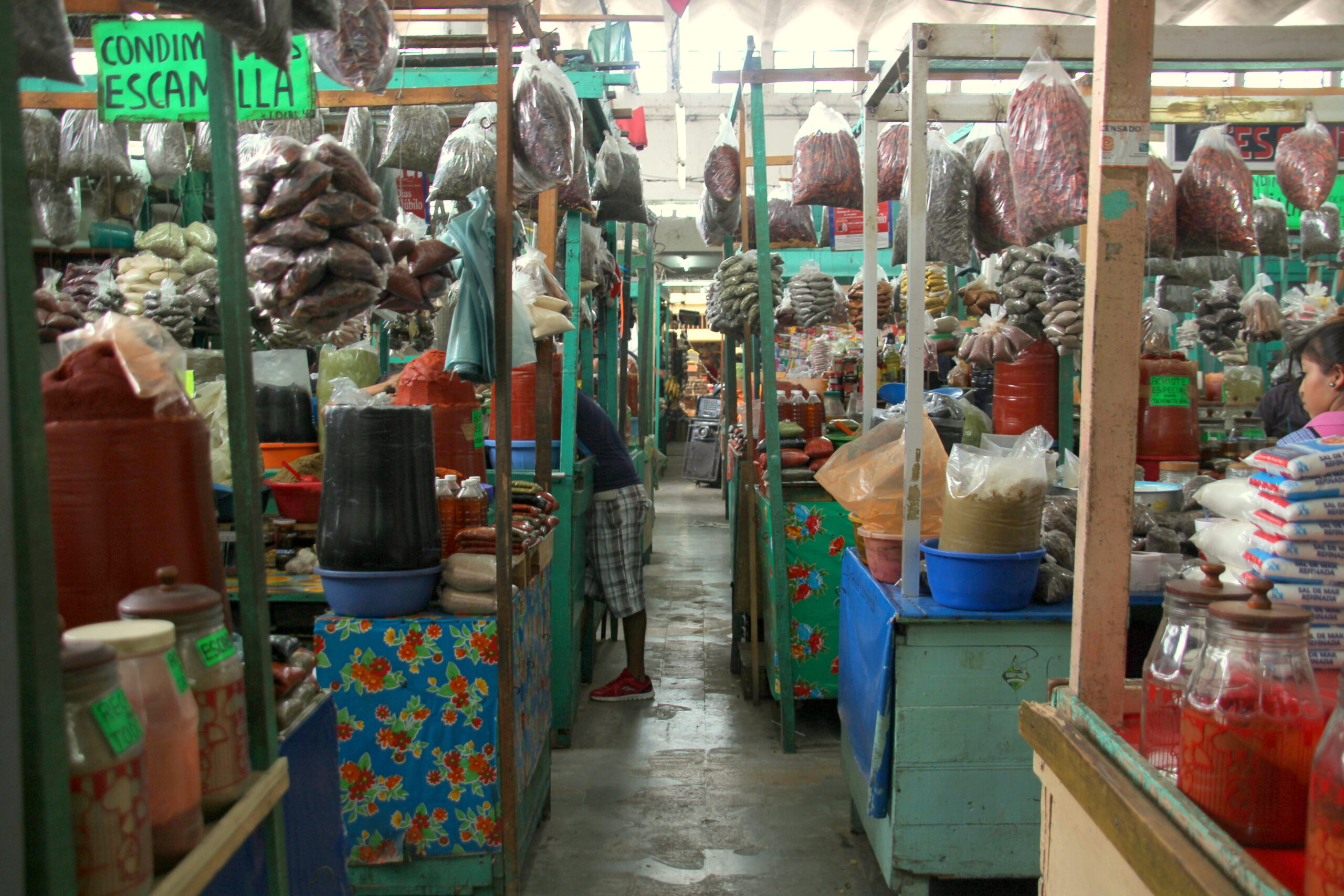
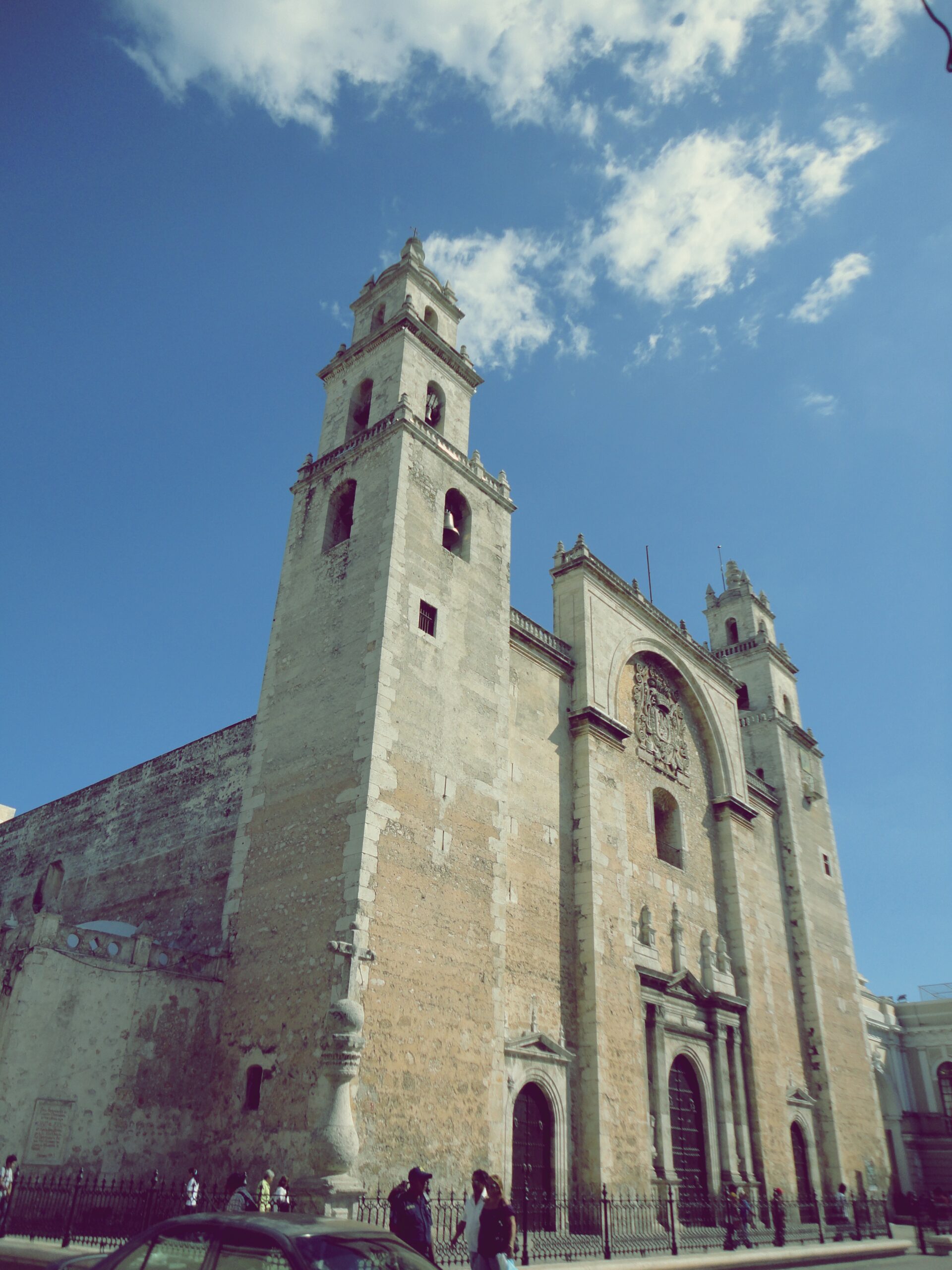
Most first-timers compare Centro, Santiago, Santa Ana, Garcia Gineres, Itzimna, Montejo, Altabrisa, Temozon Norte, and Cholul-style northern areas. Centro gives charm, restaurants, historic streets, and a stronger short-stay feel. The north can be easier for malls, private hospitals, newer housing, parking, and quieter routines. The tradeoff is that a northern lifestyle can become more car- or taxi-dependent.
For a one-month test, choose livability over romance. Ask about air conditioning in bedrooms and living areas, electricity costs, water pressure, shade, mosquitos, roof leaks, internet speed, construction noise, nearby road noise, laundry, grocery distance, and the route home after dark. In Merida, a house that photographs beautifully can still be the wrong everyday base if the cooling, street noise, or errand pattern is bad.
Heat, season, and daily comfort
Weather is the filter. WeatherSpark’s Merida climate page shows a hot season from early April to mid-June, with May averaging around 97 degrees Fahrenheit for daily highs, and even the cool season still averaging below only the upper 80s for highs. Other months can be humid, rainy, or storm-aware rather than genuinely cool. If you hate heat, Merida is not the clever Mexico workaround.
The best Merida test should include ordinary heat management: walking at different times of day, checking shaded routes, pricing electricity, seeing whether you sleep well with the cooling setup, testing taxis in rain, and noticing whether you avoid errands because the afternoon feels too hot. Some people adapt and love the city. Others spend the month moving between air-conditioned rooms.
Healthcare and prescriptions
Merida has a stronger healthcare base than many smaller Mexican towns, with private hospitals, clinics, dentists, pharmacies, and specialists. That is one reason it stays on retirement shortlists. Still, U.S. Embassy Mexico medical-assistance resources are planning references, not a payment promise, and private care quality and access vary by provider, specialty, language, insurance, and urgency.
If healthcare is a deciding factor, identify the hospital or clinic you would use before you rent. Bring generic medication names, confirm whether your prescriptions are available, understand cash-pay versus insurance reimbursement, and know what you would do for a high-stakes emergency. Merida can be a good healthcare-planning city by Mexico standards, but that does not mean every U.S. medical routine transfers cleanly.
Healthcare planning shortcut: If Merida is appealing because healthcare access matters, the Medical Prep Abroad Kit is the worksheet version of the pre-trip health check: prescriptions, records, insurance questions, emergency contacts, and clinic backup.
Stay rules and paperwork
Mexico often feels administratively easier than Schengen Europe, but visitors should not treat a long stay as automatic. Mexico’s official INM FMM page says the FMM has a maximum validity of 180 calendar days and is valid for one entry only. The word maximum matters. Immigration officers decide the period granted, and travelers should verify their authorized stay, keep records, and avoid assuming that every entry will receive the full 180 days.
If your plan depends on several months in Merida, check the current rule close to travel, understand whether you need temporary residency for a longer pattern, and do not work locally on visitor permission. Also keep passport copies, entry records, health documents, card backups, and phone recovery steps organized before arrival.
Transportation and ordinary errands
Merida is not Mexico City, and that is part of the appeal. It also means you should not assume public transit will carry your whole life. Some Centro routines can be walkable, especially around restaurants, plazas, cafes, and local shops. Many practical routines involve taxis, rideshare, buses, or a car, especially if you choose northern neighborhoods for hospitals, malls, quieter housing, or newer apartment stock.
Before choosing a base, test your ordinary loop: groceries, pharmacy, clinic, ATM, laundry, coffee, dinner, and the route home in heat or rain. If you plan to visit Progreso often, include that in your budget and schedule. Beach access is a Merida advantage, but it is not the same as living on the beach.
Safety and everyday comfort
The U.S. State Department’s Mexico advisory issued May 29, 2026 lists Mexico at Level 2 overall, while Yucatan state is listed with normal precautions. That is one reason Merida gets attention. Even so, normal precautions are still precautions: choose sensible housing, avoid casual phone and card habits, keep transport plans simple at night, monitor weather, and pay attention to local guidance during storms or heavy rain.
The more common Merida problems for newcomers are heat, driving or taxi dependence, construction noise, mosquitos, uneven sidewalks, utility surprises, pet and street noise, tourist-area pricing, and assuming Centro charm equals daily ease. None of that makes Merida bad. It just means the test stay should be practical.
Money and documents backup: Before testing Merida, build a simple money-and-documents backup system so cards, passport copies, phone recovery, medical notes, and emergency contacts are not scattered if a travel or clinic problem gets awkward.
Who should avoid Merida
Skip Merida as a first base if you need mild weather, mountain air, low humidity, strong public transit, or a beach routine outside your door. Also be cautious if you do not want to manage air-conditioning costs, taxis, car logistics, or neighborhood-by-neighborhood housing checks.
Merida may also be wrong if your Mexico dream is walkable colonial life in cool evenings. San Miguel de Allende, Queretaro, Puebla, Lake Chapala, or Oaxaca may fit that version better, each with its own tradeoffs. Merida should win because you want Yucatan services, space, airport access, healthcare options, and warm-weather routines, not because someone said it is the easiest Mexico answer.
Best way to test Merida
Book one month before you imagine a full season. Spend the first week solving SIM or eSIM, groceries, pharmacy, clinic backup, laundry, ATM, transport, and electricity questions. Spend the second week repeating normal weekdays. Spend the third week testing Centro versus northern neighborhoods. By week four, compare Merida against at least two other Mexico bases.
Those alternatives should include one milder inland city and one coastal or lake-area option. Merida is strongest when the practical city services outweigh the heat. If every useful errand depends on avoiding the afternoon, the city may be a better winter visit than a year-round base.
Worksheet shortcut: If Merida is one of several Mexico bases on your shortlist, the Destination Shortlist Kit is the worksheet version of this decision. Use it to compare Merida against two or three alternatives before you commit a longer stay.
Bottom line
Merida is a strong first test base for Americans who want Yucatan services, healthcare access, a calmer regional-capital feel, solid shopping, an airport, and a visible expat support layer without Mexico City scale. It is weaker for people who need mild weather, strong transit, effortless walkability, or beach life at the front door.
If you can handle heat, price the real cost of cooling and transport, choose housing carefully, and verify your healthcare and immigration assumptions, Merida deserves a serious one-month test. If heat is already the dealbreaker, accept that early and look at Mexico bases where the climate supports the life you actually want.
References
- U.S. State Department: Mexico travel advisory and country information
- U.S. Embassy and Consulates in Mexico: U.S. citizen services
- U.S. Embassy and Consulates in Mexico: medical assistance
- Instituto Nacional de Migracion: Multiple Immigration Form FMM
- CDC Travelers’ Health: Mexico
- Numbeo: Cost of Living in Merida
- Numbeo: Merida vs Playa del Carmen cost comparison
- LivingCost: Cost of Living in Merida
- WeatherSpark: Merida climate and average weather
- Mexperience: changes to time allowed in Mexico using a visitor permit