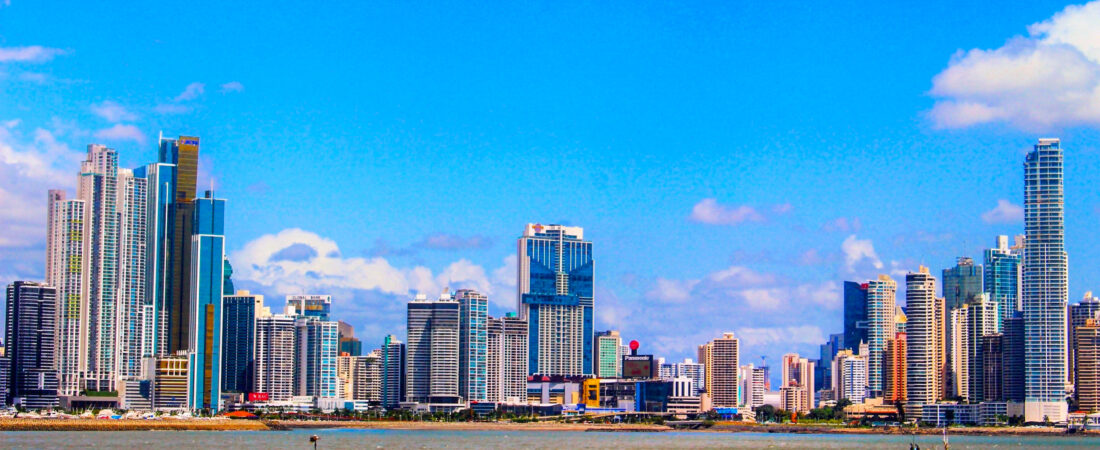
Panama City is the Panama base Americans should consider when logistics matter more than a sleepy retirement pace. It has the country’s deepest concentration of flights, private hospitals, banks, malls, supermarkets, apartments, restaurants, offices, and international services. If you want Panama with fewer small-town tradeoffs, the capital is usually where the practical pieces are easiest to find.
That does not make it the easiest place emotionally. Panama City is humid, busy, traffic-heavy, more expensive than many smaller Panama towns, and not always charming in the way retirement articles promise. The city works best for Americans who want systems: airport access, doctors, pharmacies, banking, delivery, modern apartments, and enough urban infrastructure to solve problems quickly.
Quick answer: Panama City can make sense for Americans who want big-city services, strong airport access, private healthcare options, banking convenience, modern apartment inventory, and easier first-week logistics abroad. It is a weak fit if you want a cool mountain climate, quiet village pace, beach life outside your door, or errands without traffic. For a solo test stay, plan roughly $1,900 to $3,800 a month depending on neighborhood, furnished rent, healthcare cushion, transport, building standard, and how much U.S.-style convenience you keep.
Who Panama City is best for
Panama City is best for Americans who want a practical first base with fewer unknowns. You want a major international airport, private hospitals, specialists, pharmacies, banks, grocery delivery, malls, coworking, ride apps, and enough apartment supply to compare different comfort levels. You may not love the traffic, but you value being able to solve problems.
It can be especially useful for retirement-minded readers who are not ready to give up city services. Boquete may feel calmer. Coronado may feel more beach-oriented. David may be cheaper and more local. But if your first priority is access, Panama City is usually the country’s main services hub.
Compare it in the dashboard: Panama City is now linked in the City Fit Dashboard, where you can compare it against Boquete, Merida, Medellin, Cuenca, San Miguel de Allende, Playa del Carmen, Cebu City, Da Nang, Sanur, and other first-base options by budget, healthcare comfort, airport access, walkability, internet, stay-rule friction, and daily-life ease.
Monthly budget reality
Panama City is not a lowest-cost Panama pick. Numbeo’s July 2026 Panama City page estimates single-person monthly costs before rent around $830, while its Panama country page estimates single-person costs before rent around $782. Those figures help with general orientation, but they do not tell you what a newcomer-friendly furnished apartment in El Cangrejo, San Francisco, Bella Vista, Punta Pacifica, Costa del Este, or Obarrio will cost.
Use these first-pass planning bands:
- Lean solo test: about $1,700 to $2,300 a month if you choose modest furnished housing, cook often, limit taxis, avoid luxury towers, and keep entertainment controlled.
- Comfortable solo stay: about $2,400 to $3,800 a month for a better apartment, more rideshares, restaurants, healthcare cushion, gym or coworking, and fewer location compromises.
- Comfortable couple stay: about $3,600 to $5,800 a month if you want a stronger building, more space, private-care planning, regular taxis, and a realistic buffer.
The main cost trap is assuming Panama City prices like a small Latin American town while living in an international apartment zone. Rent, air conditioning, building quality, parking, transport, imported groceries, and healthcare planning can move the budget quickly. Price the apartment and neighborhood you would actually book, then add the cost of convenience.
Neighborhoods and housing
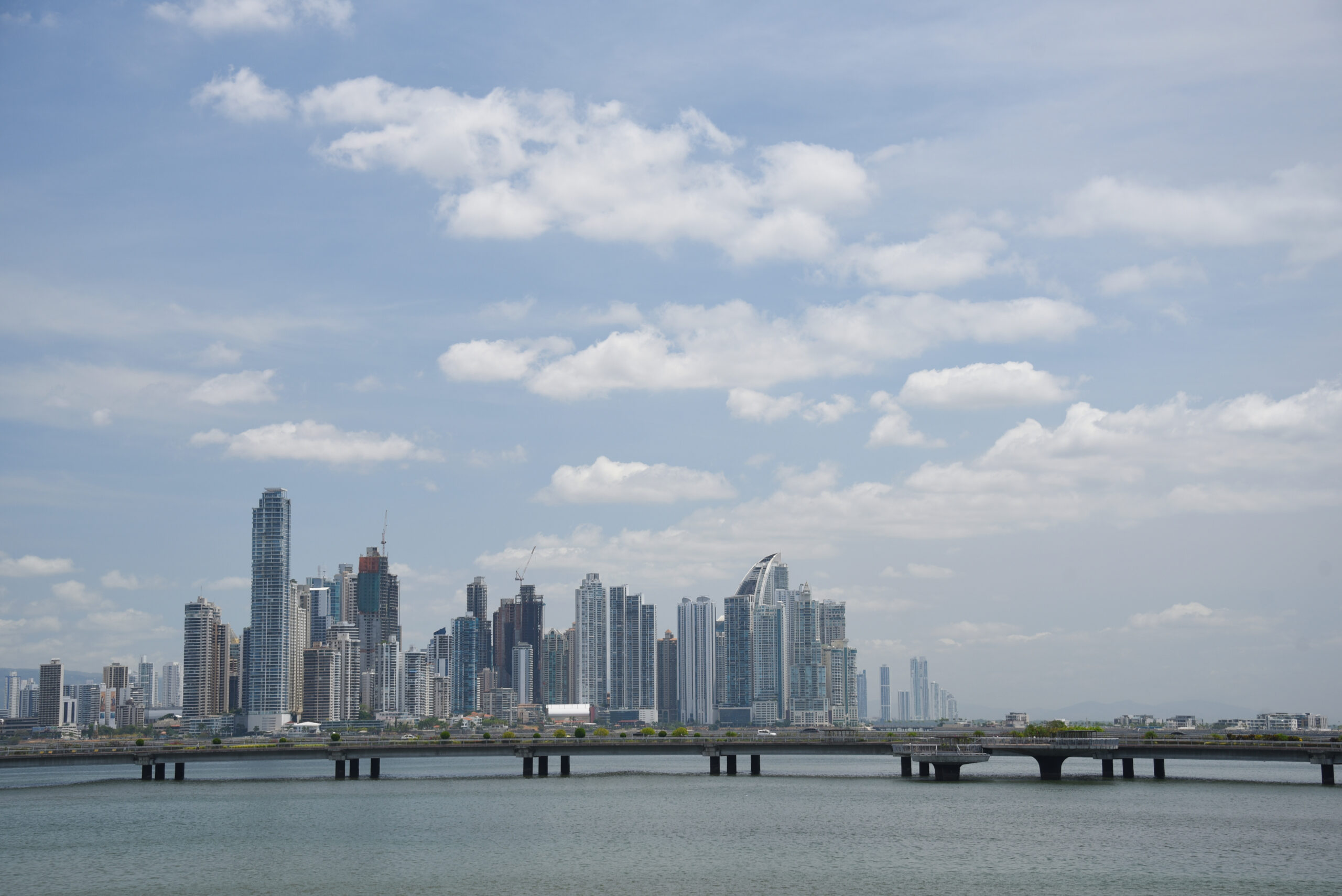
Most first-timers should compare El Cangrejo, Obarrio, Bella Vista, San Francisco, Punta Pacifica, Costa del Este, and Casco Viejo before committing. El Cangrejo and Obarrio can be practical for restaurants, transit, errands, and a more central routine. San Francisco and Punta Pacifica can feel more modern and serviced. Costa del Este may appeal to people who want newer buildings and a planned feel, but it can be less casual for central-city wandering. Casco Viejo is atmospheric, but it is not automatically the easiest everyday base.
Ask boring questions before booking: generator backup, water pressure, elevator reliability, air-conditioning costs, noise, internet provider, laundry, building security, grocery distance, parking, and whether taxis or ride apps are easy at the times you actually go out. A good Panama City apartment is often less about the view and more about the building functioning well in heat, rain, and traffic.
Healthcare and prescriptions
Healthcare is one of Panama City’s strongest practical arguments. The U.S. Embassy’s medical-assistance resources list multiple Panama City hospitals and medical contacts, and the capital has far more private healthcare depth than smaller Panama bases. That matters if you have prescriptions, specialist needs, dental work, or a lower tolerance for improvising healthcare in a new country.
Still, do not treat access as a plan by itself. Identify the hospital or clinic you would use, bring generic medication names, check whether your prescriptions are available, understand cash-pay versus insurance reimbursement, and know what you would do for a serious emergency. Panama City can be a strong healthcare base, but your exact insurance, condition, language needs, and budget still matter.
Healthcare planning shortcut: If Panama City is appealing because medical access matters, the Medical Prep Abroad Kit is the worksheet version of the pre-trip health check: prescriptions, records, insurance questions, emergency contacts, and clinic backup.
Stay rules and paperwork
Panama often feels administratively easier than Schengen Europe for a first test stay. The Embassy of Panama in the United States says Resolution 22706 establishes that citizens of the United States and Canada may stay up to 180 days as tourists. Treat that as a current planning source, not permission to stop checking. Entry rules, airline documentation, proof of onward travel, passport validity, and residency paths should be verified close to departure.
If you are testing Panama City for more than a simple month, keep copies of passport pages, entry records, prescriptions, insurance documents, bank contacts, and phone recovery steps. Do not rely on forum memory for immigration or residency decisions. Check current official guidance and get qualified help before building a long-term plan.
Transport, traffic, and daily errands
Panama City has more infrastructure than many first-base options in the region, including a metro, buses, taxis, ride apps, and major roads. The practical question is not whether transport exists. It is whether your week works without frustration. Traffic can change the feel of ordinary errands, and a badly chosen apartment can make clinics, groceries, banks, restaurants, and social plans feel farther away than the map suggests.
Before signing up for a longer stay, test your normal loop: grocery run, pharmacy, clinic, ATM, laundry, coffee, dinner, airport trip, and a rainy-day ride home. Panama City rewards people who design life around a practical radius. It punishes people who assume a skyline and a few nice restaurants mean the whole city will feel easy.
Safety and everyday comfort
The U.S. State Department currently lists Panama as Level 2, exercise increased caution, due to crime and potential civil unrest. It also says not to travel to parts of the Mosquito Gulf and parts of the Darien Region. Canada and Australia give similar practical warnings around Darien, transport caution, belongings, and high-crime areas. For Panama City, the useful takeaway is not panic. It is routine discipline.
Choose a sensible building and neighborhood, use reputable transport, avoid careless ATM habits, keep phone and jewelry behavior modest, and learn which areas locals avoid at night. Panama City can be very workable for Americans who use ordinary big-city judgment. It is less suited to people who want to stop thinking about safety routines altogether.
Money and documents backup: Before testing Panama City, build a simple money-and-documents backup system so cards, passport copies, phone recovery, medical notes, and emergency contacts are not scattered if a banking, clinic, or travel issue gets awkward.
Who should avoid Panama City
Skip Panama City as a first base if your dream is cool mountain weather, very quiet evenings, low-cost small-town life, or walking everywhere without traffic. Also be cautious if you dislike towers, humidity, urban noise, or the feeling that errands require planning.
Panama City may also be wrong if you are trying to test whether Panama feels relaxing. Boquete, Coronado, Pedasi, or other smaller bases may answer that emotional question better. The capital should win because you want services and logistics, not because someone told you Panama is automatically easy.
Best way to test Panama City
Book one month in a practical neighborhood, then treat the stay like a systems test. Spend the first week solving phone service, groceries, bank access, pharmacy, clinic backup, laundry, and transport. Spend the second week repeating weekdays. Spend the third week comparing two or three neighborhoods. By week four, ask whether the city made life easier or simply kept you busy.
Compare Panama City against Boquete if you want cooler weather and a slower pace, against David if you want a more local city at lower cost, and against Merida or Medellin if you want a different kind of urban base. Panama City is not the prettiest answer for everyone, but it may be the most functional answer for people who need the capital’s depth.
Worksheet shortcut: If Panama City is one of several practical first bases on your shortlist, the Destination Shortlist Kit is the worksheet version of this decision. Use it to compare Panama City against two or three alternatives before you commit a longer stay.
Bottom line
Panama City is a strong test base for Americans who want services, airport access, private healthcare options, banking, apartment supply, delivery, and big-city convenience abroad. It is weaker for people who want quiet, cool weather, low-friction walking, or the slower emotional pace often attached to retirement-abroad marketing.
If you choose the right neighborhood, budget for real furnished housing, plan healthcare and documents before arrival, and accept traffic as part of the deal, Panama City deserves a serious one-month test. If what you really want is calm, start with a smaller Panama base and treat the capital as the place you use for flights, specialists, and logistics.
If Panama City feels too busy but Panama still appeals, compare the capital with Boquete as the cooler mountain alternative. The tradeoff is calmer weather and pace versus fewer big-city services.
Staying longer in Panama City: Pair the practical services guide with this guide to building a repeatable week around food, culture, transit, and outdoor time.
References
- U.S. State Department: Panama Travel Advisory
- U.S. State Department: Panama country information
- Embassy of Panama: visas and tourist stay guidance
- U.S. Embassy in Panama: medical assistance
- CDC Travelers’ Health: Panama
- Numbeo: Cost of Living in Panama City
- Numbeo: Cost of Living in Panama
- LivingCost: Cost of Living in Panama City
- Government of Canada: Panama travel advice
- Australia Smartraveller: Panama travel advice