
Malaga is one of Spain’s most tempting answers for Americans who picture a warm coastal base with a real city behind it. It has a major airport, trains, hospitals, neighborhoods that function year-round, a walkable center, beaches, and access to the wider Costa del Sol. It is more than a resort town. That is exactly why it can work well for a first long stay.
It is also one of the easier places to romanticize. Malaga can feel sunny and straightforward on a short visit while the longer-stay questions—furnished-rental availability, summer pricing, apartment noise, heat, bureaucracy, and Schengen timing—stay hidden. This guide is for readers who want the upside without pretending a Mediterranean city is automatically a cheap or friction-free retirement plan.
Quick answer: Malaga is a strong fit for Americans who want warm southern Spain, a serious airport, city healthcare and services, beach access, and a walkable urban routine—while accepting higher and more seasonal housing costs than many Spain alternatives. A solo test stay often needs roughly $2,300 to $3,200 a month once furnished rent, utilities, food, local transport, insurance, and a realistic buffer are included. It is a weak fit if you need bargain rent, dislike tourism pressure, or want to stay beyond the Schengen allowance without a verified visa or residency plan.
Who Malaga is best for
Malaga fits people who value practical density. You can get from an international flight to a real neighborhood without building your entire life around a car. There are supermarkets, pharmacies, clinics, trains, buses, restaurants, ordinary errands, and enough variety that a rainy Tuesday does not feel like you are trapped in a vacation strip. It is particularly sensible for a cautious one- to three-month test: you can test Spain while keeping airport access and healthcare backup close.
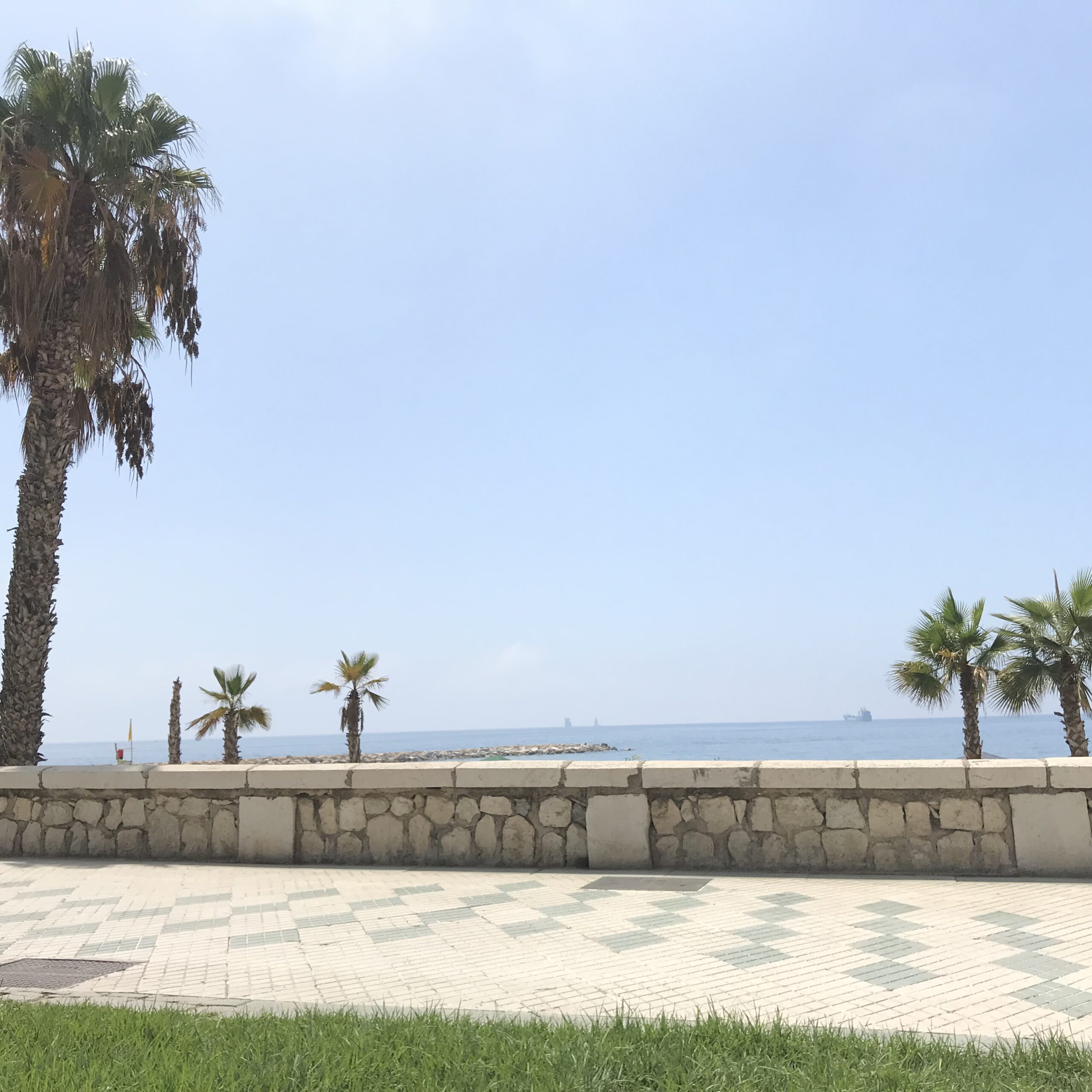
It is less compelling for the reader looking for Spain’s lowest-cost coast. Malaga’s name recognition is part of the housing problem. A furnished apartment near the center, waterfront, or the most visitor-friendly districts can be priced for tourism or short-term demand. The city has local life, but you need to choose where you will actually live rather than choosing from the beach photos.
Compare it in the dashboard: Malaga is now one of the Spain options in the City Fit Dashboard. Use it beside Valencia, Alicante, Lisbon, Porto, and other city bases to weigh budget, airport access, healthcare comfort, housing practicality, and day-to-day friction instead of ranking places by climate alone.
Budget and rent: treat the range as a planning tool, not a promise
For a single American, a useful first-pass range is about $2,300 to $3,200 per month. A leaner stay can happen with an unfussy room or well-timed rental, cooking, and careful neighborhood selection. A comfortable solo routine can run higher quickly if you expect a polished furnished apartment, central location, regular restaurants, private insurance, air conditioning, and frequent trips. Couples should plan more rather than assuming they can simply split one cheap apartment.
- Lean test stay: roughly $2,000 to $2,500, usually requiring flexible timing and modest housing.
- Comfortable solo stay: roughly $2,600 to $3,400, allowing stronger rental choices and a healthcare/arrival cushion.
- Comfortable couple stay: roughly $3,400 to $4,800 or more, depending heavily on the apartment and season.
Those are planning bands, not advertised rents. Check several dates, read whether utilities and internet are included, ask about deposits and minimum stays, and price the route from the apartment to groceries, a pharmacy, transit, and the train station. Numbeo can give a current directional snapshot, but it cannot tell you whether a particular furnished listing will feel quiet, legal, comfortable, or livable in August.

Neighborhood choice changes the experience
Do not make the historic center your only search area just because it is where you enjoyed coffee. It can be lively and convenient, but it can also bring late noise, visitors, limited parking, and a short-stay feel. Areas such as Soho, Huelin, La Malagueta, El Palo, Teatinos, and neighborhoods farther from the core can offer very different balances of beach, local routine, transit, university energy, space, and rent. The right answer is personal, which is why a test stay should include day and night walks.
Ask direct questions: Is the bedroom insulated from street noise? Is there reliable air conditioning or heating? Are there stairs or an elevator? What does the apartment feel like when beaches and bars are busy? Can you get groceries without a car? Is the listing truly available for your full dates? A rental that looks inexpensive can cost more in taxis, uncomfortable heat, noise, or time.
Healthcare, prescriptions, and insurance
Malaga’s advantage over a smaller beach town is depth: it is a substantial city with public and private healthcare infrastructure. That does not mean a visitor should assume coverage or access. Spain’s public system is respected, but eligibility depends on your status; visitors and new arrivals should verify insurance, payment, and provider choices before they need care. Bring a concise medical summary, generic drug names, a current prescription supply where lawful, and a plan for a refill problem.
If medical planning is a major part of your destination choice, use the Medical Prep Abroad Kit as a worksheet for records, medications, insurance questions, and an emergency plan. The boring detail matters: know a nearby pharmacy, a clinic option, your insurer’s process, and when you would use urgent care or emergency services.
Airport, transit, and the value of a real city base
Malaga-Costa del Sol Airport is a genuine practical advantage. It makes arrivals, departures, visiting family, and connections less exhausting than living in a smaller inland town. The airport rail connection and local transit make it possible to test the city without immediately renting a car. Within Malaga, walking and buses can cover much of daily life if you choose the right neighborhood, though hills, heat, mobility needs, and a specific rental address still matter.
That city convenience is why Malaga can suit someone who wants southern Spain without signing up for the scale and price pressure of Madrid or Barcelona. The tradeoff is that it is not a secret. Expect busy corridors and seasonal crowding, especially close to the center and waterfront.
Stay rules: do the date math before booking
For many Americans, Spain is inside the Schengen 90-days-in-any-180-days allowance. That is not the same thing as a long-stay visa, and it is not an invitation to count loosely. Prior Schengen days in other countries count. Rules, documentation, passport validity, and border practice can change, so verify your exact situation with official Spanish and U.S. sources before buying a nonrefundable rental or planning an extension. If you want a longer base, start the visa/residency research early rather than treating it as an after-arrival task.
Safety and everyday comfort
Malaga is generally a comfortable city for normal daily routines, but ordinary travel discipline still matters. Keep phones and bags secure in crowded visitor areas, use official transport, carry more than one payment method, and do not choose a neighborhood from one daytime walk. Heat is also a comfort and health issue. A warm-climate dream can become a poor fit if the apartment holds heat, the walk to transit is exposed, or you need frequent errands during the hottest part of the day.
What to test before calling Malaga your base
A practical test stay is not a hotel stay with a few apartment viewings added. Book enough time to do the boring things at the pace you would actually use: buy a week of groceries, find a pharmacy, ride the bus at the time you would need it, carry a bag home from the market, walk the route after dark, and spend an afternoon indoors without restaurant air conditioning. If your plan includes remote work, test the connection at the rental and ask about outages before treating a listing’s Wi-Fi claim as settled.
Test the rental calendar as well as the street. A landlord may have a nice unit for your first month but higher rates or no availability in the next season. Ask whether the property is licensed and what the full stay will cost after cleaning, utilities, deposit, and any platform fee. It is reasonable to prefer a slightly less photogenic location if it means a quieter bedroom, a reliable supermarket, and a simple trip to a doctor or train station.
Language also deserves an honest trial. Malaga is used to visitors, and English may get you through many transactions, but it is not a substitute for basic Spanish in clinics, leases, delivery issues, public offices, and neighbor relationships. A few useful phrases, translated medical details, and the willingness to slow down will make the city feel much less friction-heavy than assuming every important interaction will be in English.
Climate, seasonality, and the social tradeoff
Sun is the main draw, but it is not a year-round personality test. Summer heat, packed beaches, holiday traffic, and late-night noise can change the way a neighborhood feels. Winter can be pleasant compared with much of northern Europe, yet it is still useful to see the city outside peak season if you are considering a longer move. The best Malaga routine often belongs to someone who enjoys city life and can tolerate the seasonal pulse, not someone expecting a permanently quiet beach town.
That is why Malaga’s tourism pressure is both a benefit and a cost. It supports flights, restaurants, services, and international familiarity. It can also raise furnished-rental expectations and make the most obvious districts feel performative. A good choice is usually not “tourist Malaga” versus “local Malaga”; it is a neighborhood where your budget, mobility, tolerance for noise, and preferred daily rhythm line up.
Who should choose another Spain base
Look harder at Alicante, Valencia, smaller Andalusian cities, or an inland option if your budget depends on low rent, you dislike tourism, you need cool summers, or you want a quieter local rhythm. Malaga is not the universal best Spanish city. It is the best match when its combination of coast, airport, city services, and southern climate matters enough to justify rental diligence and a larger buffer.
Before you commit, compare Malaga with the Valencia, Alicante, and Malaga comparison, then narrow the practical choices with the Destination Shortlist Kit. A month on the ground that includes ordinary errands is more useful than six months of scrolling listings.