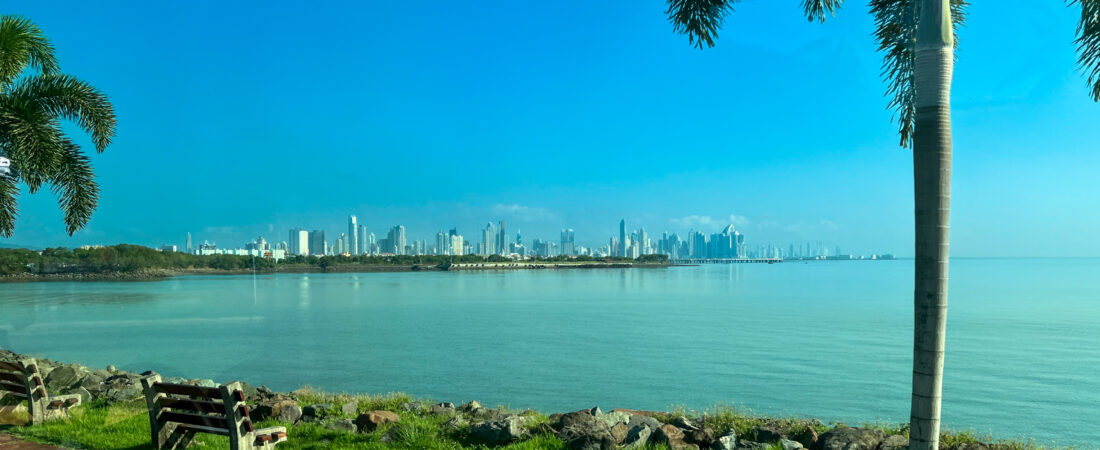
Quick answer: For many Americans, David is the most believable lower-cost practical fit, Panama City is the strongest choice if you want the easiest healthcare and infrastructure setup and can carry the higher monthly cost, and Boquete makes the most sense if cooler weather and a quieter retirement rhythm matter enough that you are willing to pay for that comfort and accept a smaller-town setup.
Panama gets talked about as if it were one easy answer. It is not. Americans hear that it is relatively accessible, uses the U.S. dollar, and has a strong retirement reputation, then assume the whole country sits in one comfortable middle ground. In real life, the city you choose changes almost everything that matters: your housing pressure, your climate tolerance, your healthcare comfort, and whether daily life feels easy, polished, sleepy, or quietly frustrating.
That is especially true for retirement-minded readers and for anyone trying to make Panama work without turning the plan into a financial stretch. Panama City, Boquete, and David are not three versions of the same lifestyle. Panama City is the service-heavy answer. Boquete is the cooler, greener mountain-town answer that gets romanticized fast. David is the more ordinary working-city answer that often makes more sense than people expect.
If you are trying to decide where Panama might work for you, the honest question is not which place sounds nicest in a relocation video. It is which place fits your budget, your weather tolerance, your comfort level with healthcare access, and the kind of routine you actually want to live with month after month.
If you need the broader country-level frame first, read Panama for Easier Transition Abroad and Practical Retirement Living. If your bigger concern is day-to-day setup after you choose a base, pair this with How to Build a Reliable Internet Plan for Long-Stay Travel, because Panama can still punish lazy housing and connectivity assumptions.

The short version: who each city fits best
- Choose Panama City if you want the broadest services, the best private-healthcare access, the easiest everyday problem-solving, and the least friction settling in.
- Choose Boquete if climate comfort, slower pace, and a retirement-friendly feel matter more to you than big-city convenience.
- Choose David if your top priority is keeping Panama more financially believable while still living in a real regional city with practical everyday infrastructure.
That is the map. Panama City is the convenience choice. Boquete is the climate-and-calm choice. David is the practicality choice. The right answer depends on what you are trying hardest to protect: service depth, a quieter lifestyle, or monthly breathing room.
Rent and housing reality by city
Housing is where this comparison usually gets real. Panama City is the place where a nicer furnished apartment, a more central neighborhood, and air-conditioned convenience can push the monthly plan up fast. It is the easiest city here to overspend in because the housing stock that feels most familiar to Americans is also the stock that absorbs the biggest premium.
Boquete is different, but not automatically cheap. The town is smaller, the climate is easier, and the retiree appeal is part of why some rentals can price above what budget-minded readers expect. If you want a simple local setup and can live with less polish, the numbers may still work. If you want a more curated rental in the parts of town that feel easiest to settle into, Boquete can stop looking like a bargain faster than the marketing suggests.
David is usually the easiest of the three to make work on housing cost alone. The city is less romanticized, less driven by expat-image demand, and more ordinary in the kinds of rentals and neighborhoods you are comparing. That does not make every apartment a good fit, but it usually gives practical readers more room to control rent without feeling like they are paying extra for scenery or retirement branding.
- Panama City: highest housing pressure, especially if you want central convenience and a more polished apartment
- Boquete: easier climate, but rents can stay surprisingly firm where expat demand is concentrated
- David: usually the easiest place here to keep rent more believable if function matters more than atmosphere
Panama City: best if you want the easiest landing and the strongest service cushion
Panama City is the easiest place in this comparison to recommend to Americans who want the least friction. It has the broadest healthcare network, the deepest service economy, the most international familiarity, and the most options when something goes wrong or simply gets inconvenient. If your priority is not having to think too hard about where to find care, solve errands, arrange transportation, or plug into a more modern urban routine, Panama City has the strongest case.
The downside is that Panama City is also where Panama stops feeling casually affordable. It can still be a better value than many U.S. cities, but it is not the right mental picture if your plan depends on everything being cheap just because you crossed a border. Readers who want polished neighborhoods, stronger private hospitals, air-conditioned convenience, and a more international lifestyle should assume they are paying for that. In practice, a moderate urban lifestyle here often lands closer to US $2,000 to $3,200 a month, depending heavily on rent and how much convenience you insist on buying.
That does not make Panama City a bad value. For some readers, it is the smartest value because it reduces stress. If you have ongoing healthcare concerns, want easier transportation and services, or simply know you do better in a place where modern systems are more visible and routine, Panama City can justify its cost better than a cheaper but less comfortable base. It becomes the wrong fit when affordability is your main reason for considering Panama and you expect the capital to deliver that without compromise.
- Best for: readers who want strong healthcare access, easier everyday infrastructure, and the smoothest first landing
- Probably avoid if: your monthly plan only works when rent stays controlled, or if you are looking to Panama mainly as a lower-cost answer
Boquete: best if climate comfort and a quieter retirement feel matter most
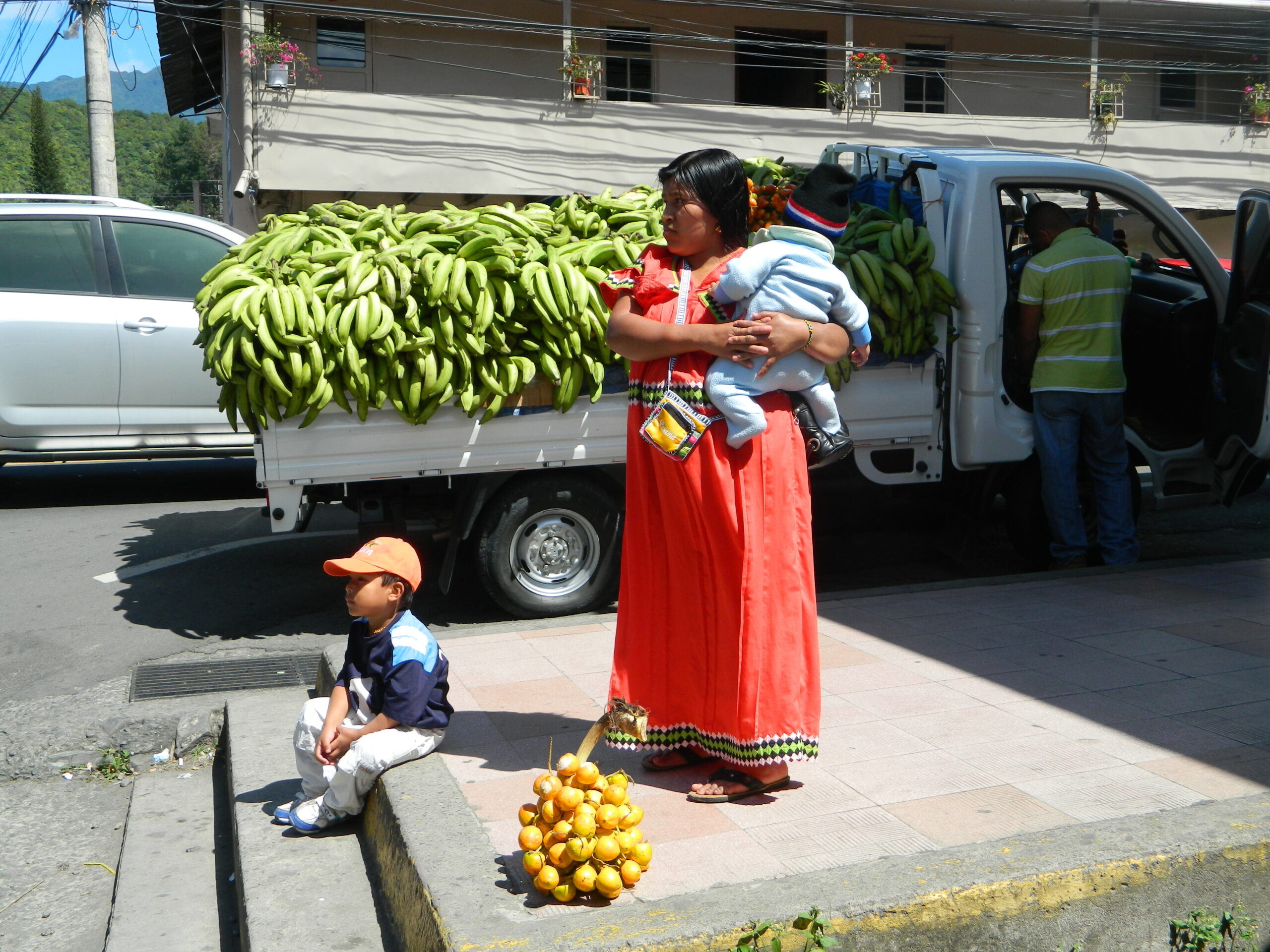
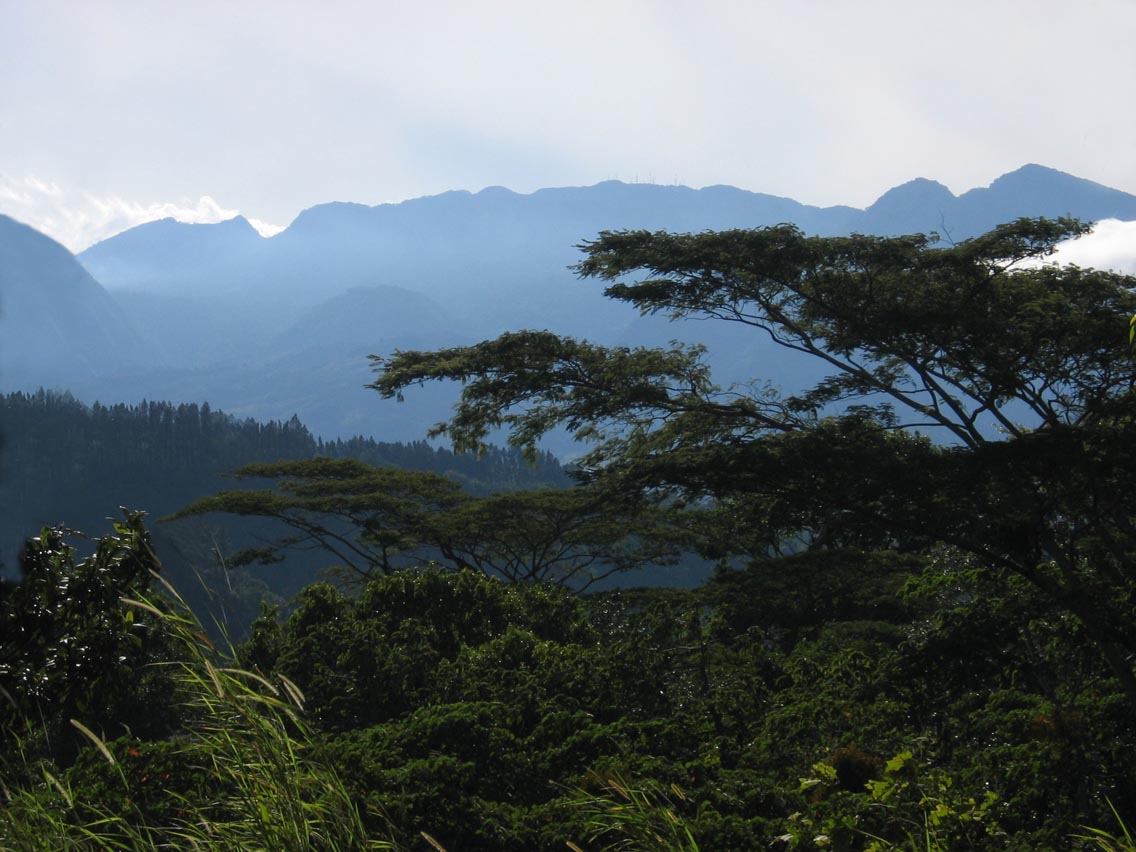
Boquete is the place in Panama that retirement-minded Americans often lock onto first, and the appeal is easy to understand. It offers a cooler mountain climate than the lowlands, greener surroundings, and a calmer day-to-day feel that can sound like exactly the reset people are hoping for. If your dream is not urban energy but a more settled routine where the weather feels easier and the pace feels less intense, Boquete has real pull.
But Boquete gets oversold when people talk about it like it is a cheap paradise. It may feel softer and more manageable than hotter or busier parts of Panama, but that comfort is part of what people are paying for. The town’s retirement reputation, climate appeal, and expat familiarity can push costs higher than readers expect, especially if they want a nicer rental, walkable convenience, or a version of Boquete that feels curated rather than basic. A realistic moderate setup often belongs closer to US $1,700 to $2,500 a month than to fantasy-budget marketing.
There is also the scale issue. Boquete works best if you actually want a smaller place. Some readers will find that peaceful. Others will realize they wanted quiet weather but not a smaller-town service environment. Boquete can be an excellent fit for the right person, but it should not be sold as if it gives you Panama City convenience with better weather. In practical terms, it is calmer, greener, and often more retirement-friendly in feel, while still leaving some higher-level errands, specialist care, or broader city needs tied to David or Panama City.
- Best for: climate-sensitive readers, slower-paced retirees, and people who want calmer daily life more than big-city convenience
- Probably avoid if: you need a larger service base, or if you are treating retirement reputation as proof that Boquete is automatically the best value
David: best if you want a practical regional base without paying for image
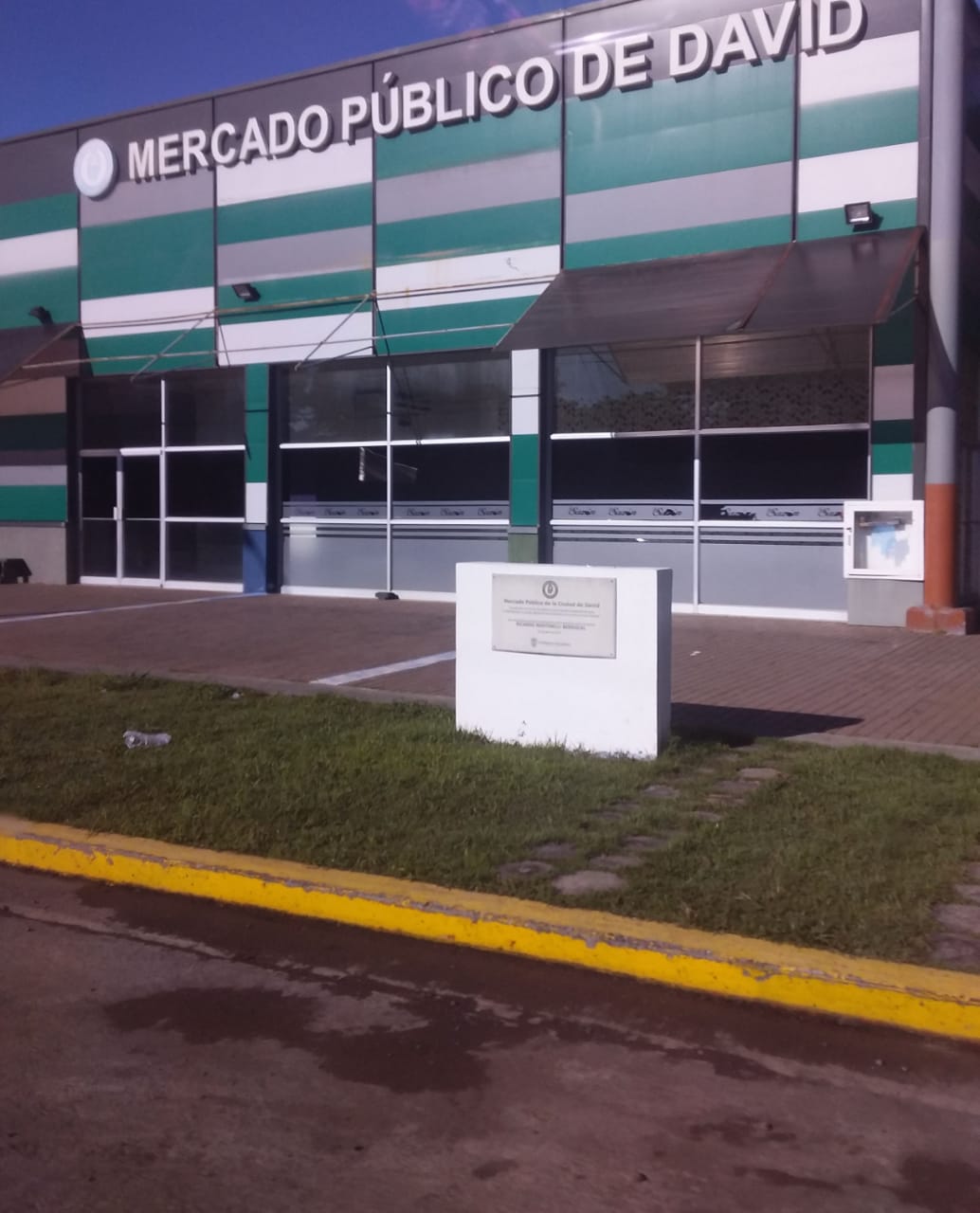
David is the city many practical readers should compare more seriously before deciding that Panama means either the capital or Boquete. It does not have Panama City’s polished urban depth, and it does not have Boquete’s cooler-climate charm. What it can offer is a more ordinary regional-city life that may be easier on the budget and easier to sustain if your goal is practicality rather than prestige.
That distinction matters. Some Americans should actively want the place that is less curated, less brand-driven, and less tied to retirement marketing. David can work well for readers who mainly need a stable everyday base, regional healthcare access, ordinary shopping and services, and a city that functions without asking them to pay extra for image or expat atmosphere. A reasonable working range here is often closer to US $1,300 to $1,900 a month, depending on housing and routine.
The tradeoff is obvious. David is not the place people usually brag about. It may feel hotter, more ordinary, and less visually rewarding than Boquete, and less connected than Panama City. That does not make it a poor choice. It just means the people who do well there are often the ones who value function over charm. If you are honest that your main priority is keeping daily life workable and not overpaying for a dream version of Panama, David deserves more attention than it usually gets.
- Best for: readers who want a practical regional city, lower monthly pressure, and less emphasis on lifestyle branding
- Probably avoid if: you want a polished big-city routine or you know scenery and atmosphere are essential to your happiness
Healthcare and infrastructure comfort: Panama City strongest, David workable, Boquete more limited
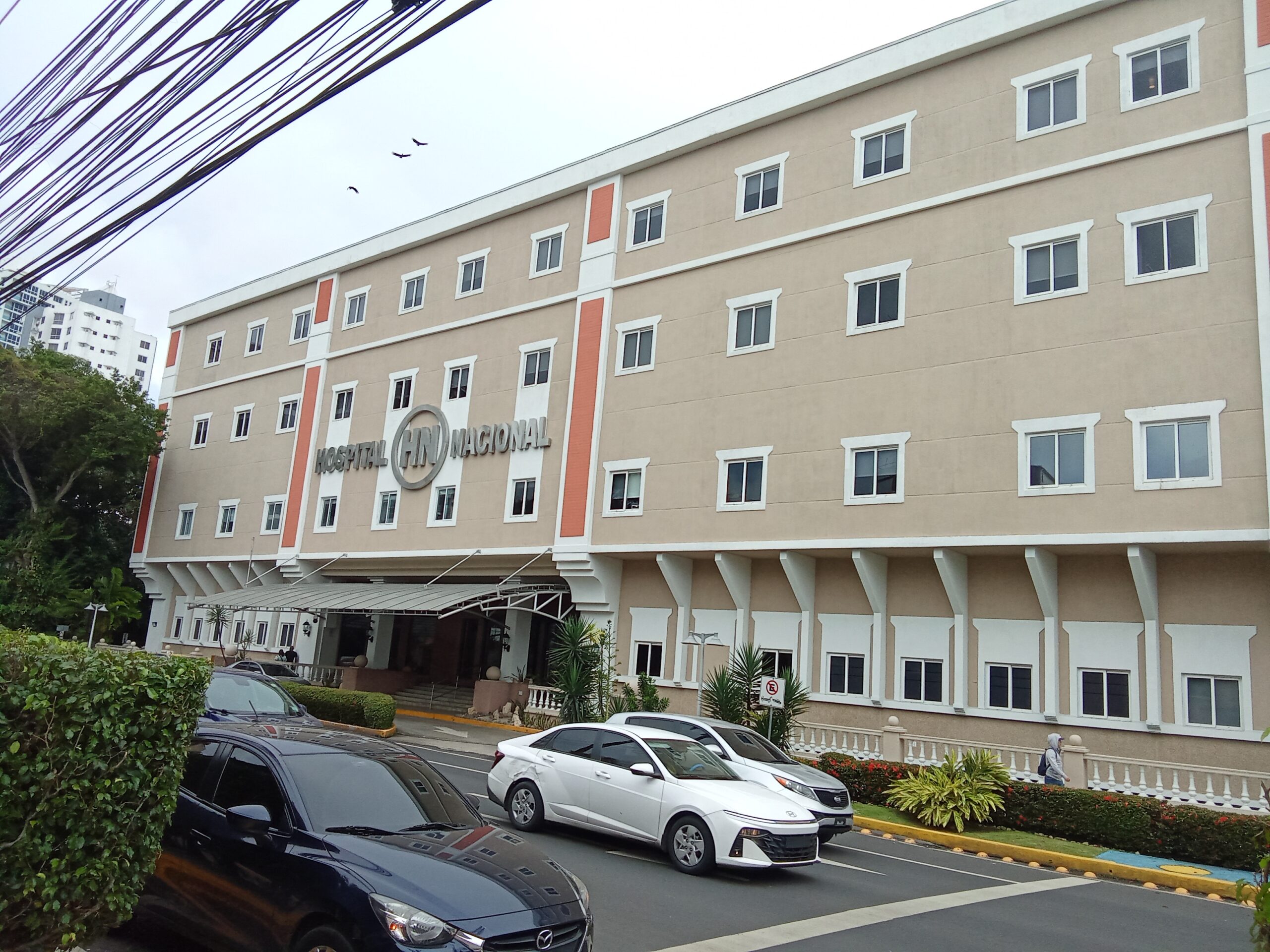
For many Americans, especially retirement-minded readers, healthcare comfort and infrastructure depth should drive the city choice almost as much as cost. Panama City is the strongest answer here by a clear margin. It gives you the deepest private-healthcare access, the broadest specialist network, and the highest chance that everyday logistics feel straightforward instead of improvised.
David can still be a practical answer because it functions as a regional hub, and that matters more than postcard appeal. It will not match the capital’s range, but it can make more sense than Boquete for people who want a less romantic but more serviceable everyday base in western Panama. Boquete is the most limited of the three on this front. That does not mean it is unlivable. It means readers should be honest about whether they are comfortable with a smaller-town setup and possible dependence on nearby cities for some needs.
The useful framing is simple. Panama City gives you the biggest service cushion. David gives you a workable regional version of that at lower cost. Boquete gives you a calmer climate-and-lifestyle fit, but not the strongest healthcare or infrastructure depth. Once you see that clearly, the decision usually gets easier.
Weather, getting around, and how daily life feels
This is where the emotional fit separates fastest. Panama City is humid, busy, and urban. Some readers will find that energizing and convenient. Others will find it exhausting. It is also the easiest place in this comparison to build a life that does not depend on improvising every errand, because the service depth, road network, and transit options are simply broader.
Boquete is cooler, greener, and slower, which is exactly why it has such a strong retirement pull. But the calmer atmosphere comes with a smaller-town rhythm. Getting around is simpler in scale, not richer in options, and some readers will eventually feel the limits of a place that is easier on the nerves but thinner on big-city convenience.
David tends to feel more ordinary and hotter, with less lifestyle polish but a more straightforward regional-city identity. In daily-life terms, that often means it is easier to run practical errands and reach regional services than in Boquete, while still feeling much less layered and internationally comfortable than Panama City. That middle ground is exactly why some readers will find it sensible and others will find it flat.
That means the right answer is not only about cost. It is about what kind of daily life helps you feel settled. A city can be more affordable and still be the wrong place if the weather grinds you down or the routine feels too thin. A city can cost more and still be worth it if it removes enough stress to justify the price. Panama is not one climate, one mood, or one routine. That is why city choice matters so much here.
If you want the easiest services and the fullest routine, Panama City wins. If you want the calmest climate and a slower retirement feel, Boquete has the strongest case. If you want a more ordinary but more financially believable regional base with easier access to western Panama services than Boquete alone, David is the strongest practical contender.
Sample monthly budget ranges by city
- David-type fit: roughly US $1,300 to $1,900 a month for a practical setup without much lifestyle inflation.
- Boquete-type fit: roughly US $1,700 to $2,500 a month for a calmer, retirement-friendly setup with climate comfort.
- Panama City-type fit: roughly US $2,000 to $3,200 a month if you want the strongest services and a more comfortable urban routine.
These are decision ranges, not guarantees. Housing is the biggest swing factor in all three places. In Boquete, comfort and familiarity can quietly push costs up. In Panama City, the question is how much convenience you insist on buying. In David, the question is whether the more ordinary everyday feel suits you well enough to make the savings worthwhile.
Who should avoid each city
- Avoid Panama City if your whole plan depends on lower housing costs and you are trying to escape expensive urban living, not recreate a softer version of it.
- Avoid Boquete if you need a larger service base or if you are relying on retirement reputation to stand in for honest cost math.
- Avoid David if you know you need either a polished urban environment or a scenic climate-driven lifestyle to feel happy with your routine.
None of these are bad choices. The problem is when readers pick the wrong city for the wrong reason, then blame Panama for a mismatch that was visible from the start.
Final verdict
If you want the blunt version, David is probably the smartest starting point for many lower-cost-minded Americans who want Panama to stay financially believable. Panama City is the right answer if healthcare depth, service convenience, and smoother daily logistics matter enough to justify the cost. Boquete is the right answer when climate comfort, greener surroundings, and a quieter retirement rhythm are part of the goal and you are willing to pay for that fit.
That is the real takeaway. In Panama, city choice matters almost as much as country choice. If you choose the easiest city, you usually pay more. If you choose the most climate-comfortable retirement town, you may be paying for reputation and lifestyle as much as practicality. If you choose the more ordinary regional city, you may protect your budget better, but you have to be honest about the tradeoff in atmosphere and polish. For practical Americans, that is exactly the decision worth making before Panama turns from a solid idea into an expensive mismatch.
And if Panama stays on your shortlist after this, the next useful step is not more dream-scrolling. It is pressure-testing your likely base against healthcare access, apartment quality, and connectivity reliability, which is where otherwise good relocation ideas often start to wobble.
If Panama is only one part of your shortlist, compare Boquete and David against the broader guide to Latin American cities with lower costs and good climate, including Cuenca, Medellín, Querétaro, Lake Chapala, Oaxaca, and Mérida.
For a newer cost-focused follow-up, use this moderate monthly budget comparison for Boquete, David, and Panama City before treating the three Panama bases as interchangeable.
Panama comparison next steps
Panama City, Boquete, and David solve different problems. After choosing a likely fit, compare the boring systems that make a longer stay work: backup money access, medical paperwork, prescription planning, phone service, and apartment checks.
- Compare Boquete, David, and Panama City on a moderate monthly budget
- Build the simple money-and-documents backup system before you go
- Avoid getting locked out of your money abroad
- Digitally organize key documents before a part-time stay
- Plan prescription refills before leaving the U.S.
For the short planning path, use the First 90 Days Abroad Checklist before comparing apartments, neighborhoods, and arrival-week logistics.
Before assuming Panama is the obvious first move, compare Panama against Portugal and Spain for first-base ease, especially if healthcare, language, and long-stay paperwork matter.
References
- U.S. Department of State, Panama country information, https://travel.state.gov/content/travel/en/international-travel/International-Travel-Country-Information-Pages/Panama.html
- U.S. Department of State, Panama travel advisory, https://travel.state.gov/content/travel/en/traveladvisories/traveladvisories/panama-travel-advisory.html
- LivingCost, Cost of Living in Panama, https://livingcost.org/cost/panama
- LivingCost, Cost of Living in David, https://livingcost.org/cost/panama/david
- Numbeo, Cost of Living in Panama, https://www.numbeo.com/cost-of-living/country_result.jsp?country=Panama
- Numbeo, Cost of Living in Panama City, https://www.numbeo.com/cost-of-living/in/Panama-City
- Numbeo, Cost of Living in David, https://www.numbeo.com/cost-of-living/in/David
- Numbeo, Cost of Living in Boquete, https://www.numbeo.com/cost-of-living/in/Boquete
- Hospital Nacional, Panama City, https://hospitalnacional.com/
- Hospital Chiriquí, David, https://hospitalchiriqui.com/
Staying longer in Panama City: Pair the practical services guide with this guide to building a repeatable week around food, culture, transit, and outdoor time.