Quick fit: Panama still makes a strong case for Americans who want a smoother first move abroad, especially retirement-minded readers who value dollar familiarity, a relatively legible daily routine, and a place that often feels easier to picture than a more dramatic overseas leap. It is not the cheapest answer, but it is still one of the easier ones to understand.
Panama still gets talked about as if it belongs to an older era of retirement-abroad marketing, where every article promised low stress, low taxes, low prices, and a better life by default. That is not a useful way to think about it now. Panama can still work very well, but it works best when people see it as a practical transition option rather than a fantasy purchase.
For many Americans, the appeal is not just raw cost. It is the amount of friction Panama removes. You are not constantly translating prices in your head because daily life runs on the U.S. dollar. You are dealing with a country that many readers find easier to understand than a bigger cultural leap across the world. And if you are retirement-minded, that softer landing matters. Comfort is not only about how little lunch costs. It is also about how hard it feels to build an ordinary routine.
The more grounded version is this: Panama is still a legitimate contender for Americans who want a livable overseas base with less adjustment shock. It just should not be sold as a bargain kingdom. Housing can still bite, Panama City can distort the budget fast, and a polished retirement life in the most obvious areas costs more than the old marketing used to admit.
Who Panama is best for
Panama is a strong fit for Americans who want a place that feels understandable quickly. That does not mean it is identical to life in the United States. It means the transition can feel less mentally expensive than in some other countries. The use of the U.S. dollar helps. So does the fact that Panama has long been on Americans’ retirement and relocation radar, which means there are already familiar reference points for housing, healthcare, banking, and routine errands.
It is especially appealing for readers who are more interested in a steady everyday life than in squeezing every last dollar out of the move. If your biggest goal is extreme cheapness, Panama is usually not the winner. If your goal is a place that may feel easier to land in, easier to budget in, and easier to explain to family back home, it becomes more compelling.
- Americans who want a softer first transition abroad instead of a dramatic cultural leap
- Retirement-minded readers who care about routine, legibility, and dollar familiarity
- People who want Latin America but do not want every part of the move to feel like a daily translation exercise
- Readers who value practical comfort more than ultra-low sticker prices
- People who are willing to pay somewhat more in exchange for a move that feels easier to picture
Panama is a weaker fit for readers who only care about being as cheap as possible. It can still be reasonable. It is just not the same kind of low-cost story as Thailand, Albania, or some parts of Mexico.
Realistic cost of living for Americans
The country-level Numbeo snapshot shows why Panama still lands on moderate-budget shortlists, while also showing why it should not be described as dirt cheap. An inexpensive restaurant meal averages about US $10. A monthly public transport pass averages about US $21. Utilities for a roughly 915-square-foot apartment average about US $109.35, and broadband averages about US $47.59.
Those numbers are workable for many Americans, especially compared with a lot of U.S. cities, but they are not miracle numbers. Panama tends to make its best case when you combine reasonable costs with easier daily adjustment. That is the real appeal. You are usually not saving money on every line item. You are often buying a life that feels more manageable than the price alone would suggest.
It also helps that money is unusually simple here for Americans. Panama uses the U.S. dollar in day-to-day life, and the local balboa coin system is pegged directly to it. In practical terms, B/. 1 equals US $1. That sounds like a small thing until you imagine living somewhere long term and never having to do constant exchange-rate math at the grocery store, pharmacy, or taxi stand.
For decision-making, broad monthly ranges are more honest than pretending there is one correct budget. A lean but workable setup is often around US $1,900 to $2,400 a month if housing is chosen carefully and lifestyle expectations stay grounded. A comfortable moderate budget is often around US $2,400 to $3,200 a month. If you want more polished housing, Panama City convenience, or a beach-oriented retirement routine, US $3,200+ is the safer frame.
Rent and housing reality
Housing is where Panama stops looking like an automatic bargain. Countrywide, Numbeo puts a one-bedroom apartment at about US $1,023 in a city center and about US $795.57 outside the center. Those are still meaningful numbers for Americans coming from expensive U.S. markets, but they are high enough to punish lazy assumptions.
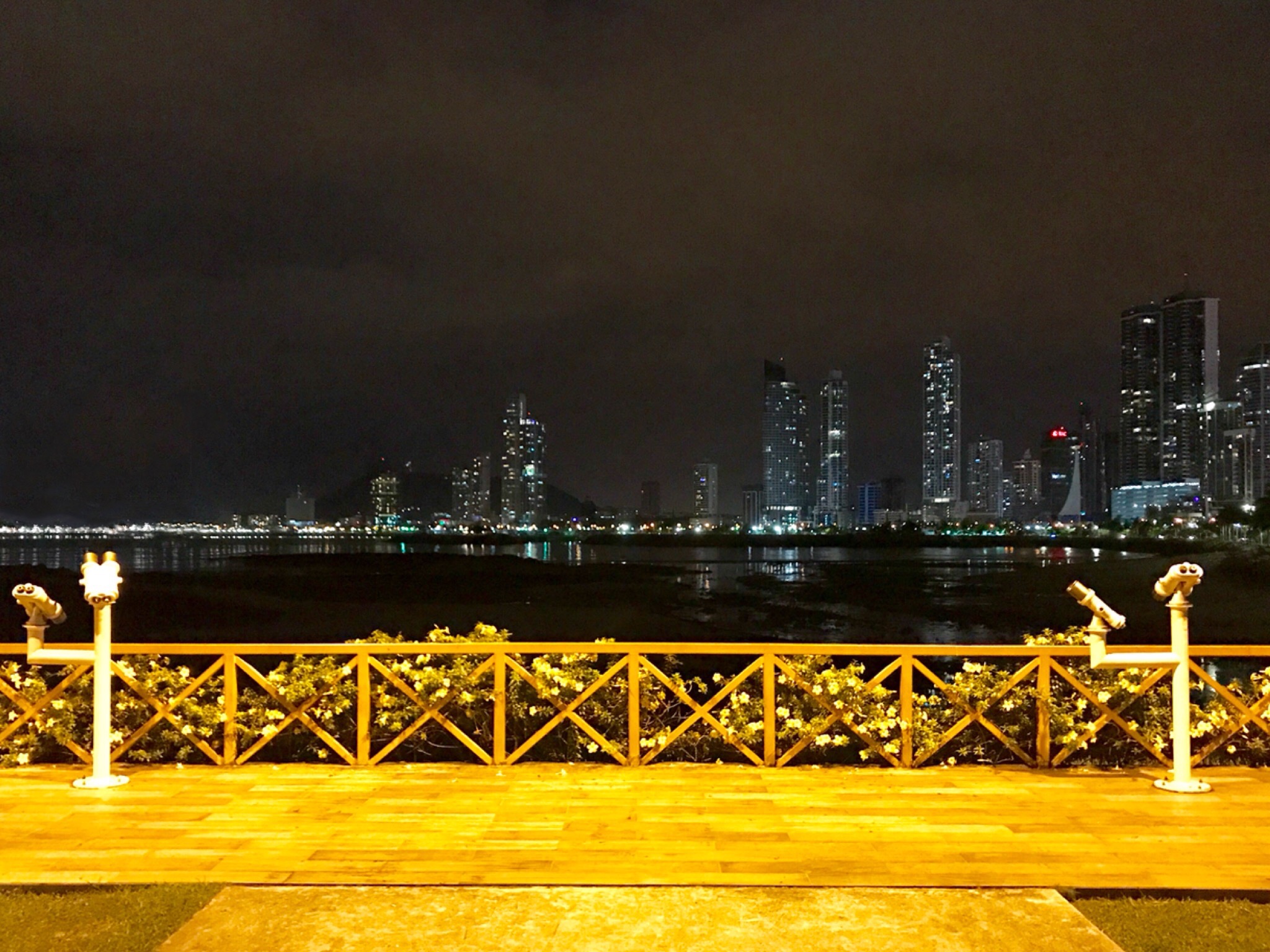
That is especially true if your mental image of Panama is all modern towers, ocean views, and fully polished expat-ready neighborhoods. Panama City is the clearest example. It is the easiest place in the country to imagine as a highly functional base, but that convenience usually comes with more rent pressure. Once you shift from an ordinary apartment in an ordinary area to the version of Panama marketed in glossy retirement copy, the budget story changes quickly.
Interior and smaller-city options can make the math friendlier, but they also change what kind of life you are buying. That is not a problem. It is the point. Panama works best when readers ask which version of the country matches their habits instead of assuming the highest-status version should also be affordable.
Healthcare and daily-life comfort
This is one reason Panama keeps getting retirement attention even after its price reputation has become less generous. The country can feel fairly legible for everyday life. Daily errands are not mysterious. Spending is easy to understand. Larger urban areas give Americans a routine that often feels more familiar than in cheaper but more culturally distant destinations.
Still, this is where it helps to stay realistic. The U.S. State Department notes that if travelers are injured, they are likely to find appropriate medical treatment in or near major cities, while first responders may not be able to reach areas outside major cities quickly. That is a useful retirement lens too. Panama can feel reassuring if you build around the right location. It is less reassuring if you assume a smaller or more remote town will give you the same medical depth as Panama City or other stronger hubs.
The practical takeaway is simple. Panama can support a comfortable daily routine, but city choice matters if health confidence is part of why you are moving. Readers with serious or ongoing medical needs should treat hospital access as a core housing decision, not an afterthought.
Visa and stay reality for Americans
The short official version is unusually straightforward. According to the U.S. State Department’s Panama country information page, U.S. tourists can stay in Panama for 180 days without a visa. The same page also says entry requires a passport valid for 3 months past entry, proof of funds of US $500 cash or equivalent, and a return plane ticket.
That makes Panama easier to test than many destinations. It does not mean every longer-term step is automatic. The responsible way to frame Panama is that it is easy to sample, fairly easy to picture, and potentially easier to build around than some countries, but still something readers should verify carefully before treating it as a permanent move plan.
That restraint matters because Panama’s reputation can get ahead of its reality. A country can be easier than average without being friction-free. Readers who keep that distinction in mind will make better decisions.
Safety and everyday comfort
The current U.S. State Department travel advisory says Americans should exercise increased caution in Panama due to crime and potential for civil unrest. That should not be read dramatically, but it should be taken seriously. The advisory and country page point to theft, residential break-ins, pickpocketing, and purse snatching, especially in tourist areas. They also note that demonstrations can periodically disrupt travel and even the availability of goods and services in some parts of the country.
For most readers, the practical lesson is not that Panama is too risky. It is that it should be approached like a real place, not a retirement brochure. Tourist-heavy areas still attract petty crime. Protests can complicate travel days. More remote areas are a different emergency-response story than major urban centers. All of that is manageable if you plan for it. None of it fits the old fantasy-language version of Panama.
In day-to-day life, Panama often feels most comfortable when you choose an ordinary routine instead of the most heavily marketed one. That means a realistic apartment, sensible transport habits, and a willingness to treat the country as a place to live instead of a place to consume.
Transportation and walkability
Panama’s transportation story is another reason the country can feel easier for newcomers than its price level alone suggests. Countrywide, Numbeo puts a monthly public transport pass at about US $21, which reinforces the idea that daily movement does not have to be expensive.
Panama City is the place where this matters most. It is not a perfect walkability fantasy, and traffic can absolutely wear people down, but it is still the strongest example of a place where many retirees or longer-stay Americans can build an ordinary routine without defaulting to U.S.-style full-time car dependence. That makes a difference for budget and stress alike.
Smaller-city and inland life changes the equation. Daily movement can be simpler in some ways and less infrastructure-rich in others. The country stays workable when your expectations match the location.
Internet and infrastructure
Panama still looks respectable here. Countrywide broadband averages about US $47.59. That is not the ultra-low number you might see in some Asian markets, but it is still a manageable cost for many Americans. More importantly, Panama usually makes a better argument on overall practicality than on one standout bargain metric.
That is part of why the country appeals to retirement-minded readers and anyone planning a longer stay. It can feel less improvised. The daily basics, from money to errands to connectivity, often translate more cleanly for Americans than they do in places where costs are lower but adjustment is higher.
Best cities and regions to consider first
The best way to think about Panama is to stop asking whether the whole country is easy and start asking which version of Panama fits your budget, health priorities, and idea of a satisfying routine.
Panama City
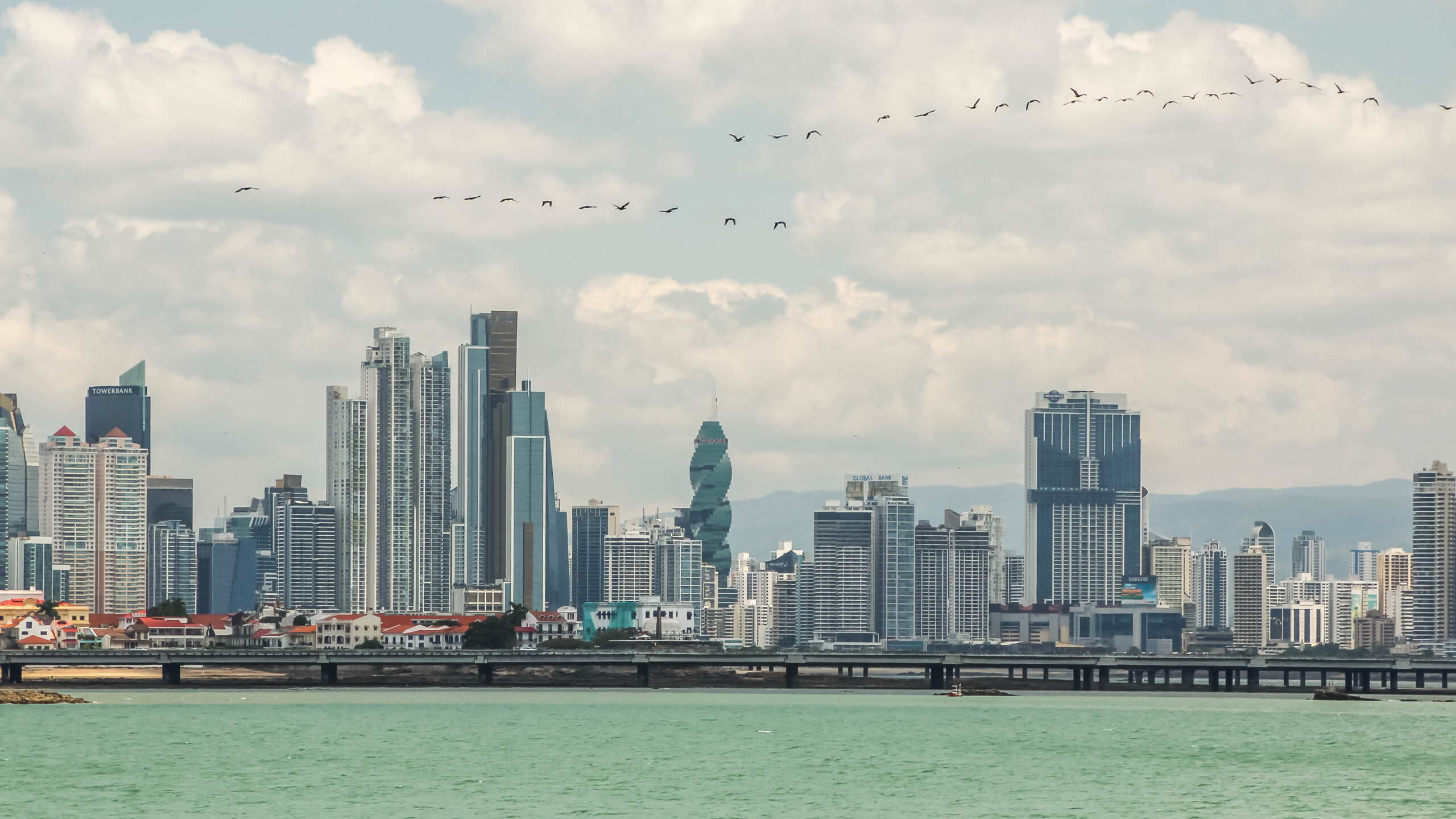
Panama City is the obvious answer for readers who want the most services, the most infrastructure, and the easiest large-city routine. It is also the place most likely to blow up a moderate budget if the housing choice gets too polished. For some retirees, it is the best answer because convenience and healthcare access matter most. For others, it is where Panama starts feeling less convincing financially.
Boquete
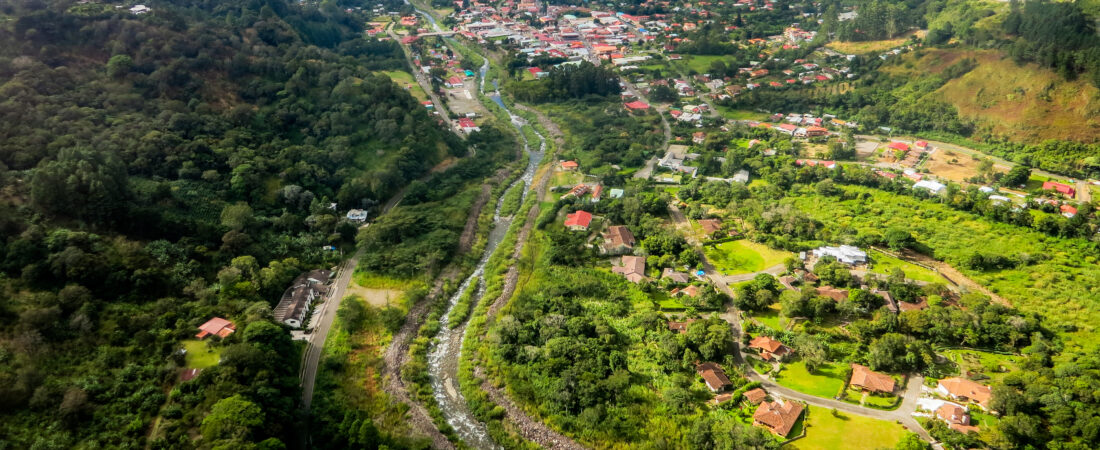
Boquete is one of the best-known retirement-minded names in Panama for a reason. It suggests cooler weather, a calmer pace, and a softer landing than a dense capital-city life. But it should not be romanticized. Its popularity can shape prices, and its appeal should be measured against actual healthcare access, housing stock, and whether you want a quieter town rather than just the idea of one.
David and the wider Chiriquí corridor
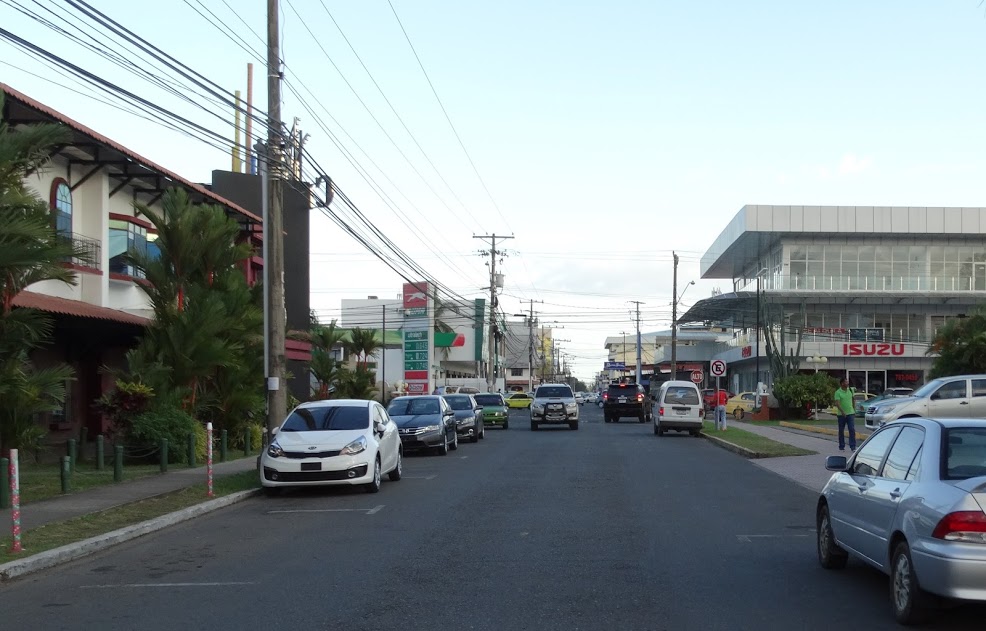
David often makes more practical sense than glossy relocation content admits. It is not as romantic as Boquete and not as internationally legible as Panama City, but that can be part of the strength. Readers who care about ordinary errands, services, and a more everyday version of Panama may find this kind of base easier to justify than a prestige market.
Beach and retiree corridor communities
This is where readers should slow down. Coastal Panama can be appealing, but once you combine retiree-targeted housing, convenience expectations, and beach-town desirability, the budget can drift upward quickly. If a place sounds easy because every foreign-facing service is already built around newcomers, the price often reflects that.
Who should probably avoid Panama
Panama is not a universal answer. It is a weaker fit for readers who mainly want the lowest possible monthly spend, those emotionally attached to polished Panama City or beach-community lifestyles on a lean budget, and anyone assuming that easier entry rules automatically mean a simple long-term move.
- Readers who want the absolute cheapest country rather than the easiest practical transition
- People expecting high-rise Panama City life on a very lean retirement budget
- Americans who need deep specialist healthcare but want to center their life far from major-city medical access
- Readers who want no disruption risk from protests, logistics interruptions, or city-level friction
- Anyone still budgeting from old Panama marketing instead of current housing reality
That does not make Panama a bad option. It just means Panama is best understood as a fit question, not a universal retirement shortcut.
Sample monthly budget ranges
- Lean but workable: roughly US $1,900 to $2,400 a month if housing is chosen carefully and the plan is built around an ordinary setup rather than a polished expat fantasy.
- Comfortable moderate: roughly US $2,400 to $3,200 a month for the version of Panama many retirement-minded readers probably mean when they imagine a stable, lower-friction life abroad.
- Panama City or higher-comfort retiree lifestyle: US $3,200+, especially if you want better housing, more convenience, or a coastal market with stronger foreigner demand.
These are decision ranges, not guarantees. Panama can still look reasonable, but it rarely rewards vague planning.
Before treating Panama City as a practical long-stay option, read our guide to testing a repeatable Panama City week. It focuses on the ordinary routines—errands, transit, heat, rain, and neighborhood fit—that determine whether capital-city convenience works after the first few days.
If cooler mountain weather is the main reason Panama stays on your shortlist, pair this country-level overview with the standalone Boquete guide. It goes deeper on Boquete housing, hills, rain, transport, David healthcare backup, and the small-town tradeoffs that decide whether the calmer Panama option is actually livable.
Final verdict
Panama still deserves serious consideration from Americans who want a more practical transition abroad, especially if retirement is part of the picture. The dollar-based daily life, relatively understandable routine, and manageable infrastructure story are all real advantages. For the right reader, that combination can matter more than chasing the very lowest possible monthly total.
But the honest version of the pitch is more modest than Panama’s old reputation. It is not the cheapest country. It is not friction-free. Panama City convenience is not inexpensive, and smaller-town appeal should be weighed against medical access and everyday services. The country makes the most sense when readers want a softer landing, not a fantasy bargain.
If you approach Panama as a steady, practical place to build an understandable life abroad, it holds up well. If you approach it expecting a glossy retirement shortcut, it becomes much less persuasive.
For readers deciding whether Panama is worth the higher everyday cost, the Mexico vs Panama first-base comparison lays out the tradeoff against Mexico in plain terms.
References
- U.S. Department of State, Panama country information, https://travel.state.gov/content/travel/en/international-travel/International-Travel-Country-Information-Pages/Panama.html
- U.S. Department of State, Panama travel advisory, https://travel.state.gov/content/travel/en/traveladvisories/traveladvisories/panama-travel-advisory.html
- Numbeo, Cost of Living in Panama, https://www.numbeo.com/cost-of-living/country_result.jsp?country=Panama
- Numbeo, Cost of Living in Panama City, https://www.numbeo.com/cost-of-living/in/Panama-City
- Numbeo, Cost of Living in David, https://www.numbeo.com/cost-of-living/in/David
- Numbeo, Cost of Living in Boquete, https://www.numbeo.com/cost-of-living/in/Boquete