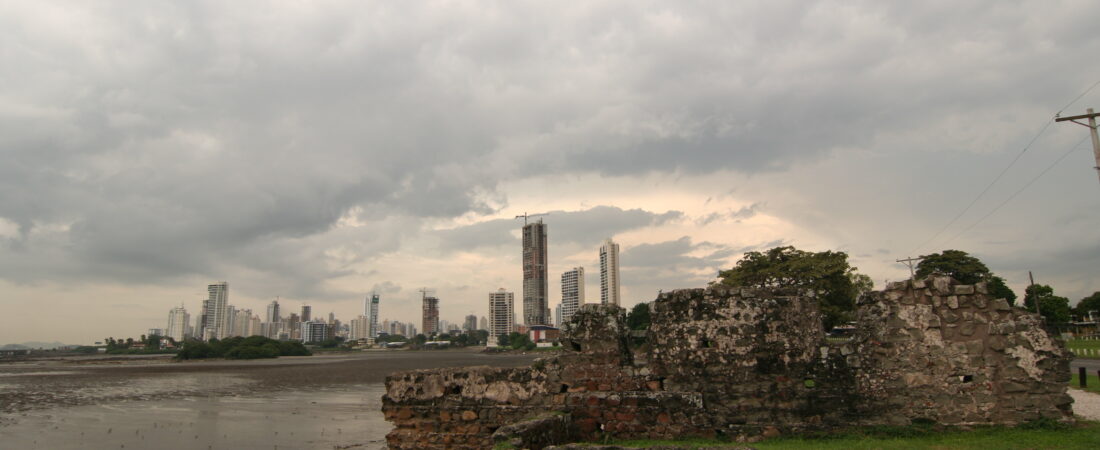
Quick answer: If you like Panama in theory but do not want Panama City’s scale, traffic, and urban intensity, the best alternatives usually trade some big-city convenience for calmer daily life. For many Americans, the strongest warm-weather options are the Coronado beach corridor for easier Pacific-coast living with fallback access toward Panama City, David for a more functional everyday-city base without the same intensity, and one smaller coastal or interior wildcard only if you are realistic about thinner infrastructure. The right answer depends less on postcard appeal and more on healthcare comfort, airport practicality, and whether ordinary life still feels manageable after the first week.
A lot of Americans looking at Panama are really asking two questions at once. First, does Panama make sense at all? Second, can they get the warmth and practical upside without having to live in the country’s biggest and busiest city?
That second question is the more useful one for a lot of readers. Panama City clearly has strengths, but not everyone wants the traffic, density, pace, or price pressure that comes with it. Some people want warmth and easier daily life, while still keeping enough healthcare comfort and infrastructure in the picture that the stay feels sensible.
If you are still deciding whether Panama belongs on your shortlist at all, start with the Panama City, Boquete, and David comparison and the broader first-trial-run country guide. If Panama already looks viable, the next question is more practical: where do warm weather and lower-intensity daily life actually line up, and where do they start breaking down?
What people usually mean by “without Panama City intensity”
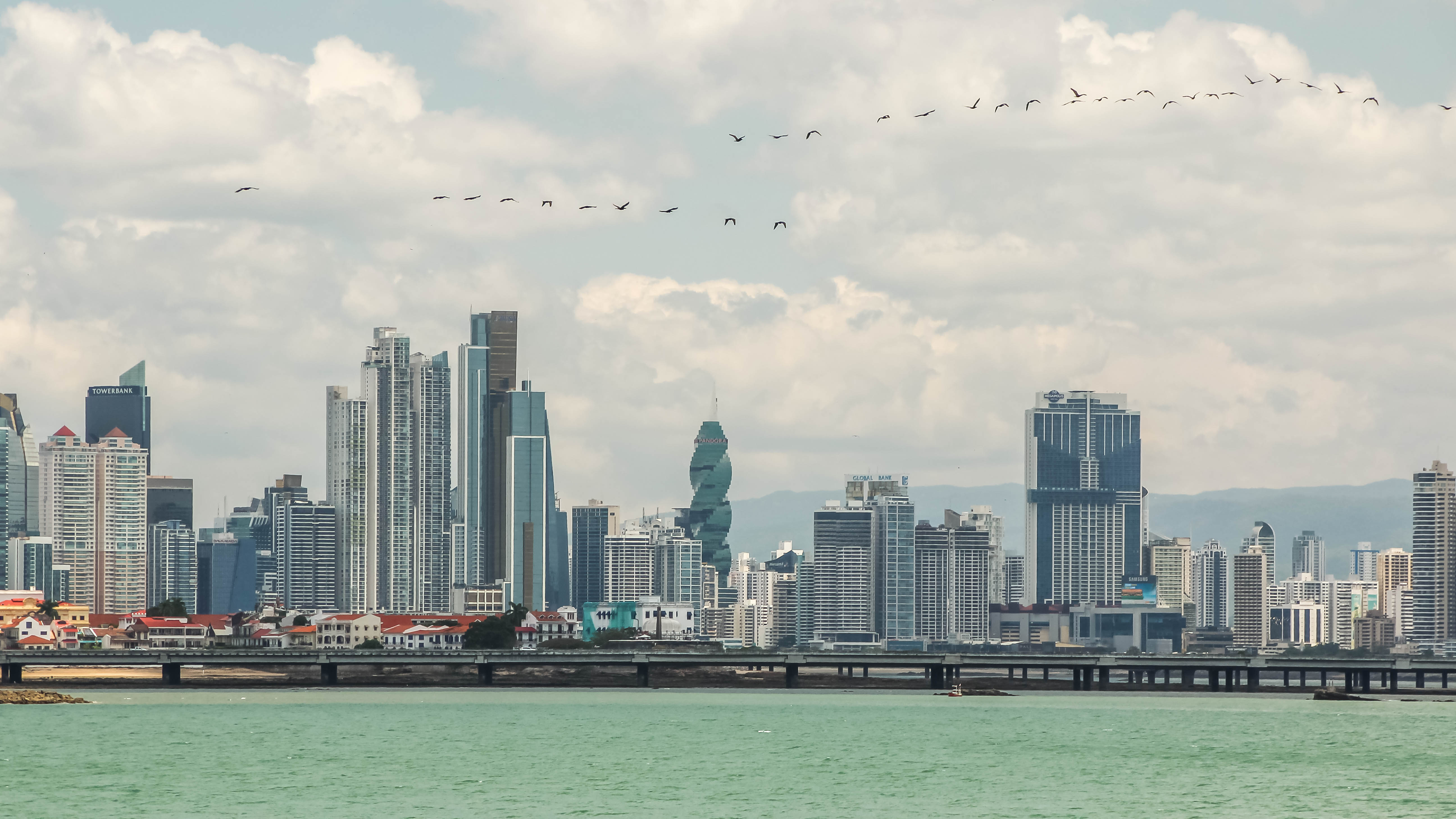
Usually they do not mean “I want all the same benefits with none of the tradeoffs.” They mean something simpler. They want a place that feels less dense, less noisy, less demanding, and easier to handle day to day. They want fewer urban friction points, but not at the cost of healthcare confidence, airport access, or basic daily convenience.
That is an important distinction because the answer is not always the prettiest beach town. A place can feel calmer and still be harder to live in. If healthcare depth is thin, errands require long drives, apartment options are weak, or leaving the area is awkward, the lower-intensity dream can turn into a different kind of stress.
So the best warm-weather Panama alternatives are not just the calmest places. They are the places that still make normal life believable once the novelty drops off.
Coronado and the Pacific beach corridor are often the cleanest warm-weather answer
If warm weather is the priority, and you also want some expat familiarity plus a less overwhelming pace than Panama City, the Coronado corridor is often the clearest fit. It offers beach-town warmth, a more spread-out rhythm, and an easier landing than the capital, but it works best for readers who are comfortable treating Panama City as their deeper-backup city rather than expecting Coronado itself to do everything.
That distinction matters. A lot of people say they want “less city,” but what they really want is less city most days, not zero dependence on the capital. Coronado is more believable for people who are fine with local day-to-day needs near home, routine errands by car, and occasional trips back toward Panama City for bigger specialist appointments, more complicated healthcare, or tasks that need broader infrastructure.
This also means the corridor is not the most self-contained answer. Coastal living can still bring housing tradeoffs, more driving, and a lifestyle that feels more suburban-resort than urban-convenient. But for readers who want warmth, relative calm, and a softer landing, without pretending they are fully replacing Panama City’s depth, it is still one of the strongest options.

David is the strongest choice for readers who care more about function than charm
David makes sense for a different kind of reader. It is not the glossy lifestyle answer. It is the practical one. If you want a warmer Panama base that still feels like a real city, with hospitals, pharmacies, supermarkets, and ordinary errands that do not require turning every task into a mini-expedition, David is hard to ignore.
That is why David shows up so often in grounded Panama conversations. It is less intense than Panama City, warmer than Boquete, and usually easier to defend on everyday functionality than smaller coastal towns. It also has its own airport and a more self-contained city rhythm, which matters if you do not want every meaningful healthcare or travel task to pull you back toward the capital.
A lot of Americans, especially retirement-minded readers, do better with “slightly plain but workable” than with “beautiful but thin on backup options.” If your definition of a good base includes access to hospitals, a city routine, and fewer fantasy-driven tradeoffs, David is probably the most honest warm-weather Panama answer on the board.
A smaller coastal wildcard can work, but only if you are honest about the tradeoffs
Pedasí is probably the clearest smaller-town wildcard for this question. The appeal is easy to understand: warmer weather, a calmer pace, a more scenic coastal rhythm, and much less sensory overload than Panama City.
But this is also where people can confuse vacation logic with living logic. Pedasí makes more sense for readers who genuinely want a smaller coastal town and can live with thinner healthcare backup, fewer housing choices, and more dependence on driving or planning ahead. It makes less sense for people who say they want less intensity but still need city-level convenience close by.
That is why Pedasí is better treated as the conditional choice, not the default one. If your goal is to reduce friction on a first or early trial stay, a more functional base like David, or even a Panama City fallback setup paired with the Coronado corridor, is usually easier to defend. If your goal is a smaller coastal lifestyle and you already know you can tolerate thinner infrastructure, Pedasí becomes more believable. Before locking that in, it is also worth reading how to find a good apartment for a one- to three-month stay abroad, because smaller-town housing depth is one of the first places a nice Panama idea can get shaky.
Why Boquete is not really the answer to this exact question
Boquete belongs in the broader Panama conversation, but not because it solves the warm-weather brief. It solves a different problem. It gives readers a calmer, greener, cooler highland environment that many people enjoy, especially when they want a softer climate and smaller-scale daily rhythm.
That makes it useful as a comparison point here. A lot of readers say they want “less Panama City intensity,” but what they really mean is one of two things. They either want warmer and calmer, or they want calmer and easier emotionally. Boquete can fit the second bucket. It does not fit the first very well.
That is why it helps to separate the climate question from the intensity question. Boquete can still be a strong Panama option. It is just not the strongest answer for people explicitly chasing warmth without big-city pressure.
What should eliminate a Panama option quickly
- Healthcare comfort is too thin. If the place feels too far from the level of care or backup you need, do not rationalize it away.
- Too much of daily life depends on driving and long errands. Warm weather does not compensate for routine friction that wears you down.
- Airport or exit logistics are annoying enough that changing the plan becomes harder than it should be.
- The appeal is mostly scenic or emotional. If the case for the town sounds like a vacation brochure more than a real-life setup, be careful.
- Housing depth is too weak for a trial-run stay. A place can be lovely and still be a bad fit if finding a workable 1- to 3-month rental is harder than expected.
A lower-intensity Panama base should reduce friction, not just swap one type of stress for another.
So what is the best warm-weather Panama answer for most readers?
For most Americans asking this exact question, the Coronado corridor is still the cleanest answer if they want warmth and a more relaxed daily feel, and they are comfortable staying partly tied to Panama City for higher-level backup. It is probably the most balanced option, but not the most independent one.
David is the best answer for readers who care more about practical function than beach-town mood. It is less romantic, but often more believable as a place to actually live because more of the routine works locally. Pedasí can work for the right person, but it is the more conditional answer, not the safest default.
The larger point is that the best warm-weather Panama base is usually the one that still leaves room for routine, healthcare comfort, and easy course correction. That is what makes a place feel livable after the first wave of excitement passes.
Final verdict
If you want Panama warmth without Panama City intensity, start by prioritizing practical support over pure scenery. Coronado and the Pacific beach corridor are often the strongest balanced answer if you are comfortable using Panama City as your deeper-backup city. David is the best functional-city alternative if you want more of daily life to work locally. Smaller warm-weather towns like Pedasí can work, but only if you are honest about thinner infrastructure, more driving, and weaker backup options.
The best choice is not the place that looks most relaxing online. It is the place where ordinary life still feels manageable once groceries, healthcare, housing, transport, and the possibility of changing your mind all enter the picture.
Read next
If Panama still looks promising, the next useful step is usually getting more specific about city fit, daily routine, and first-run decision-making.
- Panama City vs. Boquete vs. David for Different Budgets and Retirement Styles for readers who want a deeper Panama comparison before choosing a base.
- The Best First Countries for Americans Who Want an Easier Trial Run Abroad for readers still comparing Panama against other practical first-run countries.
- Best Countries for Americans Who Want a Livable Retirement Abroad for readers whose Panama decision is part of a bigger retirement-abroad shortlist.
If you want the broader practical path, go to Guides.
If Panama City remains part of your Panama shortlist, test its everyday routine before committing to a longer stay. That gives you a clearer comparison point before trading capital-city services for a calmer or warmer alternative.
References
- U.S. Department of State, Panama country information, https://travel.state.gov/content/travel/en/international-travel/International-Travel-Country-Information-Pages/Panama.html
- U.S. Department of State, Panama travel advisory, https://travel.state.gov/content/travel/en/traveladvisories/traveladvisories/panama-travel-advisory.html
- Numbeo, Cost of Living in Panama, https://www.numbeo.com/cost-of-living/country_result.jsp?country=Panama
- Numbeo, Cost of Living in Panama City, https://www.numbeo.com/cost-of-living/in/Panama-City
- Numbeo, Cost of Living in David, https://www.numbeo.com/cost-of-living/in/David
- Numbeo, Cost of Living in Boquete, https://www.numbeo.com/cost-of-living/in/Boquete
- Hospital Nacional, Panama City, https://hospitalnacional.com/
- Hospital Chiriquí, David, https://hospitalchiriqui.com/
- Settling Abroad, Panama City vs. Boquete vs. David for Different Budgets and Retirement Styles, https://settlingabroad.net/panama-city-vs-boquete-vs-david-for-different-budgets-and-retirement-styles/
Readers who may need the capital after comparing calmer Panama bases should pair this article with the Panama City standalone guide, especially for airport access, hospitals, banking, and first-week logistics.
For readers who may prefer western Panama and cooler air, the Boquete standalone guide covers the practical mountain-base questions that a broader Panama roundup can only summarize.