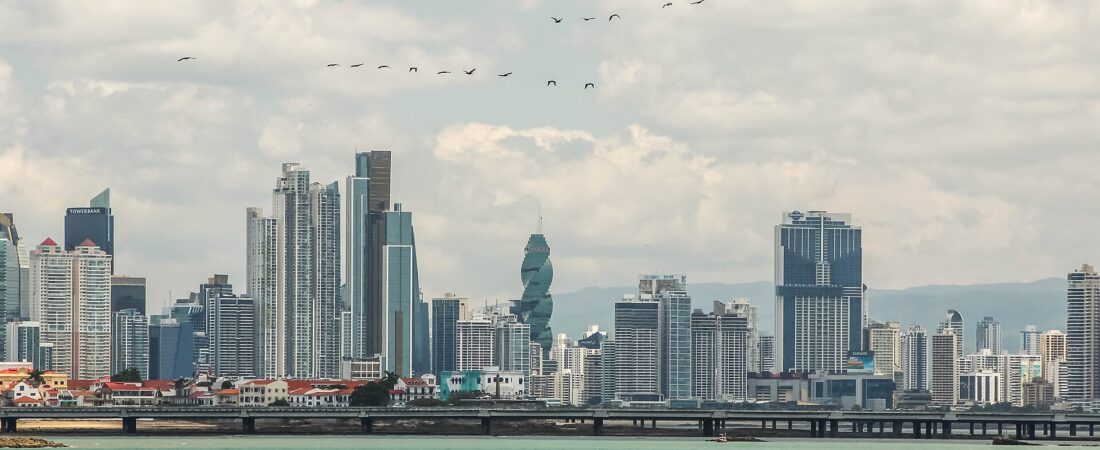
Quick fit: If you want a steady, livable retirement abroad instead of a glossy fantasy, the strongest all-around answers for many Americans are usually Portugal, Spain, Mexico, and Panama, with Albania and Thailand offering better value but more person-specific tradeoffs. None of these countries is best for everyone, and that is exactly the point.
A lot of retirement-abroad advice still reads like a brochure. It assumes you want ocean views, shockingly cheap dinners, and a satisfying story about how you beat the cost of living back home. That kind of piece is fun to read, but it stops being useful once you start thinking about doctors, rent increases, paperwork, stairs, summer heat, family visits, and what an ordinary Tuesday feels like after the first month.
For most retirement-minded Americans, the real question is simpler. Where can you build a life that feels calm enough, affordable enough, safe enough, and medically workable enough to hold up year after year? That is a different question from where you could spend an enjoyable winter or where your money goes furthest on vacation.
This comparison stays focused on that everyday test. The shortlist is built around housing pressure, healthcare practicality, safety and daily comfort, bureaucracy, walkability and transport, and whether a modest to moderate retirement income can support a stable routine. It is not a pure cheapest-countries list, and it is definitely not a “retire like royalty” list.
What “livable retirement abroad” actually means
A livable retirement abroad is not just a place where coffee is cheap and the weather looks good in photos. It is a place where you can picture the boring parts of life without wincing. Can you find housing that does not eat the whole budget? Can you get routine care without turning it into a project? Can you run errands without driving everywhere or wrestling with confusing systems every week? Can you live there without feeling like every small task takes extra energy?
For Americans living on about US $2,000 a month, some of these countries can still work, but not equally and not always in the most popular markets. For many retirees, US $2,500 to $3,500 a month is the more realistic band if the goal is less housing stress and more room for healthcare, meals out, utility spikes, and trips back to the United States. That does not mean lower budgets are impossible. It means retirement fit is about resilience, not just making it through the cheapest month.
Why luxury-fantasy retirement advice misleads people
The fantasy version of retiring abroad tends to hide the categories that matter most later. It spends a lot of time on rent and restaurant prices, and much less on healthcare depth, specialist access, stairs, heat tolerance, noise, uneven sidewalks, distance from adult children, or whether an “easy visa” claim is really just a tourist-entry rule stretched past what it actually says.
That is how a country can look amazing on paper and still be the wrong retirement fit. Thailand can offer impressive comfort per dollar, but that does not answer whether Southeast Asia feels sustainable for you long term. Albania can make Europe feel possible again on a moderate income, but it does not offer the same healthcare depth or polished systems as Portugal or Spain. Panama can feel easier simply because the U.S. dollar removes one layer of friction, even if it is not the cheapest option. Mexico can be one of the strongest overall answers, but only if you stop treating the country as one uniform safety or housing market.
The shortlist, in plain English
- Portugal: best for a calmer, orderly European retirement if you can handle more housing pressure.
- Spain: best for everyday lifestyle quality if your budget can absorb housing realistically.
- Mexico: best for proximity, flexibility, and broad city choice for Americans.
- Panama: best for an easier transition and U.S.-dollar familiarity.
- Albania: best for lower-cost Europe if you can accept rougher systems and thinner healthcare depth.
- Thailand: best for comfort per dollar if Asia genuinely fits your long-term life.
That is a more honest framework than trying to pick one winner. Retirement is too personal for that. The countries that score highest on order and aging comfort are not always the ones that score highest on cost, and the countries that win on cost can ask for more adaptation than some retirees really want.
Country-by-country retirement fit
Portugal, still one of the strongest calm-living retirement options
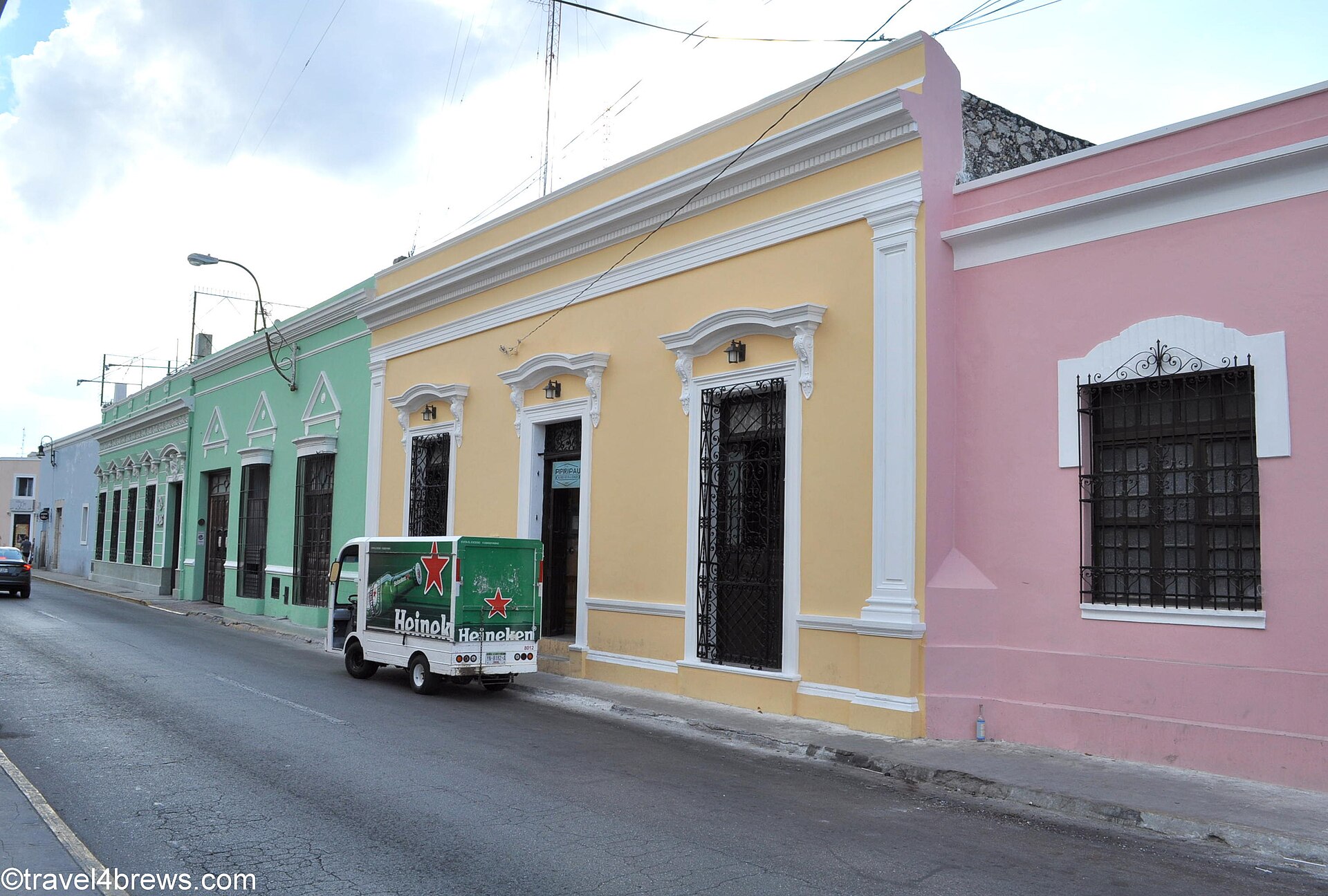
Portugal remains one of the best retirement-livability options for Americans who care about safety, order, walkability, and a daily life that feels manageable instead of chaotic. The country-level numbers still look decent at first glance: a one-bedroom apartment averages about €900.81, roughly US $980, in a city center and about €717.14, roughly US $780, outside the center. Utilities for a roughly 915-square-foot apartment run about €116.38, around US $127, and broadband averages about €36.58, roughly US $40.
The issue is not that Portugal stopped being livable. It is that too many retirees are still picturing bargain-era Lisbon marketing. Portugal works best now when you value the overall quality of daily life and choose housing carefully, often outside the most obvious markets. The U.S. Department of State says to exercise normal precautions in Portugal, with petty theft as the main routine concern, which fits the broader picture of a place many retirees will find mentally easy to settle into.
Best for: retirees who want orderly routines, good walkability, and a European lifestyle that feels calm. Probably avoid if: your budget only works if Lisbon or other high-visibility markets still behave like cheap secrets.
Spain, possibly the best lifestyle-quality choice if the housing math works
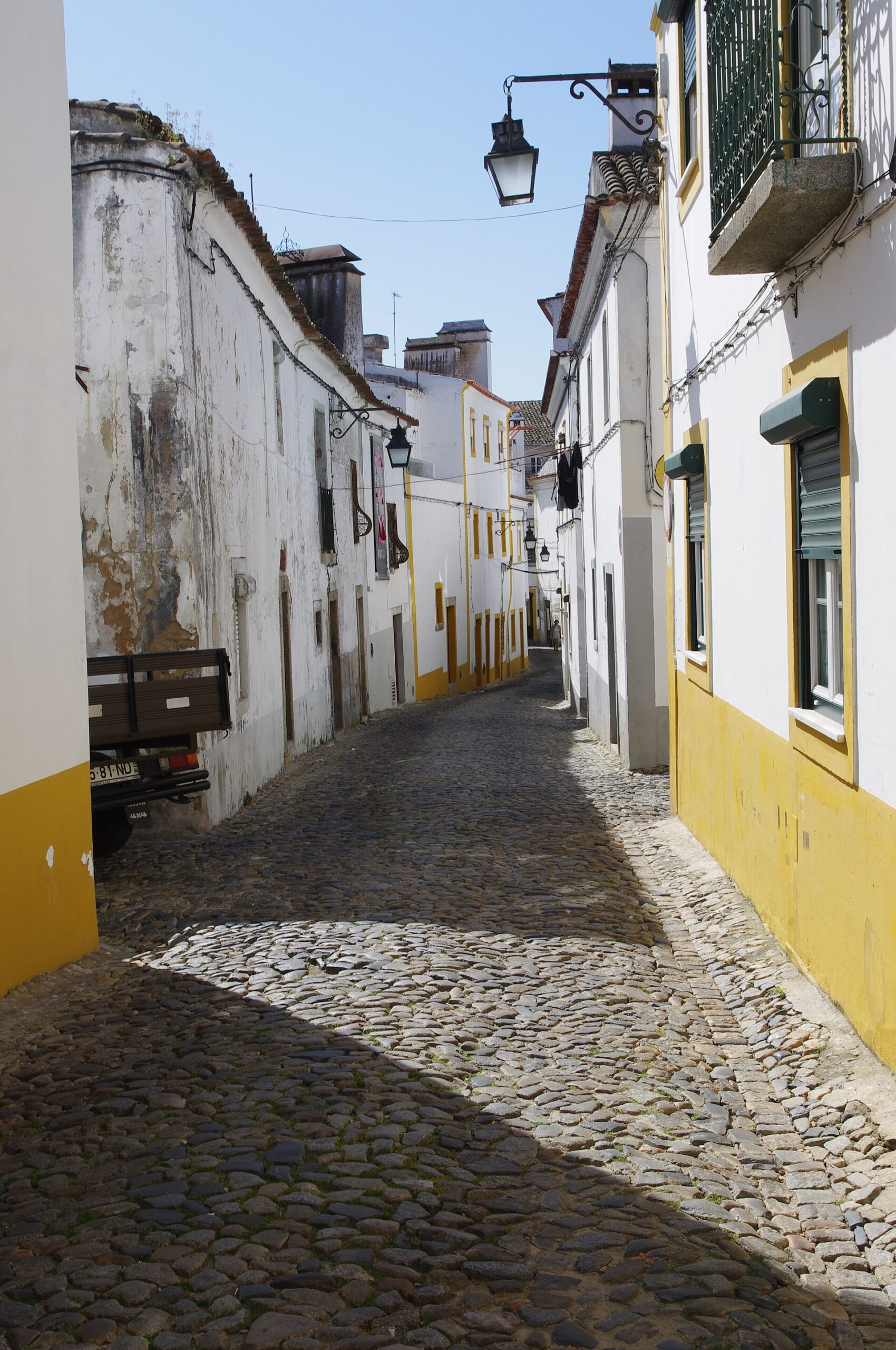
Spain may be the strongest pure lifestyle-quality retirement option in this group if you can afford it honestly. The appeal is easy to understand: good transit in many cities, walkable urban life, solid everyday infrastructure, and a mature retirement setting that does not feel improvised. The current cost anchors show why the fit is real but conditional. A monthly public transport pass averages about €30.00, roughly US $33. Utilities for a 915-square-foot apartment are about €133.60, roughly US $146, and broadband averages about €28.78, around US $31.
What keeps Spain from being an easy universal winner is housing pressure. Older retirement marketing often treats Spain as if attractive places are broadly affordable, and that is too loose now. Spain still makes a lot of sense in secondary cities and less obvious regions. It makes much less sense if a retiree is emotionally attached to Madrid, Barcelona, or the most fashionable coastal markets while insisting they are planning a moderate-budget retirement. The State Department currently says to exercise increased caution because of terrorism and unrest, but for most readers that belongs in the category of practical awareness, not alarm.
Best for: retirees who want a rich everyday life and can absorb more housing cost for it. Probably avoid if: you need Spain to be cheap in the places everyone else already wants.
Mexico, still one of the strongest retirement answers for Americans who want flexibility
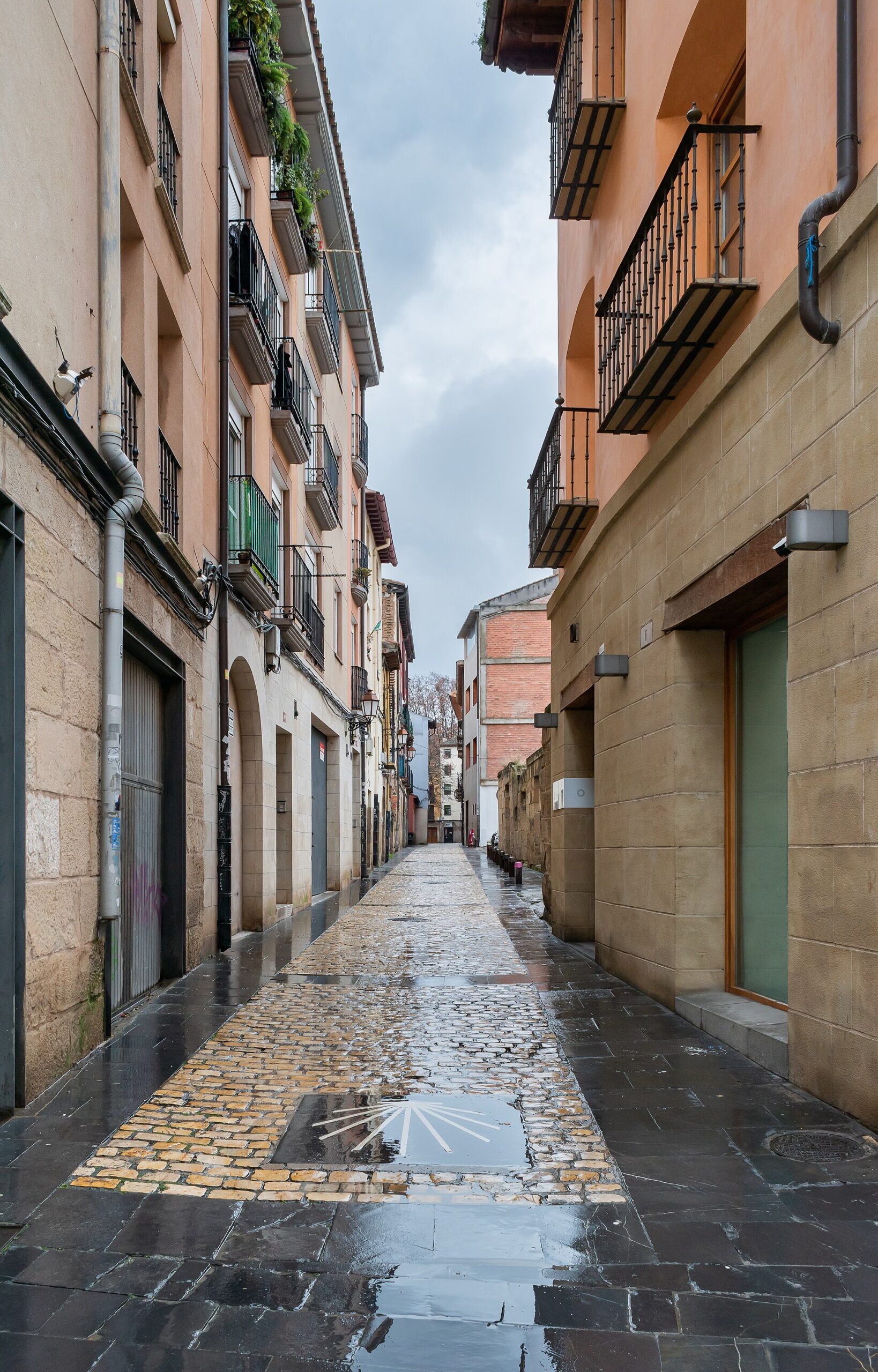
Mexico remains one of the best overall retirement options for Americans because it solves several problems at once. It is close to the U.S., it offers a wide range of city types, and it can still work on a moderate income without sending retirees halfway around the world. Country-level rent averages come in at about 13,735 MXN, roughly US $675, for a one-bedroom in a city center and about 9,040 MXN, roughly US $445, outside the center. Broadband averages about 537 MXN, around US $26, and utilities about 1,266 MXN, roughly US $62.
Those numbers help explain why Mexico stays on almost every practical shortlist, but the retirement case is bigger than price alone. Proximity matters. Familiar flight access matters. The ability to choose between calmer inland cities, larger urban centers, and places with established expat infrastructure matters. The caution is that Mexico is highly city- and state-dependent on safety and daily feel. It rewards retirees who choose specific places carefully instead of making one sweeping judgment about the whole country. The State Department also notes that authorized stay duration for air travelers is determined on arrival, which is an important reminder not to confuse easy entry with automatic long-term legal simplicity.
Best for: retirees who want flexibility, easier access back to the U.S., and a lot of city choice. Probably avoid if: you want frictionless bureaucracy or plan to choose a city based only on hype instead of safety and housing reality.
Panama, easier for many Americans to picture than its price reputation suggests
Panama is not the bargain-country fantasy that older retirement marketing sometimes promised, but it is still one of the easiest transitions in this group for many Americans. Part of that is psychological, and part of it is practical. Using the U.S. dollar removes one layer of friction. So does a generally understandable day-to-day setup for newcomers. Current cost anchors put a monthly public transport pass at about US $21.00, utilities for a 915-square-foot apartment at about US $109.35, and broadband at about US $47.59.
Panama does not win by being the cheapest. It wins by being easier to translate into a real life for some retirees. The State Department says U.S. tourists can stay for 180 days without a visa and notes entry requirements including passport validity, proof of funds, and a return ticket. That makes Panama relatively easy to try without turning it into a promise that every longer-term step will be simple. For retirees who want a softer landing and less cultural shock, that matters.
Best for: retirees who value dollar familiarity and a more mentally straightforward transition. Probably avoid if: you need the absolute strongest raw-value numbers or expect Panama City convenience on a very lean budget.
Albania, one of the few ways moderate-income retirees can still make Europe work
Albania is attractive because it answers a question many retirement-minded Americans now have: is there still a version of Europe that feels financially plausible on a moderate income? The country-level math is compelling. A one-bedroom apartment averages about 47,360.65 lek, roughly US $500, in a city center and about 32,689.60 lek, roughly US $345, outside the center. Broadband averages about 1,542.97 lek, around US $16, and utilities about 8,510.98 lek, roughly US $90.
That is real value by European standards. The catch is that Albania should not be sold like polished Western Europe at half price. It is a more uneven retirement fit, especially for readers who care a lot about healthcare depth, smoother systems, and highly predictable infrastructure. The official upside is notable: the State Department says U.S. citizens may stay in Albania as tourists for up to one year without applying for a residency permit. That is unusual and useful. It still does not remove the need for careful long-term planning.
Best for: retirees who want lower-cost Europe and can live with rougher edges. Probably avoid if: you need deeper specialist care nearby or want everything to feel as standardized as Western Europe.
Thailand, excellent comfort-per-dollar if the distance and fit are truly right
Thailand is one of the strongest affordability stories in the whole comparison, especially for retirees who care about comfort per dollar. Current country-level figures put a monthly public transport pass at about 1,077.50 ฿, roughly US $32, utilities at about 2,660.61 ฿, around US $79, and broadband at about 604.43 ฿, roughly US $18. That kind of monthly math is why Thailand keeps coming up in retirement conversations.
But Thailand is also where retirees should be most careful not to let value hide the bigger life-fit questions. Distance from family is real. Climate fit is real. Long-term cultural fit is real. The State Department notes that U.S. citizen tourists entering Thailand for fewer than 60 days do not require a visa, with pre-arrival online registration noted on the country page, but that should not be stretched into broad claims about long-stay retirement ease. Thailand can be a great answer for the right person and a tiring one for the wrong person.
Best for: retirees open to Asia who care a lot about comfort per dollar and can handle the distance. Probably avoid if: you want to stay physically close to family or need a country that feels culturally familiar from day one.

Healthcare and aging-in-place practicality
This is the category that most often changes the ranking. Portugal and Spain usually feel strongest if a retiree wants a mature everyday environment, more orderly systems, and a place that is easier to imagine aging in without constant improvisation. Mexico and Panama often make more sense for Americans who want either easier access back home or a softer day-to-day transition. Albania and Thailand can absolutely work, but both require more honesty about what kind of healthcare depth, distance, and infrastructure you can live with over time.
That does not mean retirees with chronic conditions should automatically cross off the lower-cost countries. It means they should stop evaluating retirement abroad like a cheap long vacation. A country that looks unbeatable on rent may turn into a weak fit if it adds too much stress around specialist care, emergency planning, long travel to better facilities, or simply the effort of managing daily life as you get older.
Rent and housing reality, which is where most retirement plans get corrected
Housing is where the dreamy version of retirement abroad usually falls apart. Portugal and Spain can look reasonable in countrywide averages, then become much less forgiving in the most famous cities. Mexico can look easy until someone quietly prices the most foreigner-heavy markets. Panama works better when the plan is an ordinary, livable setup instead of a glossy high-rise fantasy. Albania can stop feeling ultra-cheap once you insist on the smoothest apartment in the most visible area. Thailand changes meaningfully depending on whether your mental picture is an ordinary city routine or a tourist-shaped version of the country.
That is why US $2,000 a month can still be workable in some versions of Mexico, Albania, and Thailand, and maybe in carefully chosen Panama scenarios, but is far less forgiving in Portugal and Spain unless city choice is unusually disciplined. For many retirees, US $2,500 to $3,500 is the band where the shortlist starts to feel less stressful and more durable, especially if they want room for better housing, routine healthcare spending, and occasional travel back to the U.S.
Safety, bureaucracy, and daily comfort matter almost as much as price
A retirement destination does not have to be perfect. It does have to fit your tolerance for friction. Portugal tends to feel calm and orderly. Spain often feels richly livable if you can pay for the housing. Mexico offers choice and flexibility, but safety judgment has to happen at the city and neighborhood level. Panama is easier for some Americans simply because the transition feels more legible. Albania can deliver lower-cost Europe, but not polished Western Europe routines. Thailand can feel wonderful on daily affordability while still being the wrong answer if the distance or long-term fit starts to wear on you.
That is why the most useful retirement question is not “Where is cheapest?” It is “Where do my money, my health needs, my tolerance for bureaucracy, and my idea of a good ordinary week line up best?” Cheap countries can feel exhausting. More expensive countries can feel worth it. The goal is not to win the price contest. It is to build a life you can actually keep living.
Final verdict
If you want the most grounded short version, here it is. Portugal is one of the best answers for retirees who want calm, order, and a comfortable European daily life, but it is no longer cheap enough to approach casually. Spain may offer the best overall everyday lifestyle quality here, but only if housing costs do not blindside the budget. Mexico is still one of the strongest overall choices for Americans who want proximity, flexibility, and multiple city options. Panama remains one of the easiest places for many retirees to picture because of the dollar and the gentler transition.
Albania and Thailand are the stronger value plays. They can absolutely be the right answer, but they are less universal retirement fits. Albania is especially compelling if you want Europe without Western Europe housing costs and can live with more uneven systems. Thailand is especially compelling if you want the strongest comfort-per-dollar option and genuinely want an Asia-based retirement life, not just the idea of one.
No country on this list is best for everyone. That is good news, because it means the right choice is the one that matches your real budget, your health needs, your tolerance for friction, and your idea of an ordinary good life, not the one with the slickest marketing story.
References
- U.S. Department of State, Portugal country information, https://travel.state.gov/content/travel/en/international-travel/International-Travel-Country-Information-Pages/Portugal.html
- U.S. Department of State, Spain country information, https://travel.state.gov/content/travel/en/international-travel/International-Travel-Country-Information-Pages/Spain.html
- U.S. Department of State, Mexico country information, https://travel.state.gov/content/travel/en/international-travel/International-Travel-Country-Information-Pages/Mexico.html
- U.S. Department of State, Albania country information, https://travel.state.gov/content/travel/en/international-travel/International-Travel-Country-Information-Pages/Albania.html
- U.S. Department of State, Panama country information, https://travel.state.gov/content/travel/en/international-travel/International-Travel-Country-Information-Pages/Panama.html
- U.S. Department of State, Thailand country information, https://travel.state.gov/content/travel/en/international-travel/International-Travel-Country-Information-Pages/Thailand.html
- Numbeo, Cost of Living in Portugal, https://www.numbeo.com/cost-of-living/country_result.jsp?country=Portugal
- Numbeo, Cost of Living in Spain, https://www.numbeo.com/cost-of-living/country_result.jsp?country=Spain
- Numbeo, Cost of Living in Mexico, https://www.numbeo.com/cost-of-living/country_result.jsp?country=Mexico
- Numbeo, Cost of Living in Albania, https://www.numbeo.com/cost-of-living/country_result.jsp?country=Albania
- Numbeo, Cost of Living in Panama, https://www.numbeo.com/cost-of-living/country_result.jsp?country=Panama
- Numbeo, Cost of Living in Thailand, https://www.numbeo.com/cost-of-living/country_result.jsp?country=Thailand