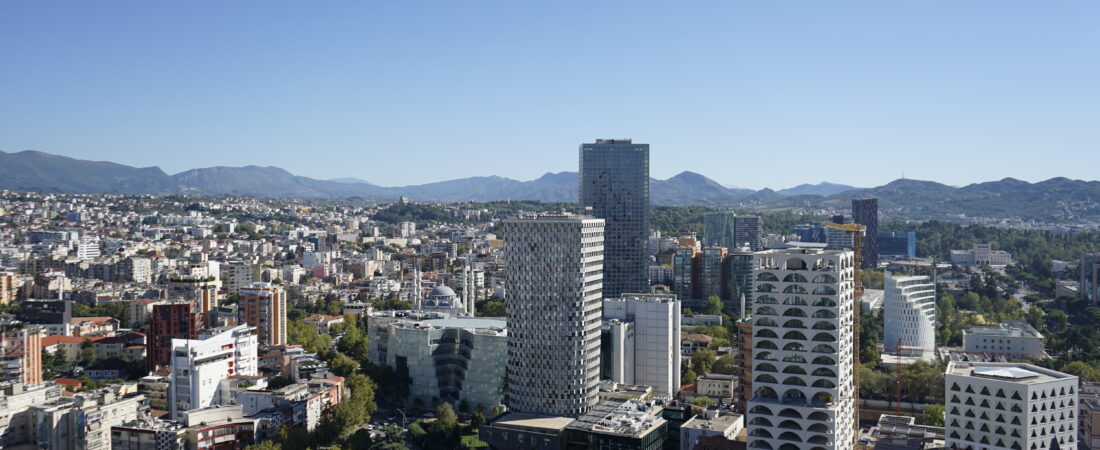
Quick fit: Albania makes the most sense for Americans who want a lower-cost foothold in Europe, can live with more uneven systems than Portugal or Spain, and care more about workable monthly math than polished Western Europe routines.
Albania keeps showing up in “cheap Europe” conversations for a reason. It can still look refreshingly attainable to Americans who feel priced out of Portugal, Spain, or much of coastal Italy and Greece. Rent can be lower, daily costs can be lower, and the country still offers the basic emotional draw people want from Europe in the first place: old towns, coast, cafés, mountain views, and a lifestyle that can feel slower than much of the United States.
The problem is that Albania is easy to oversell. It is not Western Europe on clearance. The tradeoffs are the whole story. Bureaucracy can be uneven, roads and sidewalks can feel rougher, healthcare depth is not something to romanticize, and the most hyped places are not automatically cheap just because the country has a budget reputation. Tirana and popular southern coastal markets can get expensive faster than many first-time readers expect.
For low-income to middle-class Americans, especially retirement-minded readers, the useful question is not whether Albania is the cheapest place in Europe. It is whether Albania gives you enough Europe, enough comfort, and enough monthly breathing room to feel worth the friction. For some people the answer is clearly yes. For others, the rough edges will cancel out the savings.
Who Albania is best for
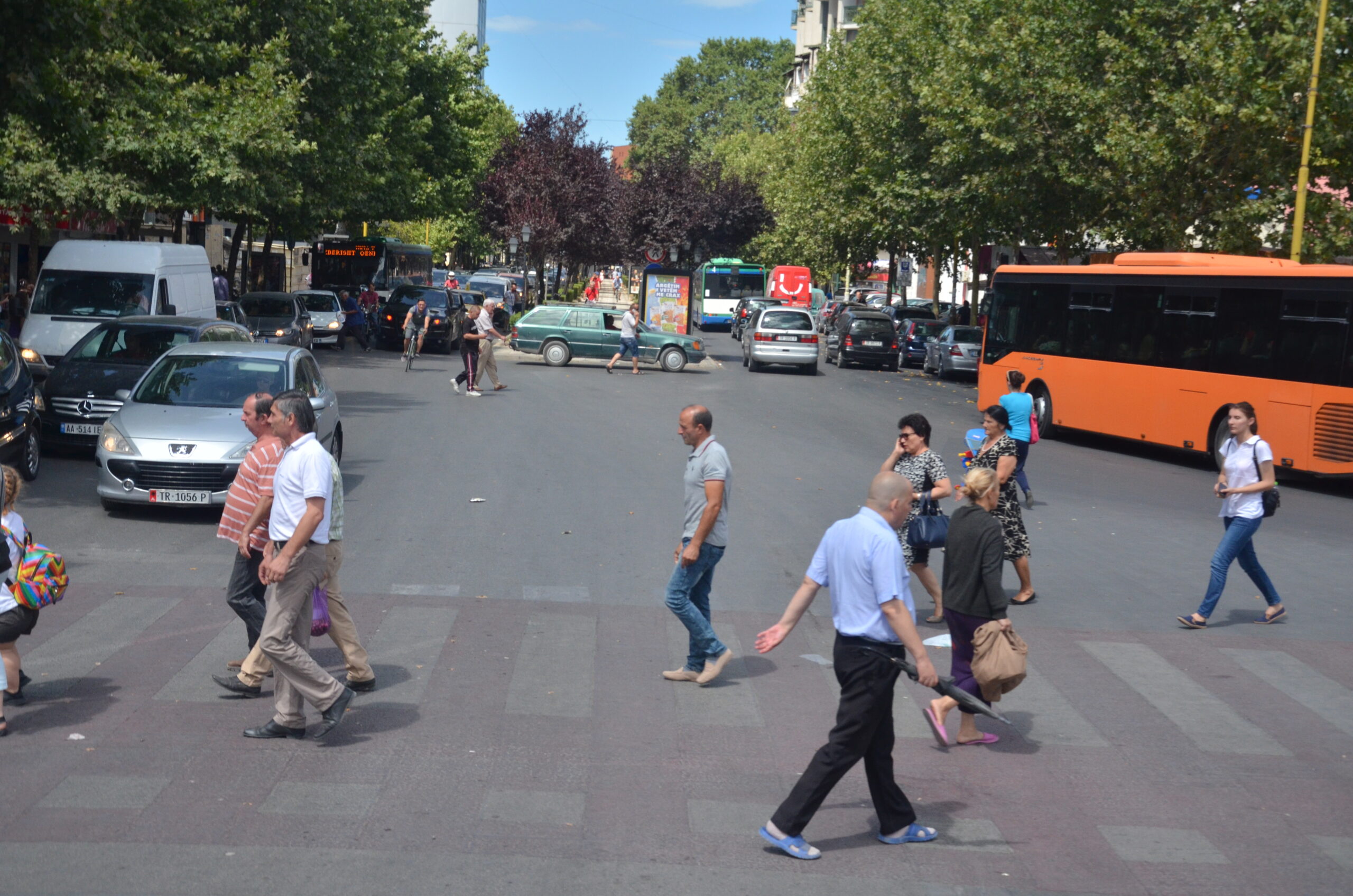
Albania is a strong fit for readers who want Europe without paying Western Europe prices and who do not need everything to feel highly systematized. If your dream is a calmer life, lower rent than better-known expat markets, and a base that still lets you enjoy cafés, walks, markets, and regional travel, Albania deserves a real look. The value proposition is strongest when you are flexible about city choice and realistic about comfort level.
It also tends to suit people who can handle unevenness without taking it personally. That matters more than many Americans expect. Albania can work well if you are the kind of person who can shrug at a patchy sidewalk, slower bureaucracy, or a building that needs more checking before you sign a lease. It is a weaker fit if you need the environment to feel smooth and standardized before you can relax.
- Americans who want a lower-cost base in Europe and are priced out of more established expat favorites
- Retirement-minded readers who value affordability and simplicity more than prestige or polish
- People open to secondary cities and not emotionally attached to the most hyped coastal spots
- Readers who can live well with a practical private-healthcare backup and do not assume top-tier specialist depth everywhere
- Slower travelers who care more about monthly sustainability than influencer-friendly optics
If you are chasing the cheapest-possible version of Europe, Albania may still appeal. But it works best for people looking for better value, not fantasy-level cheapness with no tradeoffs attached.
Realistic cost of living for Americans
The country-level numbers help explain the appeal. Numbeo’s April 2026 Albania snapshot puts a one-bedroom apartment at about 47,360.65 lek, roughly US $510, in a city center, and about 32,689.60 lek, roughly US $350, outside the center. Broadband averages about 1,542.97 lek, or roughly US $17. A monthly public transport pass averages about 1,600 lek, or about US $17. Utilities for a roughly 915-square-foot apartment run about 8,510.98 lek, roughly US $92.
Those are useful numbers, but they can create the wrong mental picture if you read them lazily. Albania is still lower-cost Europe. That part is real. But readers get into trouble when they assume the whole country behaves like the cheapest countrywide average. The capital does not. Popular beach markets do not. And apartments that feel comfortable by American standards are not always priced at the bottom of the local range.
That is why broad decision ranges are more honest than promising a magical exact budget. A lean but workable Albania setup is often around US $1,100 to $1,600 a month if your housing choice is disciplined. A more comfortable moderate setup is often around US $1,600 to $2,200 a month. If you want Tirana convenience, more space, or a more in-demand coastal setup, US $2,200+ is a much safer starting point than the internet’s old cheap-Europe mythology.
That will vary person to person, of course. The point is not to scare you off. It is to keep Albania in the right frame: affordable for Europe, but not so cheap that you can stop paying attention.
Rent and housing reality
This is where Albania’s reputation usually gets corrected. Tirana is the clearest example. Current Numbeo figures put a one-bedroom apartment there at about 70,231.78 lek, roughly US $755, in the city center and about 45,514.68 lek, roughly US $490, outside the center. Utilities average about 11,028.93 lek, roughly US $119, and broadband comes in near 1,608.58 lek, about US $17. That is still cheaper than many Western European capitals, but it is nowhere close to a no-brainer bargain for every American budget.
Sarandë is the other important reality check, even though its Numbeo data is lower confidence and should be treated directionally, not as a precision promise. The current page puts a one-bedroom at about 72,144.93 lek, roughly US $775, in the center and about 32,191.31 lek, roughly US $345, outside the center, with utilities around 8,535.23 lek, roughly US $92. That is useful mainly because it shows how fast a popular coastal market can stop feeling ultra-cheap once demand concentrates in the obvious neighborhoods.
The bigger lesson is simple. Albania does not reward vague housing assumptions. If your plan depends on a polished apartment in central Tirana or a desirable southern coast location at a rock-bottom price, you may be disappointed. If you are open to ordinary neighborhoods, secondary cities, or simply living a little less inside the postcard version of the country, Albania starts to look much more workable.
Healthcare and daily-life comfort
This is one of the categories where Albania needs the most honesty. Public healthcare exists, and for routine needs many people do manage day-to-day life without constant drama. But this is not a country to casually describe as having Western Europe-level healthcare depth across the board. Quality, equipment, and consistency can be uneven, especially once you move outside the stronger urban centers or need something specialized.
In practical terms, many foreigners think in layers: routine care locally, private care where useful, and a more cautious plan if they have serious ongoing conditions or would need dependable specialist access. The U.S. State Department’s Albania country information page also warns that outside metropolitan areas it can take longer to reach first responders or medical professionals, and it encourages travelers to consider medical evacuation coverage. That is not a reason to panic. It is a reason not to build your plan on airy expat optimism.
So the realistic takeaway is that Albania can be workable for normal needs and ordinary daily living, but it is a weaker fit for readers who need high-confidence specialist depth nearby, complicated chronic-care coordination, or the reassurance that every important system will feel deep and polished.
Visa and stay reality for Americans
The official short version is better than many Americans realize. According to the U.S. State Department’s Albania country information page, U.S. citizens may enter Albania as tourists without a visa, and a passport should be valid for at least three months from arrival. The same page says U.S. citizens may stay in Albania for up to one year without applying for a residency permit.
That makes Albania unusually interesting for longer-stay Americans compared with Schengen-limited options elsewhere in Europe. But it is still smart to stay restrained in how you talk about it. A clear visitor allowance is not the same thing as saying all longer-term residency questions are simple or frictionless. If you want to stay beyond that one-year window, the official guidance says you should apply for a residency permit after entering the country.
In plain English, Albania is relatively easy to try. That is a real advantage. Just do not turn that into a fantasy that longer-term legal life will automatically handle itself.
Safety and everyday comfort
Albania is not the kind of place that should be framed as constant danger, but the official U.S. guidance is not as relaxed as Portugal’s. The State Department currently says to exercise increased caution in Albania due to crime. It notes that street crime tends to occur in urban areas, especially at night, and that law enforcement’s ability to protect and assist travelers is more limited in some areas, especially remote regions.
That does not mean most Americans will feel daily life is menacing. It means Albania should be treated practically. Evaluate neighborhoods. Keep normal city awareness. Do not assume every late-night area has the same feel. Be extra sober about remote areas, unattended parking, and the difference between daytime sightseeing comfort and what a longer real-life routine may feel like.
For many readers, the everyday comfort question will come down less to dramatic safety fear and more to tolerance for unevenness. Albania can feel warm, social, and manageable. It can also feel rougher and less orderly than what some retirement-minded Americans want. Both things can be true at the same time.
Transportation, walkability, and daily life
One underrated advantage of Albania is that daily life in the right neighborhood can still be fairly compact. Tirana in particular can work better than many American cities for walking errands, café stops, and day-to-day routines without total car dependence. Smaller cities can feel even more compact. That matters because a place does not have to be perfect to feel livable, and the ability to do ordinary tasks on foot changes the mood of daily life quite a bit.
The cost side remains reasonable. Numbeo’s country-level transport-pass estimate of about 1,600 lek, or roughly US $17 a month is a reminder that staying mobile does not necessarily require the American car-cost model. But the infrastructure picture is mixed. Buses and shared transport can be useful, yet they are not the same thing as the most polished systems in richer European countries. Driving culture can also feel looser and more tiring to Americans who are already hoping for a calmer setup.
That is why Albania often works best for readers who want a city or town where they can keep life geographically small. If your routine depends on everything behaving with Swiss-level predictability, Albania will feel frustrating. If your goal is a simpler daily rhythm with fewer fixed costs, it starts to make more sense.
Internet and infrastructure
Albania’s internet picture is better than many outsiders assume. The country has an Ookla Speedtest Global Index page of its own, which supports the basic point that usable broadband and mobile internet are part of normal life here, not some rare luxury. For Americans considering a longer stay, that matters. Albania should not be framed as a place where staying connected is automatically a disaster.
The price side is appealing too. Country-level broadband averages about 1,542.97 lek, or roughly US $17, and the Tirana and Sarandë snapshots are basically in the same range at about 1,608.58 lek, also about US $17. Those are not scary numbers. The catch, as usual, is apartment-level reality. A country can have workable infrastructure overall while one building still has a mediocre setup, weak in-unit coverage, or a landlord who is vague about the actual service.
So the practical advice is boring and effective: treat Albania’s internet reputation as a positive sign, then verify the actual apartment, the actual building, and your mobile backup plan before trusting it too much. That matters everywhere, but especially in a country where systems can be more uneven from one place to the next.
Best cities and regions to consider first
The most useful way to think about Albania is not “Is Albania good?” It is “Which version of Albania fits me?” These are the most practical starting points for Americans building a shortlist.
Tirana
Tirana is the easiest base to understand and the safest place to start if you want the broadest services, the strongest everyday convenience, and the best odds of finding the kind of routine that still feels familiar enough to settle into. It is also where Albania’s bargain reputation weakens fastest. Tirana makes sense for readers who want the country’s easiest urban base and can accept that convenience comes with noticeably higher rent.
Sarandë
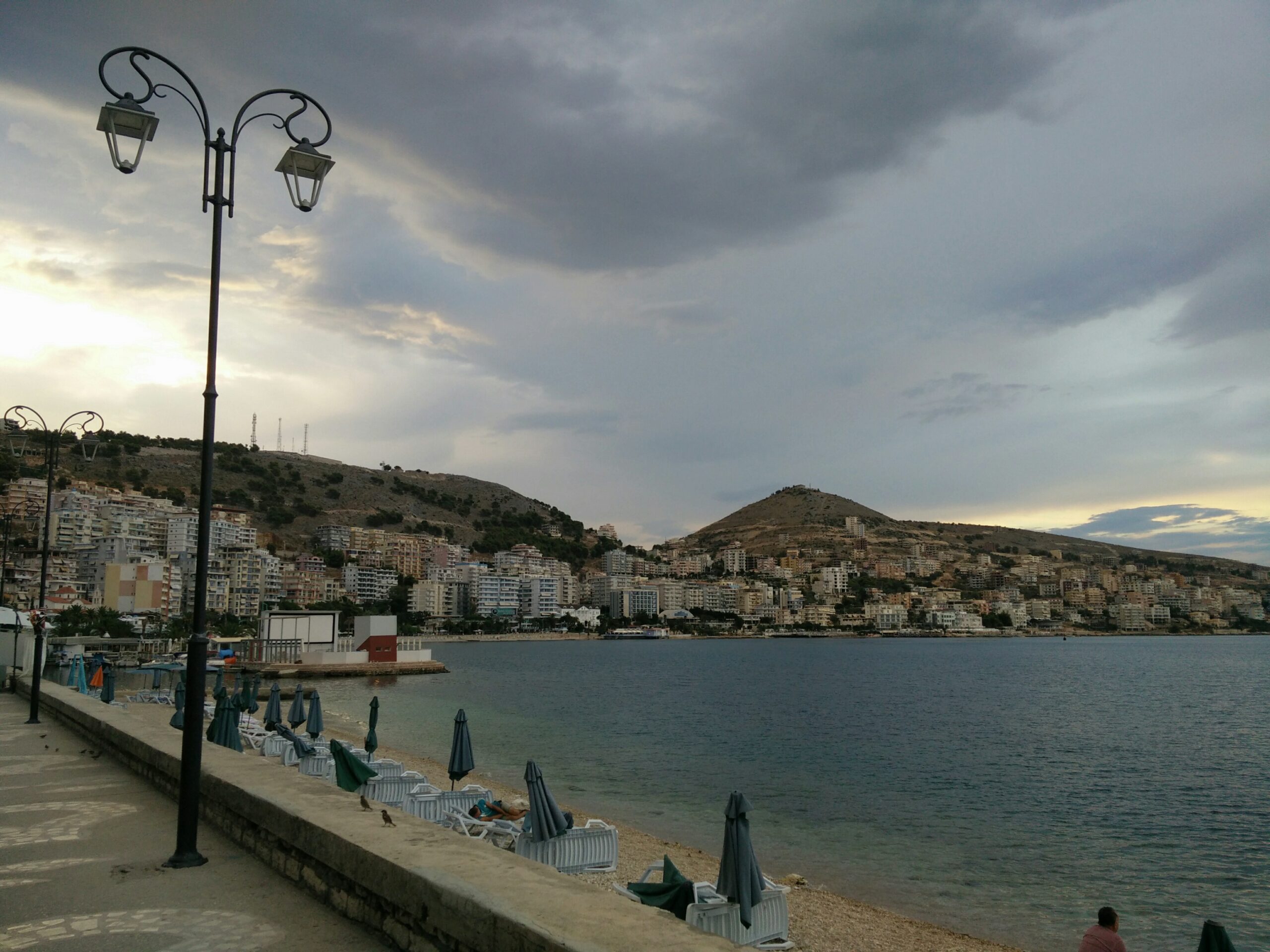
Sarandë is the coastal fantasy a lot of people picture first: sea views, promenade life, and a southern base that feels more obviously Mediterranean. It can be attractive, especially for slower stays outside the hottest demand window, but it should be priced carefully and talked about carefully. The available cost data is lower confidence, and the larger point matters more than the exact number anyway: popular coast towns can stop being cheap faster than Albania’s overall reputation suggests.
Shkodër and other everyday-city options
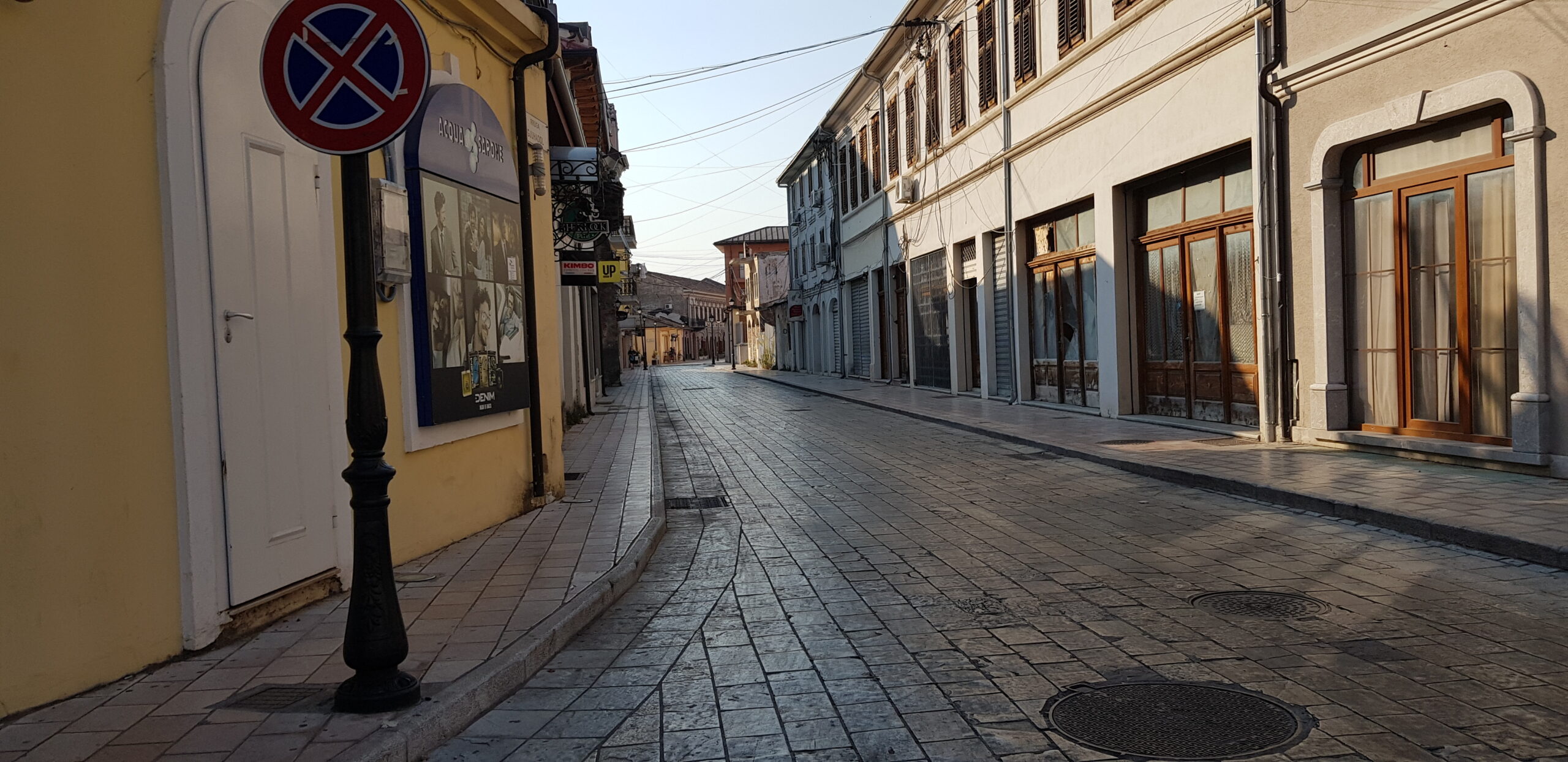
For some Americans, Albania may make more sense in an ordinary city than in the most internationally visible ones. Places like Shkodër, and in a different style Korçë, can appeal to readers who want a more local rhythm, softer housing pressure than Tirana’s hottest zones, and a life that is less shaped by expat expectation. These are the kinds of bases that often reward people who care more about sustainability than status.
Berat, Gjirokastër, and smaller historic-city logic
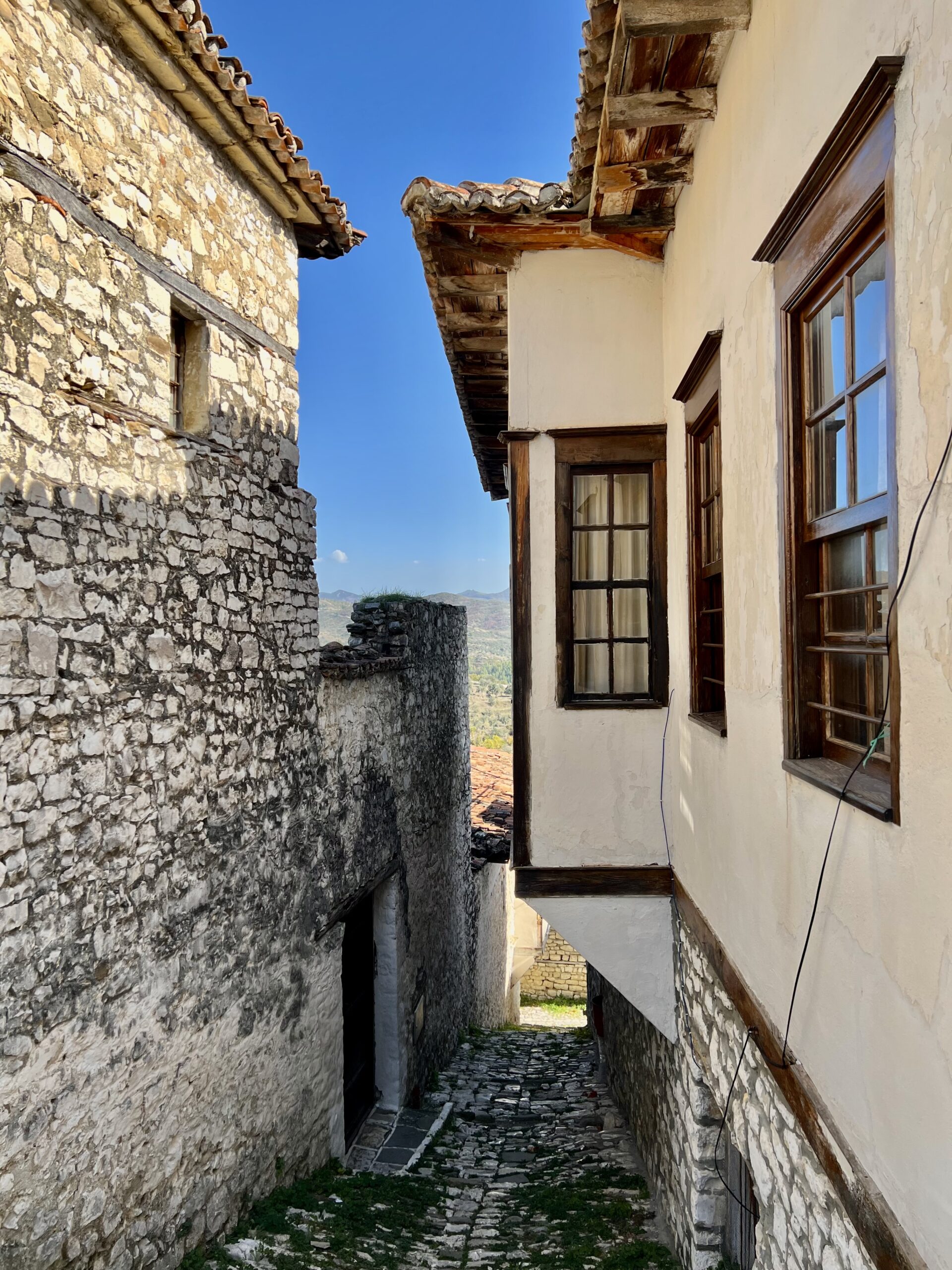
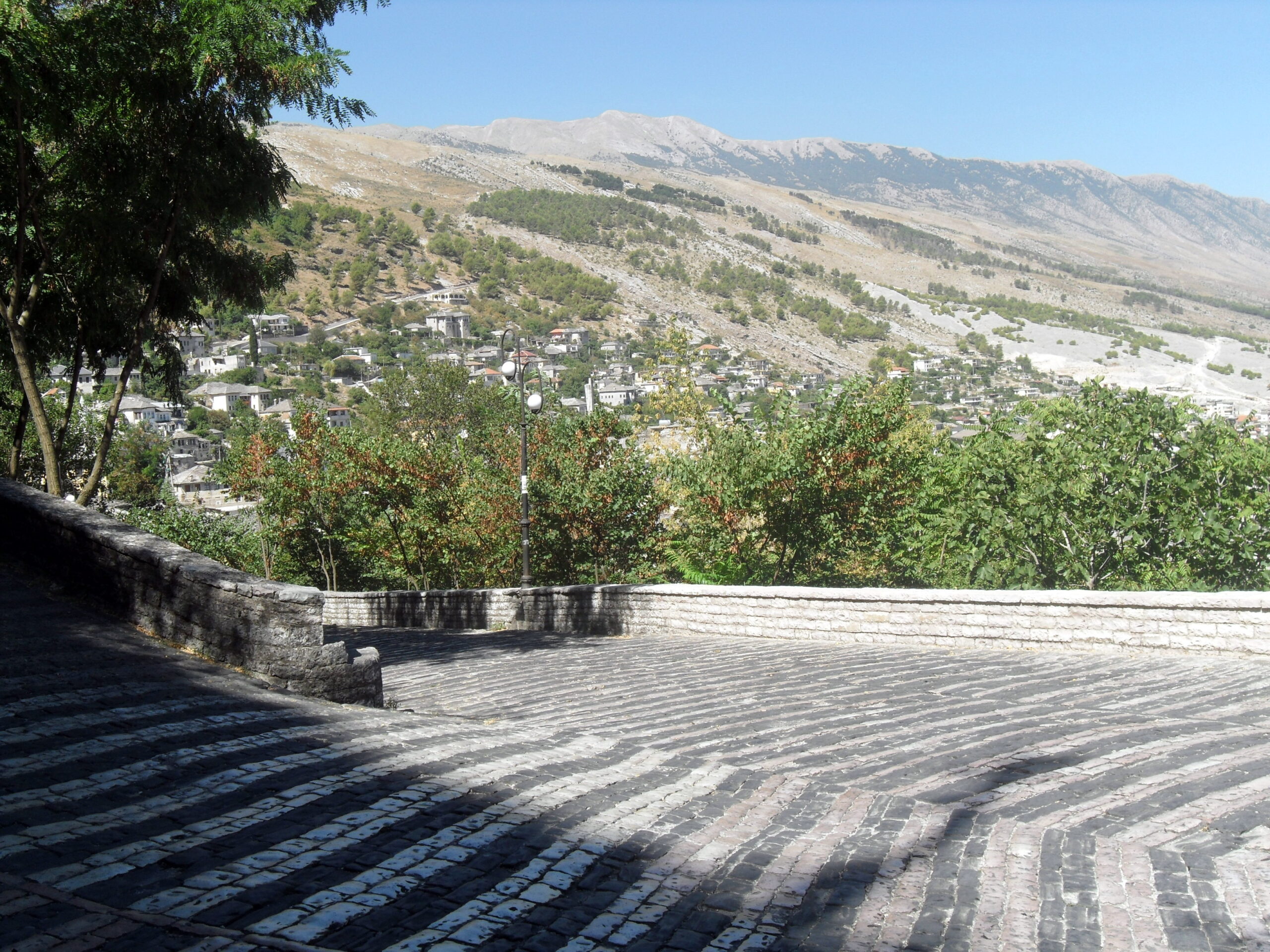
Berat and Gjirokastër represent another version of Albania’s appeal: beautiful historic environments, slower pace, and a more distinctive sense of place than a generic budget city can offer. They can be emotionally compelling, especially for retirement-minded readers who want something quieter and more atmospheric. The tradeoff is that smaller, heritage-heavy places are not automatically the best answer for healthcare depth, broader services, or friction-free logistics. They are best approached as lifestyle choices first and broad-service hubs second.
Who should probably avoid Albania
Albania is a weaker fit for people who want the romance of Europe but expect Western Europe-level polish, bureaucracy, and healthcare depth at Albania prices. It is also a weaker fit for anyone who gets emotionally attached to postcard coast life before checking what the actual housing market is doing.
- Readers who need top-tier specialist healthcare access close by for serious ongoing conditions
- People who want frictionless bureaucracy and highly standardized systems
- Americans assuming every desirable coast town is still ultra-cheap year-round
- Readers who would feel stressed rather than energized by a rougher, more uneven environment
- Anyone using cheap-Europe social media clips as their budgeting model
That sounds blunt, but it is the useful kind of blunt. Albania can be a real option. It is just not the right option for everyone who likes the idea of affordability in Europe.
Sample monthly budget ranges
- Lean but workable: roughly US $1,100 to $1,600 a month with disciplined housing choices and realistic expectations.
- Comfortable moderate: roughly US $1,600 to $2,200 a month for a more relaxed setup in many plausible Albania scenarios.
- Tirana, coast, or higher-comfort lifestyle: US $2,200+, especially if you want a more polished apartment, central location, or a more in-demand market.
Think of those as decision ranges, not guarantees. Albania still rewards careful planning, and the difference between a smart housing choice and a lazy one can change the whole monthly picture.
Final verdict
Albania is one of the more interesting lower-cost Europe options for Americans who care about affordability enough to tolerate some rough edges. That is the honest version of the pitch. It can offer better monthly math than the countries Americans talk about more often, and for some readers that is exactly what makes Europe start to feel possible again.
But Albania only looks great when you price it honestly and match it to the right temperament. Do not assume Tirana is cheap just because Albania is cheaper than Portugal. Do not assume a popular coast town is a hidden bargain because the country still has a budget reputation. Do not assume routine healthcare and serious-care planning are the same thing. And do not mistake a generous visitor allowance for proof that every longer-term step will be effortless.
If you approach it with that level of realism, Albania becomes a credible option for low-income to middle-class Americans, especially retirement-minded readers who want Europe more than polish and value more than status. If you do not, it is easy to fall in love with the idea and get irritated by the reality.
Read next if you are trying to make Albania actually work
- How to Choose Your First Base Abroad Without Overthinking It
- How to Find a Good Apartment for a 1- to 3-Month Stay Abroad
If you are choosing where to base yourself inside the country, compare the practical tradeoffs in this newer guide to the best places in Albania for coast, city, or simpler everyday living.
References
- U.S. Department of State, Albania country information and travel advisory, https://travel.state.gov/content/travel/en/international-travel/International-Travel-Country-Information-Pages/Albania.html and https://travel.state.gov/content/travel/en/traveladvisories/traveladvisories/albania-travel-advisory.html
- Numbeo, Cost of Living in Albania, https://www.numbeo.com/cost-of-living/country_result.jsp?country=Albania
- Numbeo, Cost of Living in Tirana, https://www.numbeo.com/cost-of-living/in/Tirana
- Numbeo, Cost of Living in Sarandë, https://www.numbeo.com/cost-of-living/in/Sarande-Albania
- Ookla Speedtest Global Index, Albania, https://www.speedtest.net/global-index/albania
- Wikipedia, Healthcare in Albania (secondary background only), https://en.wikipedia.org/wiki/Healthcare_in_Albania