
Quick answer: For many Americans on a modest or moderate budget, Coimbra is the best all-around Portugal base in this comparison, Porto is the best fit if you still want a real city without paying full Lisbon prices, and Lisbon only makes sense if you want capital-city energy badly enough to accept the housing premium.
Portugal still attracts Americans for good reasons. It feels orderly, walkable, and comparatively easy to imagine as a real life instead of a long vacation. For retirement-minded readers especially, the appeal is not just weather or old-world charm. It is the idea of a place where errands can be simpler, public life feels more normal, and daily routines do not require constant driving or constant stress.
But city choice matters much more than the dreamy Portugal pitch suggests. A lot of older expat content still treats Portugal as if the whole country were broadly affordable and as if Lisbon were just an easy European bargain. That is not the reality now. Housing pressure is the main story, and it changes the decision completely depending on whether you choose Lisbon, Porto, or Coimbra.
This guide is for Americans trying to pick a workable base, not win a postcard contest. The useful question is not which city is prettiest. It is which city gives you the best balance of budget control, walkability, routine, healthcare comfort, and day-to-day livability once the first-month excitement wears off.

The short version: who each city fits best
- Choose Lisbon if you want Portugal’s deepest big-city infrastructure, more international energy, and the easiest air connections, and you can afford higher rents without turning the rest of your budget into a struggle.
- Choose Porto if you still want a major urban base, strong transit, and everyday city life, but want a little more breathing room than Lisbon usually gives.
- Choose Coimbra if you care most about keeping housing more manageable while still living in a real, walkable, historically rich Portuguese city.
That is the core tradeoff map. Lisbon gives you the biggest menu of conveniences, but it is the least forgiving financially. Porto still works for some moderate-budget readers, but it is no longer a cheap secret. Coimbra gives up scale and some cosmopolitan energy, but it is usually the strongest fit for people who want Portugal to stay financially believable.
Lisbon: best if you want the full Portugal city experience and can pay for it
Lisbon is the city many Americans picture first, and that instinct is understandable. It is scenic, active, well connected, and easier to plug into if you want airport access, bigger-city services, and a wider international ecosystem. If your question is where Portugal feels most like a capital with real momentum, Lisbon wins.
The problem is that Lisbon also punishes vague budgeting. A one-bedroom apartment averages about €1,370 in the city center, roughly US $1,490, and about €1,044 outside the center, roughly US $1,140. An inexpensive restaurant meal runs about €13, or about US $14. Utilities for a roughly 915-square-foot apartment average about €151.67, or about US $165. Broadband runs about €31.21, or about US $34, and a monthly public transport pass is about €40, or about US $44.
Those everyday numbers are not outrageous by major Western European standards. Rent is the real issue. Once you start with Lisbon housing, a moderate American budget can narrow fast, especially if you need a furnished rental, want a central neighborhood, or arrive assuming the city will work at old-blog prices. Lisbon is not impossible. It is just rarely the smartest default for budget-conscious readers anymore.
Lisbon still makes sense for readers who care most about bigger-city infrastructure, want more healthcare and private-clinic choice, or simply know they will be unhappy in a smaller place. It is a weak fit for people who say they want Portugal because it is affordable but also insist on the capital-city version of the country.
- Best for: stronger budgets, frequent travelers, readers who want the most services and biggest-city energy
- Probably avoid if: your plan only works if rent stays moderate, or you want Portugal to feel financially easy rather than just desirable

Porto: best if you want real city life without Lisbon-level pressure
Porto is often the most tempting compromise because it still feels like a substantial city. You get a recognizable urban core, solid walkability, transit, culture, and a day-to-day life that can feel more manageable than Lisbon without dropping all the way into small-city quiet. For many Americans, that is exactly the middle ground they are after.
The numbers are more forgiving than Lisbon, but not dramatically so. A one-bedroom apartment averages about €1,099 in the center, roughly US $1,200, and about €810 outside the center, roughly US $885. An inexpensive meal is about €11.25, or about US $12. Utilities average about €120.81, or about US $132. Broadband runs about €33.06, or about US $36, and the monthly transport pass is about €40, or about US $44.
That is why Porto deserves careful framing. It is somewhat more moderate than Lisbon, but it is not a bargain version of Lisbon. If you arrive thinking Porto is where Portugal becomes cheap again, you will probably misread the market. If you arrive understanding that Porto is a still-popular city with somewhat softer numbers than the capital, it becomes easier to price honestly.
In daily-life terms, Porto can be a very good fit for readers who want a genuine city but do not need capital-city scale. It works especially well for people who want a strong urban routine and can accept moderate housing pressure without needing luxury or a highly polished furnished setup.
- Best for: readers who still want a major city, but with a slightly lower cost floor than Lisbon
- Probably avoid if: you need Portugal to feel distinctly low-cost or you are assuming Porto is still underpriced because Lisbon got all the attention first

Coimbra: best for a calmer, more realistic moderate-budget base
Coimbra is not the city people brag about first in casual Portugal conversations, which is exactly why it deserves more attention. It is smaller, calmer, and less wrapped up in the highest-pressure version of the Portugal story. For readers who care more about livability than status, that is not a drawback. It is often the point.
Coimbra’s numbers are where the article starts getting more believable for moderate-budget Americans. A one-bedroom apartment averages about €775 in the center, roughly US $845, and about €569 outside the center, roughly US $620. An inexpensive meal runs about €10, or about US $11. Utilities average about €116.70, or about US $127. Broadband is about €34.90, or about US $38, and a monthly transit pass is about €30, or about US $33.
Those rents do not make Coimbra cheap in some magical sense, but they do keep Portugal in a different conversation. Once housing stays closer to Coimbra levels, Americans with careful retirement income or a moderate monthly budget have a better chance of building a life that feels stable instead of squeezed. That is why Coimbra is probably the smartest answer here for more readers than Lisbon or Porto.
The tradeoff is obvious. Coimbra is not where you go for the fullest big-city menu. If you need constant novelty, the biggest expat scene, or the maximum number of international conveniences, it may feel too quiet. But if your goal is a slower routine, a more controlled budget, and a Portuguese city that still feels real rather than tiny, Coimbra holds up very well.
- Best for: retirement-minded readers, moderate-budget planners, and people who want routine more than buzz
- Probably avoid if: you know you need a big-city social or service environment to feel settled
Walkability, routine, and how daily life feels in each city
All three cities beat a lot of American locations on basic walkability and transit logic. That matters more than many people expect. If you can walk for groceries, take transit, sit down in a public square, and handle ordinary errands without driving everywhere, your month-to-month life often feels easier even before you start comparing prices.
Lisbon gives you the richest urban routine, but also the most friction from popularity, tourism, and housing competition. Porto usually feels a little more compact and somewhat less intense while still being unmistakably urban. Coimbra is where the pace slows down most clearly. For some readers that is the reward. For others it is where the city starts to feel too quiet. None of these are abstract lifestyle labels. They affect how much your normal Tuesday feels pleasant versus tiring.
There is also a practical caution Americans should hear more often: charming Portuguese cities can be hilly, older, and full of beautiful but inconvenient housing stock. Walkability is a strength, but mobility comfort varies by neighborhood and building. That is one more reason city choice and neighborhood choice matter so much. It is not enough to say you want Portugal. You need the version of daily life your knees, routines, and budget can actually support.

Healthcare and infrastructure comfort: Lisbon strongest, Porto solid, Coimbra adequate for many
For practical-minded Americans, healthcare comfort is part of the city decision even if cost is the headline. Lisbon has the deepest pool of larger-city services and the broadest sense of being able to get more things handled in one place. Porto is not far behind for many normal needs. Coimbra is smaller, but still benefits from being a real university city rather than a minor town with thin infrastructure.
The useful way to think about it is not that Lisbon is good and Coimbra is bad. It is that Lisbon gives you the highest ceiling for convenience, while Coimbra often gives you the best balance between comfort and affordability. If you have more specialized health needs, or you simply sleep better knowing you are in the biggest service market, Lisbon may justify its price for you. If your needs are more routine and your budget matters more, Coimbra becomes a much stronger value decision.
Porto lands in the middle again. That is why it is so often the city people consider seriously. It keeps enough real-city infrastructure to feel comfortable, but it does not force the full Lisbon premium. The caution, as usual, is not to confuse middle ground with cheapness.
What about Braga, Aveiro, and other quieter options?
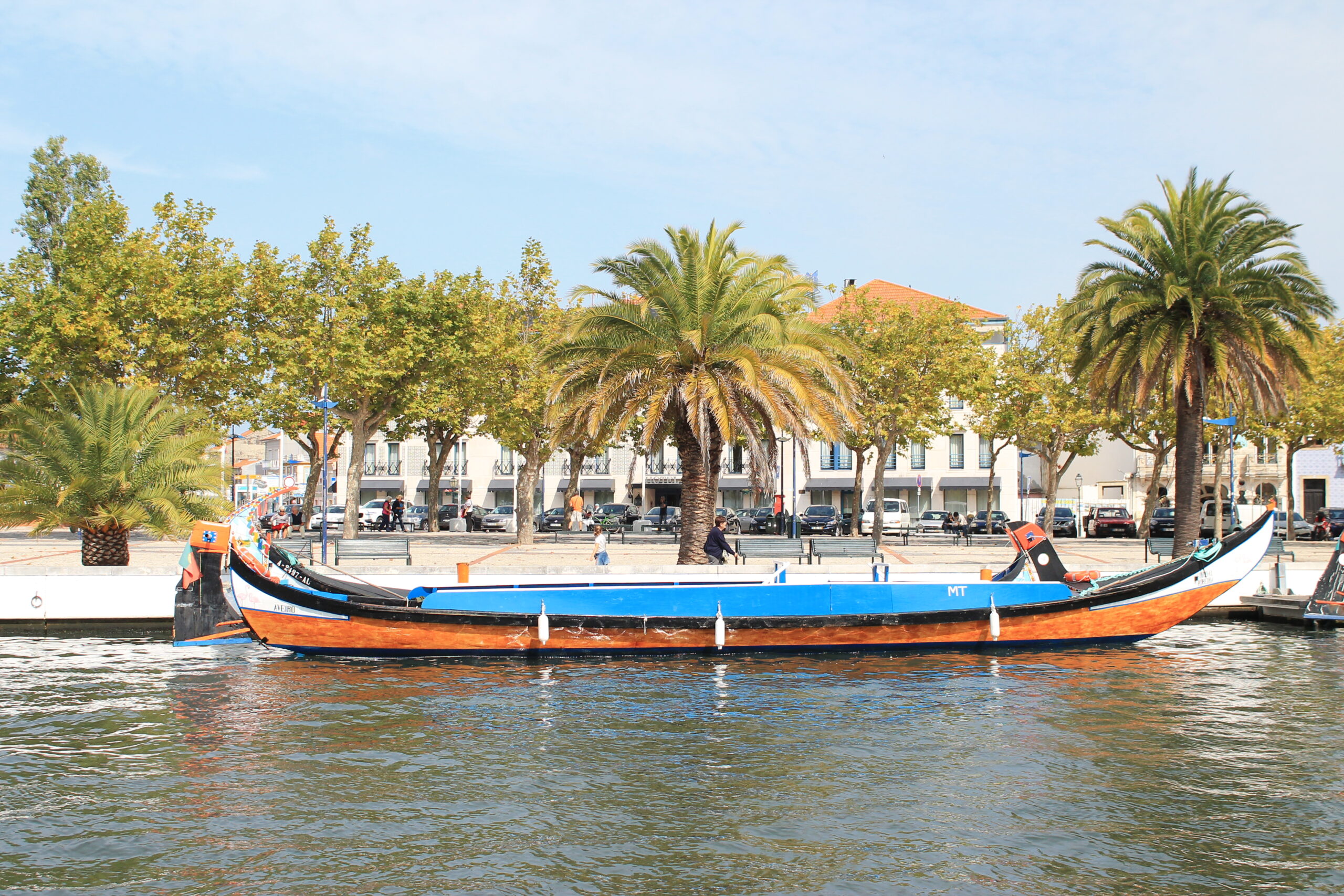
If Coimbra sounds close to right but you still want to explore beyond the big three, cities like Braga and Aveiro are worth pricing directly. The point is not that they automatically beat Lisbon, Porto, or Coimbra. The point is that many Americans now need to think city by city in Portugal instead of assuming the country has one simple affordability story.
These secondary options can make sense for readers who want slower routines, lower pressure, and a less fame-driven housing market than Lisbon or Porto. They also come with tradeoffs in scale, airport convenience, and international feel. That is why Coimbra remains such a useful benchmark. It sits in the sweet spot between full-city credibility and smaller-city affordability logic. Once you know whether Coimbra feels too small, too quiet, or just right, the rest of the Portugal shortlist becomes much easier to sort.
Sample monthly budget ranges by city
- Coimbra-type fit: roughly US $1,900 to $2,600 a month for a practical, moderate lifestyle if you choose housing carefully and avoid short-term-rental pricing.
- Porto-type fit: roughly US $2,300 to $3,100 a month if you want a real urban base but are not trying to live at luxury level.
- Lisbon-type fit: roughly US $3,000+ a month, and often more if you want better housing, more space, or a popular neighborhood.
Those are decision ranges, not guarantees. The biggest distortion factor is housing. A long-term ordinary apartment and a short-term furnished rental can feel like two different countries financially. That is why Portugal rewards patient, realistic planning and punishes dreamy assumptions.
Who should avoid each city
- Avoid Lisbon if your budget needs rent to stay genuinely moderate or if you are relying on old internet content that still frames the city as a bargain.
- Avoid Porto if you need a dramatic discount from Lisbon and will feel disappointed when the savings turn out to be real but limited.
- Avoid Coimbra if you know you need major-city energy, a larger social scene, or the widest possible range of international conveniences close at hand.
That does not make any of the three bad choices. It just means the right answer depends on what you are trying to protect: budget, pace, or scale. Most Americans cannot maximize all three in Portugal at once anymore.
Final verdict
If you want the blunt answer, Coimbra is probably the best city in Portugal for many Americans who want a slower, more affordable base. It is the city in this comparison most likely to keep the Portugal dream connected to a real budget. Porto is the best choice for people who still want a substantial city and can handle moderate housing pressure. Lisbon is the right choice only if you understand clearly that you are paying for the capital-city version of Portugal and are willing to absorb that premium.
That is the important shift for 2026. In Portugal, city choice matters almost as much as country choice now. If you default to the most famous market, you can talk yourself out of Portugal entirely. If you compare cities honestly, especially beyond Lisbon, the country can still make a lot of sense for retirement-minded and budget-conscious Americans who care more about livability than prestige.
For a weather-focused follow-up that looks beyond Lisbon prices, see Best Places in Portugal for Americans Who Want Good Weather Without Lisbon Prices.
References
- Numbeo, Cost of Living in Lisbon, https://www.numbeo.com/cost-of-living/in/Lisbon
- Numbeo, Cost of Living in Porto, https://www.numbeo.com/cost-of-living/in/Porto
- Numbeo, Cost of Living in Coimbra, https://www.numbeo.com/cost-of-living/in/Coimbra
- Numbeo, Cost of Living in Portugal, https://www.numbeo.com/cost-of-living/country_result.jsp?country=Portugal
If Lisbon remains the right Portugal option after comparing city types, use the standalone Lisbon guide for current-rent discipline, hills, transit, healthcare planning, and the capital-city tradeoff.
If Porto remains the right Portugal option after comparing city types, use the standalone Porto guide for current-rent discipline, hills, transit, healthcare planning, and the capital-city tradeoff.