Quick fit: For many single Americans, especially retirement-minded readers, the strongest all-around countries in a US $2,000 to $3,000 a month range are Mexico, Thailand, Albania, and Panama. Portugal and Spain can still work, but usually only if you price housing honestly and stop assuming Lisbon, Madrid, Barcelona, or the hottest coastal markets belong in a moderate-budget plan.
A lot of expat content gets this budget range wrong in both directions. One version turns US $2,000 to $3,000 a month into a luxury fantasy. The other treats it like a survival budget that only works in places with major compromise. For a lot of Americans, neither version is especially useful.
This range is better understood as a decision band. In the right country and the right city, it can support a stable, comfortable everyday life with decent housing, regular meals out, workable healthcare planning, and enough margin to breathe. In the wrong city, or with short-stay-rental assumptions, the same budget can start feeling tight surprisingly fast.
The point of this shortlist is not to crown one universal winner. It is to help lower-income to middle-class Americans, especially retirement-minded readers, sort out where this budget still buys a real life rather than a postcard fantasy. That means looking at rent pressure, healthcare depth, safety, infrastructure, bureaucracy, and how hard daily adjustment is likely to feel after the first week.
What US $2,000 to $3,000 a month can and cannot do abroad
The useful middle point in this whole conversation is usually around US $2,500 a month. At that level, a single American can often build a workable to comfortable routine in several countries on this list without living especially large. At US $2,000, the better-fit countries still look plausible if housing choices are disciplined. At US $3,000, the picture gets noticeably easier, but not equally everywhere.
What this budget usually can do is cover a one-bedroom apartment, groceries, some restaurant spending, utilities, internet, local transportation, and basic private-insurance or out-of-pocket healthcare planning in countries where rent has not completely outrun ordinary local economics. What it usually cannot do is guarantee the most famous neighborhoods, the prettiest coasts, or a frictionless version of residency and healthcare in every market.
That is why city choice matters almost as much as country choice. A country can belong on this list while its best-known city does not fit the budget very well. Portugal and Spain are the clearest examples. Mexico can also swing dramatically depending on whether you price Mérida or Querétaro versus Mexico City or Puerto Vallarta. Thailand changes a lot between Chiang Mai, Bangkok, and the islands. Panama changes if your mental picture is Panama City high-rise life rather than a more ordinary setup.
The shortlist, in plain English
- Mexico: one of the strongest overall fits for Americans who want value plus proximity to the U.S.
- Thailand: among the best comfort-per-dollar choices if you are realistic about visas and city variation.
- Albania: one of the clearest lower-cost Europe options if you can accept rougher infrastructure and thinner healthcare depth.
- Panama: a solid moderate-budget option for readers who value easier daily adjustment and U.S.-dollar familiarity.
- Portugal: still viable, but much more conditional than older expat marketing suggests.
- Spain: still attractive and livable, but usually only when you avoid the most obvious high-pressure cities.
If you want the shortest possible version, the first four are the best raw fits in this budget band. Portugal and Spain belong more in the careful if you choose well category.
Country-by-country comparison
Mexico, still one of the easiest places to make the math work
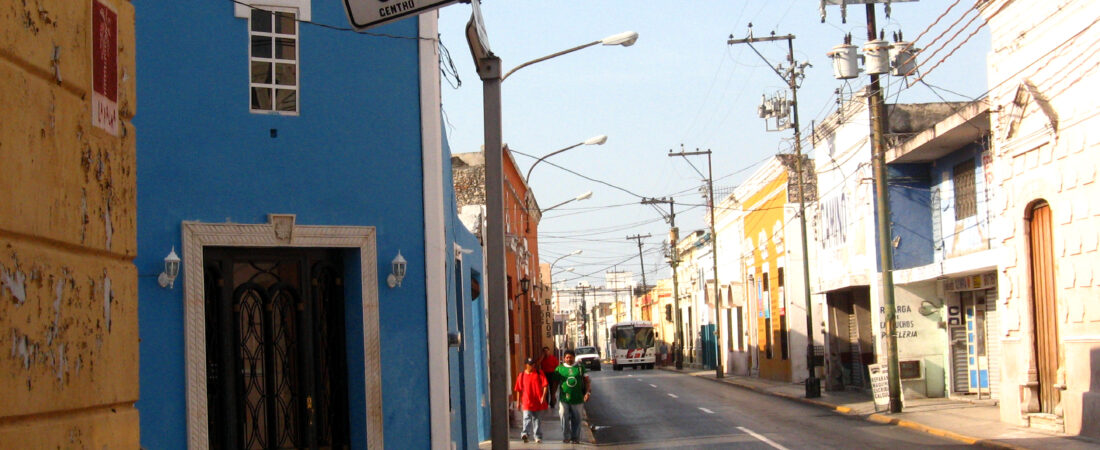
Mexico remains one of the most practical answers for Americans in this budget range because it combines lower everyday costs with geographic familiarity and easier access back to the United States. Numbeo’s country snapshot puts a one-bedroom apartment at about 13,735 MXN, roughly US $675, in a city center and about 9,040 MXN, roughly US $445, outside the center. Utilities for a roughly 915-square-foot apartment run about 1,266 MXN, or around US $62, and broadband averages about 537 MXN, or about US $26.
That is strong value, but the city-level warning matters. Mexico City and Puerto Vallarta can burn through this budget much faster than smaller-city options like Mérida or Querétaro. Mexico is also the country on this list where readers need to resist lazy national-level thinking about safety. Safety should be judged state by state and city by city, not by one sweeping country label.
For Americans who want the most room in the budget without going very far from home, Mexico is still hard to beat. It is especially strong for readers who want a real city, ordinary conveniences, and a softer financial landing than Southern Europe now offers.
Albania, the strongest lower-cost Europe math with real tradeoffs attached
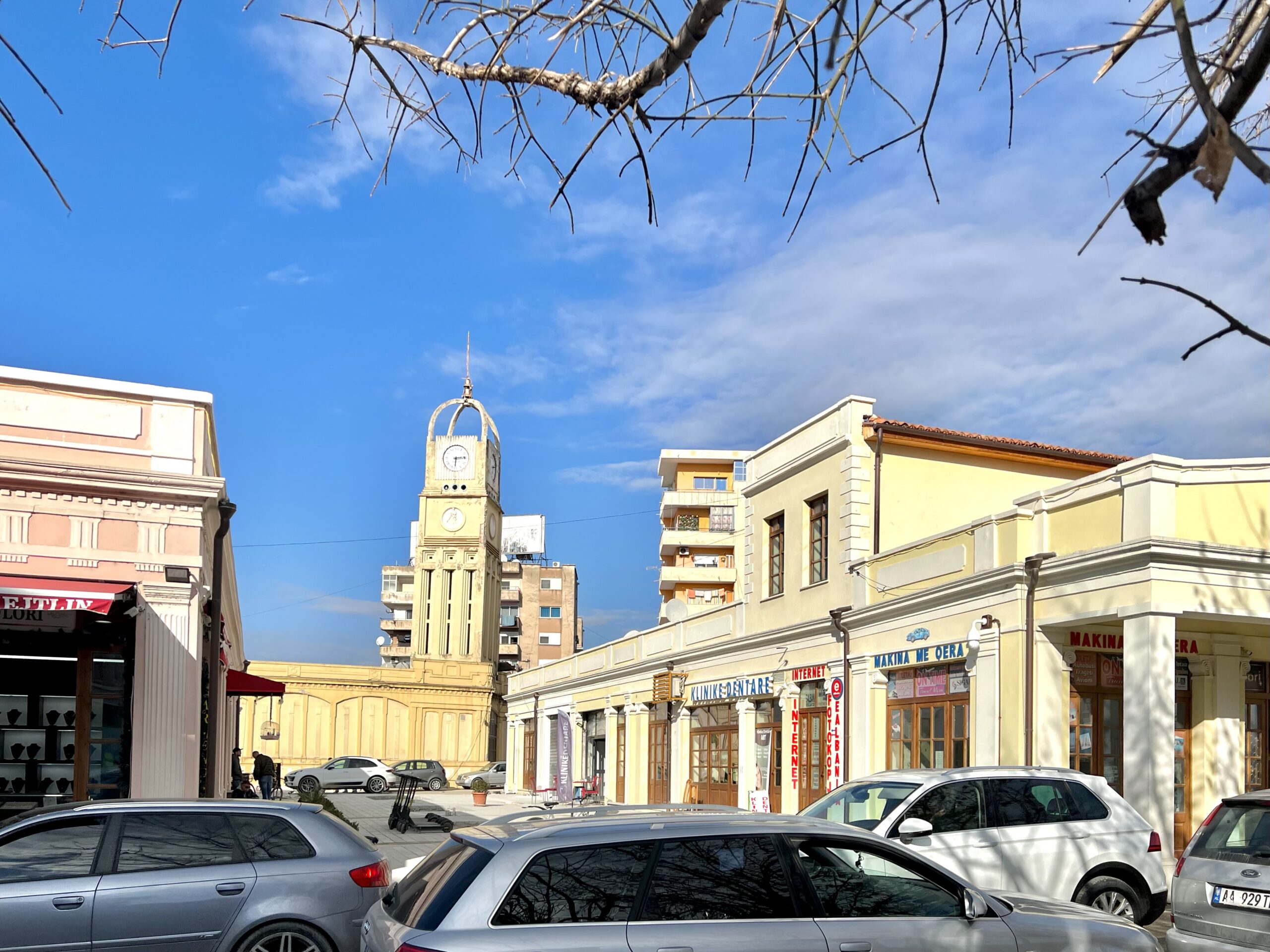
Albania is one of the clearest examples of a country that can make Europe feel financially possible again. Current country-level figures put a one-bedroom apartment at about 47,360.65 lek, roughly US $500, in a city center and about 32,689.60 lek, roughly US $345, outside the center. Utilities average about 8,510.98 lek, or about US $90, and broadband is about 1,542.97 lek, or roughly US $16.
For budget readers, that is excellent by European standards. The catch is that Albania should not be sold as Portugal or Spain at a discount. The infrastructure is less polished, bureaucratic friction is more real, and it is a weaker fit for anyone who needs deep specialist healthcare nearby. It can be a very workable option for routine living, but it is not the best emotional fit for readers who want everything to feel orderly and standardized.
That said, if your question is simply whether US $2,000 to $3,000 buys a plausible European life, Albania deserves to be near the top of the list. It is one of the few places where this budget can still look plainly comfortable rather than merely survivable.
Thailand, excellent comfort-per-dollar if you keep the visa and city caveats in view
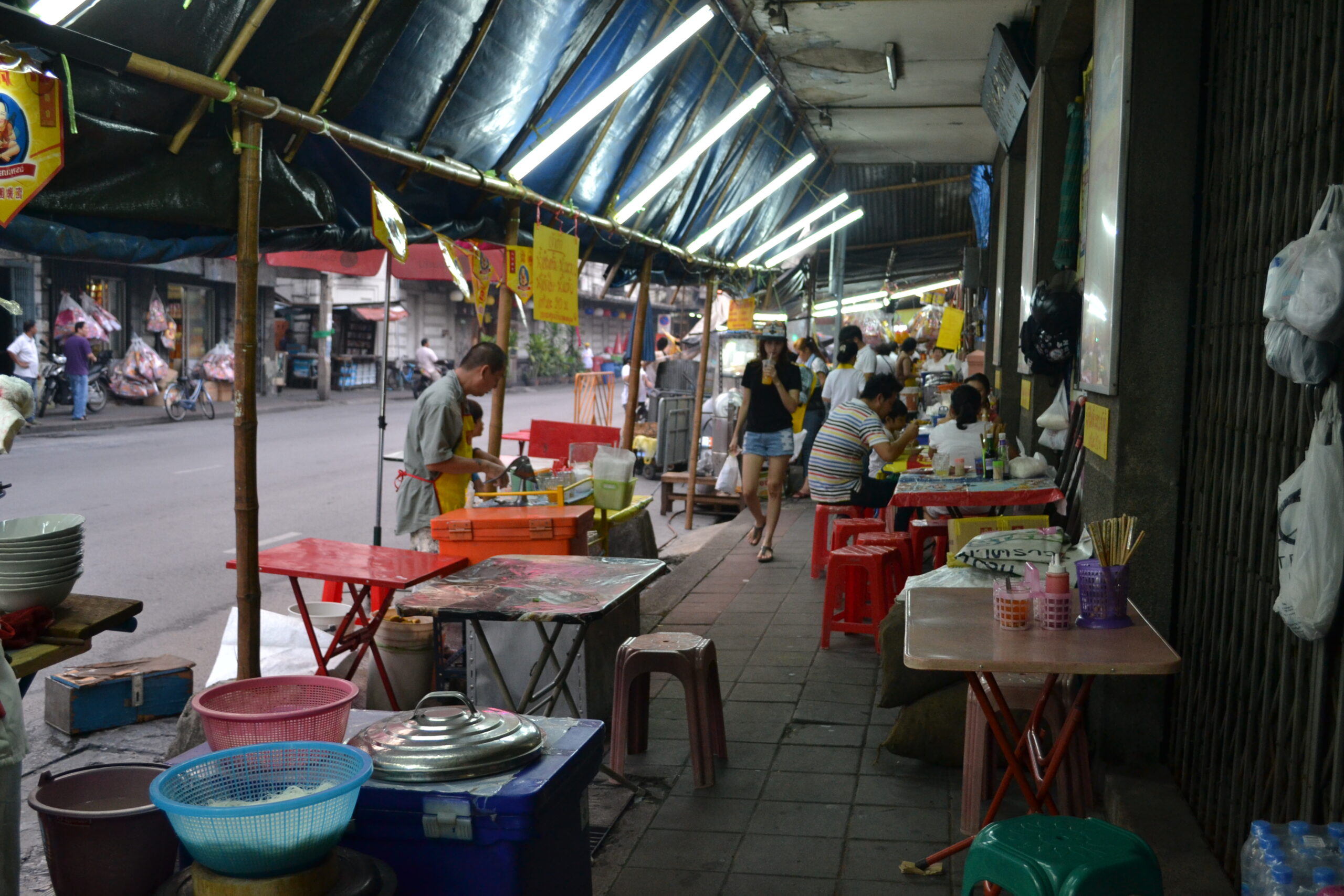
Thailand is one of the strongest countries here if your priority is daily affordability. Country-level Numbeo figures put a one-bedroom apartment at about 15,541.06 baht, roughly US $460, in a city center and about 9,182.63 baht, roughly US $272, outside the center. A cheap restaurant meal averages about 100 baht, around US $3. Utilities average about 2,660.61 baht, or roughly US $79, broadband about 604.43 baht, or about US $18, and a monthly transport pass about 1,077.50 baht, or roughly US $32.
Those numbers explain why Thailand keeps showing up in moderate-budget living-abroad conversations. Still, this is not a country to describe carelessly. Bangkok, Chiang Mai, and more tourist-heavy island markets can behave very differently. And while the U.S. State Department notes that U.S. citizen tourists entering Thailand for fewer than 60 days do not require a visa, that should not be turned into a blanket claim that longer stays are simple. Official Thai rules should always be checked directly before anyone builds a long-stay plan around them.
For readers who are open to Asia, can handle the distance from the United States, and care most about comfort per dollar, Thailand is one of the best answers in this whole comparison.
Panama, less ultra-cheap than its old marketing but still easy for many Americans to picture
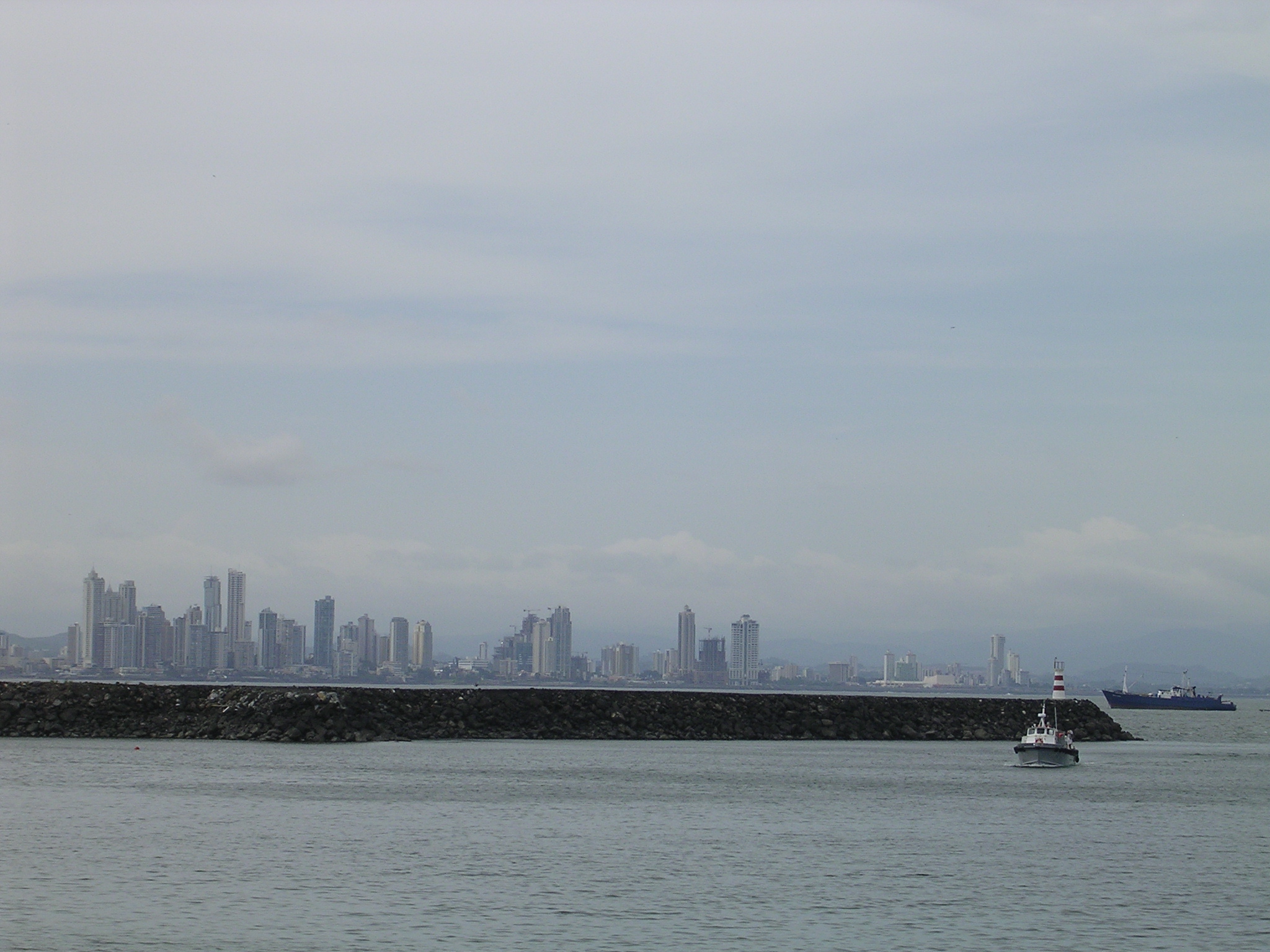
Panama stands out because it is not just a cost story. It is also an adjustment story. For many Americans, the use of the U.S. dollar, the familiarity of everyday transactions, and the easier mental transition matter almost as much as raw rent. The current country-level data puts a one-bedroom apartment at about US $1,023 in a city center and about US $795.57 outside the center. Utilities average about US $109.35, broadband about US $47.59, a monthly transport pass about US $21, and an inexpensive restaurant meal about US $10.
That means Panama is not as cheap as Mexico, Thailand, or Albania. But it can still fit this budget range if the reader values smoother day-to-day adjustment and is not expecting bargain-basement numbers. The U.S. State Department says U.S. tourists can stay in Panama for 180 days without a visa and notes entry requirements including passport validity, proof of funds, and a return ticket. That makes Panama relatively easy to try, even if long-term legal planning still deserves its own homework.
Panama makes the most sense for Americans who want something that feels easier to land in and easier to understand, even if the monthly math is less impressive than the cheapest options in this comparison.

Spain, very livable in the right places and much less forgiving in the obvious ones
Spain belongs on this list, but with a tighter warning label than some readers may want. Country-level rent averages come in around €891.17, roughly US $970, for a one-bedroom in a city center and €697.59, roughly US $760, outside the center. Utilities average about €133.60, or around US $146. Broadband averages about €28.78, or roughly US $31. A monthly public transport pass is about €30, or around US $33, and a cheap restaurant meal averages about €15, or about US $16.
Those are not impossible numbers, but they are not soft numbers either. In practice, Spain usually works in this budget range only when readers stop assuming Madrid, Barcelona, or the hottest coastal markets are part of the plan. Secondary cities are where this budget starts looking plausible again. The U.S. State Department’s Spain page currently says to exercise increased caution because demonstrations and unrest can occur, but that should be understood as a normal awareness note, not a reason to strike Spain from the list.
Spain is best thought of as a lifestyle-quality option with stronger housing pressure. If you pick city carefully, it can still be a very good moderate-budget country. If you pick lazily, it gets expensive fast.
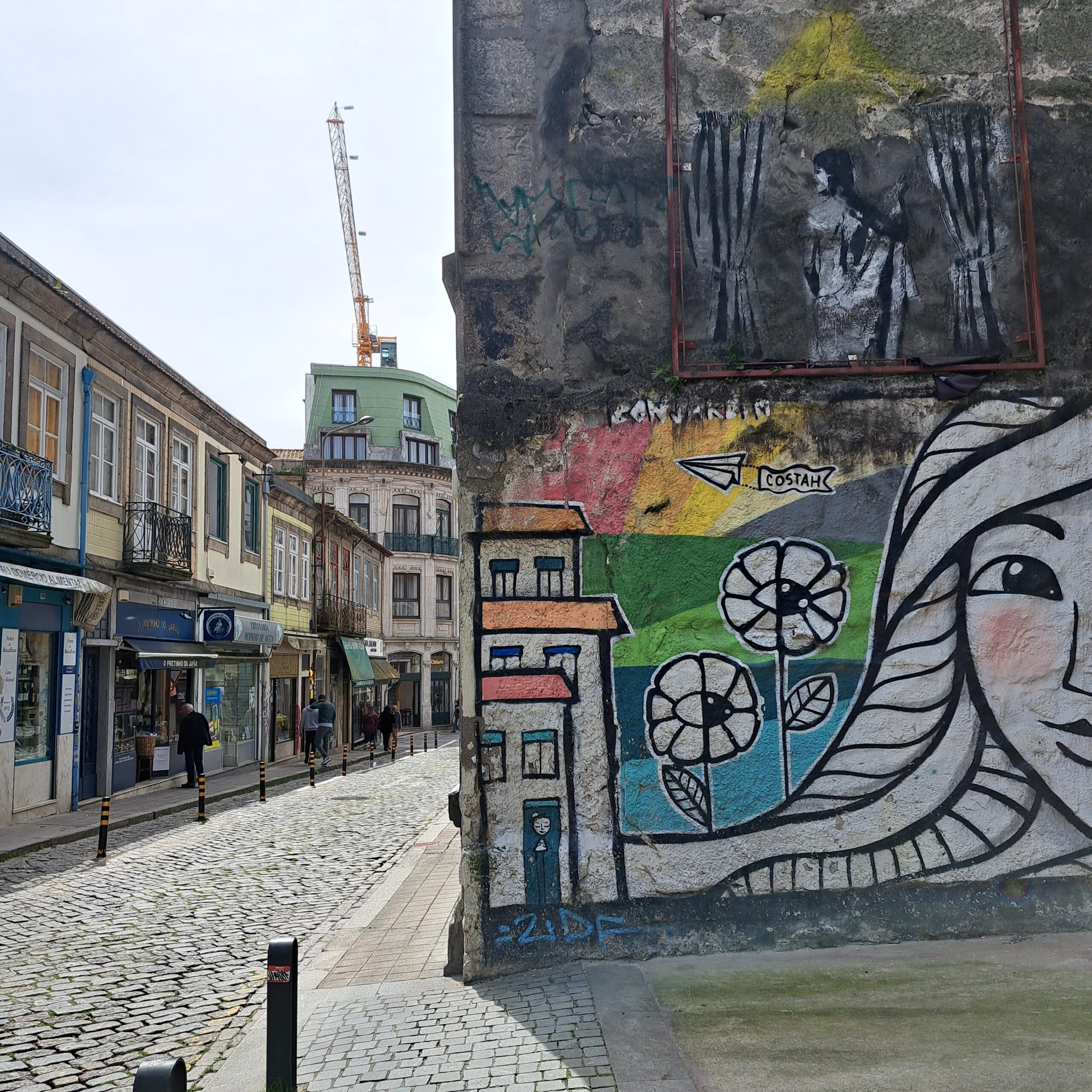
Portugal, still attractive, still orderly, and no longer something to call cheap
Portugal is still one of the most appealing countries in this conversation for retirement-minded Americans because it is easy to picture: calmer pace, decent infrastructure, walkable cities, and an everyday life that often feels more orderly than many alternatives. But the older affordability story is mostly gone. Current country-level averages put a one-bedroom apartment at about €900.81, roughly US $980, in a city center and €717.14, roughly US $780, outside the center. Utilities average about €116.38, or roughly US $127, and broadband about €36.58, or around US $40.
That means Portugal can still work in a US $2,000 to $3,000 budget, but much more convincingly in secondary cities than in Lisbon. Readers who keep Lisbon in the dream version of the plan often discover that the budget feels thinner than expected. Portugal remains attractive because the daily-life quality can be strong, not because it is broadly cheap anymore.
In this comparison, Portugal is a conditional fit rather than a raw-value winner. It is better for readers who care more about order, walkability, and routine than squeezing every possible dollar.
Rent and housing reality, which is where most budgets get corrected
If readers take only one lesson from this comparison, it should probably be this: national averages are useful, but housing is where the fantasy usually breaks. Mexico can look generous until someone prices Mexico City or Puerto Vallarta lazily. Portugal and Spain can look reasonable until someone insists on Lisbon, Madrid, Barcelona, or the most obvious coast. Thailand can look almost easy until tourist-heavy neighborhoods enter the picture. Panama can fit until the plan quietly assumes Panama City convenience without Panama City pricing.
Furnished short-stay rentals are another common trap. They often distort a country’s true monthly picture upward. For retirement-minded readers especially, that matters because many first calculations are based on the exact housing category that punishes the budget most. The better question is not “What does a furnished one-month rental cost in the most visible neighborhood?” It is “What does a realistic longer-stay setup cost in a city that actually fits my income?”
By that standard, Mexico, Thailand, Albania, and Panama usually give this budget more breathing room. Portugal and Spain can still work, but only if the reader is willing to win on city choice instead of trying to win on wishful thinking.
Healthcare, infrastructure, and adjustment matter almost as much as price
This is where the shortlist becomes more personal. Albania wins strongly on European affordability, but not on polished infrastructure or deep specialist healthcare confidence. Thailand wins strongly on daily costs, but it asks Americans to get comfortable with distance, climate, and careful visa checking. Mexico often gives a very workable mix of cost and familiarity, but safety and city selection need more care than Portugal usually does. Panama asks for more money than the cheapest picks, yet can feel mentally easier because of language exposure, dollar familiarity, and smoother adjustment for many Americans.
Portugal and Spain are the countries here that most often win on quality-of-life imagination. They are easy to picture as pleasant, civilized, walkable lives. The problem is that readers sometimes let that emotional ease hide the rent pressure. In other words, they are not bad fits. They are just less forgiving fits for this budget than internet nostalgia still suggests.
Best fit by reader type
- Best for raw value plus U.S. proximity: Mexico
- Best for lower-cost Europe: Albania
- Best for comfort-per-dollar in Asia: Thailand
- Best for easier transition and dollar familiarity: Panama
- Best for slower, orderly Europe if you can handle rent better: Portugal
- Best for lifestyle quality if you choose city carefully: Spain
That is a more honest way to use this shortlist than pretending one country wins for everyone. Temperament, healthcare needs, family distance, and tolerance for bureaucracy matter too much for that.
Who should not use this shortlist blindly
- Readers who assume every country on the list buys the same comfort at the same budget
- People emotionally attached to Lisbon, Madrid, Barcelona, Panama City high-rise life, or the most famous beach zones while still calling themselves moderate-budget
- Americans who need deep specialist healthcare nearby but have not matched that need against the actual country
- Readers treating tourist-allowance rules as proof that long-term residency will be simple
- Anyone still budgeting from expat-marketing clichés like “live like a king”
If you are comparing broad country choices but still want one capital-scale city to pressure-test, Buenos Aires as a culture-heavy city test on a moderate budget can help you compare rent volatility, walkability, healthcare access, and big-city friction against quieter first-base options.
Final verdict
If the goal is to live abroad on US $2,000 to $3,000 a month without turning the plan into a fantasy, the strongest countries in this first-pass comparison are Mexico, Thailand, Albania, and Panama. They give the budget either better raw value, easier adjustment, or both.
Portugal and Spain still deserve a place on the shortlist, but only with more caution around rent and city choice. They are not bad answers. They are just more conditional answers now. The budget can work there, but usually not in the most obvious places and not if the reader is pricing the most photogenic version of the country.
The honest way to use this article is not to ask which country sounds best. It is to ask where your money, your health needs, your tolerance for friction, and your idea of a good everyday life line up most cleanly. That is what turns a nice-sounding shortlist into a workable plan.
Spain can fit this range for some readers, but city choice matters. Start with this Valencia, Alicante, and Málaga budget comparison before assuming one Spain budget works everywhere.
If Panama is on your shortlist in this income range, pair the country-level view with this Panama city-by-city budget reality check covering Boquete, David, and Panama City.
If you want a narrower starting point before comparing every country, use Portugal, Spain, and Panama as easier first-base options. Those three choices give a practical bridge between budget research and a first one- to three-month test.
For a narrower next step inside this budget range, compare Mexico vs. Panama as practical first-base options before you decide whether proximity, healthcare familiarity, or easier daily logistics matters most.
Uruguay often sits above the cheapest first-base options, but readers with more room in the budget can also review Montevideo for Americans who can trade a higher budget for a calmer capital. It is a useful contrast when safety, order, and coastal-city routines matter more than finding the lowest monthly number.
References
- U.S. Department of State, Spain country information, https://travel.state.gov/content/travel/en/international-travel/International-Travel-Country-Information-Pages/Spain.html
- U.S. Department of State, Thailand country information, https://travel.state.gov/content/travel/en/international-travel/International-Travel-Country-Information-Pages/Thailand.html
- U.S. Department of State, Panama country information, https://travel.state.gov/content/travel/en/international-travel/International-Travel-Country-Information-Pages/Panama.html
- Numbeo, Cost of Living in Mexico, https://www.numbeo.com/cost-of-living/country_result.jsp?country=Mexico
- Numbeo, Cost of Living in Portugal, https://www.numbeo.com/cost-of-living/country_result.jsp?country=Portugal
- Numbeo, Cost of Living in Albania, https://www.numbeo.com/cost-of-living/country_result.jsp?country=Albania
- Numbeo, Cost of Living in Spain, https://www.numbeo.com/cost-of-living/country_result.jsp?country=Spain
- Numbeo, Cost of Living in Thailand, https://www.numbeo.com/cost-of-living/country_result.jsp?country=Thailand
- Numbeo, Cost of Living in Panama, https://www.numbeo.com/cost-of-living/country_result.jsp?country=Panama