
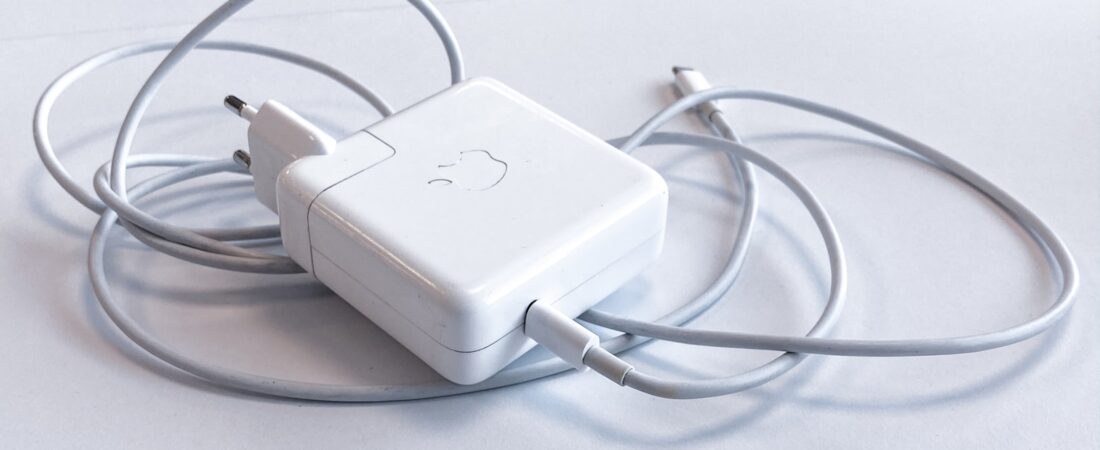
A good power kit is not the one with the most gadgets. It is the one that keeps your phone, laptop, and daily-use gear alive without turning every evening into a cable puzzle.
Power problems are rarely dramatic enough to qualify as travel horror stories. They are just annoying enough to quietly poison a trip. One wrong adapter, one flaky cable, or one charger with too few ports can create a steady drip of irritation that follows you from airport to apartment.
That is why the best long-stay power kit is less about buying fancy equipment and more about deciding what has to work every single day. Once you know that, the kit gets smaller and smarter.
Start with the jobs, not the gear
Ask what your power setup actually has to do. Keep your phone charged? Handle a laptop? Cover a watch, earbuds, or battery bank? Support a bedside routine? Help on long transit days? Most people get into trouble because they pack gear first and logic second.
- Nightly charging for the devices you use every day
- Fast enough top-ups for travel days
- A sane port count for apartment life
- One backup plan if a cable or charger fails
The core kit that covers most people
For many travelers, a strong core kit is surprisingly modest: one dependable wall charger with enough output, the correct plug adapter for the country, two or three reliable cables, and one small battery bank. Add anything else only if it solves a real recurring problem.
That sounds almost too simple, but simple kits usually survive travel better because there is less to forget, less to troubleshoot, and less junk taking up outlet space in awkward apartments.

Why port count matters more than people think
Apartment outlets are often badly placed, limited in number, or already partially occupied. That means charger design matters. One compact charger with multiple usable ports usually beats carrying a pile of single-device bricks.
Think about your actual nightly lineup. If you regularly charge a phone, watch, earbuds, and battery bank, your setup should acknowledge that reality. Otherwise you start playing charger musical chairs every night.
Adapters, converters, and other confusion magnets
Most people mainly need the right plug adapter, not a giant conversion strategy. The key is verifying compatibility before you leave rather than assuming your old drawer of random travel plugs still covers the trip. Label the correct adapter if needed. Boring wins here.
Do not cheap out on your failure points
The gear most likely to ruin your day is usually a cable, a cheap adapter, or the single charger everything depends on. If something is mission-critical, use a version you already trust. The road is a bad place to test whether an unknown cable can be part of your personality.
A smart backup is small
Backup does not have to mean duplication of everything. Usually it means one spare cable for the device you most depend on and a battery bank that can bridge you through a rough day. That small amount of redundancy covers a lot.
Apartment routine matters
The easiest way to make a longer stay feel organized is to create one charging routine in the apartment. One landing spot. One bedtime sequence. One place where the key cables live. If you let chargers drift across rooms, the setup starts falling apart fast.
A practical long-stay power checklist
- One dependable multi-port charger
- The correct plug adapter for the destination
- Reliable phone and laptop cables
- Small battery bank
- One backup cable for the device you rely on most
- A simple nightly charging routine
If your power kit feels boring, compact, and easy to reset, that is a good sign. The goal is not impressive gear. The goal is fewer stupid power problems on days when you already have enough to think about.