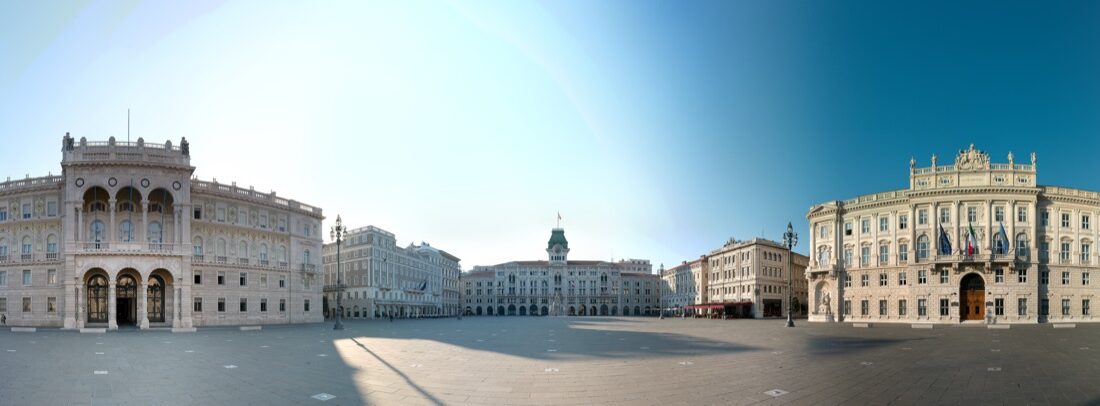
Quick fit: For many Americans who want smaller-city Italy without Milan or Rome prices, Parma is the safest all-around pick, Trieste is the best sea-and-café choice, and Lucca is the beauty-first option if you can carry a higher rent floor. Lecce is still worth pricing as a cheaper southern wildcard, but it is not the same kind of infrastructure-and-access play as the main three.
A lot of Italy advice aimed at Americans becomes least useful right where real decisions start. It jumps straight to Rome and Milan, where the beauty is real but so is the housing pressure, or it drifts into postcard-town fantasy without saying much about airports, hospitals, rent, or what your Tuesday errands would actually feel like.
A better question is which smaller Italian cities still give you daily beauty as part of normal life, not just as something you rent for a long weekend, while keeping routine and monthly math more believable than the country’s headline markets. That is where Parma, Trieste, and Lucca become useful to compare side by side. They are all attractive, but they solve different problems for different Americans.
This guide is for low-income to middle-class Americans, especially retirement-minded readers, who want Italy to feel humane rather than frantic. The point is not to find a magical cheap loophole. The point is to figure out which city still works once rent, airport access, walkability, and ordinary daily movement stop being abstract.
Why these cities can fit better than Milan or Rome for some Americans
Milan and Rome are not bad choices. They are just not the automatic best choices for every American who likes Italy. Big cities bring bigger housing pressure, bigger daily footprints, more tourist or commuter stress, and more temptation to build an expensive version of life by default. Smaller-city Italy can feel better not because it is perfect, but because it can bring the scale back down without giving up beauty entirely.
That smaller scale matters most when you are not visiting. It matters when you are walking to coffee, getting groceries, planning a specialist appointment, checking whether the airport is close enough to stay practical, and deciding whether the city still feels workable after the novelty wears off. Parma, Trieste, and Lucca are worth comparing because they all offer visible beauty, but they do not all charge for it or operationalize it in the same way.
The short version: who each city fits best
- Choose Parma if you want the strongest all-around balance of services, culture, healthcare depth, and believable northern-Italy housing.
- Choose Trieste if you want sea light, café culture, and a more urban daily rhythm without going full Milan or Rome.
- Choose Lucca if your top priority is walking through beauty every day and you can accept higher rent plus more tourism pressure.
- Price Lecce separately if you want warmer southern light and a lower monthly floor, but understand that it belongs in the wildcard lane here, not the main three-city comparison.
That is the practical map. Parma helps the most if you want fewer compromises. Trieste helps the most if you want atmosphere plus water plus real city texture. Lucca helps the most if daily beauty is not a side preference but the actual thing you are willing to pay for. Lecce is attractive, but it belongs in the secondary-options conversation because the infrastructure and access case here is thinner.
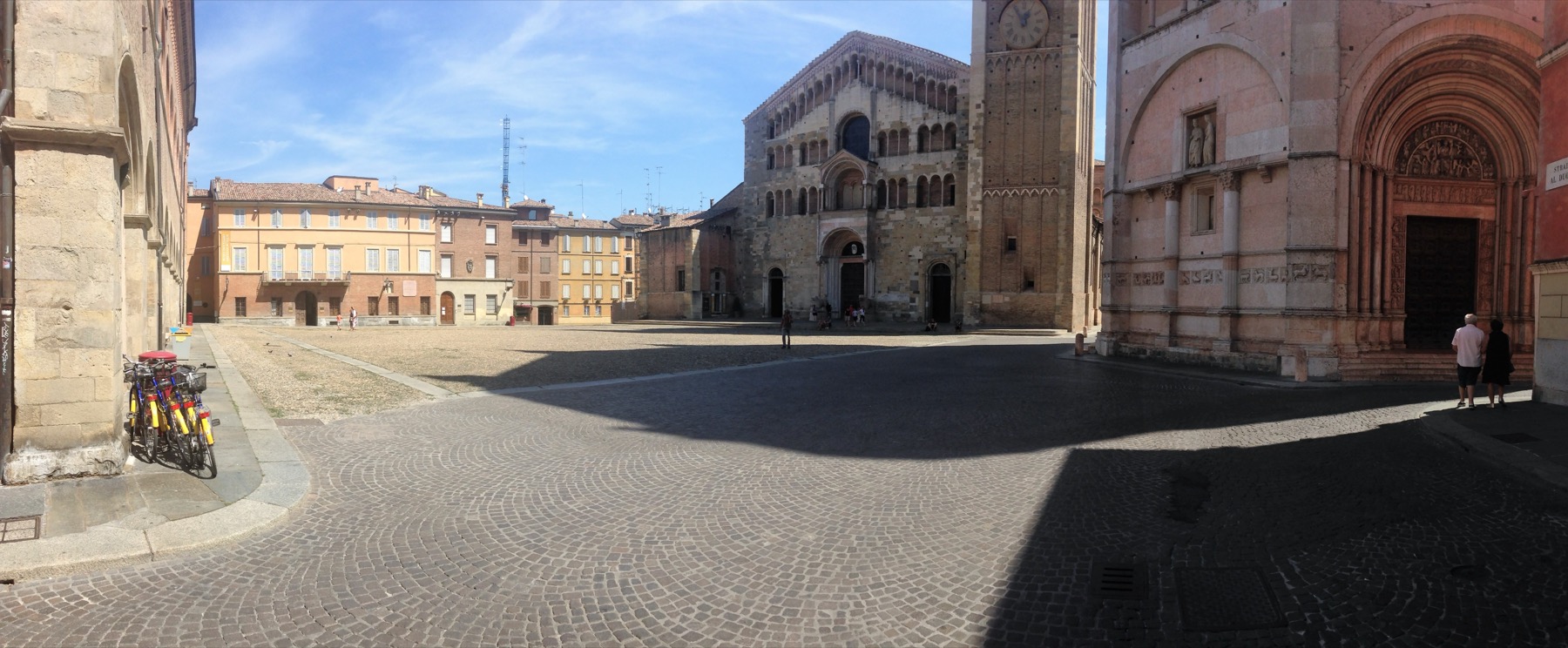
Parma: the safest all-around choice for beauty plus ordinary function
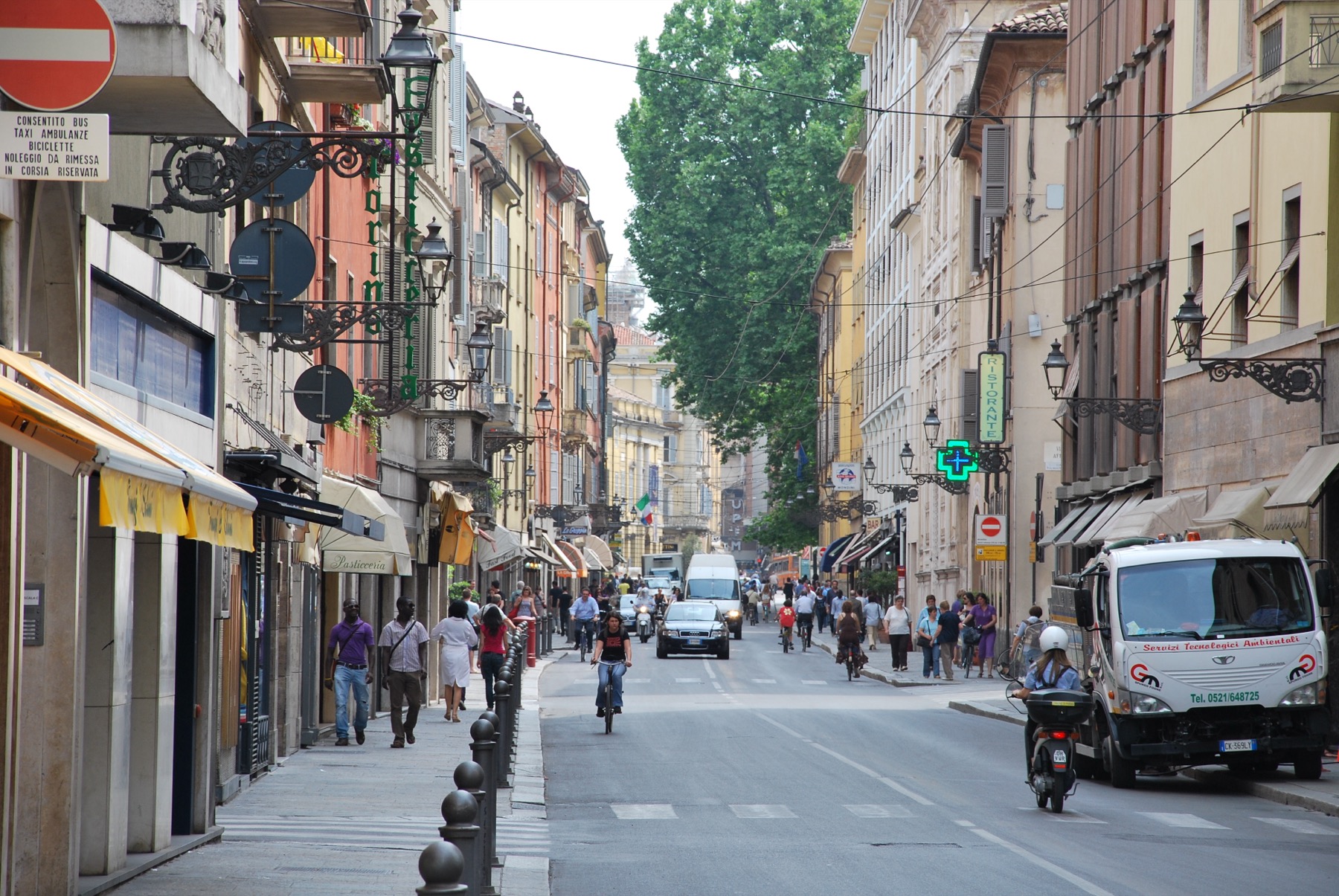
Parma is probably the easiest city in this group to defend to a cautious American. It has enough culture and visual substance to feel distinctly Italian every day, but it also feels like a real working city instead of a museum piece people happen to sleep inside. That matters. A lot of places win the beauty test and lose the everyday-life test. Parma usually holds up better on both.
It is not cheap. LivingCost’s current snapshot works out to roughly €1,515, about US $1,652, with rent, and around €745, about US $814, without rent. Rent and utilities are about €770, roughly US $838. Food lands around €530, about US $576, and transport around €65, about US $71. So no, Parma is not the low-cost answer. It is the balanced answer. If you want a smaller Italian city that still feels properly equipped, this is the one that usually makes the cleanest sense.
The other reason Parma keeps helping itself is infrastructure. The city has an official university-hospital system, and Parma Airport sits close enough to keep the logistics argument practical instead of theoretical. It is not a giant international hub, but it supports the broader point: Parma feels like a place where ordinary life can keep moving without constant friction. For older readers or anyone thinking about aging in place, that matters more than pure postcard appeal.
The main caution is seasonality. Climates to Travel describes Parma as semi-continental, with cold damp winters and hot muggy summers. So Parma is not the city to choose if your Italy dream depends on feeling Mediterranean all year. It is the city to choose if you want the strongest practical balance and can live with more Po Valley weather than romance would suggest.
- Best for: readers who want beauty, services, and healthcare depth in the same package
- Probably avoid if: you need sea access or you want a more obviously sunny, postcard-climate version of Italy
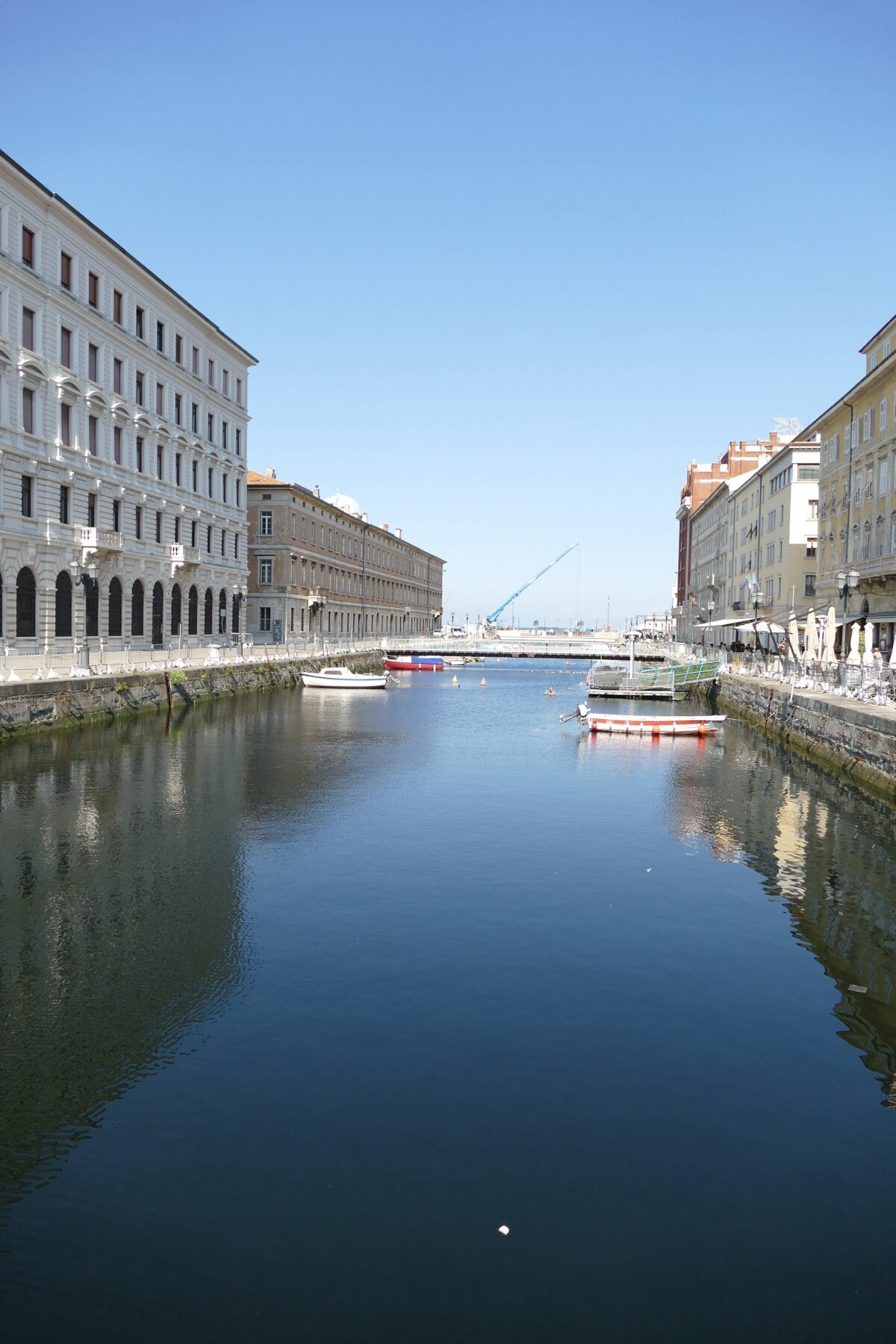
Trieste: the most distinctive city here, and maybe the most emotionally satisfying
Trieste is for readers who want Italy, but not the most predictable version of it. The city has the sea, a Habsburg echo, serious café culture, and public spaces that feel broad, elegant, and lived in rather than packaged. If Parma is the safest recommendation, Trieste may be the most memorable one.
It also has stronger daily transport than many Americans will expect from a city its size. Trieste Trasporti says the network covers more than 13 million kilometres a year, includes about 1,450 stops, and runs nearly 6,000 daily services. Trieste Airport is also close enough to keep the city connected without needing Milan-scale infrastructure. That helps explain why Trieste can feel like a real city rather than a scenic outlier. You are not just paying for views over the water. You are getting a place with actual urban structure.
The cost picture is close to Parma. LivingCost’s snapshot works out to roughly €1,525, about US $1,661, with rent, and around €745, about US $812, without rent. Rent and utilities sit near €780, about US $849. Food lands around €525, about US $572, and transport around €76, about US $83. That is still more believable than Milan for many Americans, but it is not a hidden bargain.
The tradeoff is weather personality. Climates to Travel describes Trieste as transitional Mediterranean but unusually exposed to the Bora wind. That matters more than people think. Wind is not just a detail on a weather chart. It changes how winter feels, how a waterfront walk feels, and whether the city’s beauty lands as invigorating or exhausting for you.
- Best for: readers who want sea light, café life, and a smaller city with a genuinely distinctive identity
- Probably avoid if: you want obviously lower costs or you know heavy wind will wear on you
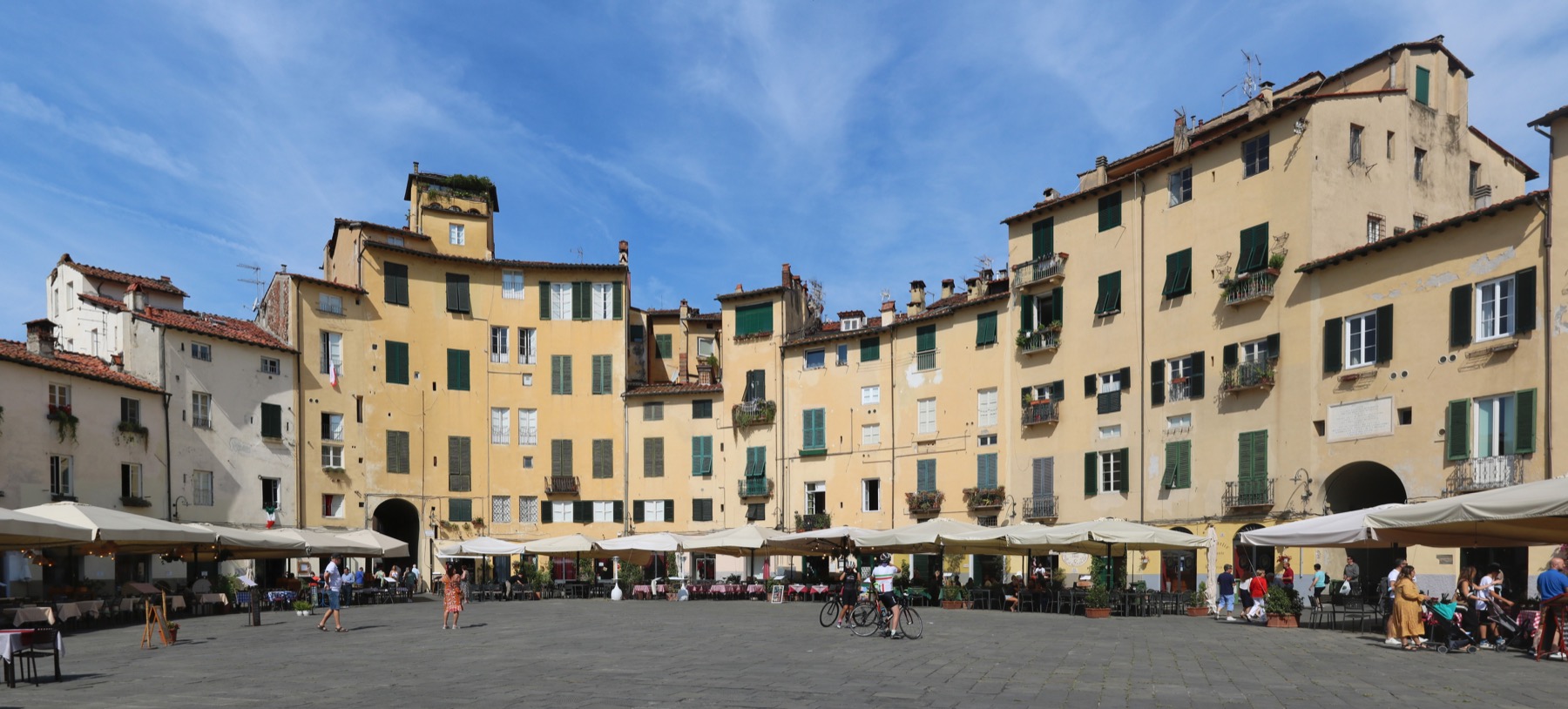
Lucca: the beauty-first choice, but not the value-first choice
Lucca is the city here most likely to make Americans say, “Yes, that is what I meant by Italy.” The preserved center is coherent, the walls are part of daily life instead of just heritage branding, and the city’s official tourism material almost accidentally makes the strongest argument for it: Lucca is a place whose past you can discover simply by walking. For some readers, that alone is enough to make the city emotionally compelling.
The walls are a big part of that appeal. Lucca Tourism describes them as a 4.2-kilometer elevated promenade and a daily meeting place, not just a historic relic. Pisa International Airport also sits close enough to keep Lucca realistic for readers who still want decent access, even if the city itself is smaller and more tourism-shaped. That is the sort of feature mix that matters after the honeymoon period. If your ideal routine includes walking or biking somewhere beautiful almost automatically, Lucca may be the most convincing city in this entire list.
The problem is that Lucca’s rent floor clearly knows what Lucca is. LivingCost’s snapshot works out to roughly €1,465, about US $1,595, with rent, and around €730, about US $793, without rent. Rent and utilities alone come out near €735, about US $803. Food lands around €525, about US $573, and transport around €55, about US $60. So yes, Lucca is smaller than Rome or Milan. No, that does not automatically make it a value play.
That is the honest Lucca deal. You choose it because the setting matters enough to justify the premium. If daily beauty is truly one of your top criteria, that can be a rational decision. If you mainly want smaller-city Italy to save money, Lecce makes more financial sense, and Parma often makes more practical sense.
- Best for: readers who want beauty and walking quality built into everyday life
- Probably avoid if: your budget is the main thing you need to protect or you are likely to resent tourism pressure
A short note on Lecce and other secondary options
Lecce still deserves a mention because the cost profile is lighter. LivingCost puts one person’s monthly total at roughly US $1,344 with rent, which is meaningfully below Parma, Trieste, and Lucca. For readers who want warmer southern light and do not mind trading away some northern-Italy access logic, that is worth pricing directly.
But Lecce works better here as a wildcard than as a core recommendation. The main evidence pack for rent detail, airport practicality, and side-by-side infrastructure is stronger for Parma, Trieste, and Lucca. If you are tempted by Lecce, treat it as a second-round comparison city after you decide whether you mainly want balance, sea-and-café urbanity, or beauty-first walkability. Perugia or Arezzo can also belong in that secondary round for readers who want beauty-first alternatives without expanding this article into a generic Italy list.
Healthcare, walkability, and aging-in-place reality
This is where Americans usually need more realism than travel content gives them. A city can be beautiful and still be a weak long-stay fit if the hospital picture is thin, the airport is awkward, or the center only feels charming when you are acting like a tourist. Parma, Trieste, and Lucca are worth discussing precisely because each one has a plausible everyday-life logic, not just a pretty one.
If healthcare and ordinary function are your main concern, Parma looks strongest. Trieste stays compelling because it combines real transit depth with a more urban daily structure than many scenic smaller cities can offer. Lucca remains practical enough, especially for readers who care more about walking quality and proximity to Pisa than about maximizing value. The point is not that care abroad is effortless. It is that these three cities feel like places where infrastructure still exists as part of ordinary life rather than as an afterthought.
Walkability is also more varied than “Italy is walkable” clichés suggest. Lucca is easiest to romanticize and often easiest to love on foot. Parma may be the best pure errands-in-a-pretty-center fit. Trieste wins on transit depth and city energy for its size. That is the real split: Parma is the balanced recommendation, Trieste is the mood-and-water recommendation, and Lucca is the beauty recommendation.
Cost and housing reality by city
The quickest useful ranking is this: Parma is the best all-around practical balance, Trieste is the personality-and-water choice, and Lucca is the beauty premium choice. Lecce is the cheaper southern wildcard worth pricing separately. That is more helpful than pretending there is one universal “cheap Italy” category.
- Best all-around balance: Parma
- Best if city mood and sea access matter most: Trieste
- Most likely to charge directly for beauty: Lucca
- Cheaper wildcard worth a second-round look: Lecce
The housing warning is simple. A polished furnished rental, a tourist-favored neighborhood, or a move made in haste can distort Italy upward fast. That matters in all five cities, but especially in Lucca. Americans often get into trouble not because they chose the wrong country, but because they priced the wrong version of the right city.
Seasonality and climate tradeoffs
The cities split more by climate than some Americans expect. Lecce is the bright southern answer, but that means hot summer reality. Parma is the hardest weather sell here because damp cold and muggy summer heat both count against it. Trieste has sea light and a milder winter profile than inland northern cities, but the Bora wind is a real quality-of-life factor. Lucca stays relatively soft overall, though rain and tourism season both shape how the city feels.
That matters because climate fit is not abstract. If you hate heat, Lecce stops looking like a bargain. If wind stresses you out, Trieste becomes harder to love. If you want a soft Mediterranean fantasy year-round, Parma can disappoint. If you want beauty without sweating through summer or freezing in a damp flat, your shortlist probably narrows quickly.
Sample monthly budget ranges by city type
- Parma-type fit: roughly US $2,000 to $2,800 a month
- Trieste-type fit: roughly US $2,100 to $2,900 a month
- Lucca-type fit: roughly US $2,400 to $3,300 a month
- Lecce wildcard: potentially lower on paper, but more sensitive to what kind of infrastructure and access tradeoffs you will actually accept
These are decision ranges, not guarantees. Housing is the swing factor. So is whether you are renting like a resident or buying back comfort, convenience, and speed through more expensive furnished options.
Who should probably avoid each type of city
- Avoid Parma if you want a stronger sense of sea, drama, or Mediterranean weather than it actually offers.
- Avoid Trieste if you need smaller-city Italy to feel clearly cheap or you strongly dislike wind.
- Avoid Lucca if you mostly want value and will resent paying more for atmosphere.
- Avoid Lecce as a fallback answer if your real priority is stronger airport and infrastructure logic rather than lower monthly cost.
None of these are bad cities. The usual mistake is choosing a place for one emotional reason and then discovering the practical trait you ignored is the one that shapes your whole week.
Final verdict
If you want the blunt version, Parma is the safest all-around smaller-city Italy recommendation, Trieste is the strongest choice for readers who want sea light and a more urban café atmosphere, and Lucca is the clearest beauty-first recommendation. Lecce is still worth pricing as a warmer cheaper wildcard, but it belongs behind the main three rather than ahead of them.
That is really the lesson here. “Smaller cities in Italy” is not one category. Parma buys you balance, Trieste buys you mood and water, Lucca buys you beauty, and Lecce may buy you a lower floor if you accept a different infrastructure story. For many Americans trying to live well without Milan-or-Rome prices, the better answer is not one perfect city. It is choosing the tradeoff you actually want to live inside.
Compare places with the City Fit Dashboard: If you want to sort destinations by budget, healthcare comfort, internet, airport access, and everyday-life friction, use the City Fit Dashboard alongside this guide.
References
- U.S. Department of State, Italy country information page, https://travel.state.gov/content/travel/en/international-travel/International-Travel-Country-Information-Pages/Italy.html
- U.S. Department of State, Italy Travel Advisory, https://travel.state.gov/en/international-travel/travel-advisories/italy.html
- LivingCost, Lecce, https://livingcost.org/cost/italy/ap/lecce
- LivingCost, Parma, https://livingcost.org/cost/italy/er/parma
- LivingCost, Trieste, https://livingcost.org/cost/italy/fg/trieste
- LivingCost, Lucca, https://livingcost.org/cost/italy/tu/lucca
- Visit Puglia, Lecce, https://visit.puglia.it/en/lecce
- Parma Welcome Travel, https://www.parmawelcometravel.it/en/shop/experiences/guided-tours/parma-city-tour/
- Discover Trieste, https://www.discover-trieste.it/
- Discover Trieste, By bus and tram, https://www.discover-trieste.it/organize/getting-around-trieste/by-bus-and-tram
- Lucca Tourism, Lucca, https://turismo.lucca.it/en/places/lucca/
- Lucca Tourism, The Walls of Lucca, https://turismo.lucca.it/en/the-Lucca-walls/
- Climates to Travel, Lecce, https://www.climatestotravel.com/climate/italy/lecce
- Climates to Travel, Parma, https://www.climatestotravel.com/climate/italy/parma
- Climates to Travel, Trieste, https://www.climatestotravel.com/climate/italy/trieste
- Climates to Travel, Lucca, https://www.climatestotravel.com/climate/italy/lucca
- Ospedale “Vito Fazzi”, https://www.sanita.puglia.it/web/asl-lecce/-/ospedale-vito-fazzi-
- Azienda Ospedaliero-Universitaria di Parma, https://www.ao.pr.it/
- Ospedale di Cattinara / ASUGI, https://asugi.sanita.fvg.it/it/presidi-ospedalieri/ospedale-cattinara/reparti/
- Ospedale San Luca, Lucca, https://www.uslnordovest.toscana.it/ospedali/lucca
If Bari remains the practical fit after comparing smaller Italian cities, use the standalone Bari guide for housing, heat, transit, healthcare preparation, and daily-routine checks.
Trying Bari as a real base, not just a shortlist option? Use this ordinary-week Bari guide to test the errand loop, neighborhood rhythm, and mobility tradeoffs before committing to a longer stay.