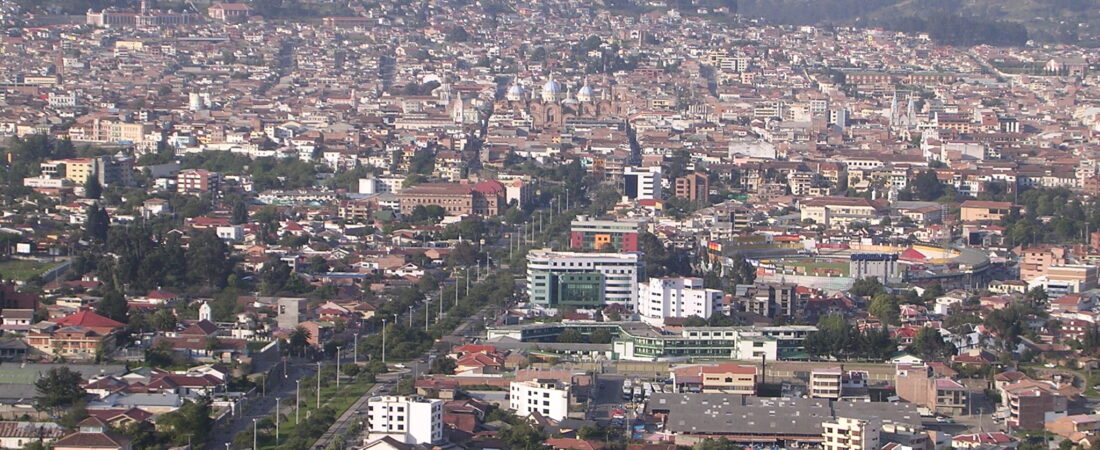
Quick fit: Cuenca makes the most sense for Americans who want a cooler, calmer, lower-cost retirement base where daily life can often be handled on foot, by short taxi rides, or with light transit instead of constant driving. It is a weaker fit if you need sea-level comfort, big-city energy, English-first convenience, or a place where paperwork and healthcare logistics feel almost identical to the U.S.
Cuenca gets recommended to Americans so often that it can start to sound like a cheat code: lower costs, mild weather, a beautiful historic center, decent healthcare, and a slower pace of life all in one retirement-friendly city. That pitch is not wrong. It is just incomplete.
The more useful version is that Cuenca can be an excellent fit for a certain kind of retiree. It often feels more manageable than a huge Latin American metro, more functional than a tiny postcard town, and more affordable than many U.S. retirement markets. But the tradeoffs are real too. The altitude is real. The cooler nights are real. The language friction is real. And the slower rhythm that feels like relief to one person can feel limiting to another.
So this is not a dreamy expat sales pitch. It is a practical look at whether Cuenca actually works for low-income to middle-class Americans, especially retirement-minded people, who want lower costs and a slower daily life without giving up the basics of city living.
Why Cuenca keeps getting retirement attention from Americans
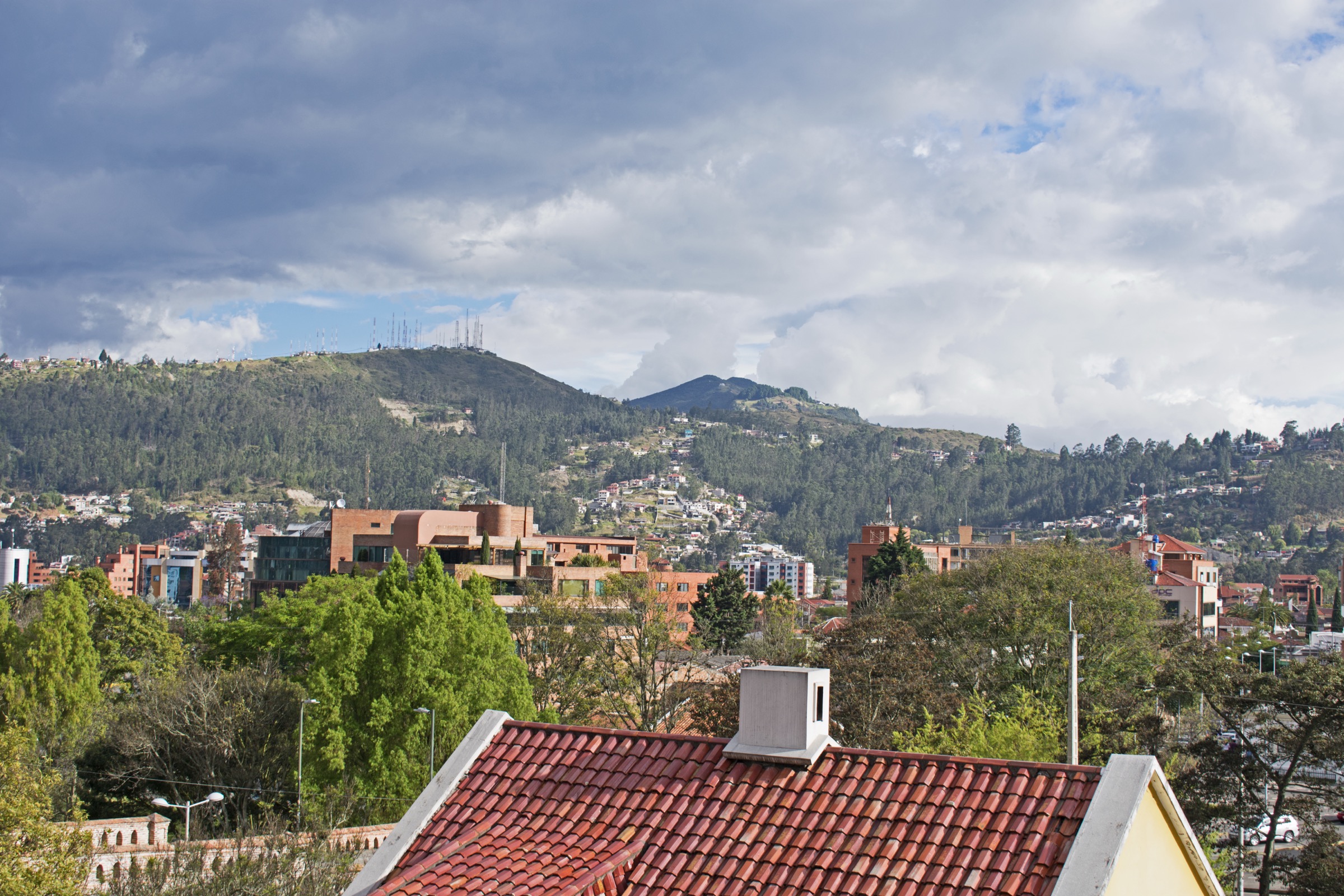
There is a pretty straightforward reason Cuenca keeps coming up. It offers a mix that is harder to find than retirement content sometimes makes it sound: a real city, not just a scenic town, but one that still feels smaller, calmer, and easier to navigate than the big capitals many Americans assume they have to choose if they want decent services abroad.
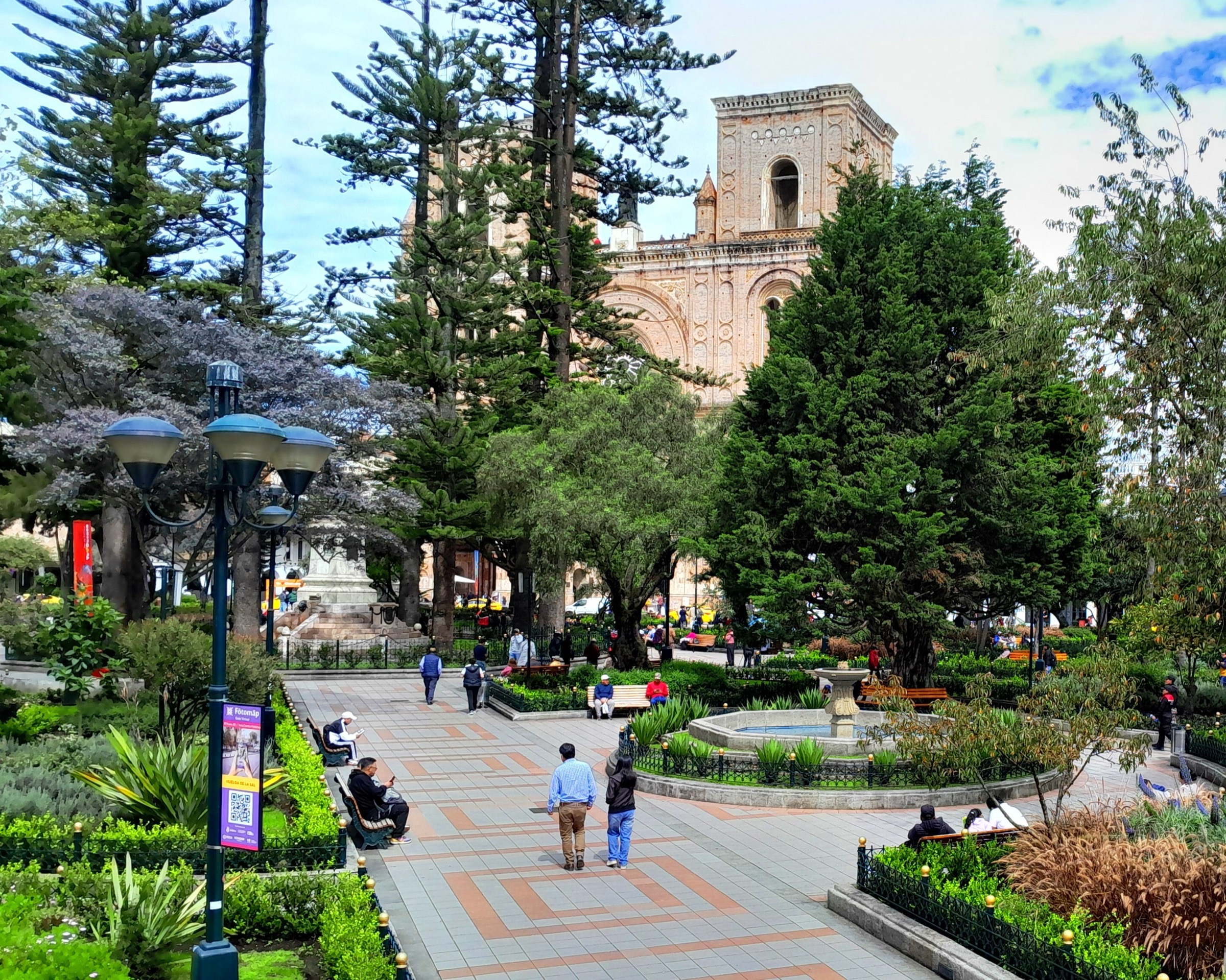
Turismo Cuenca Ecuador says the city sits at about 2,538 meters above sea level, is crossed by four main rivers, and has a historic center covering nearly 200 hectares that was recognized as a World Heritage City in 1999. That helps explain why Cuenca feels different from car-heavy sprawl. The appeal is not only visual. It is practical.
For retirement-minded Americans, that kind of functional beauty can matter more than nightlife or novelty. Cuenca tends to work best when what you want is a life with more routine, more walking, more ordinary mornings, and less pressure to keep chasing stimulation.
Slower living is part of the appeal, not an accidental side effect
This is the part some people misread. Cuenca is not compelling because it is exciting in the way a huge city is exciting. It is compelling because life can feel easier to handle there. Errands are shorter. The center is more human-scaled. The four rivers running through the city add structure and breathing room. The historic core gives the place enough density and street life to keep it from feeling sleepy without tipping everything into big-city intensity.
That is why Cuenca often lands well with retirees or near-retirees who are tired of U.S. cost pressure, traffic, and overbuilt daily routines. It is also why the city can disappoint people who really want all the convenience, variety, and energy of a bigger international city, just at a lower price. Cuenca is slower on purpose. If that sounds like relief, it may be a strong fit. If that sounds like boredom, probably not.
The climate case is real, but altitude is not a small detail
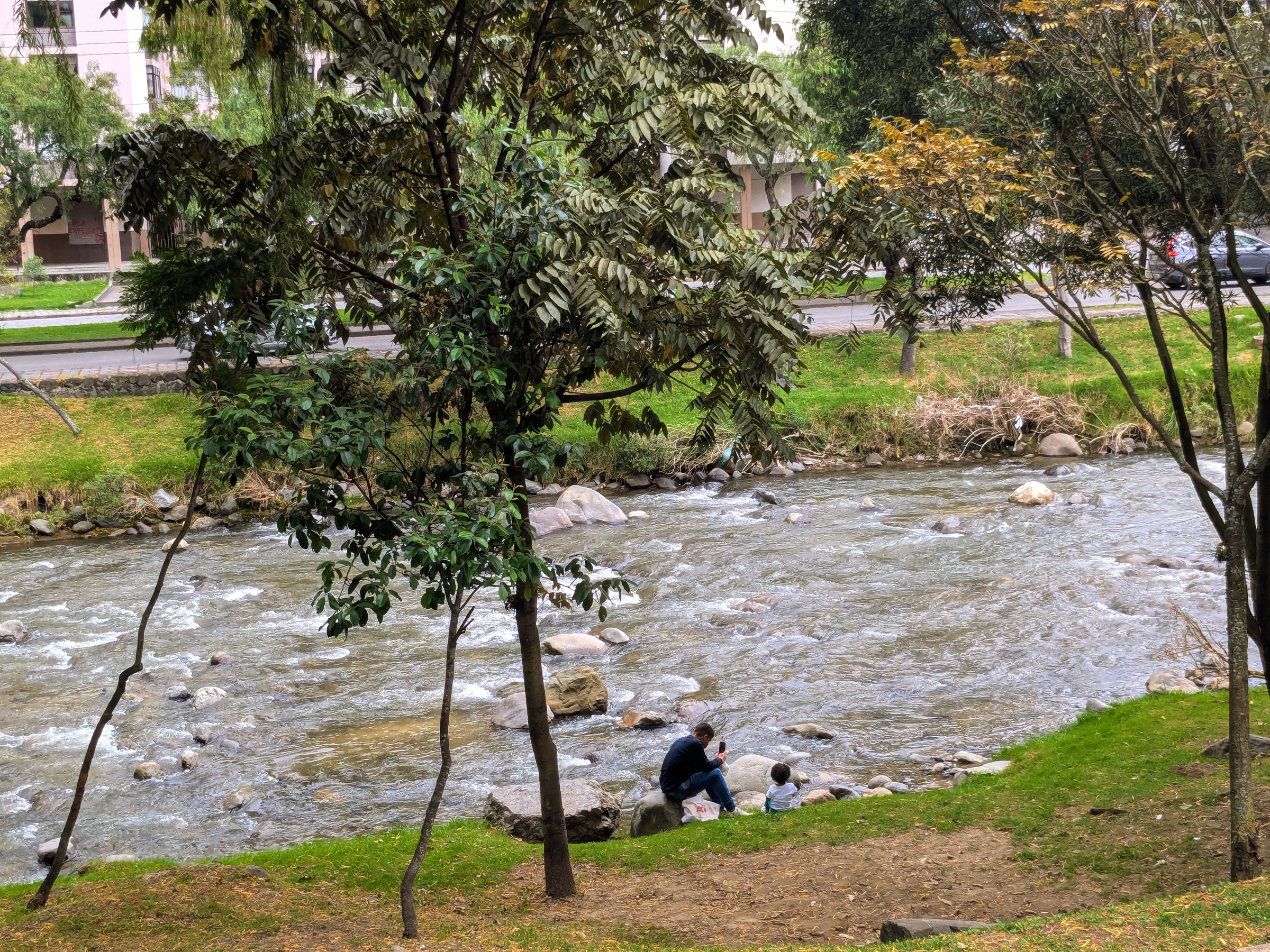
Weather is one of Cuenca’s strongest selling points. Climates to Travel describes the city as having a temperate or subtropical mountain climate and places it at about 2,500 meters, or 8,200 feet, above sea level. The average temperature barely moves across the year. The source puts the coldest month, July, at about 15.3 °C, or roughly 60 °F, and the warmest month, February, at about 17.6 °C, or about 64 °F.
For Americans who are tired of high summer heat, sticky humidity, and heavy air-conditioning bills, that sounds excellent, and often is. The city feels spring-like far more often than punishing. But there is no reason to turn that into fantasy. The altitude is high enough that some people feel it in their breathing, sleep, or stamina. Nights can feel cool, and the city is not dry all year. Climates to Travel says rainfall ranges from about 45 mm in August to about 110 mm in April.
So the honest climate pitch is simple: Cuenca can be wonderful if you want cool, mild mountain weather. It is a much shakier fit if you know you dislike elevation, want constant sun, or only enjoy climates that feel physically effortless from the day you arrive.
Cost of living is still one of Cuenca’s strongest arguments
Cuenca’s cost case is still pretty strong. LivingCost’s city snapshot puts one person’s monthly total with rent at about US $822 and without rent at about US $432. The same source breaks the monthly picture into about US $390 for rent and utilities, roughly US $298 for food, and about US $42 for transport.
Those numbers are useful because they show Cuenca still runs on a lower everyday cost structure than most U.S. retirement markets. But they are not a promise. Local averages are not the same thing as a newcomer budget built around furnished housing, imported convenience habits, private healthcare cushioning, and a neighborhood shortlist shaped by expat forums.
Even so, the appeal is easy to see. Cuenca is a place where ordinary life can cost less without pushing you into a remote town or a medically thin setup. That is a more serious kind of affordability than the usual cheap-destination hype.
Housing is where the city can feel either sensibly affordable or less cheap than expected
Housing is the biggest swing factor. LivingCost’s city snapshot puts one person’s combined rent and utilities around US $390, which helps explain why Cuenca still looks financially plausible for retirement-minded Americans. Mercado Libre Ecuador also shows that local-market listings can still land in believable territory. In the captured research pack, one visible Cuenca apartment listing was priced around US $350 a month for a 3-bedroom, 3-bath, 100 m² unit in Cuenca, Azuay.
That does not mean every newcomer-friendly rental will feel that cheap. The main lesson is that Cuenca can still show real local-market housing numbers, but polished furnished units and central foreigner-favored setups can move the budget up fast. That gap is the difference between “pleasantly affordable” and “still workable, but no longer especially cheap.”
The good news is that Cuenca does not require luxury to feel livable. For many retirement-minded people, that is the whole point. If your standard is clean, safe, practical, and comfortable rather than Instagram-ready, the city can still feel like a real value.
Walkability, tram access, and a compact routine are part of the value
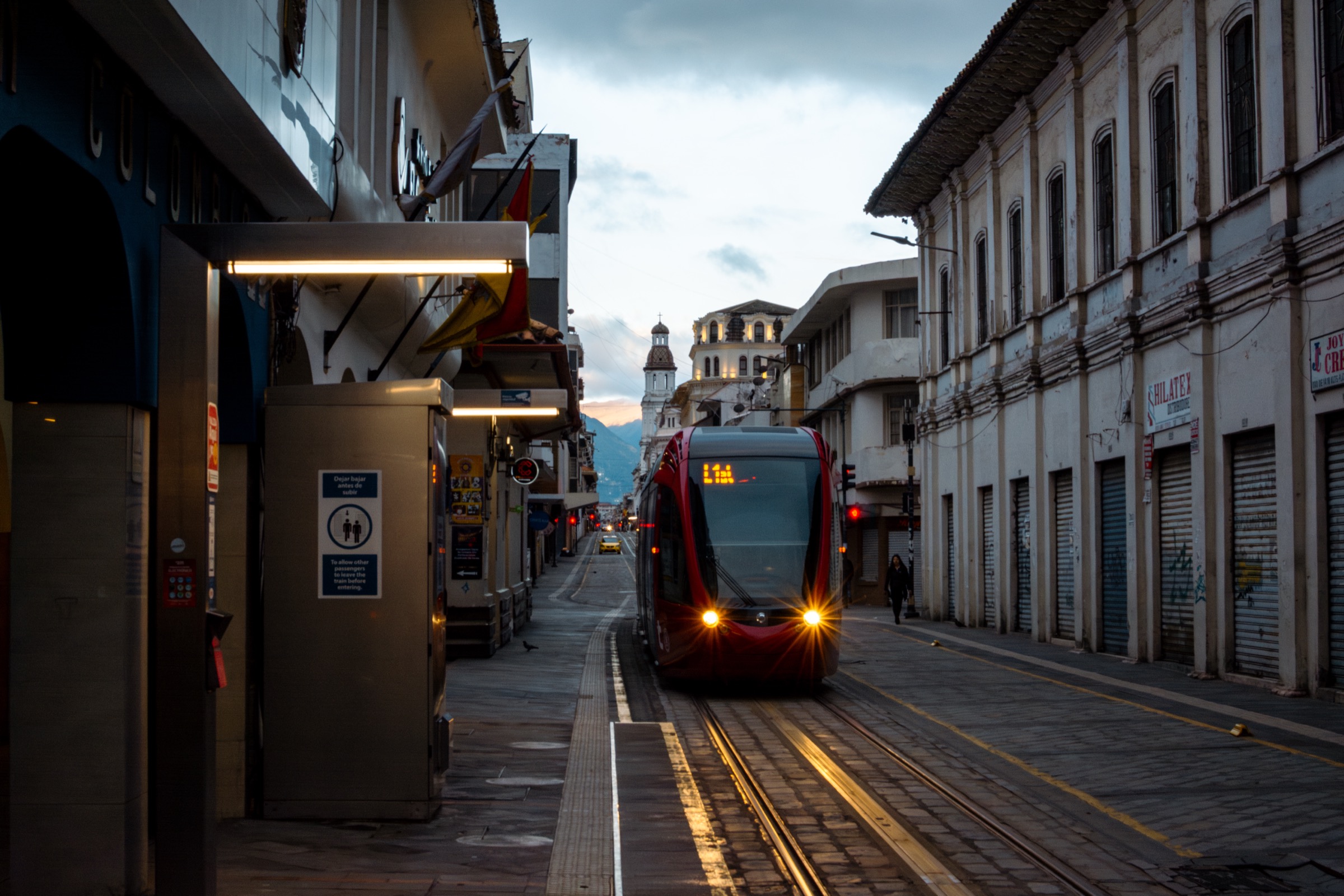
Cuenca is not trying to be a giant transit metropolis, and it does not need to be. Its real strength is manageability. The official Tranvía de Cuenca site confirms that the tram is a live part of city mobility, with route and stop information built around everyday use. Combined with the compact historic core and riverside routines highlighted by Turismo Cuenca, that supports the article’s real point: daily movement here is meant to feel manageable, not sprawling.
More important than exact fare math is what this says about daily life. You do not need to picture a car-dependent retirement to make Cuenca work. The city’s mobility case is not about huge-network convenience. It is about being able to build a smaller daily footprint around walking, short rides, and a center that stays useful after the honeymoon phase ends.
That matters more than many Americans first realize. A place gets easier to age in when daily life can be built around walking, shorter rides, familiar streets, and a center that stays useful after the honeymoon phase ends. Cuenca’s mobility case is not about speed. It is about keeping your daily footprint smaller.
Healthcare is stronger here than in many small retirement towns
This is one of Cuenca’s biggest practical advantages. The U.S. Department of State’s Ecuador information page says that well-resourced health care facilities are available in Quito, Guayaquil, and some major cities like Cuenca. That alone makes Cuenca more serious than a lot of retirement-friendly places that offer scenery and low costs but weak medical backup.
The same page also gives readers the realism they need. Hospitals and doctors in Ecuador often require payment up front, and medical staff may speak little or no English. So the takeaway is not that Cuenca magically solves healthcare. It is that the city has real depth, but you still need to plan for care abroad like an adult.
Hospital del Río helps make that depth more concrete. Its site lists integrated services including clinical lab, diagnostic imaging, hemodialysis, and an infusion room, and its medical directory includes geriatrics. For retirement-minded Americans, that is meaningful medical support for a city of this size without pretending the system feels identical to U.S. care.
Stay basics for Americans are simple enough, but still need planning
The U.S. Department of State says a visa is required for stays longer than a total of 90 days in any consecutive 12-month period. The same page says your passport must have 6 months of validity beyond arrival. None of that is dramatic, but it matters because Cuenca is exactly the kind of place people may want to stay longer than a standard tourist window.
That means the city is best approached as a real long-stay decision. Housing, stay length, medical access, and budget should be thought through together. Cuenca works best when people treat it like a place to build a routine, not a soft-focus experiment that will sort itself out later.
Safety and tradeoffs: calmer than Ecuador’s worst headlines, but not friction-free
The current U.S. travel advisory for Ecuador says Americans should exercise increased caution because of crime, terrorism, unrest, and kidnapping. That country-level warning matters. So does the fact that the advisory’s specifically higher-risk places are elsewhere. Cuenca is not one of the Level 3 or Level 4 locations named in the captured advisory text.
That distinction is useful, but it should not turn into romance. Cuenca may feel calmer than the country’s most alarming coastal or border headlines suggest, but it is still part of a country dealing with real security strain and occasional demonstrations that can interrupt roads and routine. It is better understood as relatively manageable, not perfectly safe.
Other tradeoffs matter too. English is not the default. Medical administration may feel slower or more manual than some Americans expect. The city is smaller, so variety has limits. And if you are the kind of person who wants constant novelty, large-scale shopping convenience, or endless restaurant churn, Cuenca can start to feel narrow rather than peaceful.
Internet and practical modern life are workable
Cuenca is not a disconnected mountain outpost. ETAPA EP, the local public telecom provider, shows captured home-internet offers with a normal price around US $23.91, with Wi-Fi 6 equipment included, and promotional speed language that reaches 300 megas in the research snapshot. That is enough to support a modest claim that ordinary connected life is feasible here.
As usual, the real question is not the marketing headline. It is whether the building and neighborhood actually deliver reliable service. For retirees managing telehealth, family video calls, banking, streaming, or a little remote work, Cuenca looks practical. It just deserves the same common-sense verification you would use anywhere else.
Who Cuenca fits best
- Americans who want a slower, calmer retirement city instead of a high-energy metro
- Readers who value walkability, riverside routines, parks, and a compact historic center
- People who prefer cool mountain weather to tropical heat
- Retirees who want real healthcare backup without paying U.S.-level retirement costs
- Readers who can accept some Spanish-language and administrative friction in exchange for a more manageable daily life
Who should probably avoid Cuenca
- People who know altitude makes them feel physically worse
- Anyone who wants constant novelty, big-city nightlife, or a huge service menu
- Readers who need healthcare and bureaucracy to feel English-first and highly streamlined
- People who want retirement abroad to feel frictionless almost immediately
- Anyone drawn mainly by cheapness rather than by Cuenca’s actual pace and scale
Sample monthly budget ranges
- Lean but workable: roughly US $1,300 to $1,800 a month for one person if housing stays practical and daily life stays resident-style.
- Comfortable moderate setup: roughly US $1,800 to $2,500 a month for a solo retiree or moderate couple who wants more breathing room.
- Higher-comfort setup: US $2,500+, especially if you want furnished housing, more private-care buffer, and a version of Cuenca tailored more closely to U.S. habits.
Those are planning ranges, not guarantees. Cuenca can absolutely be cheaper than home. The real question is how much convenience, housing polish, and private-service cushioning you decide to buy back.
Final verdict
Cuenca is one of the more believable retirement answers for Americans who want lower costs, a slower rhythm, and a real city without full U.S. financial pressure. That is the honest case for it. The weather can be appealing if you like cool, spring-like temperatures. The city is human-scaled. The historic center is not just pretty, it is usable. And the healthcare depth is stronger than many small retirement towns can offer.
But Cuenca is not a fantasy refuge. The altitude matters. The city is slower because it is smaller, not because it magically removes every friction point. The country context still matters. And the place only works well if you genuinely want its pace. For the right American, that can feel like relief. For the wrong one, it will feel like a constraint with a nice view.
If Cuenca is on your list because of climate and cost, also compare it with the broader guide to Latin American cities with lower costs and good climate, which puts Cuenca beside Medellín, Querétaro, Lake Chapala, Oaxaca, Boquete, David, and Mérida.
References
- U.S. Department of State, Ecuador country information page, https://travel.state.gov/content/travel/en/international-travel/International-Travel-Country-Information-Pages/Ecuador.html
- U.S. Department of State, Ecuador Travel Advisory, https://travel.state.gov/en/international-travel/travel-advisories/ecuador.html
- Turismo Cuenca Ecuador, https://www.cuencaecuador.com.ec/en/
- Climates to Travel, Cuenca climate page, https://www.climatestotravel.com/climate/ecuador/cuenca
- LivingCost, Cost of Living in Cuenca, https://livingcost.org/cost/ecuador/cuenca
- Mercado Libre Ecuador, apartment rentals in Cuenca, https://inmuebles.mercadolibre.com.ec/departamentos/alquiler/azuay/cuenca/
- Tranvía de Cuenca, https://tranvia.cuenca.gob.ec/
- Hospital del Río, https://www.hospitaldelrio.com.ec/
- ETAPA EP, https://www.etapa.net.ec/