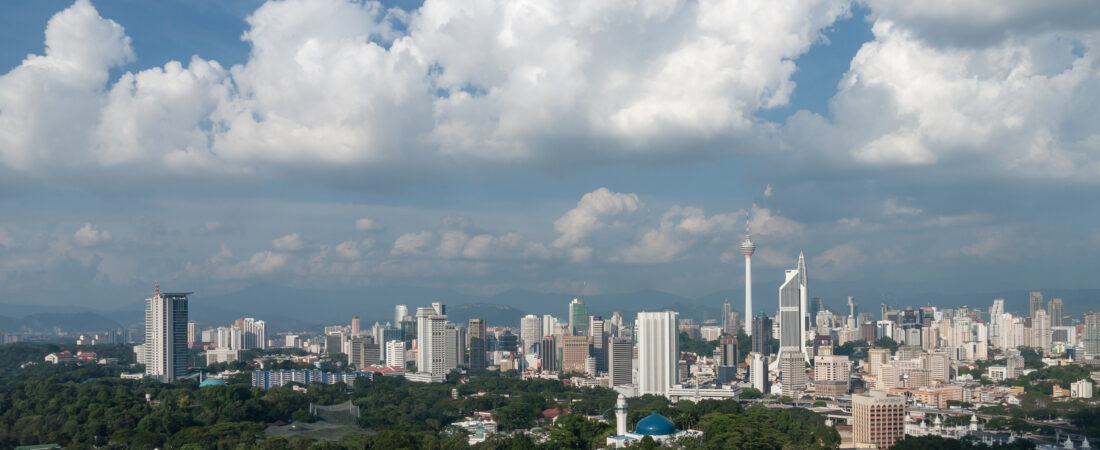
Quick fit: Malaysia can make sense for Americans who want lower costs without giving up as much English usability, healthcare confidence, or everyday comfort. It is hot and humid year-round, and long-term planning still takes work, but for many moderate-budget or retirement-minded readers it offers a practical comfort-oriented base.
Malaysia solves a problem a lot of Americans actually have. You may like the idea of Southeast Asia, but you do not want ordinary life to feel like a language obstacle course, a residency guessing game, or a daily test of patience.
It is not a fantasy answer. The climate is relentlessly tropical. Tourist-entry ease is not the same thing as having a long-term plan. And if you already know you hate humidity, Malaysia may wear you down no matter how good the budget math looks on paper.
Still, if what you want is a place where cost, comfort, English friendliness, healthcare access, and normal daily functionality come together in a practical way, Malaysia deserves a serious look.
Who Malaysia suits
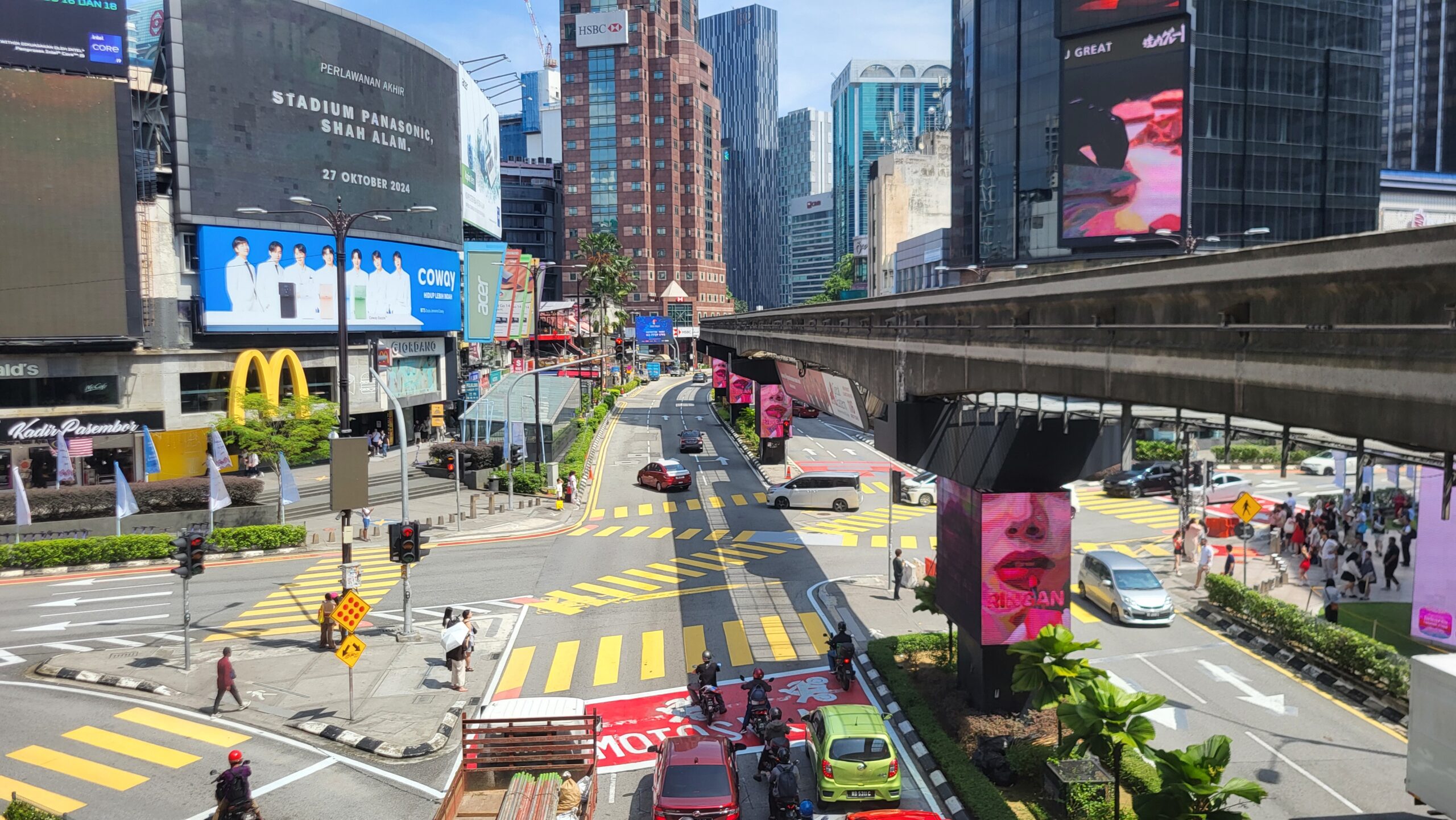
Malaysia makes the most sense for Americans who want a lower-cost overseas base but do not want every routine task to feel harder than it needs to be. That includes retirement-minded readers, remote workers on moderate budgets, and people who want hospitals, shopping, transit, and everyday errands to feel reasonably legible.
English is a real part of the appeal. Malaysia’s current EF English Proficiency Index page places the country at #24 globally with a score of 581. The retrieved city and regional scores are also strong, including Kuala Lumpur at 588, Johor Bahru at 577, and Pulau Pinang at 589. That does not mean every conversation everywhere will happen in English. It does support treating Malaysia as a relatively English-friendly option for an American, especially in major urban areas and private-service settings.
- Americans who want Southeast Asia with less language friction
- Retirement-minded readers who care about healthcare access and day-to-day ease
- People who want decent infrastructure at costs well below many U.S. cities
- Readers who value comfort and practicality more than chasing the absolute cheapest possible setup
- Americans willing to trade year-round heat for smoother daily functioning
It is a weaker fit for people who need cool weather, want to wing a long stay on tourist-entry rules, or care more about absolute lowest cost than comfort or service depth.
Realistic cost of living for Americans
Malaysia belongs on moderate-budget shortlists because the broad numbers are still appealing. LivingCost’s current Malaysia page estimates a one-person total with rent at about US $824 a month, including roughly US $386 for rent and utilities, US $292 for food, and US $67.60 for transport.
Those numbers are useful as orientation, not as promises. The version of Malaysia many Americans actually want, meaning a solid neighborhood, reliable air-conditioning, newer housing, more imported goods, and a more foreigner-friendly setup, will often cost more than country averages suggest.
Even so, the value proposition is real. You are not just getting lower prices. You are getting a place where English is relatively usable, major cities work reasonably well, and private-hospital infrastructure is strong enough to make healthcare feel more legible for many Americans in the main urban centers.
For quick mental math, the exchange-rate pages retrieved for this package put US $1 at roughly RM 4. So RM 1,000 is about US $253. You do not need exact conversion precision to think clearly about the country, but that shortcut helps.
For actual planning, broad ranges are more honest. A lean but workable budget is often around US $1,500 to $2,000 a month (about RM 5,900 to RM 7,900) if you choose housing carefully. A comfortable moderate budget is often around US $2,000 to $2,800 a month (about RM 7,900 to RM 11,100). If you want a nicer Kuala Lumpur condo, more convenience, or a higher-comfort routine, US $2,800+ (about RM 11,100+) is a safer planning frame.
Rent and housing reality
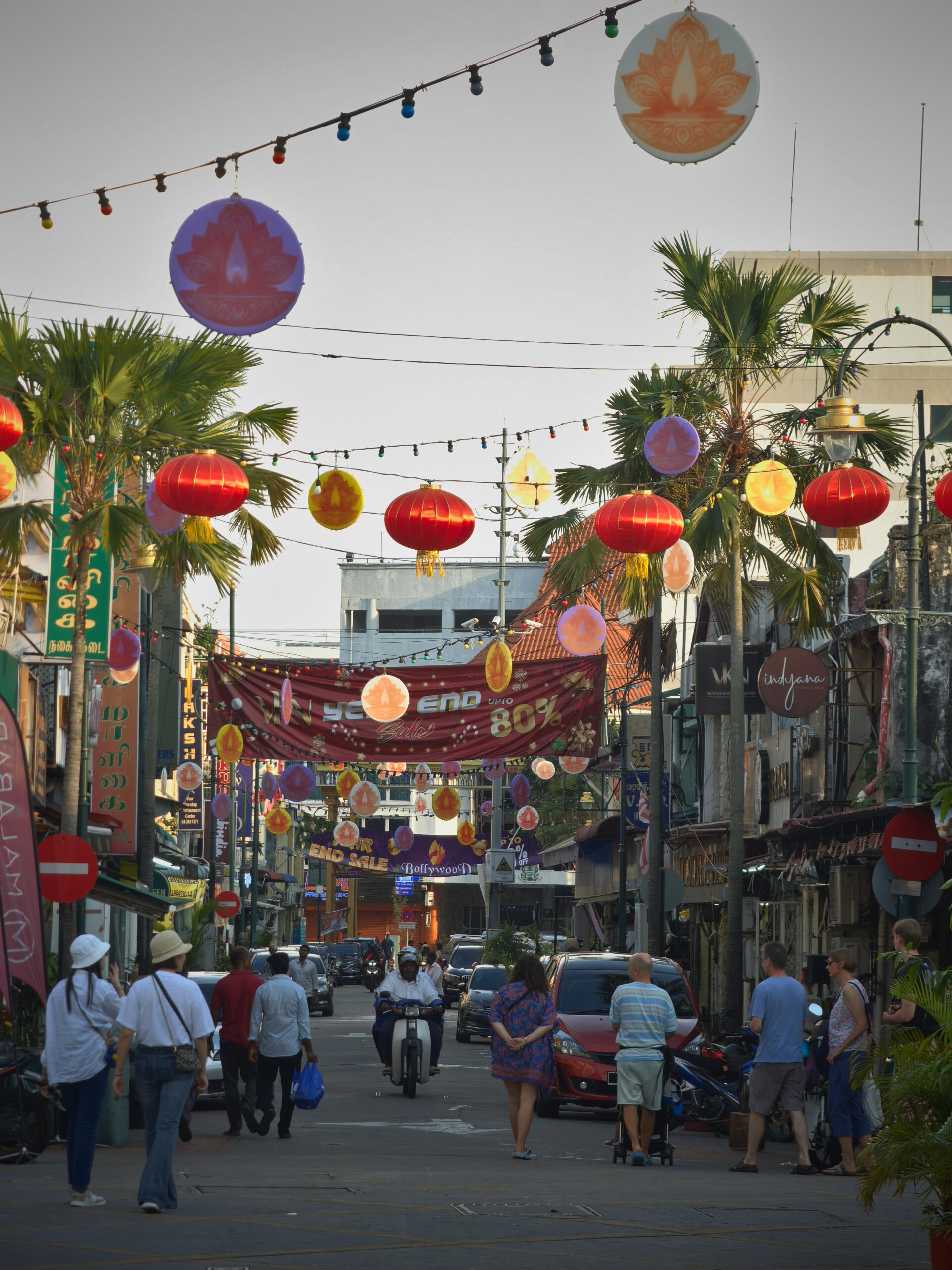
Housing is where people should stop daydreaming and start thinking clearly. Malaysia is affordable by U.S. standards, but affordability depends a lot on whether you are willing to live more locally or whether you want the polished, move-in-ready version right away.
City comparisons help. LivingCost currently estimates one-person totals with rent at about US $981 in Kuala Lumpur, US $838 in Johor Bahru, and US $792 in George Town. That shows two useful things. Kuala Lumpur is still not wildly expensive in U.S. terms, but Malaysia is also not one flat market. Your city matters, and your housing expectations matter even more.
Kuala Lumpur is the clearest example of a full-service base, which is exactly why it can also become an easy place to overspend. George Town can feel steadier for readers who want a real city without capital-city pricing. Johor Bahru can work well for readers who care more about practicality than atmosphere. None of those are automatic winners. They simply show how different Malaysia feels once you move from vacation imagination to monthly-life reality.
The practical rule is simple. If you are patient and choose housing more like a resident, Malaysia can feel impressively affordable. If you want every comfort solved on day one, the budget will climb faster than a lot of expat content admits.
Healthcare and daily-life comfort
This is a real part of Malaysia’s appeal. The Malaysia Healthcare Travel Council describes the country as a healthcare destination with well-developed medical facilities, highly skilled doctors, and competitive pricing for international patients. That language is promotional, but it points to something real. Malaysia has built a serious reputation around private-hospital access and medical travel.
For Americans, especially older readers, that matters. A place can be cheap and still feel stressful if healthcare confidence is weak. In major urban areas, the mix of English usability, organized private healthcare, and familiar service environments can make daily life feel more manageable and predictable.
That does not mean every part of the country offers the same experience. The safer version of the claim is that major-city and major-metro living give you a stronger chance of finding the comfort, hospital access, and service depth many Americans are looking for.
Visa and stay reality for Americans
The short official version is clear. The current U.S. State Department Malaysia page says Americans do not need a visa for tourism or business stays of 90 days or less. The same page says travelers must complete the Malaysian Digital Arrival Card (MDAC) before travel unless exempt, and that passports should be valid for 6 months beyond arrival.
That makes Malaysia relatively easy to test. It does not mean a long-term move is somehow solved. The State Department also explicitly warns against overstaying and says Malaysian authorities regularly fine, arrest, and deport foreigners who do.
That is the right tone for Americans researching the country. Malaysia is easy enough to sample, but long-term living still calls for real planning instead of wishful thinking.
Safety and everyday comfort
Malaysia’s safety story is comparatively calm. The current State Department advisory says Americans should exercise normal precautions in Malaysia overall. The main location-specific warning is for islands and maritime areas off Eastern Sabah, where travelers are told to use increased caution because of kidnapping risk.
For most readers looking at Kuala Lumpur, George Town, or Johor Bahru, this supports a practical, non-dramatic reading. Malaysia is not a utopia, but it is also not a place that needs fear-based framing. The more relevant question for everyday life is whether a city feels orderly, workable, and manageable enough to build routines in. Malaysia often does fairly well on that test.
For many Americans, the bigger comfort issue is not safety at all. It is climate. Kuala Lumpur’s climate page describes the city as tropical, hot, and humid all year round, with no dry season. Thunderstorms can happen any time, and flooding can occur. If you already struggle in humid heat, that should be treated as a serious quality-of-life issue, not a footnote.
Transportation and walkability
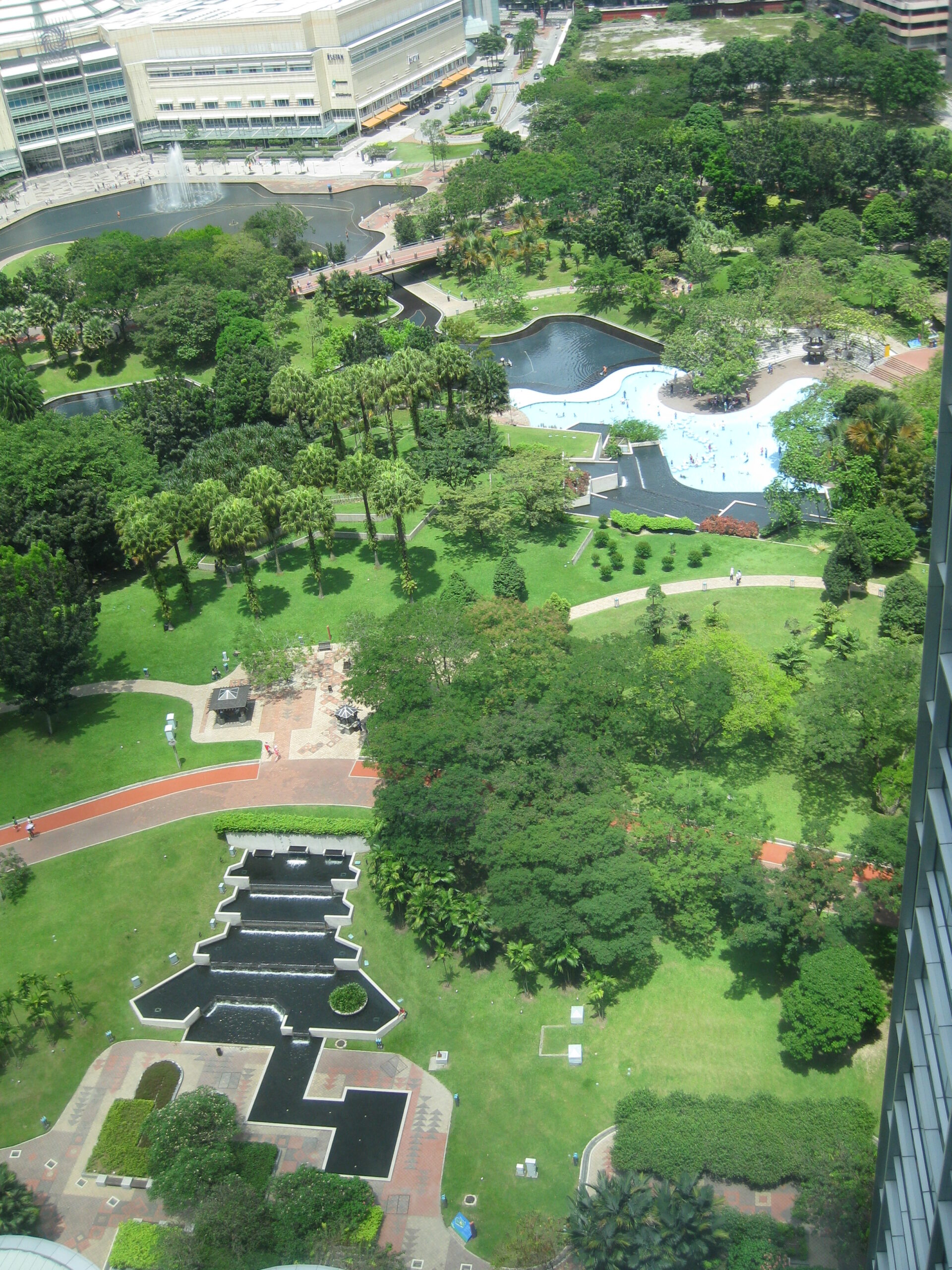
Malaysia is not uniformly walkable, but a car-light routine can be realistic in some parts of Kuala Lumpur. LivingCost’s city breakdown puts transport at about US $107 a month in Kuala Lumpur, compared with US $38.40 in George Town and US $46.20 in Johor Bahru. Kuala Lumpur’s higher figure fits its big-city infrastructure environment.
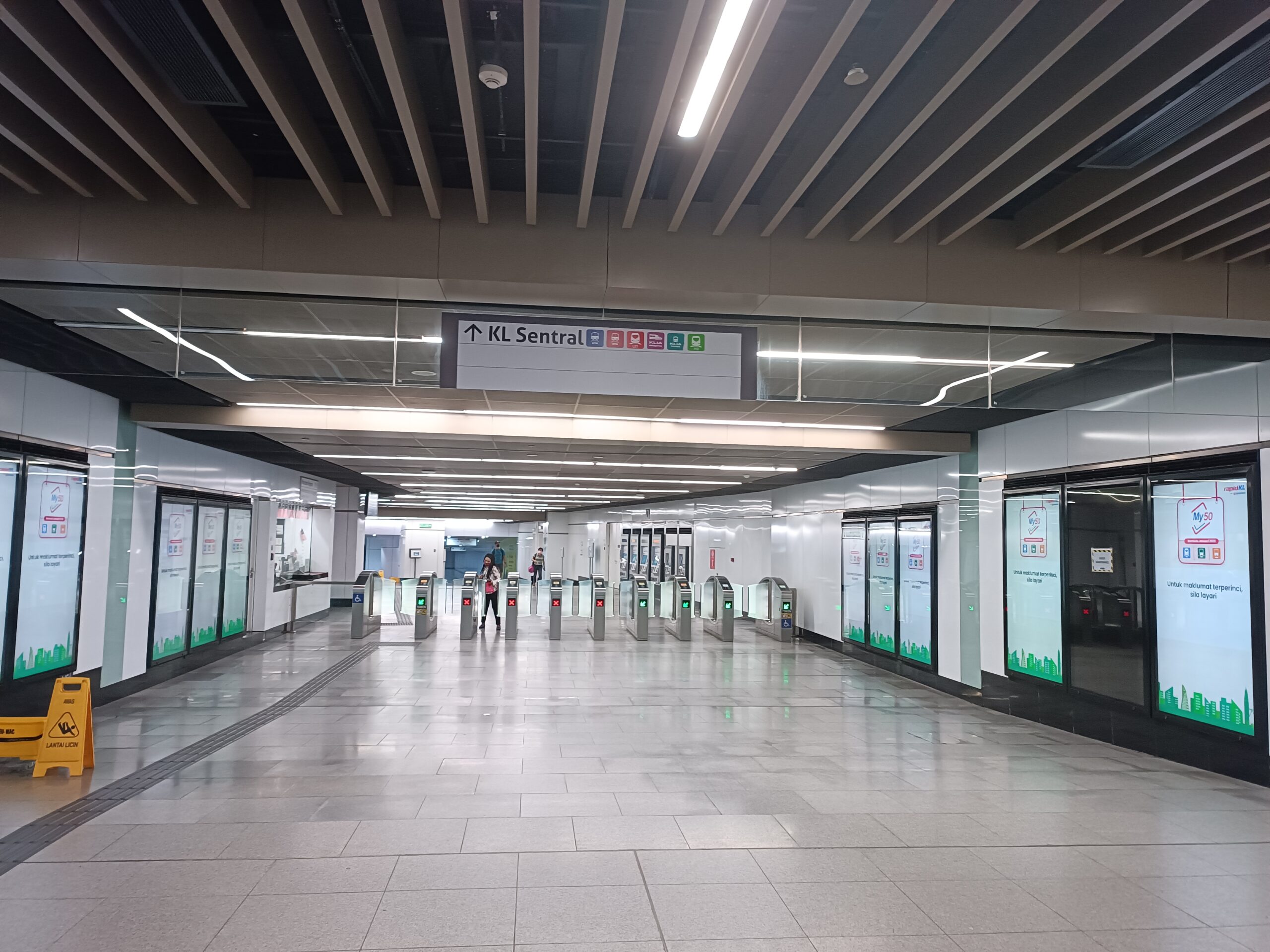
Kuala Lumpur is not a European walking fantasy. It is a busy Southeast Asian capital with traffic, heat, and uneven pedestrian comfort. Still, its transit network, ride-hailing availability, medical hubs, and service-dense neighborhoods can support a routine that does not require full-time car ownership.
George Town and Johor Bahru change the equation. They can still be practical, but they appeal for different reasons. George Town often feels more lifestyle-balanced. Johor Bahru feels more like a utility city. The key is matching your city to how you actually move through daily life, not just to whichever place looks most appealing in photos.
Internet and infrastructure
Malaysia also looks solid on connectivity. Unifi explicitly markets itself as a nationwide home-fibre and digital-solutions provider, and direct inspection of the current site surfaced 100 Mbps and 300 Mbps home-fibre references. That does not guarantee every building is great, but it supports the practical point that internet access is not the scary part of living in the main urban centers.
That matters for more than remote work. Reliable connectivity makes ordinary life smoother, from banking to telehealth to simply staying in close touch with family back home. Malaysia’s appeal is cumulative. The point is not one standout category. It is that several practical systems line up well enough to support ordinary daily life.
Cities and regions to consider first
The smartest way to look at Malaysia is by city type, not by country-level fantasy.
Kuala Lumpur
This is a practical first stop for many Americans. It has deep infrastructure, broad services, strong private-hospital access, and a relatively clear English-friendly day-to-day routine. It is also the place most likely to push your budget upward if you want a polished condo-heavy version of city life.
George Town, Penang
George Town often looks like the middle path. Its current cost anchor stays under the Kuala Lumpur figure in the LivingCost source set, and Penang’s English-proficiency signal is strong in the EF source set. For readers who want city life with a moderate cost profile, it is worth serious consideration.
Johor Bahru
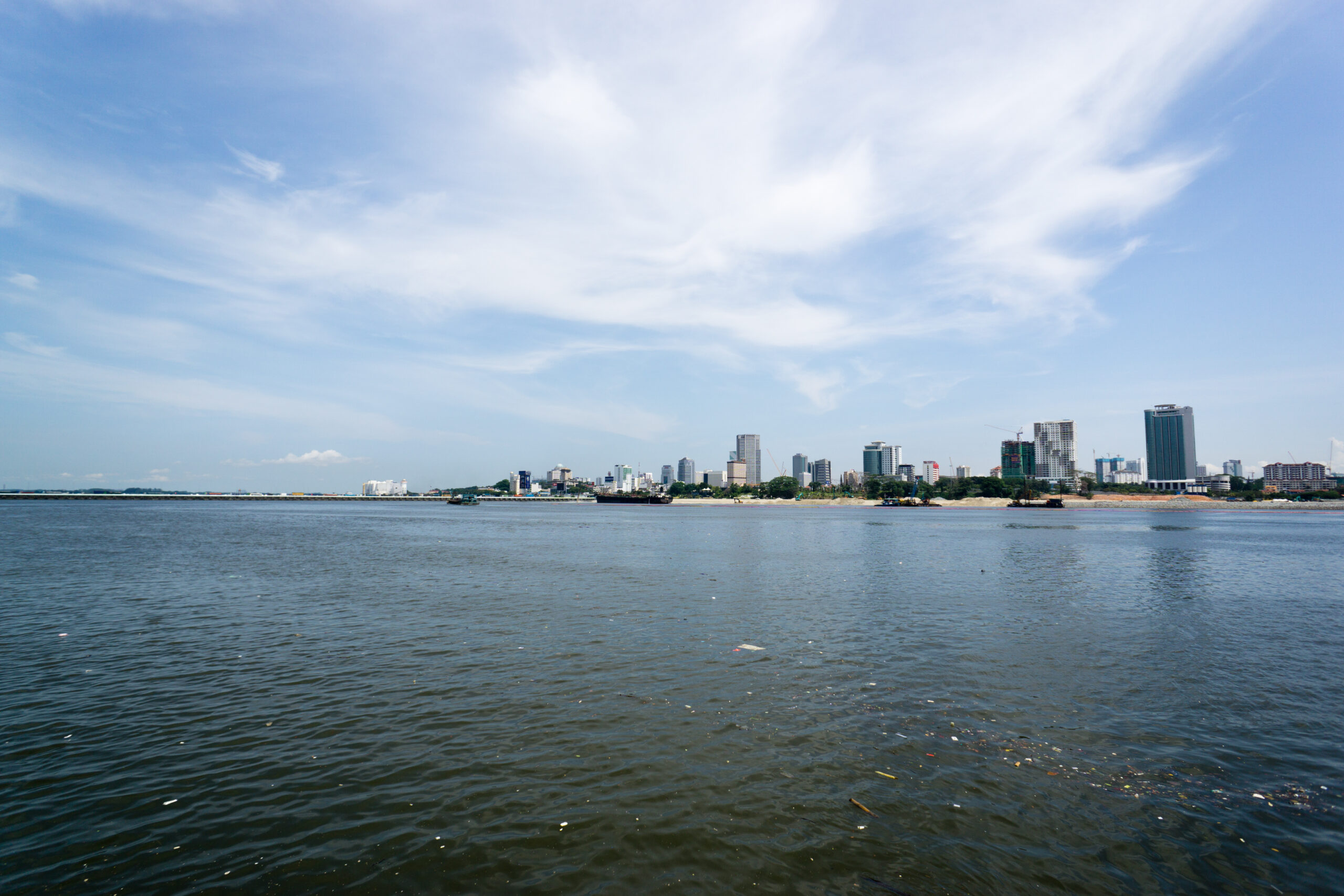
Johor Bahru is less romantic, which is often part of the appeal. Its cost anchor is more moderate than Kuala Lumpur, and it still gives you a real city environment. If your priority is ordinary urban practicality rather than prestige or postcard charm, Johor Bahru deserves a look. It tends to make more sense for people who value utility and access than for readers chasing a slower-base fantasy.
What to know about choosing a slower base
If your idea of comfort includes a noticeably slower rhythm, Kuala Lumpur is probably not the right mental picture. It is Malaysia’s main systems city, not its calmest one. George Town can work as a slower base if you choose carefully, because it gives you urban services without the same capital-city intensity, but it is still a real city, not a sleepy retreat.
For readers who want something smaller and softer, places like Ipoh or Melaka are worth scouting before making any commitment. They may feel more manageable day to day. The tradeoff is that slower usually also means thinner, meaning less transit depth, less healthcare redundancy, and less plug-and-play English convenience than Kuala Lumpur or Penang.
That is the Malaysia decision in one sentence: Kuala Lumpur suits readers who want a deep service bench, George Town suits readers who want city life with somewhat softer cost pressure, and smaller cities make sense only if you actively want a slower routine and can accept giving up some service depth.
Who should probably avoid Malaysia
Malaysia is not a universal answer. It is a weaker fit for people who want permanent spring weather, for readers who confuse an easy 90-day stay with a solved long-term plan, and for anyone who wants the lowest-cost regional option regardless of tradeoffs.
- Readers who strongly dislike heat, humidity, and heavy air-conditioning dependence
- Americans who care more about the cheapest possible Southeast Asia setup than a practical one with fewer routine hassles
- People who expect tourist-entry convenience to automatically turn into long-term residency simplicity
- Readers who assume every city offers the same healthcare depth and English comfort as the main urban hubs
- Anyone romanticizing tropical life while underestimating climate fatigue and housing-quality choices
Sample monthly budget ranges
- Lean but workable: roughly US $1,500 to $2,000 a month (about RM 5,900 to RM 7,900) if you choose housing carefully and do not insist on the most polished foreigner-facing setup.
- Comfortable moderate: roughly US $2,000 to $2,800 a month (about RM 7,900 to RM 11,100) for the version of Malaysia most Americans probably mean when they picture comfortable urban life abroad.
- Kuala Lumpur or higher-comfort setup: US $2,800+ (about RM 11,100+) if you want newer housing, more convenience, heavier air-conditioning use, and a lower-friction routine.
These are decision ranges, not guarantees. Malaysia can still be compelling, but housing style, neighborhood choice, and climate-related utility use can change the math quickly.
Final verdict
Malaysia is a serious option for Americans who want Southeast Asia to feel livable rather than exhausting. It combines relatively strong English usability, credible healthcare depth, solid urban infrastructure, and lower everyday costs than much of the United States. For many readers, that combination will matter more than chasing the most extreme bargain.
The honest pitch is narrower than glossy expat marketing makes it sound. Malaysia is hot all year. Long-term status still needs separate planning. Kuala Lumpur can get expensive if you buy the glossy version of it. And the country works best when you choose cities and neighborhoods that match your real routine.
But if what you want is a practical, English-friendlier, comfort-oriented base in Southeast Asia, Malaysia deserves a very serious look.
References
- U.S. Department of State, Malaysia travel advisory / country information, https://travel.state.gov/en/international-travel/travel-advisories/malaysia.html
- Malaysia Digital Arrival Card (MDAC), https://imigresen-online.imi.gov.my/mdac/main
- EF English Proficiency Index, Malaysia, https://www.ef.com/wwen/epi/regions/asia/malaysia/
- LivingCost, Cost of Living in Malaysia, https://livingcost.org/cost/malaysia
- LivingCost, Cost of Living in Kuala Lumpur, https://livingcost.org/cost/malaysia/kuala-lumpur
- LivingCost, Cost of Living in Johor Bahru, https://livingcost.org/cost/malaysia/johor-bahru
- LivingCost, Cost of Living in George Town, https://livingcost.org/cost/malaysia/george-town
- Climates to Travel, Kuala Lumpur climate, https://www.climatestotravel.com/climate/malaysia/kuala-lumpur
- Malaysia Healthcare Travel Council, https://www.mhtc.org.my/
- Unifi, https://unifi.com.my/
- XE Currency Converter, MYR to USD, https://www.xe.com/currencyconverter/convert/?Amount=1&From=MYR&To=USD
If Malaysia is on the list mainly because English makes daily life easier, compare it with the standalone Cebu City guide. Cebu can feel more familiar linguistically, while Malaysia may offer a different balance of transit, healthcare depth, and city infrastructure.
For a city-level Malaysia test, pair the country overview with this standalone Kuala Lumpur guide for housing, services, healthcare preparation, and daily friction.
For a city-level Malaysia test, pair the country overview with this standalone Penang guide for housing, healthcare preparation, and daily friction.
Related comparison: Philippines vs. Malaysia for Americans Who Want English-Friendly Southeast Asia