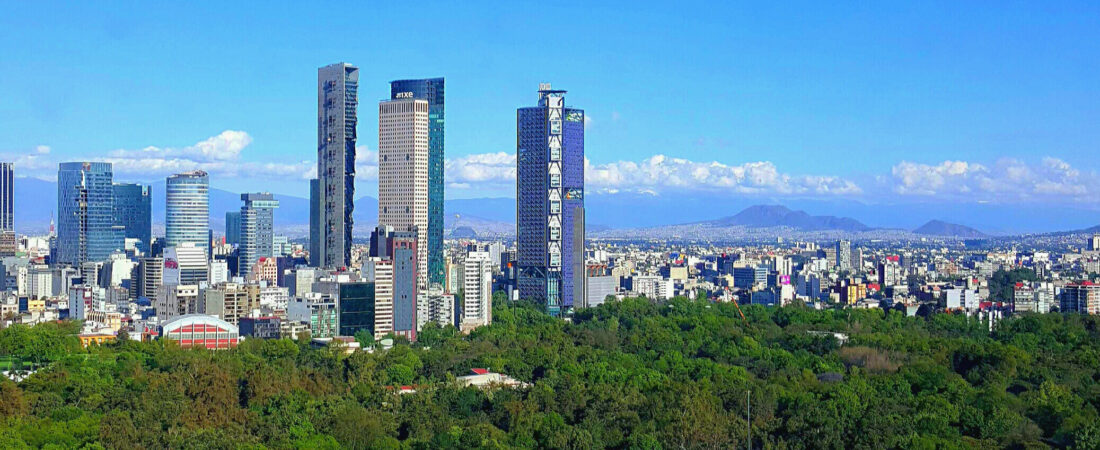
Quick fit: Mexico City makes the most sense for Americans who truly want big-city life: public transit, specialist healthcare, dense neighborhoods, and the kind of daily convenience many U.S. metros charge much more for. It is a much weaker fit if what you really want is quiet, simplicity, and low rent in a pretty neighborhood.
Mexico City is easy for Americans to misread in both directions. Some still picture it as a giant bargain where city life somehow costs almost nothing. Others assume it is such a huge capital that any financial upside disappears. Neither picture is very helpful.
The more useful answer is that Mexico City can be an excellent value for the right kind of person. If you want museums, hospitals, specialist care, strong flight connections, dense neighborhoods, and a real transit-based routine, you can get a lot of city for the money here. But the savings are not automatic. Housing, neighborhood choice, and your tolerance for noise, crowds, and bureaucracy do a lot of the deciding.
So this is not a “live like royalty” article. It is a practical look at whether Mexico City still makes sense for low-income to middle-class Americans who want a real urban base abroad without paying full U.S. big-city prices.
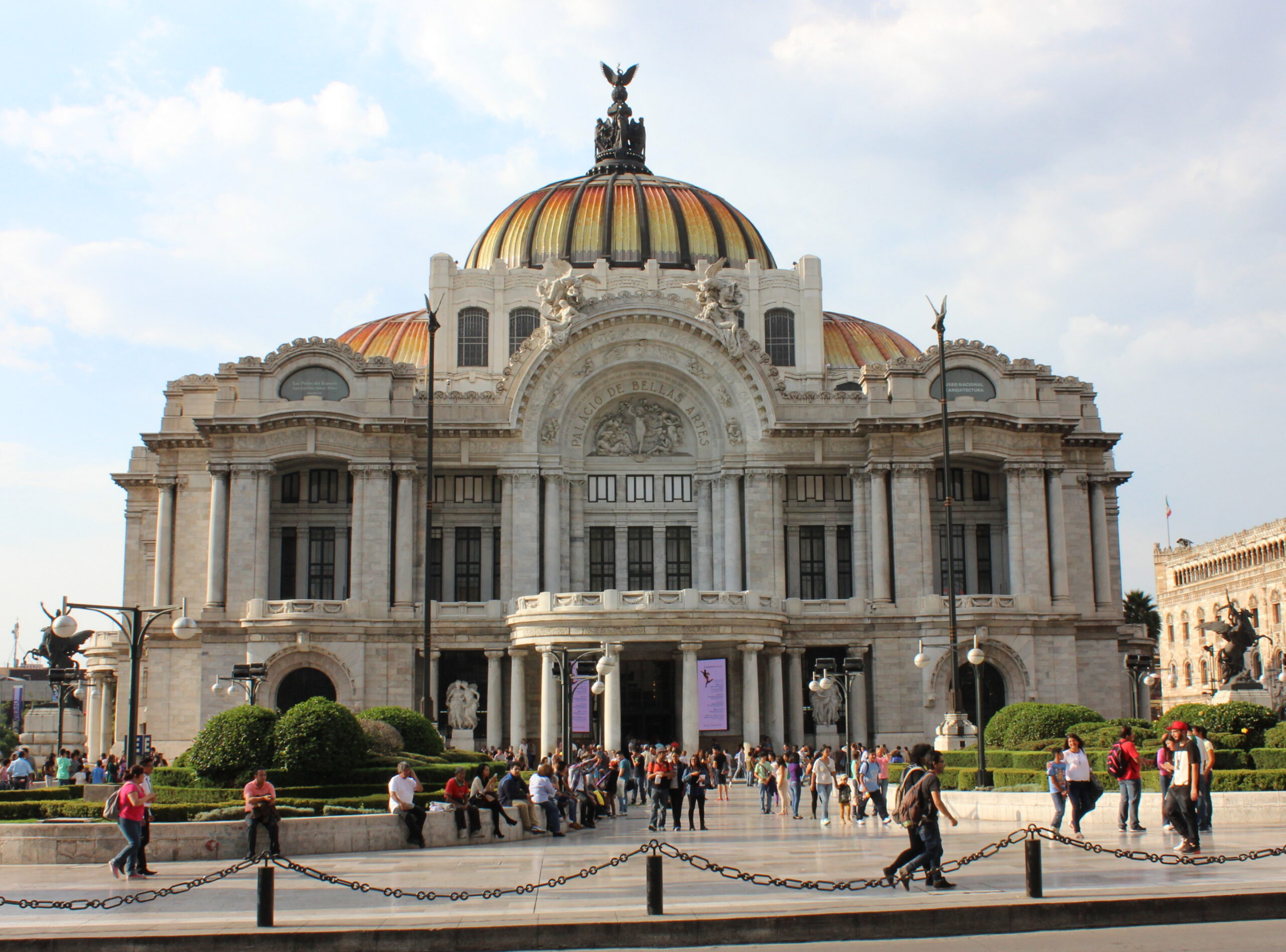
Who Mexico City is best for
Mexico City is best for Americans who actually enjoy city life. That sounds obvious, but it matters. A lot of moving-abroad content treats every destination as if it should deliver the same dream: lower costs, less stress, more beauty, and fewer hassles all at once. Mexico City is not that kind of place. What it offers is scale, options, and everyday functionality at a lower cost than many U.S. cities, not some magically soothing version of urban life.
- People who want a dense, walkable, transit-using routine
- People who care about healthcare access, specialists, and city services
- Americans who still want major-airport convenience and easier trips back to the U.S.
- People who want culture, food, neighborhoods, and variety more than beach-town calm
- Budget-conscious people who understand that “cheaper than U.S. city life” is different from “cheap in every way”
If your ideal life abroad depends on quiet streets, low pollution, minimal traffic, and easy housing costs, this probably is not your place. Mexico City works best when the city itself is part of the appeal.
The real cost question: cheaper than major U.S. cities, not cheap by Mexico standards
Mexico City’s biggest strength is that it can still offer capital-city living without full U.S.-level pricing. Numbeo’s April 2026 city snapshot puts a single person’s monthly costs excluding rent at about 13,952 MXN, or roughly US $805. That is a useful baseline. Day-to-day living can still come in meaningfully lower than in many U.S. metro areas before you even factor in the transportation advantage.
Rent is what decides whether the city feels workable or stressful. The same source set puts a one-bedroom apartment at about 20,239 MXN in the city center, roughly US $1,010, and about 13,353 MXN outside the center, roughly US $665. Broadband runs about 654 MXN, or roughly US $33. Those are reasonable numbers for a huge capital, but they are not fantasy-budget numbers. If your plan depends on landing in a famous neighborhood with your own polished furnished apartment for very little money, Mexico City can ruin the math in a hurry.
The smarter frame is this: Mexico City is often a better-value big city, not the cheapest place in Mexico. It makes more sense as an alternative to U.S.-metro costs than as a stand-in for smaller Mexican cities.
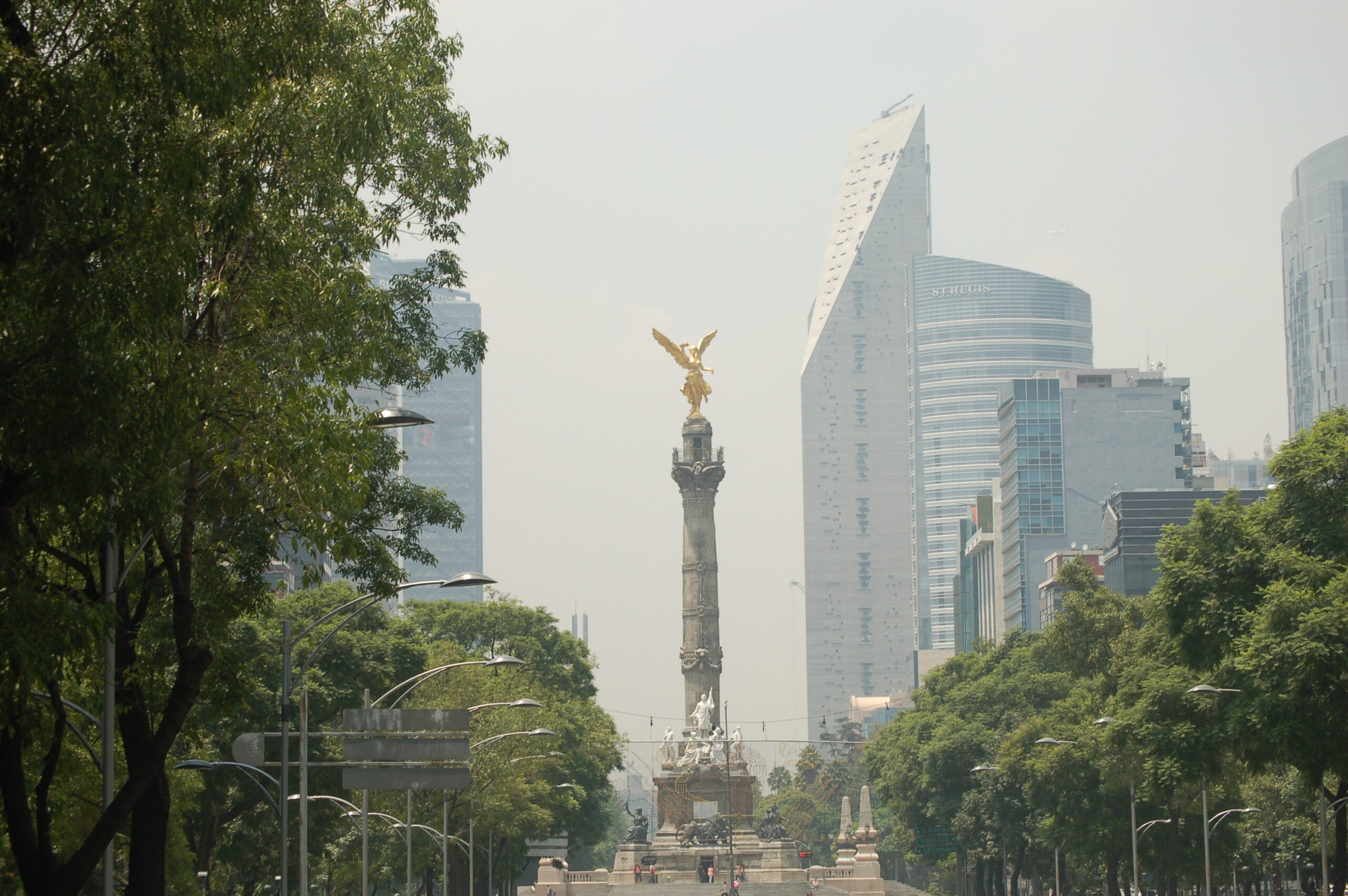
Housing and neighborhood reality are the whole game
This is where most budgeting mistakes happen. People research Mexico City by starting with the neighborhoods that dominate English-language videos and short-term rental apps, then act surprised when the city looks expensive. That is a bit like pricing New York by starting with the parts of Manhattan most newcomers fantasize about.
It helps to separate two questions. First, do you need the city? Second, do you need the trendiest version of it? Those are not the same question. If you insist on the most internationally recognizable central pockets, your costs will climb quickly. If you are open to a practical neighborhood that still gives you transit, errands, and daily livability, the math gets a lot more believable.
That is why this city often works better for moderate-budget Americans than it first appears, and worse for people chasing a polished expat fantasy. Housing is not impossibly expensive. It is just unforgiving when convenience purchases get mistaken for the local baseline.
Transit is one of Mexico City’s biggest financial advantages
For Americans coming from car-heavy places, Mexico City can improve the monthly math in a very practical way. The official city guide says a paper Metro ticket costs 5 MXN, about US $0.25, and the reloadable mobility card costs 10 MXN, about US $0.50. Numbeo’s city snapshot puts the monthly transit pass around 360 MXN, or roughly US $18. That is a real difference-maker compared with maintaining a car in a large U.S. city.
The tradeoff is obvious: crowding. The official Metro guide highlights peak-hour pressure, especially on weekday mornings and evenings, and notes a 12-line system built for a city this large. In practice, that means Mexico City can be incredibly useful if you want to move around cheaply and do not mind sharing the system with millions of other people. If crowds wear you out, that same strength can become a reason to look elsewhere.
Still, for the right reader, this is one of the city’s clearest advantages. You may be spending more on rent than in a smaller Mexican city, but if you can cut driving way down, live near errands, and use transit regularly, Mexico City starts to feel more efficient than many American cities that cost more while demanding a car.
Healthcare and big-city services are part of the value
One reason Mexico City makes sense for some retirement-minded or cautious Americans is simple: it is easier to picture getting things handled there. In a smaller city, lower costs may be the headline advantage. In Mexico City, the case is often about depth, with more hospitals, more specialists, more service options, more infrastructure, and more ways to solve problems without leaving town.
The IMSS English information page also matters here. It says foreigners with legal residence in Mexico can voluntarily register with social security as independent or self-employed persons and gain access to consultations, medicines, hospitalization, surgeries, emergency care, and specialty services. That does not mean every American should assume public coverage will feel simple or line up neatly with what they are used to. It does mean the city sits inside a healthcare environment with more real options than a lot of relocation content admits.
In plain English, Mexico City’s appeal is not just that it can cost less. It is that it can cost less while still feeling like a place where serious life can happen. For some people, that combination is worth paying a little more than they would in a slower, smaller market.
Visa and stay reality: easy to visit, but do not build a plan on lazy assumptions
Mexico is easy to talk about casually online, which is exactly why the legal details get sloppy. The U.S. State Department says Americans need a passport book to enter Mexico by air, digital FMMD is issued at Mexican international airports, and Mexican authorities determine how long an air traveler is authorized to stay on arrival. The INM FMM page says the visitor document has a maximum validity of 180 calendar days, is for visitor status without permission to work, and is valid for one entry only.
That should keep the article’s tone restrained. Mexico City is easy to test as a destination. It is not a place where readers should assume they can drift into long-term legality through anecdote and vibes. If the city becomes your real plan, treat entry and residence as separate planning categories.
Safety, noise, and city friction: the tradeoffs are real
Mexico City is not a place you can summarize with one giant yes-or-no safety label. The better habit is neighborhood thinking: where you walk, where you come home after dark, how much traffic and noise you can tolerate, how often you rely on rides, how comfortable you feel doing ordinary errands, and whether your building and block fit your routine.
This is also where people discover whether they really want capital-city living. Mexico City gives you energy, culture, and options. It also gives you congestion, scale, bureaucracy, air-quality tradeoffs, and the low-grade friction that comes with living in one of the biggest urban areas in the hemisphere. Some people find that energizing. Others just feel worn down by it.
The honest takeaway is simple: if you want the benefits of a giant city, these tradeoffs may feel acceptable. If you only want Mexico City because it sounds prestigious or because you assume every problem is offset by lower prices, you may not like it enough to justify the friction.
Internet and remote-work practicality
Mexico is workable for connected daily life, but apartment-level reality still matters more than country averages. In the source set already used across this project, Mexico ranked 89th globally for mobile and 72nd for fixed broadband during February 2026. That is enough to support a modest claim: people do build online lives in Mexico, and Mexico City is one of the likeliest places to make that routine work well.
Broadband pricing around 654 MXN, roughly US $33, is not the issue. The issue is building quality, neighborhood infrastructure, and whether the apartment you rent performs the way the listing promised. For remote workers or anyone who hates unreliable service, Mexico City can still be one of the better Mexico bets, but it deserves the same common-sense backup thinking you would use anywhere else.
Who should probably avoid Mexico City
- People who want a slow, quiet lifestyle and only tolerate cities reluctantly
- People whose budget falls apart if they cannot live in a highly polished central neighborhood
- Anyone who wants simple bureaucracy and low-friction systems at every step
- People who mainly want Mexico for beach life, lower housing pressure, or a calmer day-to-day rhythm
- People who confuse “less expensive than many U.S. cities” with “easy to live here on almost any budget”
This is not a warning against the city. It is just the difference between choosing it for the right reasons and talking yourself into a mismatch.
Sample monthly budget ranges
- Lean but workable: roughly US $1,700 to $2,300 a month for one person, especially if you keep housing practical, stay out of the most expensive central setups, and use transit regularly.
- Comfortable moderate: roughly US $2,300 to $3,200 a month for a more relaxed solo setup or a couple sharing costs without aiming at luxury.
- Trendier central or higher-comfort setup: US $3,200+, especially if you want more space, a furnished apartment, or a neighborhood foreigners compete for heavily.
Those are decision ranges, not guarantees. Mexico City is a place where neighborhood and housing strategy matter more than broad country averages.
Final verdict
Mexico City is one of the better answers for Americans who want real big-city living abroad without paying full U.S.-metro prices. That is the real case for it. Not a cheap fantasy, and not some stress-free romance. It offers real city life, real services, real transit, real healthcare depth, and a cost structure that can still beat many American urban markets if you choose housing carefully.
It is not the right Mexico answer for everyone. Smaller cities will often be calmer and cheaper. If that is the real goal, the newer Mexico lower-cost cities comparison is the more useful next read, because it focuses on Puebla, Mérida, Querétaro, and Oaxaca instead of assuming the capital is the default answer. Beach towns may fit a completely different dream. But for Americans who still want urban density, culture, convenience, and a life that feels active rather than sleepy, Mexico City deserves a serious look. It works best when you choose it because you actually want the city itself, and because the value is solid, not because you expect a giant capital to behave like a small, easy bargain.
References
- U.S. Department of State, Mexico Travel Advisory and entry information, https://travel.state.gov/en/international-travel/travel-advisories/mexico.html
- Instituto Nacional de Migración (INM), Forma Migratoria Múltiple (FMM), https://www.inm.gob.mx/fmme/publico/en/solicitud.html
- IMSS, Foreigners in Mexico, English information page, https://www.imss.gob.mx/personas-trabajadoras-independientes/extranjeros-en-mexico/english
- Numbeo, Cost of Living in Mexico City, https://www.numbeo.com/cost-of-living/in/Mexico-City
- Numbeo, Cost of Living in Mexico, https://www.numbeo.com/cost-of-living/country_result.jsp?country=Mexico
- Mexico City official guide, Using the Metro, https://mexicocity.cdmx.gob.mx/e/getting-around/using-the-metro/
- Ookla Speedtest Global Index, Mexico, https://www.speedtest.net/global-index/mexico