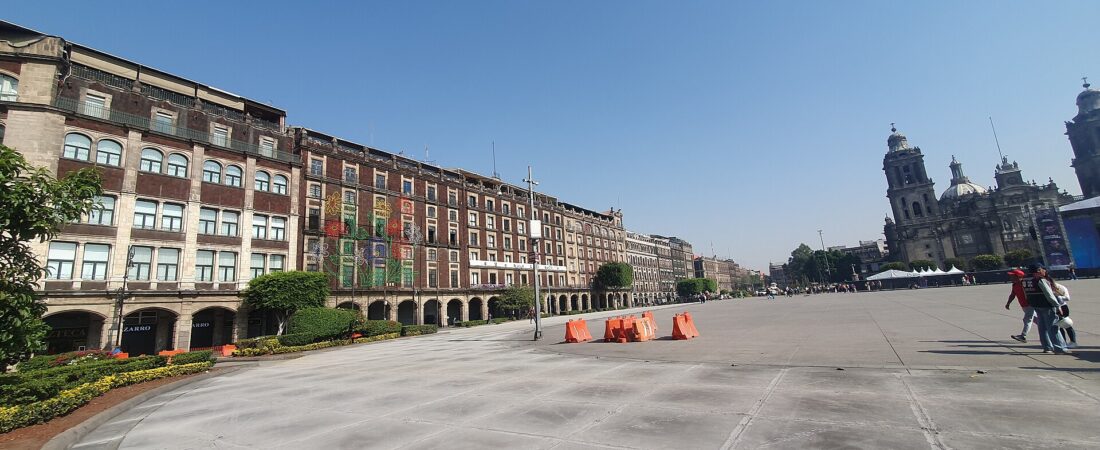
Quick fit: Mexico can make sense for Americans who want lower day-to-day costs than much of the U.S., a wide range of city options, and an easier trip back home. It tends to work best for people who can handle some bureaucracy, do real city-by-city safety homework, and stop assuming every attractive coastal market is still a bargain.
Mexico is one of the first places Americans consider when they want a longer, more affordable life abroad, and for good reason. Flights are usually manageable, the time-zone gap is easy compared with Europe or Asia, familiar stores and services are around when you want them, and the country offers a real range of lifestyles, from giant cities to calmer inland places to beach towns.
It is also easy to romanticize. People hear “cheap,” picture a sunny apartment near the water, and skip the parts that matter after the first week: what rent really costs in the neighborhoods foreigners actually choose, how much drag comes with paperwork, whether the local healthcare setup fits your needs, whether daily life is walkable enough, and whether the place fits your budget instead of your fantasy.
For low-income to middle-class Americans, especially retirement-minded readers or people planning a slower, longer stay, Mexico can still be a very workable option. The better question is not “Is Mexico cheap?” It is “Which version of Mexico fits my budget, comfort level, and tolerance for tradeoffs?”
Who Mexico is best for
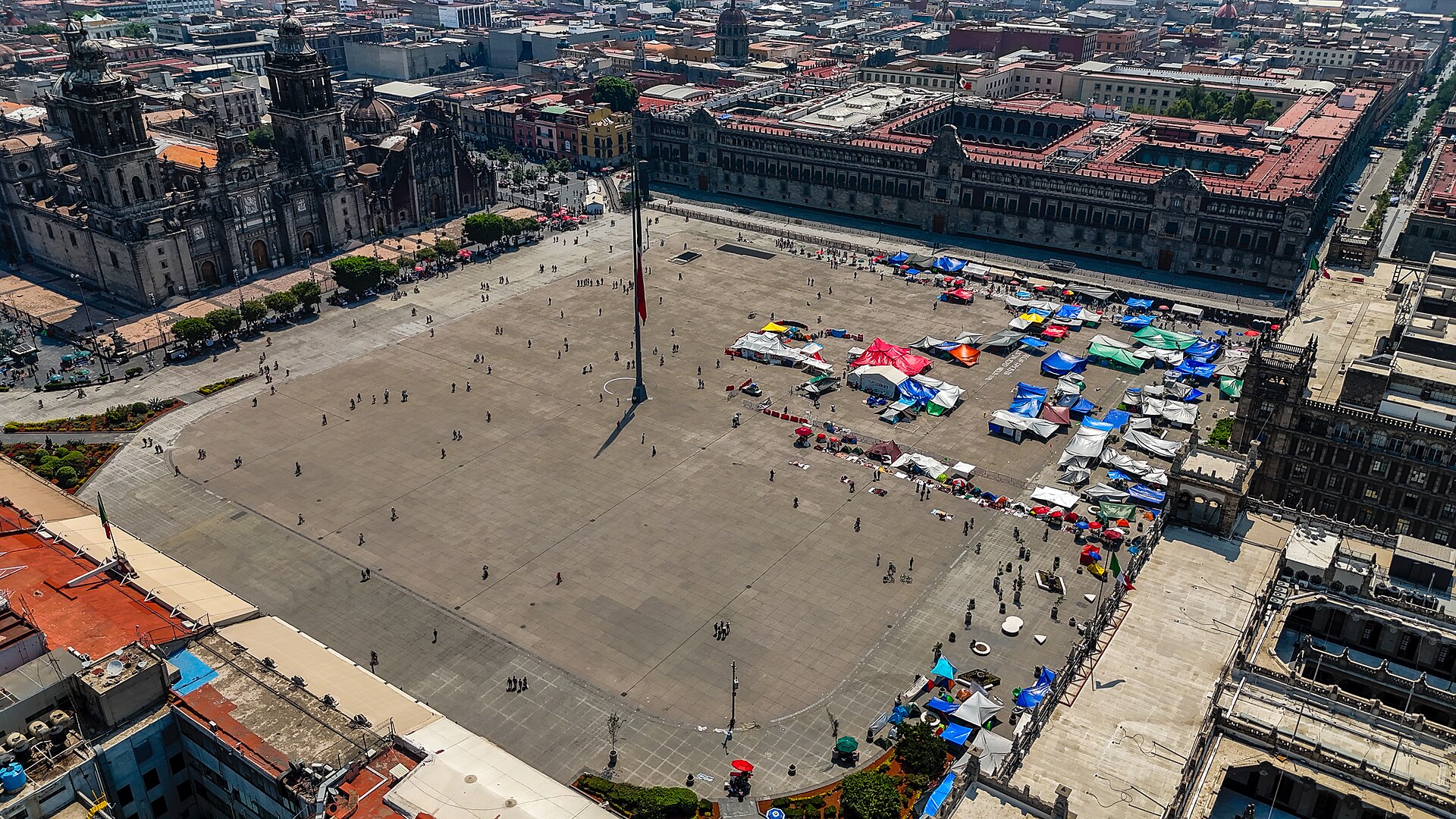
Mexico is a strong fit for Americans who want cost relief without moving extremely far from the United States. Being able to get home without an all-day international haul matters more to some people than they expect. It also helps that Mexico gives you choices. You can aim for a large city, a smaller inland city, a colonial center, a coastal market, or a place that feels more local and less built around foreign demand.
It tends to work best for readers willing to live a little strategically. In practice, that usually means picking a smaller or second-tier city instead of the obvious expat hotspot, taking long-term housing seriously instead of building your life around furnished short-term rentals, and accepting that a system can be perfectly livable without feeling as standardized as the U.S.
- People living on a modest but workable fixed income
- Americans who want a lower monthly burn rate without leaving the Americas entirely
- Readers comfortable with some paperwork, uneven infrastructure, and local variation
- People who can choose the right city instead of insisting on the most famous beach market
- Retirement-minded readers who care more about practicality than trendiness
If you need everything to feel standardized, predictable, and frictionless, Mexico may feel more tiring than charming. It generally rewards flexibility more than rigidity.
Realistic cost of living for Americans
The country-level numbers help explain why Mexico stays on so many shortlists. Numbeo’s April 2026 country snapshot puts a single person’s monthly costs excluding rent at about 12,518 MXN, or roughly US $625, with average broadband around 537 MXN, or about US $27. That does not mean you can drop those numbers into your own plan and call it finished, but it does show that Mexico can still cost less than much of the U.S. if you choose carefully.
Housing is the pressure point. The same Numbeo dataset puts a one-bedroom apartment at about 13,735 MXN in a city center, roughly US $685, and about 9,040 MXN outside the center, roughly US $450. Those averages matter because they show two things right away. Rent is no longer magically cheap everywhere, and the gap between central foreigner-friendly areas and more ordinary neighborhoods is still a big deal.
For planning, ranges are more honest than fake precision. A lean but workable setup in the right city can still come in around US $1,300 to $1,800 a month if you keep rent under control and live simply. A more comfortable moderate setup is often around US $1,800 to $2,500 a month. If you want more space, more convenience, more imported comforts, or a pricier market, you can move into US $2,500+ territory pretty quickly.
That is why Mexico remains practical for low- to middle-income readers, but it is less forgiving than the old “live like royalty for nothing” stories suggest. You can often lower your costs, but you still have to make real choices.
Rent and housing reality
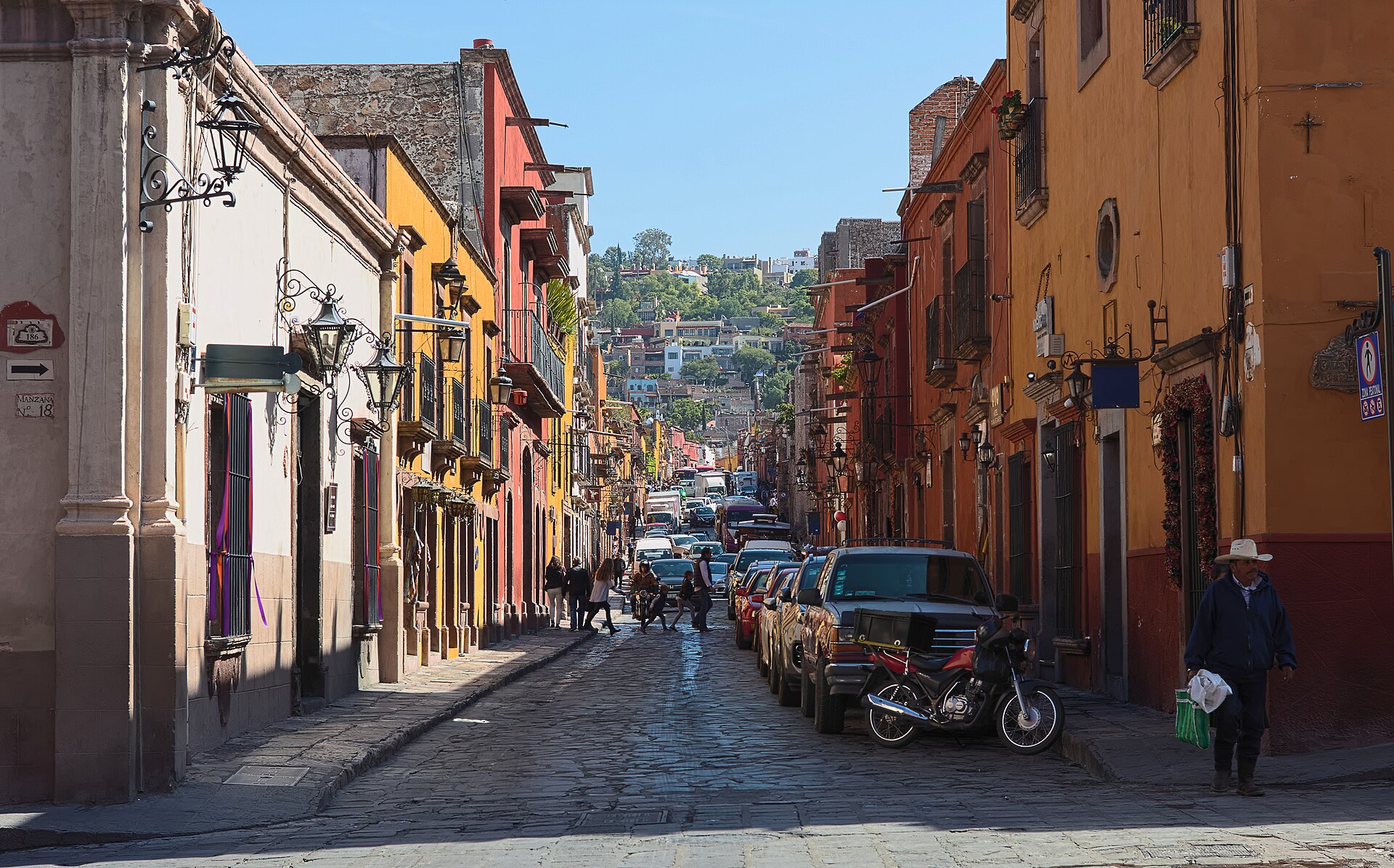
This is where people either make Mexico work or quietly blow up their budget. If you search the slickest furnished listings in the most foreigner-heavy neighborhoods, Mexico can stop looking affordable fast. Longer local-style leases and less hyped neighborhoods usually tell a more useful story.
The city examples in the current source set show that clearly. Mexico City averages about 20,239 MXN for a one-bedroom in the center, roughly US $1,010, and 13,353 MXN outside the center, roughly US $665. Puerto Vallarta runs even hotter, at roughly 24,425 MXN in the center, about US $1,220, and 14,743 MXN outside, about US $735. Those are not fantasy-budget numbers. If your plan depends on living in a famous, scenic, high-demand market while spending very little, Mexico may disappoint you.
Merida and Queretaro show why city choice matters so much. Merida came in at about 10,500 MXN for a central one-bedroom, roughly US $525, and 8,129 MXN outside the center, roughly US $405. Queretaro was around 15,167 MXN in the center, about US $760, and 9,961 MXN outside, about US $500. Neither city is dirt cheap, but both can look much more realistic than Mexico City or Puerto Vallarta for budget-conscious readers, especially if you are willing to live a little outside the polished core.
The practical takeaway is simple: do not price Mexico using short-term furnished rentals alone. For a longer stay, the way you search for housing changes the math. A tidy, furnished place aimed at foreigners in a fashionable neighborhood is often a convenience purchase, not the local baseline.
Healthcare reality
Healthcare is one reason Mexico stays attractive, because costs can feel less punishing than in the U.S. But it is better to stay concrete than turn that into a vague promise. The official IMSS English information page says foreigners with legal residence in Mexico can voluntarily register as independent or self-employed persons and access consultations, medicines, hospitalization, surgeries, emergency care, and specialty services.
That matters because it shows public coverage options exist for foreigners with legal residence. It also reminds you that status matters. A visitor stay and long-term residence are not the same thing, and you should not assume you can arrive as a short-term visitor and automatically access everything as if you were already settled.
For many Americans, the honest planning model is this: Mexico can offer useful healthcare access and lower costs, but you still need to think through location, private versus public care, specialist access, language comfort, and what happens if you have ongoing conditions or medication needs. Treat healthcare as a planning category, not a magic trick that makes the whole move work.
Visa and stay reality
This is one of the easiest places for readers to get misled by old anecdotes. According to the U.S. State Department’s Mexico entry information, U.S. citizens need a passport book to enter by air, Mexican authorities decide how long an air traveler is authorized to stay on arrival, and airports now use digital FMMD handling. The INM FMM page also says the electronically obtained FMM is for visitor status without permission to work, is valid for one entry, and has a maximum validity of 180 calendar days, with entry still fully discretionary.
In plain English, stop treating 180 days like a personal entitlement. It is the official maximum for that visitor document, not a promise that every traveler gets the same result. And it is visitor status, not work permission and not the same thing as residence.
If you are serious about longer-term living in Mexico, build your plans around the idea that official entry rules matter, immigration officers have discretion, and legal residence is a separate category from a simple visitor stay. That does not make Mexico unworkable. It just means you should not build a real move on casual internet lore.
Safety and everyday comfort
Mexico should not be discussed as if it has one single safety profile. The State Department advisory is a useful anchor because it reinforces an obvious but important point: conditions vary a lot by state and city. Broad claims like “Mexico is safe” or “Mexico is dangerous” do not help much when you are trying to decide where to live.
For daily life, the better questions are specific. How does a particular city feel in the neighborhoods you would actually use? Can you run errands comfortably? Do you feel fine walking during the day? Would nightlife noise wear on you? Would you rely on rides more than expected? Is a neighborhood popular because it is genuinely pleasant, or because it is where foreigners cluster and pay extra? Those questions matter far more than generic country-wide arguments online.
The readers who do best in Mexico usually evaluate places at street level: specific neighborhoods, specific routines, specific tradeoffs. They also leave room for the obvious truth that a city can be attractive, affordable enough, and still not be right for them.
Transportation, walkability, and daily life
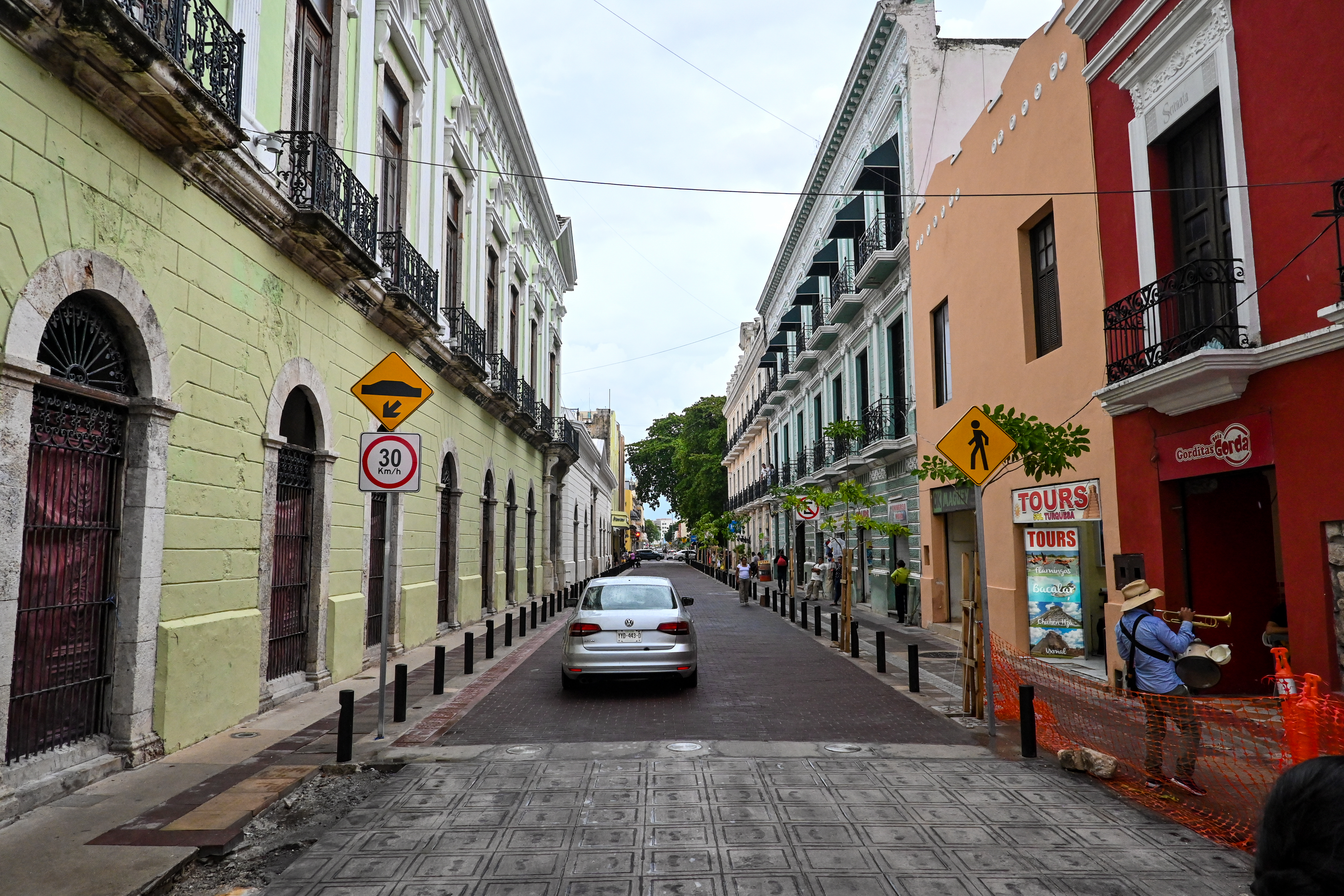
One reason Mexico works for many longer stays is that daily life can be easier without constant driving, depending on where you land. Dense central neighborhoods, local shops, pharmacies, markets, and delivery options can make ordinary routines simpler than they are in many car-dependent parts of the United States. But this varies a lot by city and neighborhood.
Mexico City is the obvious example of a place where you can build a real transit-using life if you pick the right area. Numbeo’s current snapshot puts a monthly transit pass at about 360 MXN, or roughly US $18, which is a reminder that urban mobility can cost much less than many Americans are used to. The tradeoff is scale, crowding, and noise. A city can be highly functional and still feel exhausting if you want something calmer.
For many readers, mid-sized cities are the sweet spot. That is part of the appeal of places like Queretaro and Merida. You may not get the full depth of a mega-city, but you can get a more manageable rhythm. Once the novelty wears off, that often matters more than people expect. Groceries, pharmacy runs, banking errands, and whether a walk across town feels pleasant or punishing start to matter a lot.
Internet and infrastructure
If your move depends on being online, Mexico is workable, but realism helps. The retrieved February 2026 Ookla result placed Mexico 89th globally for mobile and 72nd for fixed broadband. That is enough to support the basic point that decent internet exists in many places. It is not proof that every apartment, building, or neighborhood will be equally dependable.
Broadband pricing in the current Numbeo samples is fairly reasonable. The country-wide average for 60 Mbps+ service was about 537 MXN, or about US $27, with city samples around 654 MXN in Mexico City, about US $33, 591 MXN in Merida, about US $30, 473 MXN in Queretaro, about US $24, and 642 MXN in Puerto Vallarta, about US $32. So the bigger issue is often not price. It is apartment-level execution: building quality, router placement, provider consistency, and whether your rental setup matches what you actually need.
If you work online, or just hate losing service, a backup mindset still pays off. Test apartment internet early, keep mobile data options in mind, and do not assume an amenity listing means the connection will meet your standards.
Best cities and regions to consider first
The most useful way to think about Mexico is not as one answer, but as a set of tradeoffs. These are four of the clearest starting points from the current research base.
If you already know you want a lower-cost Mexico base without feeling too cut off, the sharper next step is this four-city shortlist covering Puebla, Mérida, Querétaro, and Oaxaca. It is a better fit than broad country averages when you are actually trying to decide where daily life may work best.
If mild weather and easier errands are your main filter, also read the Mexico mild-weather and logistics guide, which compares Querétaro, Lake Chapala, San Miguel, Puebla, Oaxaca, and Morelia through a practical everyday-life lens.
Merida
Merida is easy to understand as an affordability candidate because the rent numbers are noticeably softer than Mexico City and Puerto Vallarta, and the city has a reputation for being calmer and easier to manage than the biggest urban centers. For readers who value routine, can handle the heat, and want a less frantic pace, it belongs on the shortlist.
The catch is the climate. Utility costs can run higher than some people expect, which lines up with common-sense air-conditioning use in a hot place. So Merida can still be a good value, but not because every category is effortlessly cheap.
Queretaro
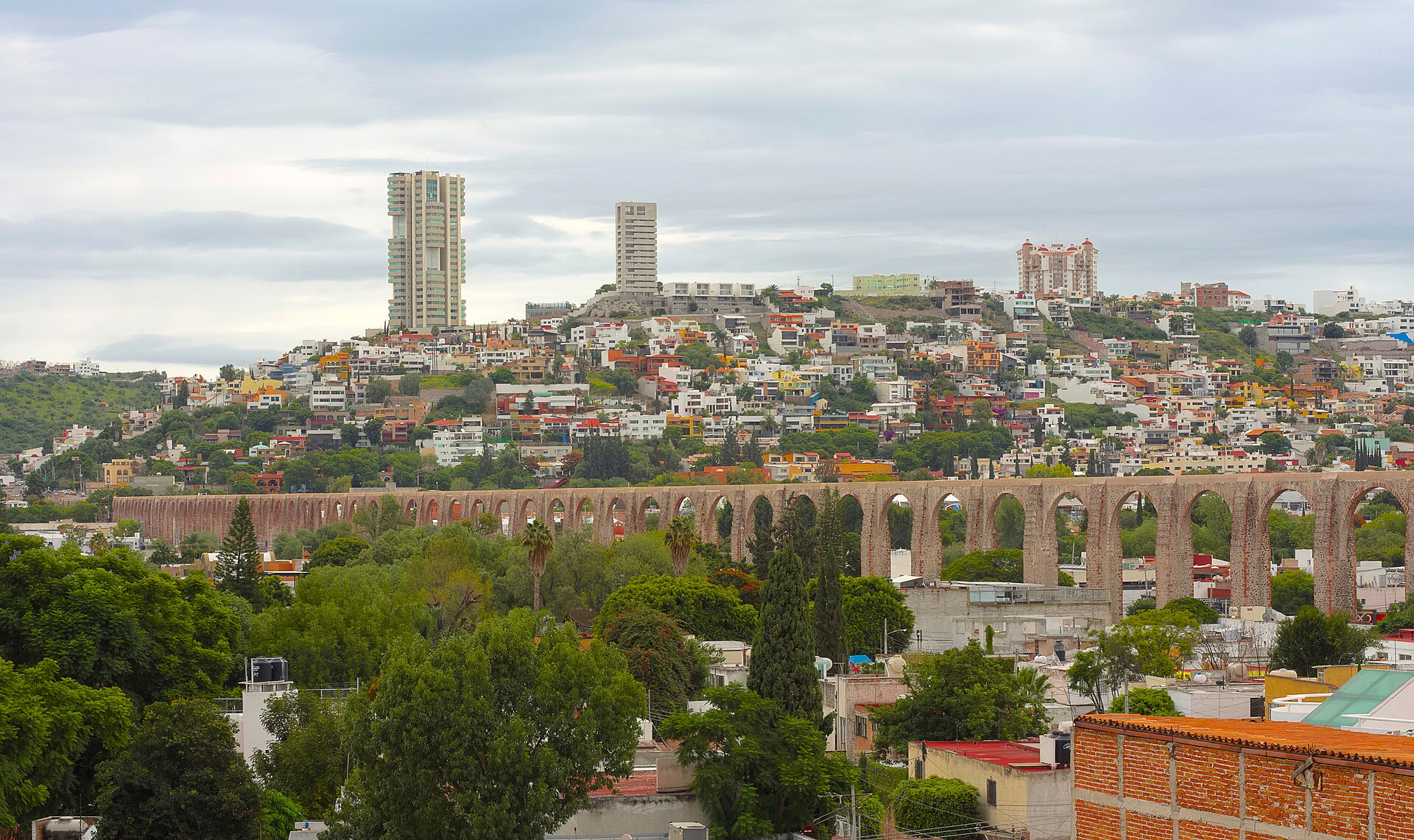
Queretaro looks like one of the better middle-ground choices in the current dataset. It is not the cheapest place in the country, but it can land in a more balanced zone than the capital or the pricier coastal markets. For readers who want a real city without full Mexico City intensity, it deserves serious attention.
That mix, workable housing outside the center, reasonable broadband pricing, and a more moderate overall profile, is exactly the sort of thing budget-conscious Americans should focus on. Often the best Mexico choice is not the place with the loudest online reputation. It is the place where the daily math still works.
Mexico City
Mexico City is for readers with more budget, more urban tolerance, and a real reason to want that scale. It can offer transit, culture, services, food, neighborhoods with real daily life, and a level of metropolitan choice few places in the region can match. But it is not the obvious budget play many outsiders imagine.
If your version of affordable longer-term living depends on keeping rent low, Mexico City can break that plan fast. It makes more sense as a high-function big-city option than as the default answer for someone trying to stretch every dollar.
Puerto Vallarta
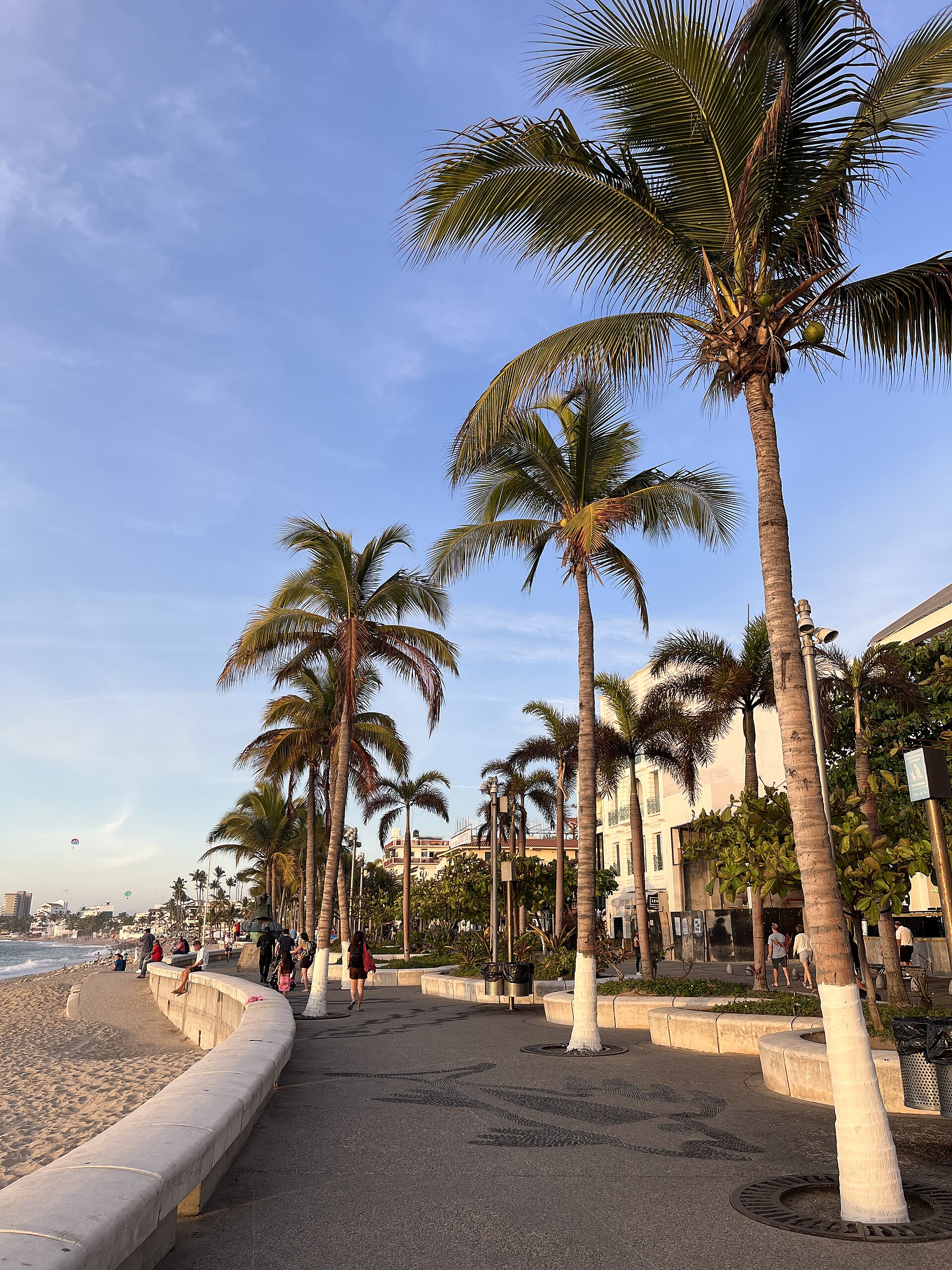
Puerto Vallarta is a useful example because it shows the difference between popular and budget-friendly. Many Americans like it, and the reasons are obvious. But the current numbers, especially for central rent and utilities, suggest it should not be treated as an easy low-cost win.
If you have the money and specifically want that kind of coastal environment, fine. But if you are trying to stretch a modest retirement income or a careful middle-income budget, this is exactly the sort of market that can break the cheap-beach fantasy faster than expected.
Who should probably avoid Mexico
Mexico is a weaker fit for people who need smooth administration, want zero ambiguity around paperwork, or want to live in a famous beach market while spending very little. It is also a poor fit for readers who insist on making country-wide judgments instead of choosing a city carefully.
- People who need highly standardized systems at every turn
- Readers who assume a tourist-style visitor stay is the same thing as long-term legal residence
- Anyone who only wants headline expat or beach destinations on a very tight budget
- People unwilling to research neighborhoods and everyday safety city by city
- Readers who want affordability without making housing compromises
If that sounds blunt, it is still useful. Mexico remains a strong option, but it tends to reward honest planning.
Sample monthly budget ranges
- Lean but workable: roughly US $1,300 to $1,800 a month in the right city, with disciplined rent choices, ordinary day-to-day spending, and no insistence on the most polished neighborhoods.
- Comfortable moderate: roughly US $1,800 to $2,500 a month for a more relaxed setup in many non-luxury cities or neighborhoods.
- Higher-comfort or pricier-market budget: US $2,500+, especially if you want Mexico City convenience, coastal popularity, more space, or a furnished setup aimed at foreigners.
Think of those as decision ranges, not guarantees. The goal is not to predict your exact spending to the dollar. It is to help you quickly see the difference between a workable plan and one built on old internet mythology.
Final verdict
For Americans wanting affordable longer-term living, Mexico is still one of the most practical places to consider. It offers lower costs than much of the U.S., easier proximity than many overseas alternatives, and a real spread of city choices. That combination still matters.
But the smart way to approach Mexico in 2026 is with tighter expectations and better filters. Do not ask whether Mexico is cheap. Ask which city still matches your budget. Do not ask whether Mexico is safe. Ask whether the neighborhoods you would actually live in make sense for your habits. Do not ask whether you can “just stay.” Ask what the official rules actually allow.
If you can do that, Mexico remains a credible option for low- to middle-income Americans who want a longer, more livable life abroad. If you cannot, it is easy to spend more than expected and wind up disappointed for reasons that were visible from the start.
If Mexico is still on your shortlist, the best next step is to narrow the decision instead of staying at country level. This city shortlist helps if you want a lower-cost urban base, and this four-way Mexico comparison is better if you are weighing very different everyday rhythms and retirement-style tradeoffs.
If you are weighing specific Mexico cities, do not stop at the rent number. Use this compare lower-cost Mexico cities beyond rent checklist to test healthcare access, climate, walkability, airport usefulness, safety habits, furnished rentals, and daily friction side by side.
If you are still comparing the first country rather than the first city, read the Mexico and Panama for a first practical base comparison before committing to a Mexico-only shortlist.
For a city-level look at one of Mexico’s best-known slower, walkable markets, see what San Miguel de Allende is like as a practical Mexico base. It is a useful comparison if you value an established social scene and walkability, but want to weigh that against higher rents and popularity-driven pricing.
References
- U.S. Department of State, Mexico Travel Advisory and entry information, https://travel.state.gov/en/international-travel/travel-advisories/mexico.html
- Instituto Nacional de Migración (INM), Forma Migratoria Múltiple (FMM), https://www.inm.gob.mx/fmme/publico/en/solicitud.html
- IMSS, Foreigners in Mexico, English information page, https://www.imss.gob.mx/personas-trabajadoras-independientes/extranjeros-en-mexico/english
- Numbeo, Cost of Living in Mexico, https://www.numbeo.com/cost-of-living/country_result.jsp?country=Mexico
- Numbeo, Cost of Living in Mexico City, https://www.numbeo.com/cost-of-living/in/Mexico-City
- Numbeo, Cost of Living in Merida, https://www.numbeo.com/cost-of-living/in/Merida
- Numbeo, Cost of Living in Queretaro, https://www.numbeo.com/cost-of-living/in/Queretaro
- Numbeo, Cost of Living in Puerto Vallarta, https://www.numbeo.com/cost-of-living/in/Puerto-Vallarta
- Ookla Speedtest Global Index, Mexico, https://www.speedtest.net/global-index/mexico
Considering Oaxaca for a longer stay? Read the Oaxaca ordinary-week companion for market, access, and routine checks.