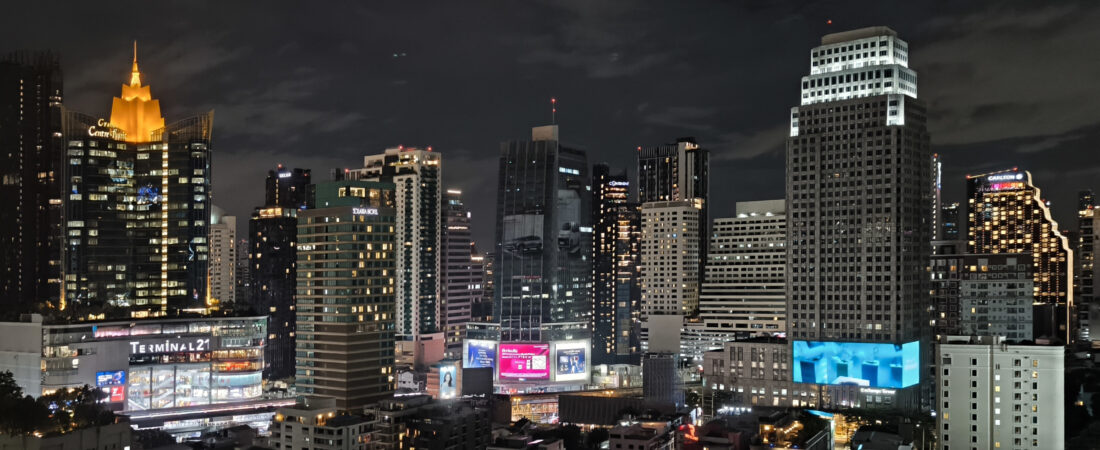
Quick fit: Thailand still makes a strong case for Americans who want good daily-life comfort on a moderate budget, especially if they are open to Southeast Asia, realistic about distance from home, and willing to choose the right city instead of chasing beach-fantasy marketing.
Thailand still earns its reputation for value, but it is easier to talk about that value honestly now than it was when older expat marketing could get away with calling almost any version of the country cheap. The useful question is not whether Thailand can still be affordable. It can. The useful question is whether it still offers a comfortable, sustainable everyday life for Americans on a moderate budget once you factor in housing, climate, distance from family, and the fact that Bangkok, Chiang Mai, Hua Hin, Phuket, and the islands are not all playing the same cost-of-living game.
For many readers, especially retirement-minded or longer-stay readers, Thailand remains one of the better comfort-per-dollar options in the world. You can still find manageable rents, inexpensive meals, cheap broadband, and a day-to-day routine that feels more convenient than the raw price alone would suggest. But that does not mean every Thailand plan is smart. Tourist-heavy areas distort budgets fast, long-stay rules need to be treated carefully, and some Americans like the idea of living in Thailand more than the reality of being that far from the United States.
So the grounded version is this: Thailand is still very much in the conversation for moderate-budget living abroad. It is just a better fit for people who want practical value, not paradise theater.
Who Thailand is best for
Thailand is strongest for Americans who care about everyday affordability and comfort more than proximity to home. If your goal is a place where routine expenses can stay manageable while daily life still feels convenient, Thailand makes real sense. It also helps if you are culturally curious, willing to adapt, and not expecting every bureaucratic step to feel simple just because the monthly math looks attractive.
It is especially appealing for readers who understand that city choice matters. Bangkok can work if you want major-city infrastructure and can budget for it. Chiang Mai can work if you want a softer monthly burn rate and can accept a different pace. Hua Hin often appeals to readers who want a calmer coastal rhythm without assuming every beach market is a bargain. Compare Chiang Mai, Hua Hin, and Bangkok side by side before choosing which everyday setup fits your budget, pace, and service needs. Thailand works best when you pick the version that actually fits your life. If Chiang Mai is on your shortlist, use our practical guide to building a repeatable Chiang Mai week to test whether the routine—not just the budget—fits.
- Americans who want strong comfort-per-dollar and are open to living in Asia
- Retirement-minded readers who care more about monthly sustainability than prestige
- People willing to choose practical cities instead of the most tourist-shaped destinations
- Readers who can tolerate long flights and real distance from family in the U.S.
- Longer-stay planners who want affordability, decent infrastructure, and everyday convenience in the same package
It is a weaker match for people who mainly want a cheap fantasy. Thailand still rewards realism more than wishful thinking.
Realistic cost of living for Americans
The country-level Numbeo snapshot still explains why Thailand keeps showing up on moderate-budget shortlists. A meal at an inexpensive restaurant averages about 100 ฿, roughly US $3. A monthly public transport pass averages about 1,077.50 ฿, roughly US $32. Utilities for a roughly 915-square-foot apartment average about 2,660.61 ฿, roughly US $79, and broadband averages about 604.43 ฿, or about US $18.
Rent is still one of the main reasons Thailand looks so workable. Countrywide, Numbeo puts a one-bedroom apartment at about 15,541.06 ฿, roughly US $460, in a city center and about 9,182.63 ฿, roughly US $272, outside the center. Those numbers are not promises, but they are still very meaningful for Americans comparing Thailand with the U.S. or with more housing-pressured parts of Europe.
The caution is simple. National averages can make Thailand look easier than the actual neighborhood you choose. Tourist-heavy areas, short-term furnished rentals, and the most foreigner-friendly zones can pull the real number up fast. Thailand is still good value. It is just not magic.
For decision-making, broad monthly ranges are more honest than pretending there is one correct budget. A lean but workable Thailand setup is often around US $1,300 to $1,900 a month. A comfortable moderate budget is often around US $1,900 to $2,700 a month. If you want Bangkok convenience, more space, or frequent extras and travel, US $2,700+ is the safer frame.
Rent and housing reality
Housing is where Thailand becomes more city-specific than some readers expect. Bangkok is the cleanest example. Numbeo currently puts a one-bedroom apartment there at about 22,550.38 ฿, roughly US $665, in the city center and about 10,558.62 ฿, roughly US $311, outside the center. Utilities average about 3,115.32 ฿, roughly US $92, and broadband about 610.27 ฿, roughly US $18. That is still workable for many Americans, but it is clearly not the same budget story as old “Thailand is dirt cheap” mythology.
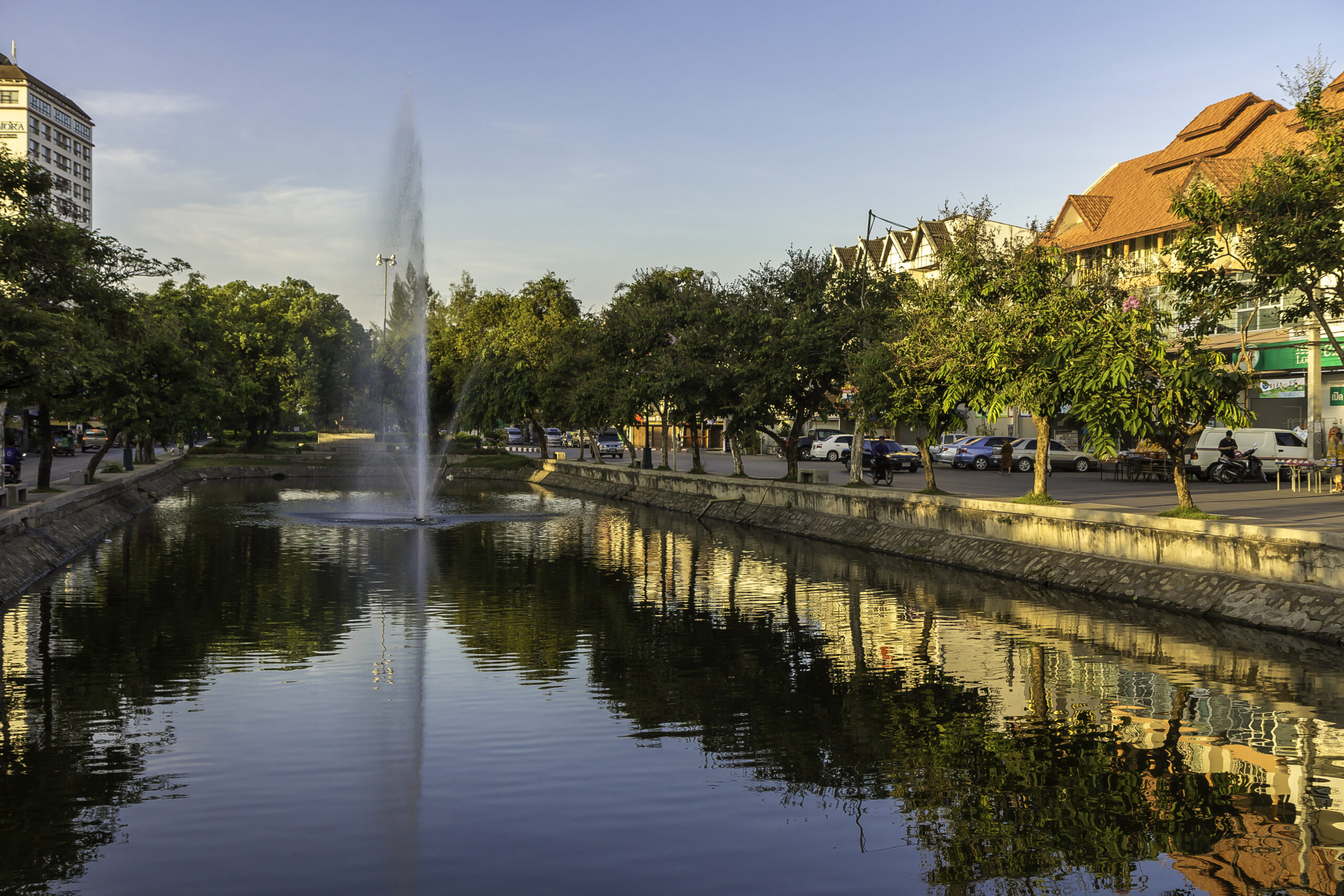
Chiang Mai still looks friendlier. A one-bedroom apartment averages about 14,839.33 ฿, roughly US $438, in the city center and about 8,770.59 ฿, roughly US $259, outside the center. Utilities average about 2,131.08 ฿, roughly US $63, and broadband about 602.42 ฿, roughly US $18. That is a big reason Chiang Mai remains one of the easiest examples of Thailand working on a moderate budget without asking the reader to live especially hard.
The larger lesson is that Thailand rewards careful housing choices. If your plan depends on a polished short-term rental in a tourist-heavy neighborhood, your monthly savings can disappear quickly. If you are willing to think in terms of ordinary neighborhoods and a more normal local routine, the math usually improves a lot.
Healthcare and daily-life comfort
This is one reason Thailand remains more appealing than a bare cost comparison might suggest. In the right city, daily life can feel convenient. Apartments with air conditioning are normal, meals out can stay affordable, delivery culture is established, and larger cities give many foreigners a routine that feels easier than the price tag alone would suggest.
Still, this is a category where Americans should stay realistic. The U.S. State Department notes that if travelers are injured, they are likely to find appropriate medical treatment in or near major cities, and that first responders may not be able to reach areas outside major cities quickly. That is a useful framing. Thailand can feel very comfortable in Bangkok, Chiang Mai, or other stronger hubs, but that does not mean every part of the country offers the same depth or emergency response confidence.
So the practical takeaway is not “Thailand has great healthcare” as a blanket slogan. It is that major-city Thailand can be very workable for ordinary daily life, while readers with serious ongoing medical needs should think carefully about city choice, hospital access, and how much reassurance they need close at hand.
Visa and stay reality for Americans
The official short version is straightforward. According to the U.S. State Department’s Thailand country information page, U.S. citizen tourists entering Thailand for fewer than 60 days do not require a visa, and pre-arrival online registration is required. The same page strongly recommends that passports be valid for at least six months beyond arrival.
That makes Thailand easy enough to try, but it should not be oversold from there. The State Department also says retirees and others planning to stay longer than 60 days should check with the Royal Thai Embassy about visa requirements. That is the right tone for this article too. Thailand can be a practical longer-stay destination, but it is not responsible to write as if long-stay legality is automatic or simple just because a sub-60-day entry is easy.
In plain English, Thailand is easy to sample and more complicated to build around long term. Readers who take that seriously will make better decisions.
Safety and everyday comfort
Thailand should not be framed as an unsafe place in some dramatic sense, but it also is not a country to approach carelessly. The State Department says crimes of opportunity such as pick-pocketing, bag-snatching, and burglary occur, while violent crimes against foreigners are relatively rare but do happen. It also warns that scams involving taxis, tuk-tuks, rentals, bars, entertainment venues, gems, and tourist areas are common.
For most readers, the useful interpretation is practical rather than fearful. Thailand can feel comfortable and manageable in everyday life, especially in areas built around normal city living. But tourist-heavy zones ask for more skepticism, not less. It is wise to price transportation clearly, avoid handing over your passport as collateral, and assume that the most heavily marketed parts of the country will also attract more opportunistic nonsense.
The State Department also flags periodic violence in Thailand’s far southernmost provinces. Most Americans considering Thailand as a moderate-budget long-stay base are unlikely to center their plan there, but it is still worth knowing that “Thailand” is not one uniform risk picture.
Transportation and walkability
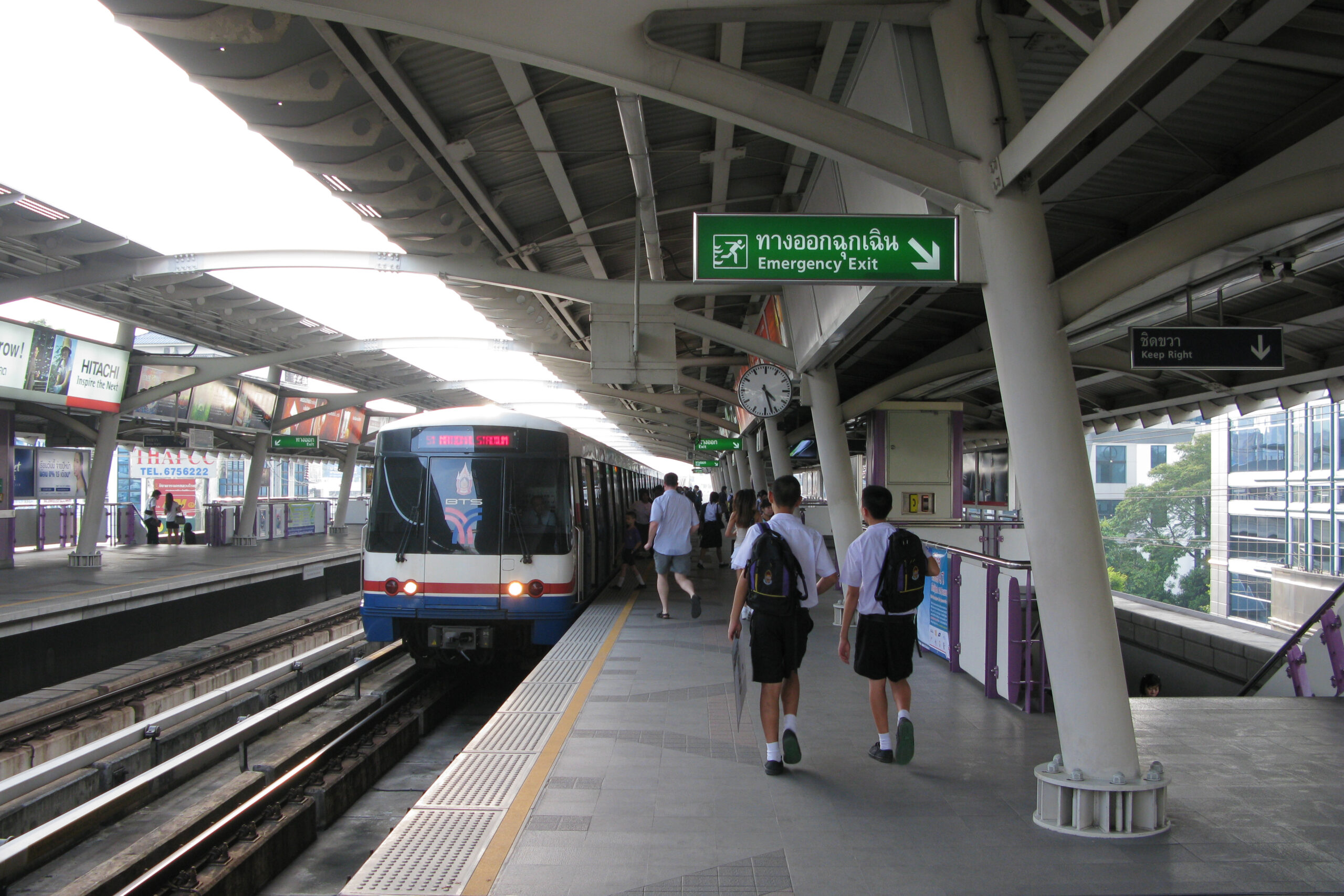
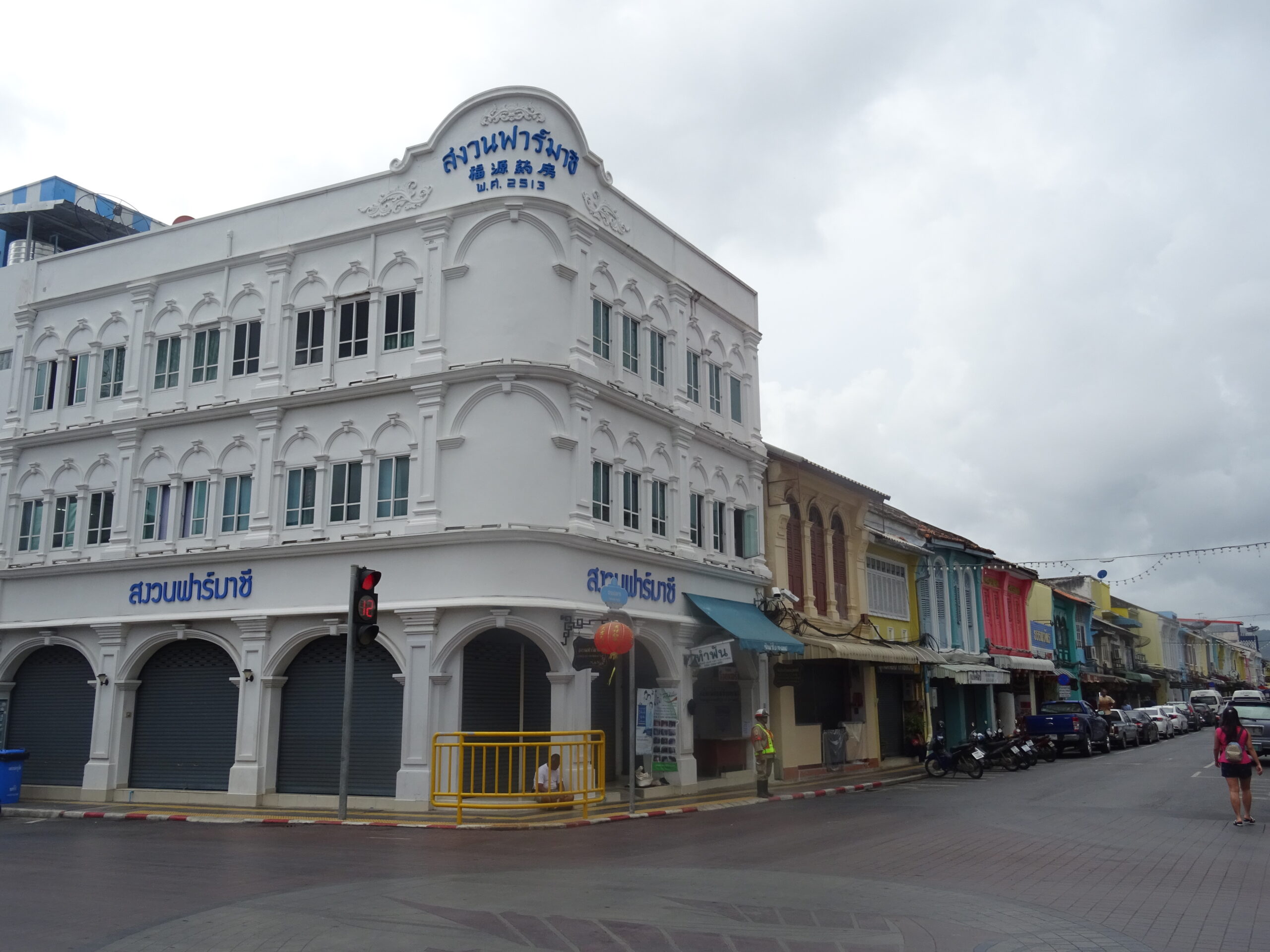
Thailand works best when your daily geography is small. Bangkok is the strongest transport example in this article. Numbeo puts a monthly public transport pass there at about 1,155 ฿, roughly US $34. That supports the idea that Bangkok can be functional without defaulting to American-style car dependence, even if traffic, heat, and sheer scale can still wear some people down.
Chiang Mai is different. Numbeo lists a monthly public transport pass at about 1,800 ฿, roughly US $53, but the more important reality is that local transport there is not as rail-centered or formal-transit-centered as Bangkok. For many readers, Chiang Mai’s appeal is less “great public transit system” and more “smaller, more manageable daily life with a lower monthly burn.”
That is part of Thailand’s strength overall. Different cities offer different ways to live. You do not need every place to be perfectly walkable by European standards for the country to remain very workable. You do need to match your city choice to how much traffic, heat, and day-to-day movement friction you can tolerate.
Internet and infrastructure
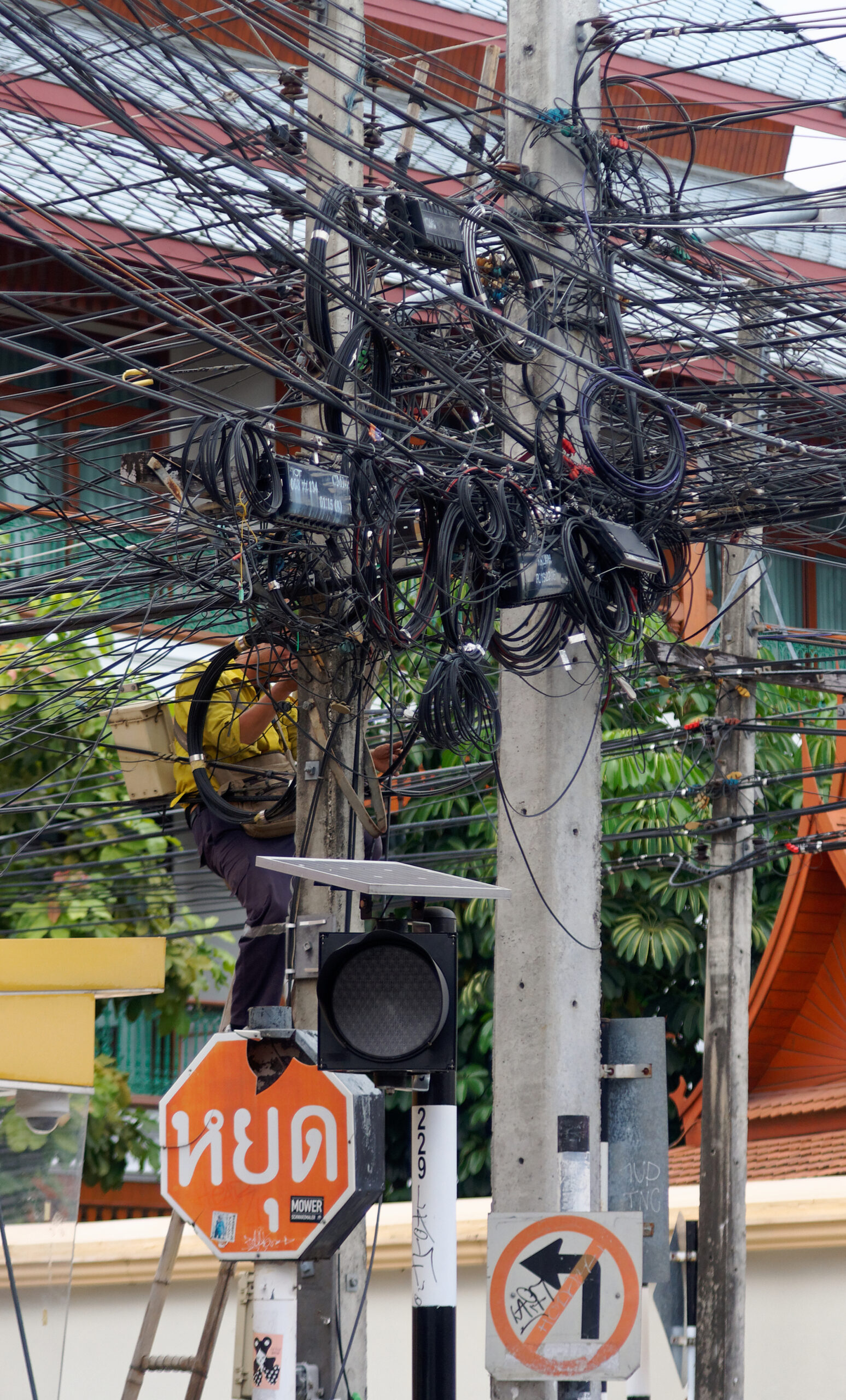
Thailand still looks strong here. Countrywide broadband averages about 604.43 ฿, or roughly US $18. Bangkok comes in at about 610.27 ฿, roughly US $18, and Chiang Mai at about 602.42 ฿, also roughly US $18. For Americans used to paying much more for home internet, those are attractive numbers.
The larger point is that Thailand does not force a choice between lower costs and basic connectivity. In many plausible longer-stay setups, internet can be both affordable and good enough for ordinary modern life. That matters for retirees, remote workers, and anyone who wants a long stay to feel settled rather than improvised.
As always, apartment-level reality still matters more than national averages. A cheap broadband number is good news, but it is not a substitute for checking the actual building, the actual installation, and whether your backup mobile setup is good enough if something goes sideways.
Best cities and regions to consider first
The smartest way to shortlist Thailand is to stop asking whether the whole country is cheap and start asking which version of Thailand actually fits your budget and temperament.
Bangkok
Bangkok is the strongest option for readers who want the deepest infrastructure, the broadest services, and the easiest big-city routine. It is not the country’s bargain version, but it is often the most legible one. Bangkok works best for people who want a functional major city and can accept that convenience costs more than older Thailand mythology suggests.
Chiang Mai
Chiang Mai remains the classic moderate-budget favorite for a reason. The housing numbers are still easier than Bangkok, the day-to-day pace can feel calmer, and it is one of the clearest examples of Thailand still offering real value without requiring a bare-bones life. For many readers, this is where Thailand’s reputation still makes the most practical sense.
Hua Hin
Hua Hin is worth considering for readers who want a calmer coastal setting without jumping straight to the most tourist-inflated island logic. It is not the cheapest answer to every question, but it often appeals to retirement-minded readers who want something quieter and more relaxed than Bangkok.
Phuket and the islands
This is where restraint matters most. Thailand’s best-known beach and island destinations are exactly where readers should be most skeptical about budget assumptions. They can be attractive, obviously, but they also distort the country’s affordability story faster than ordinary city Thailand does. If your whole Thailand plan depends on a postcard setting at everyday-city prices, you are setting yourself up for disappointment.
Who should probably avoid Thailand
Thailand is not a universal answer. It is a weaker fit for people who need to stay close to family, want very simple long-stay bureaucracy, or are drawn mostly by low prices without thinking seriously about climate, culture, and distance.
- Readers who need to get back to the U.S. quickly and often
- People assuming every part of Thailand is still ultra-cheap and frictionless
- Americans who want very simple long-stay bureaucracy without careful official checking
- Readers whose health needs require maximum confidence very near major hospitals at all times
- Anyone whose whole plan depends on tourist-heavy beach markets staying moderate-budget
That is not a dismissal. It is just the difference between a place being good and a place being good for you.
Sample monthly budget ranges
- Lean but workable: roughly US $1,300 to $1,900 a month if housing is chosen carefully and lifestyle expectations stay grounded.
- Comfortable moderate: roughly US $1,900 to $2,700 a month for the version of Thailand most readers probably mean when they say they want a comfortable long stay.
- Bangkok with more comfort or more extras: US $2,700+, especially if you want a better apartment, frequent dining out, regular travel, or a more convenience-heavy routine.
These are decision ranges, not guarantees. Thailand still has room for pleasant surprises, but it also punishes lazy assumptions about housing and tourist zones.
Final verdict
Thailand still deserves its place near the top of the moderate-budget living-abroad conversation. The combination of manageable rent, cheap food, low broadband costs, and everyday convenience is real. For the right American reader, especially one open to Asia and genuinely comfortable with the distance, Thailand can still offer an impressive amount of life for the money.
But the useful version of that pitch is more modest than the internet’s old cheap-paradise language. Bangkok is not a bargain fantasy. Phuket and the islands are not the whole country. Easy tourist entry is not the same thing as simple long-stay life. And a place being affordable does not automatically make it the right long-term emotional or medical fit.
If you approach Thailand as a practical value proposition rather than an escape fantasy, it holds up very well. If you approach it hoping the country will excuse sloppy budgeting or do all the life-fit thinking for you, it gets less convincing fast.
For readers comparing the broader region, it is worth weighing Thailand against Vietnam for a first Southeast Asia test before choosing a city.
References
- U.S. Department of State, Thailand country information, https://travel.state.gov/content/travel/en/international-travel/International-Travel-Country-Information-Pages/Thailand.html
- Numbeo, Cost of Living in Thailand, https://www.numbeo.com/cost-of-living/country_result.jsp?country=Thailand
- Numbeo, Cost of Living in Bangkok, https://www.numbeo.com/cost-of-living/in/Bangkok
- Numbeo, Cost of Living in Chiang Mai, https://www.numbeo.com/cost-of-living/in/Chiang-Mai
For a city-level Thailand test, pair the country overview with this Chiang Mai practical city guide before assuming a familiar visit equals a workable base.
For a city-level Thailand test, pair the country overview with this Bangkok practical city guide before assuming a short visit equals a workable base.