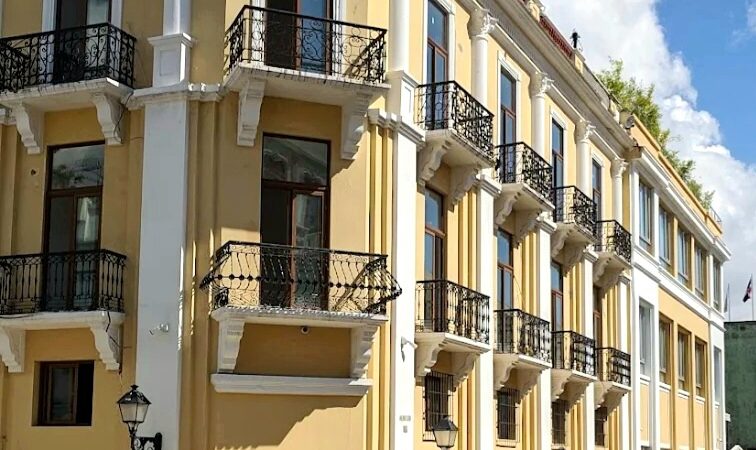
Santo Domingo is the Dominican Republic base to consider when you want the country’s biggest concentration of flights, hospitals, offices, apartments, restaurants, malls, and everyday services. It is not the easy beach-town version of the country. It is a real Caribbean capital, with capital-city advantages and capital-city friction.
That distinction matters. An American who wants one simple month near the sand may be happier starting in Las Terrenas, Punta Cana, or another coastal area. An American who needs better medical depth, a major airport, more apartment inventory, familiar urban services, and the ability to handle serious errands may need to look at Santo Domingo first. The question is whether those services are worth the traffic, safety diligence, neighborhood research, Spanish friction, and less relaxed day-to-day rhythm.
Quick answer: Santo Domingo can make sense for Americans who want a Dominican Republic test base with airport access, private healthcare options, supermarkets, malls, restaurants, and enough urban services to solve practical problems. It is a weak fit if you mainly want quiet beach living, easy walking everywhere, low-stress traffic, or an English-forward retirement bubble. For a solo test stay, plan roughly $1,800 to $3,800 a month depending on apartment standard, neighborhood, transport, insurance, and how often you eat out.
Who Santo Domingo is best for
Santo Domingo is best for Americans who are testing the Dominican Republic but still want a real city around them. It suits people who care about direct flights, private hospitals, pharmacies, supermarkets, dentists, specialists, gyms, malls, coworking options, embassies, and a larger pool of furnished apartments. If your first question is “Where can I handle problems if something goes wrong?” the capital deserves a look.
It is also a better fit for people who do not romanticize car-free living. Some neighborhoods let you walk for groceries, cafes, restaurants, and basic errands, but Santo Domingo is not a tidy European walking city. Rideshares, taxis, traffic patience, and careful apartment location are part of the package.
Compare it in the dashboard: Santo Domingo is now linked in the City Fit Dashboard, where you can compare it against Las Terrenas, Panama City, Medellin, Cuenca, San Miguel de Allende, Playa del Carmen, Buenos Aires, Montevideo, Da Nang, Cebu City, and other possible first bases by budget, healthcare comfort, airport access, walkability, internet, and everyday friction.
Monthly budget reality
Santo Domingo can be cheaper than many U.S. cities, but it is not automatically cheap for a newcomer who wants a furnished apartment in a convenient area. Numbeo’s Santo Domingo page currently puts single-person monthly costs before rent in the high-$600s in U.S. dollar terms. Expatistan’s Santo Domingo estimate is higher, around RD$80,000 a month for a single person, and it warns that the city sample is limited. Western Union’s 2026 Dominican Republic cost context also points to lower average country costs than the United States, but those broad figures do not tell you what a safe, convenient, furnished first-month apartment will cost.
For Settling Abroad readers, use these planning bands:
- Lean solo test: about $1,500 to $2,100 a month if you find a modest furnished place, cook often, keep nightlife light, use rideshares carefully, and avoid premium towers.
- Comfortable solo stay: about $2,200 to $3,800 a month for a better apartment, more restaurants, taxis or rideshares, gym or coworking, private medical cushion, and a realistic buffer.
- Comfortable couple stay: about $3,200 to $5,200 a month if you want a convenient apartment, more dining out, private-care planning, better building standards, and fewer compromises.
The most common budget mistake is comparing a local long-lease number with a newcomer-friendly furnished stay in Piantini, Naco, Bella Vista, Gazcue, La Esperilla, or another convenient area. Price the exact apartment you can book, then add electricity, building fees, internet, laundry, taxis, restaurants, clinic visits, and a safety buffer.

Housing and neighborhoods
Most Americans should begin by comparing Piantini, Naco, Bella Vista, Gazcue, La Esperilla, Evaristo Morales, and the Colonial Zone. Piantini and Naco can feel more familiar for a first stay because they have apartments, restaurants, offices, gyms, supermarkets, malls, and private services nearby. Bella Vista and La Esperilla may offer a practical residential feel. Gazcue has older character and central access. The Colonial Zone is the most obvious culture-and-walking choice, but it is not the only place to live normally.
Do not choose only by photos. Ask about generator backup, air conditioning, water pressure, elevator reliability, building security, noise, parking if relevant, internet provider, laundry, grocery distance, and how you will get home after dark. A pretty apartment can become exhausting if every errand requires a frustrating ride or if the building is not set up for power, water, or noise realities.
Traffic, errands, and daily routine
Santo Domingo’s daily-life test is mostly about friction. Can you get groceries without turning it into a half-day project? Can you reach a clinic, pharmacy, dentist, mall, bank, and restaurant without feeling trapped in traffic? Can you work from the apartment without internet or noise problems? Can you get home safely after dinner?
The city has a metro system, buses, taxis, and rideshare options, but many Americans will still organize life around a small neighborhood radius plus paid transport. That is not necessarily bad. It just means the apartment location matters more than the city name. Your best Santo Domingo month is usually a well-located urban routine, not a fantasy of wandering everywhere casually.
Healthcare and prescriptions
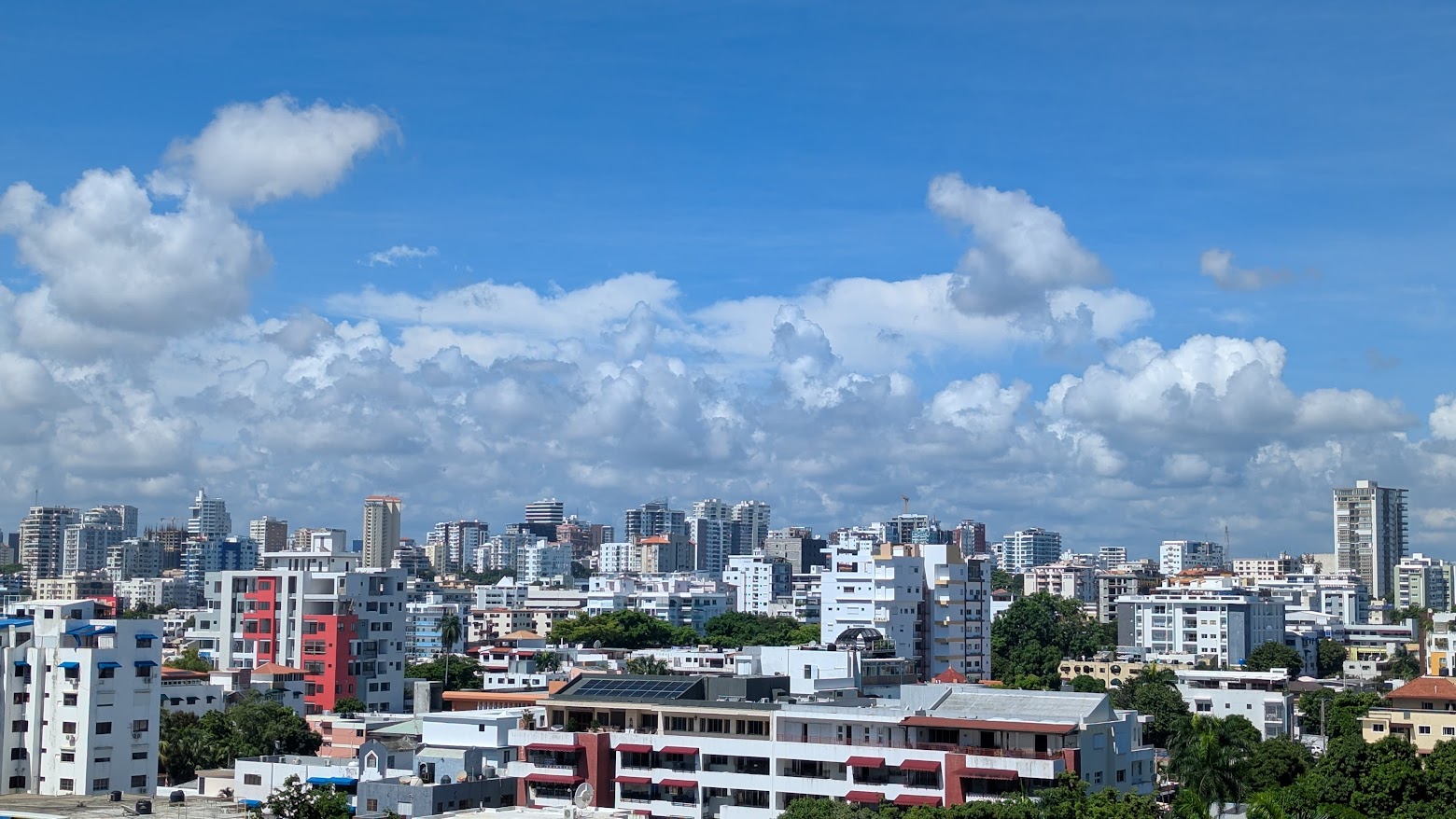
Healthcare is one of Santo Domingo’s strongest practical arguments. The capital has the deepest concentration of private hospitals, clinics, specialists, labs, pharmacies, and emergency options in the country. The UK government’s medical-facility listing includes multiple Dominican Republic facilities, and Santo Domingo appears repeatedly in practical medical-planning resources. CDC country context also shows ongoing public-health cooperation with the Dominican Republic’s Ministry of Health.
That does not mean you can improvise everything after arrival. Before a longer stay, identify the private hospital or clinic you would actually use, confirm whether your insurance is accepted or whether you would pay cash, bring generic medication names, and check prescription availability. If you have a chronic condition, compare Santo Domingo against smaller Dominican Republic destinations honestly. The capital may be less relaxing, but it can be much easier when you need care.
Healthcare planning shortcut: If Santo Domingo is on your shortlist because medical access matters, the Medical Prep Abroad Kit is the worksheet version of the pre-trip health check: prescriptions, records, insurance questions, emergency contacts, and clinic backup.
Entry rules and stay length
The U.S. State Department’s Dominican Republic page says a visa is required when visiting for more than 30 days. Dominican Republic Migracion’s official stay-extension page says foreigners can request authorization to remain beyond the 30 tourist days, with an extension that can be extended up to 120 days. The official tourism site also points travelers to the E-TICKET process and stay-extension resources.
For a one-month test, the planning is simpler. For a two- to four-month stay, verify the current extension process, timing, documents, and fees before you rely on it. Do not build a long stay from old forum comments about airport overstay payments. Migracion has official extension and stay-fee pages, and those should be checked close to your travel date.
Safety and everyday comfort
Santo Domingo requires more safety discipline than a resort bubble. The U.S. State Department warns travelers to use increased caution in the Dominican Republic because of crime risk, including robbery and assault, and its practical advice includes not displaying wealth, using reputable transport, avoiding poorly lit areas, and staying alert in public spaces. The UK travel advice similarly emphasizes crime awareness, transport caution, and preparation.
This does not mean Santo Domingo is automatically a bad idea. It means neighborhood, building, transport, and routine matter. A good first stay should include daylight and evening checks, rideshare routines, ATM caution, simple clothing, no flashy jewelry, and a realistic plan for getting home. If that sounds stressful rather than manageable, choose a lower-friction first base.
Who should avoid Santo Domingo
Skip Santo Domingo as a first base if your goal is slow beach living, easy walking, quiet evenings, minimal traffic, or a soft landing where English is common in every daily situation. Also be cautious if you dislike noisy cities, need very predictable errands, or would feel worn down by constant transport decisions.
Santo Domingo may also be the wrong first Dominican Republic stop if you are trying to decide whether you like island life emotionally. It can show you services and logistics, but it will not feel like the country’s slower coastal towns. If beaches and pace are the reason you are considering the Dominican Republic, compare the capital with Las Terrenas or another coastal base before deciding.
Before testing Santo Domingo, build a simple money-and-documents backup system so cards, passport copies, phone recovery, medical notes, and emergency contacts are not scattered when a city errand or ATM problem turns awkward.
Best way to test Santo Domingo
Book one well-served neighborhood for the first month and test normal life. Do groceries. Visit the pharmacy. Price a private clinic visit. Try a weekday rideshare at rush hour. Walk the immediate area in daylight and after dinner. Work from the apartment if internet matters. Spend a non-tourist day handling errands, laundry, meals, and calls.
Then compare Santo Domingo against at least two alternatives: one Dominican Republic beach town and one non-Dominican city with easier day-to-day routines. Panama City may offer a more businesslike logistics base. Medellin may feel more organized for some apartment-and-neighborhood routines. Las Terrenas may deliver the beach pace but less medical depth. Santo Domingo should win because you want capital-city services in the Dominican Republic, not because you confused the capital with a resort.
Worksheet shortcut: If Santo Domingo is one of several possible Caribbean or Latin America bases, the Destination Shortlist Kit is the worksheet version of this decision. Use it to compare Santo Domingo against two or three alternatives before you commit to a longer stay.
Bottom line
Santo Domingo is a serious test base for Americans who want the Dominican Republic with real urban services: airport access, private healthcare options, apartments, restaurants, supermarkets, malls, and the ability to solve problems in the capital. It is not the country’s quietest, easiest, or most relaxing answer.
If you can handle traffic, Spanish friction, safety diligence, and careful neighborhood choice, Santo Domingo deserves a one-month test. If you mainly want calm, beach access, simple walking, and a slower retirement rhythm, treat the capital as a logistics and healthcare backup point rather than your default long-stay base.
If Santo Domingo feels too urban for the Dominican Republic test you actually want, compare it with a Las Terrenas beach test stay. Las Terrenas gives you a slower coastal routine, but it also asks you to accept thinner healthcare depth, more transport planning, and seasonal housing swings.
References
- U.S. State Department: Dominican Republic Travel Advisory and Country Information
- U.S. Embassy in the Dominican Republic: services
- Dominican Republic Directorate General of Migration: stay extension
- Dominican Republic Directorate General of Migration: stay-fee calculation and payment
- Go Dominican Republic: entry requirements
- UK Government: Dominican Republic medical facilities and practitioners
- CDC: Dominican Republic country health context
- Numbeo: Cost of Living in Santo Domingo
- Expatistan: Cost of Living in Santo Domingo
- Expatistan: Cost of Living in the Dominican Republic
- Western Union: 2026 Dominican Republic cost context
- UK FCDO: Dominican Republic travel advice