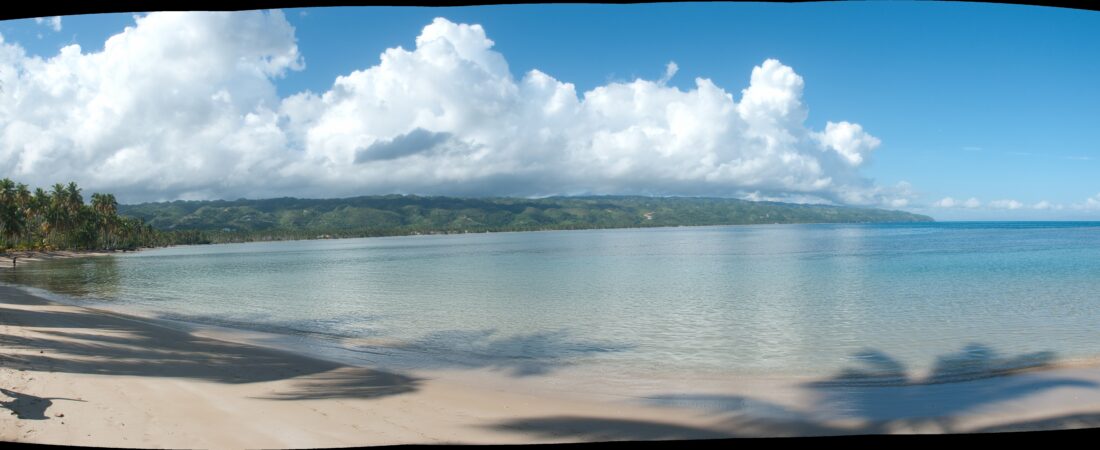
Las Terrenas is the Dominican Republic choice for Americans who are drawn to a slower beach-town test stay instead of a capital-city routine. It is the place to consider when the emotional pull is sand, restaurants near the water, a smaller-town pace, and a coastal week that does not feel like living inside a giant resort compound.
That appeal is real. So are the tradeoffs. Las Terrenas is not Santo Domingo with a prettier view. It has less medical depth, fewer big-city errands, more transport planning, more seasonal housing pressure, and a narrower margin for people who need reliable services every day. It can be a very good one-month test if you choose housing carefully and do not expect a beach town to solve capital-city problems.
Quick answer: Las Terrenas can make sense for Americans who want a slower Dominican Republic beach test stay with restaurants, expat familiarity, and a relaxed coastal routine. It is a weak fit if you need deep healthcare access, easy airport logistics, predictable errands, or big-city services nearby. For a solo test stay, plan roughly $1,500 to $3,200 a month, with housing season, electricity, transport, and apartment standard doing most of the damage.
Who Las Terrenas is best for
Las Terrenas is best for Americans who are specifically testing beach-town life. You want mornings near the water, casual restaurants, a smaller social scene, and a place where the day feels slower than a capital. You are willing to trade some convenience for atmosphere. You are also realistic enough to check clinics, internet, transport, and backup plans before deciding the place is easy.
It can also work for a couple or solo traveler who wants a short, structured test before deciding whether the Dominican Republic deserves a longer look. The right expectation is “Can I enjoy a normal month here?” not “Can this beach town replace every service I have in a U.S. metro area?”
Compare it in the dashboard: Las Terrenas is now linked in the City Fit Dashboard, where you can compare it against Santo Domingo, Panama City, Medellin, Cuenca, San Miguel de Allende, Playa del Carmen, Buenos Aires, Montevideo, Da Nang, Cebu City, and other possible first bases by budget, healthcare comfort, airport access, walkability, internet, and everyday friction.
Monthly budget reality
Las Terrenas is not a place where one clean number tells the truth. Numbeo, CityCost, Live and Invest Overseas, and broader Dominican Republic cost sources all point in the same general direction: daily life can be cheaper than many U.S. coastal areas, but furnished housing, seasonality, imported goods, restaurants, electricity, generator backup, and taxis can push a newcomer budget higher than expected.
For Settling Abroad readers, use these planning bands:
- Lean solo test: about $1,500 to $2,000 a month if you find modest furnished housing, cook often, keep restaurant spending controlled, and avoid peak-season pricing.
- Comfortable solo stay: about $2,100 to $3,200 a month for better housing, more restaurants, taxis or moto-taxis, beach convenience, insurance or private-care cushion, and a realistic buffer.
- Comfortable couple stay: about $3,000 to $4,800 a month if you want a better apartment or villa, fewer compromises, more dining out, private medical planning, and a transportation cushion.
The expensive version of Las Terrenas usually starts with housing. A short-stay rental near the beach in a good season is a different product from a long local lease. Before booking, ask what is included, how electricity is billed, whether there is generator or inverter backup, how water and internet are handled, and whether the location still works after dark or during heavy rain.
Housing and neighborhoods
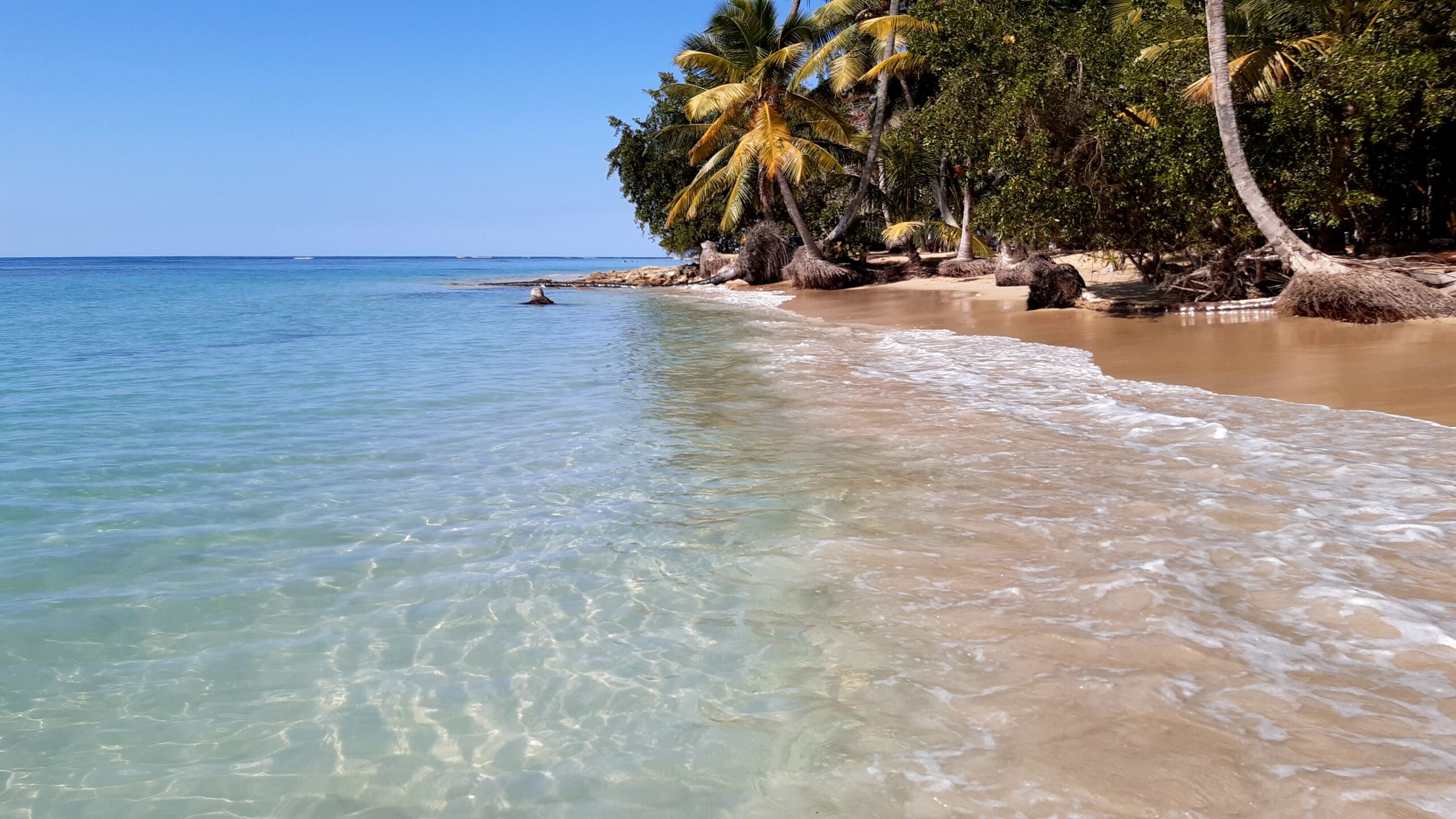
Most first-time visitors should compare central Las Terrenas, Playa Bonita, Playa Ballenas, and nearby residential pockets by actual routine rather than by photos. Central areas can be more convenient for restaurants, groceries, pharmacies, and casual errands. Beachier locations may feel prettier but require more transport. Quieter villa areas can be appealing until you realize every small task needs a ride.
For a first month, the best rental is not always the dreamiest rental. It is the one with reliable internet, clear electricity terms, working air conditioning or fans, reasonable grocery access, a manageable route home at night, and a host or manager who responds quickly. If you plan to work online, ask for a speed test from inside the unit and a backup plan for outages.
Healthcare and prescriptions
Healthcare is the main reason to be careful with Las Terrenas. You can handle some ordinary needs locally, but complex care, specialists, serious emergencies, and certain diagnostics may mean going to a larger city. The UK government’s Dominican Republic medical-facility list is a useful planning resource because it shows why the country’s deeper care network is not concentrated in a small beach town. CDC country context also supports treating health planning as real preparation, not an afterthought.
If you take regular medication, do not arrive assuming every pharmacy can replace your exact brand or dose. Bring generic names, carry documentation, ask about legal import limits, and decide where you would go for urgent care before you need it. Las Terrenas can still be a pleasant test stay, but it should not be your first choice if you require frequent specialist access or a very strong medical safety net nearby.
Healthcare planning shortcut: If Las Terrenas is tempting but medical access is a concern, the Medical Prep Abroad Kit is the worksheet version of the pre-trip health check: prescriptions, records, insurance questions, emergency contacts, and clinic backup.
Transport and airport access
Las Terrenas feels simple once you are settled, but arriving and moving around still take planning. The Samaná area has airport access, and many travelers also route through Santo Domingo depending on flights, price, and timing. That can mean a longer transfer than people expect when they picture an easy Caribbean base.
Inside town, your routine may involve walking short distances, taxis, moto-taxis, rental cars, or arranged rides. Do not assume sidewalks, lighting, rain, hills, heat, and evening safety will make every trip easy. A beach rental that looks close on a map may feel less convenient when you are carrying groceries, avoiding a downpour, or coming home after dinner.
Entry rules and stay length
The U.S. State Department’s Dominican Republic page says a visa is required when visiting for more than 30 days. Dominican Republic Migracion’s official stay-extension page says foreigners can request authorization to remain beyond the 30 tourist days, with an extension that can be extended up to 120 days. The official tourism site also points travelers to the E-TICKET process and stay-extension resources.
For a one-month test, this is usually manageable with current entry requirements. For two to four months, verify the extension process, timing, documents, fees, and consequences before you book housing. Do not plan a long stay from old comments about paying at the airport. Check the official Migracion extension and stay-fee pages close to travel.
Safety and everyday comfort
Las Terrenas should not be treated like a private resort bubble. The U.S. State Department and UK travel advice both flag crime awareness and practical caution for the Dominican Republic, including transport awareness, avoiding poorly lit areas, not displaying wealth, and using judgment at night. In a smaller beach town, that means choosing housing carefully, learning which routes and beaches feel comfortable at different times, and keeping a low-friction way to get home.
The point is not to scare you away. It is to make the test realistic. A good Las Terrenas month includes beach days, but it also includes ATM caution, backup cards, careful phone handling, weather awareness, and a few normal errand days when you are not in vacation mode.
Money and documents backup: Before testing a smaller beach town, build a simple money-and-documents backup system so cards, passport copies, phone recovery, medical notes, and emergency contacts are not scattered if an errand, ATM, or transport problem gets awkward.
Who should avoid Las Terrenas
Skip Las Terrenas as a first base if you need strong healthcare nearby, easy airport logistics, a wide choice of specialists, dependable big-city errands, or a place where you can solve every problem quickly in English. It may also be frustrating if you dislike heat, humidity, storms, insects, bumpy transport, or the uncertainty that comes with beach-town housing.
Las Terrenas is also not the best fit if your budget only works when everything goes perfectly. Furnished rent, electricity, taxis, restaurants, and imported groceries can add up quickly. If the realistic version of the budget feels tight, compare it with a cheaper inland or city option before you commit.
If Las Terrenas sounds appealing but too small for your healthcare, airport, or serious-errand needs, compare Santo Domingo as the capital-city alternative before you choose a Dominican Republic test base.
Best way to test Las Terrenas
Book one month, not a season, unless you already know the area. Choose housing based on normal life: grocery access, transport, internet, water, electricity, noise, safety, and distance from the places you will actually use. Spend several days doing ordinary errands. Visit a pharmacy. Ask where you would go for urgent care. Test work calls if you work online. Walk the area in daylight and decide how you will get home at night.
Then compare Las Terrenas against Santo Domingo and at least one non-Dominican alternative. Santo Domingo is better for capital-city services and medical depth. Las Terrenas is better for beach-town pace. A place like Panama City, Medellin, or Playa del Carmen may give you a different mix of convenience and coast. Las Terrenas should win because you want the slower coastal tradeoff, not because you ignored the service gap.
Worksheet shortcut: If Las Terrenas is one of several possible Caribbean or Latin America bases, the Destination Shortlist Kit is the worksheet version of this decision. Use it to compare Las Terrenas against two or three alternatives before you commit to a longer stay.
Bottom line
Las Terrenas is a strong Dominican Republic test base for Americans who want a slower Caribbean beach routine and are honest about the tradeoffs. It can give you the relaxed coastal feeling that Santo Domingo cannot. It cannot give you the capital’s service depth, medical depth, or airport convenience.
If your goal is beach pace, restaurants, a smaller-town rhythm, and a one-month test of coastal Dominican Republic life, Las Terrenas deserves a serious look. If your priority is healthcare, frictionless errands, deep infrastructure, or easy problem-solving, treat it as a beautiful test stay rather than the obvious long-term answer.
References
- U.S. State Department: Dominican Republic Travel Advisory and Country Information
- U.S. Embassy in the Dominican Republic: services
- Dominican Republic Directorate General of Migration: stay extension
- Dominican Republic Directorate General of Migration: stay-fee calculation and payment
- Go Dominican Republic: entry requirements
- UK Government: Dominican Republic medical facilities and practitioners
- CDC: Dominican Republic country health context
- Numbeo: Cost of Living in Las Terrenas
- Live and Invest Overseas: Las Terrenas cost context
- CityCost: Las Terrenas vs. Santo Domingo comparison
- Expatistan: Cost of Living in the Dominican Republic
- UK FCDO: Dominican Republic travel advice