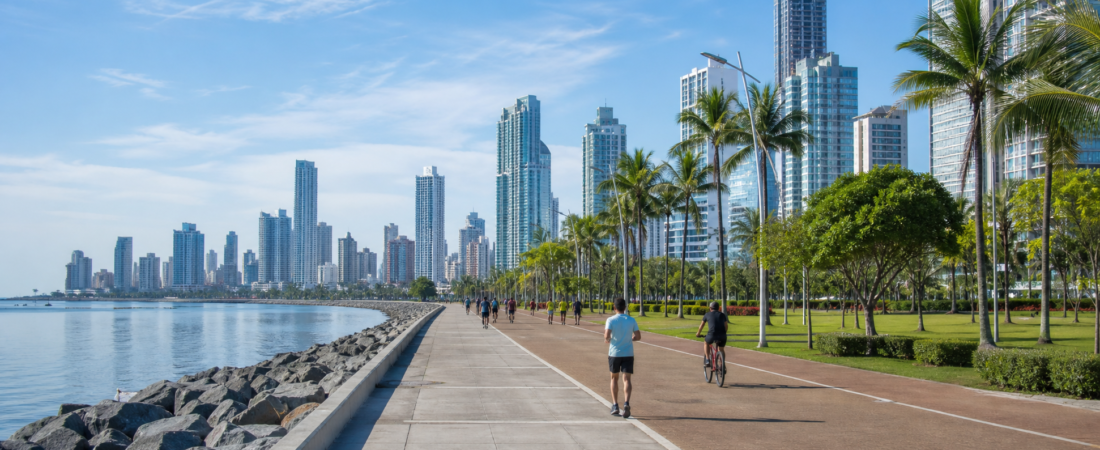
Panama City is more rewarding for a longer stay when you stop treating it as a skyline stopover and start testing the small loops that make a week feel workable: a waterfront walk before the heat rises, a market errand, a coffee-and-admin break, an old-quarter afternoon, and one easy outdoor reset. The city has plenty to do. The more important question is whether the things you enjoy still fit around traffic, rain, costs, and the neighborhood you choose.
Quick answer
Quick answer: Panama City can be a lively, useful months-long base if you enjoy a real capital-city rhythm: waterfront space, food and markets, history, cafés, transit options, and easy access to larger services. It works best when you choose a neighborhood around your actual routine and accept tropical weather, traffic, and higher everyday costs than the old bargain-Panama story suggests. It is a weaker fit if you need quiet, easy walking from every address, or a cool-weather lifestyle.
Build the week around low-friction outings
A longer stay does not need a different attraction every day. Start by choosing two or three activities that can survive a normal Tuesday: a morning loop on Cinta Costera, an errand-and-lunch route near home, a café where you would honestly spend an hour, and a cultural afternoon that does not require an all-day commitment. Panama’s tourism authority is a reasonable starting point for broad visitor context; confirm the current hours, access, and local conditions for any particular place directly.
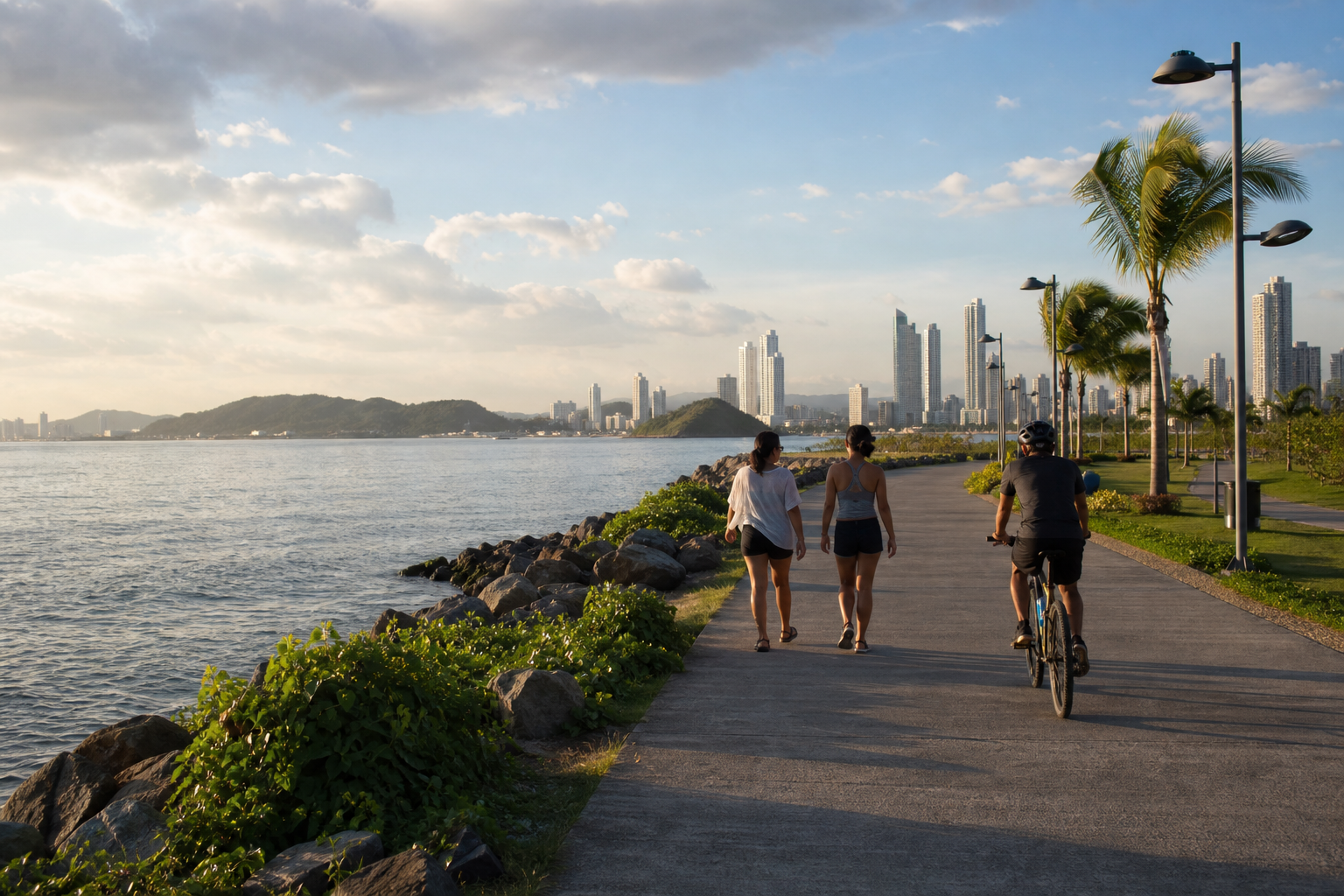
The waterfront is useful precisely because it is not a once-only event. Try it at the time you would actually go, not just at the prettiest hour. Notice heat, shade, the route from your building, and whether the return trip still feels easy after you have groceries or are tired. A city can have beautiful public space and still be a poor fit if reaching it becomes a project every time.
Let food and market errands become part of the city, not a food tour
Panama City’s food scene can be fun, but it is more valuable when it lowers the friction of feeding yourself. Find a market, grocery, bakery, or simple lunch stop near the area you are seriously considering. Go with a short real list. Check the carrying distance, rain cover, payment expectations, closing times, and what happens when you are not in the mood to make an occasion of it.
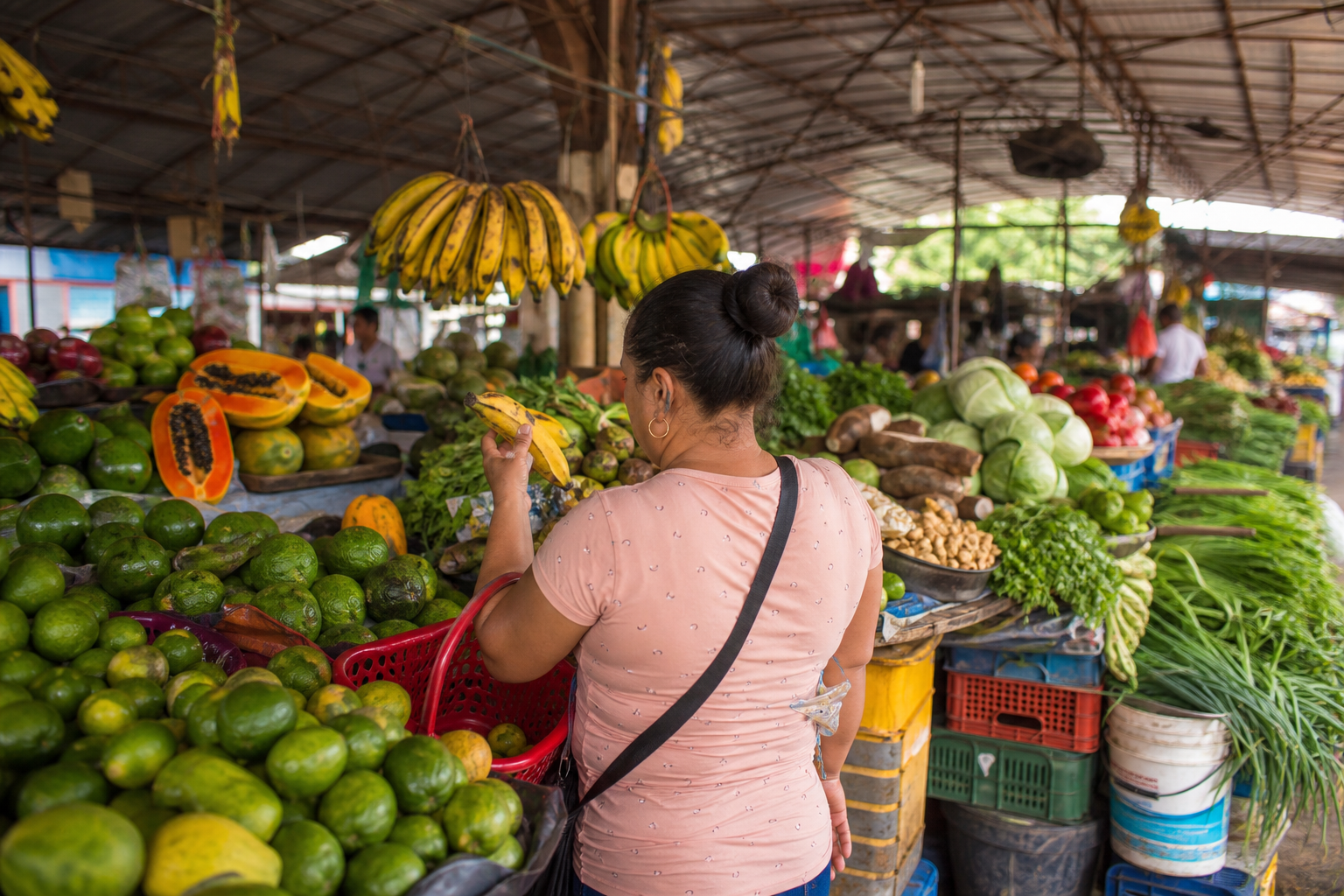
That test also keeps the budget honest. A pleasant city can get expensive by accumulation: delivery in heavy rain, frequent rides, convenience groceries, air-conditioning, and meals out because the apartment kitchen or nearby shops are not as practical as expected. Do not turn a few enjoyable lunches into a monthly-cost assumption.
Use Casco Viejo as a recurring cultural afternoon, not your entire routine
Historic streets, small museums, cafés, and restaurant pockets can give Panama City texture that the high-rise districts do not. The sustainable version is modest: choose one street or place, go at a comfortable pace, and leave room for ordinary life around it. A lovely afternoon is useful evidence only if the transport, heat, crowds, and trip home are still acceptable when it is no longer a special occasion.
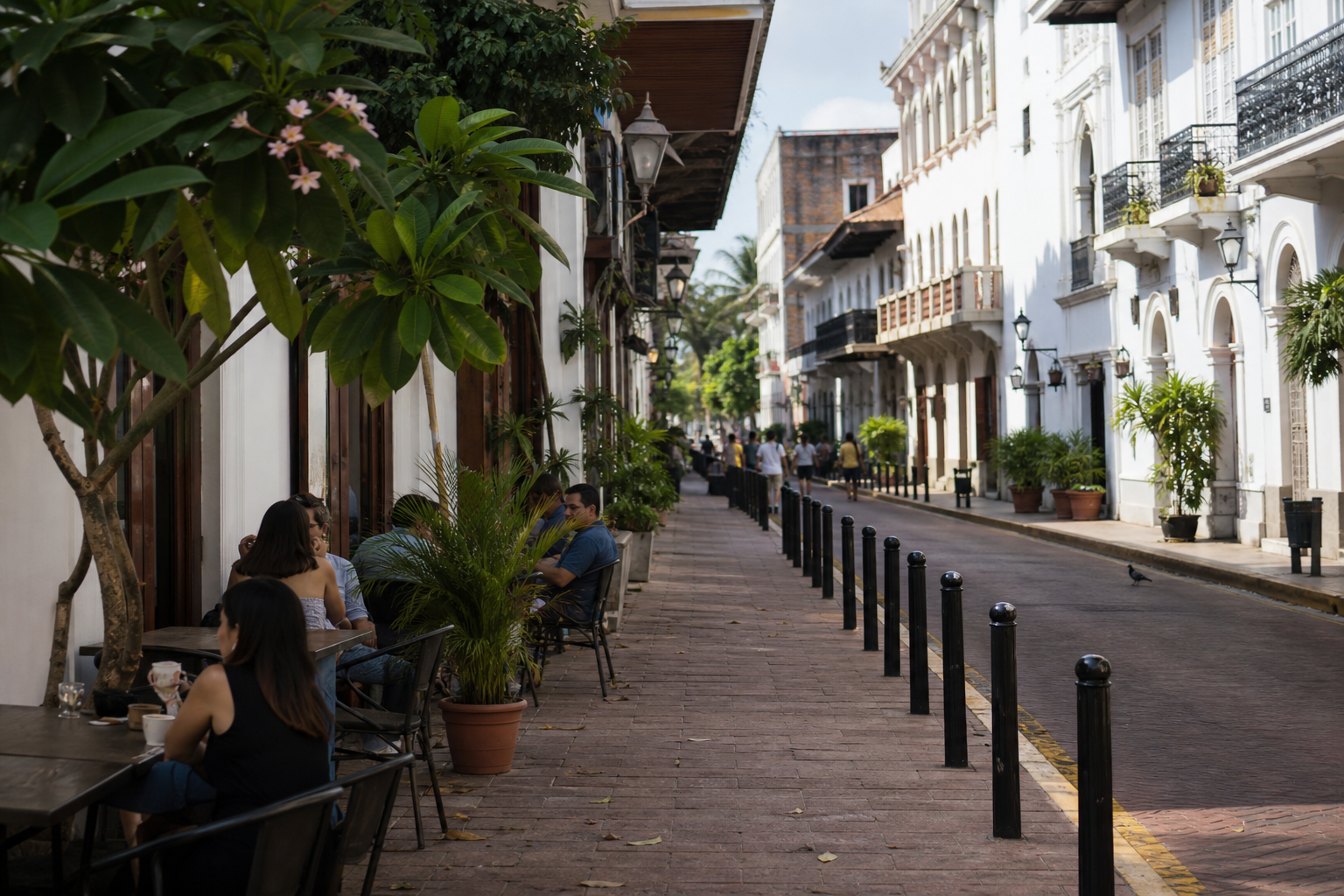
Be careful not to extrapolate from one polished district. Your day-to-day base may have a different noise level, sidewalk quality, grocery access, or sense of ease. Walk the actual routes you would use—morning coffee, pharmacy, cash, evening return—in the weather and times that matter to you.
Test transit and rides at real-life times
Panama City has more transport options than many smaller long-stay bases, but “options” is not the same as a universally easy commute. The Metro can be useful where it connects with your routine; taxis and ride services may fill gaps; walking can work in selected pockets. Use the official Panama Metro information for current service details, then test the exact combination you would rely on.
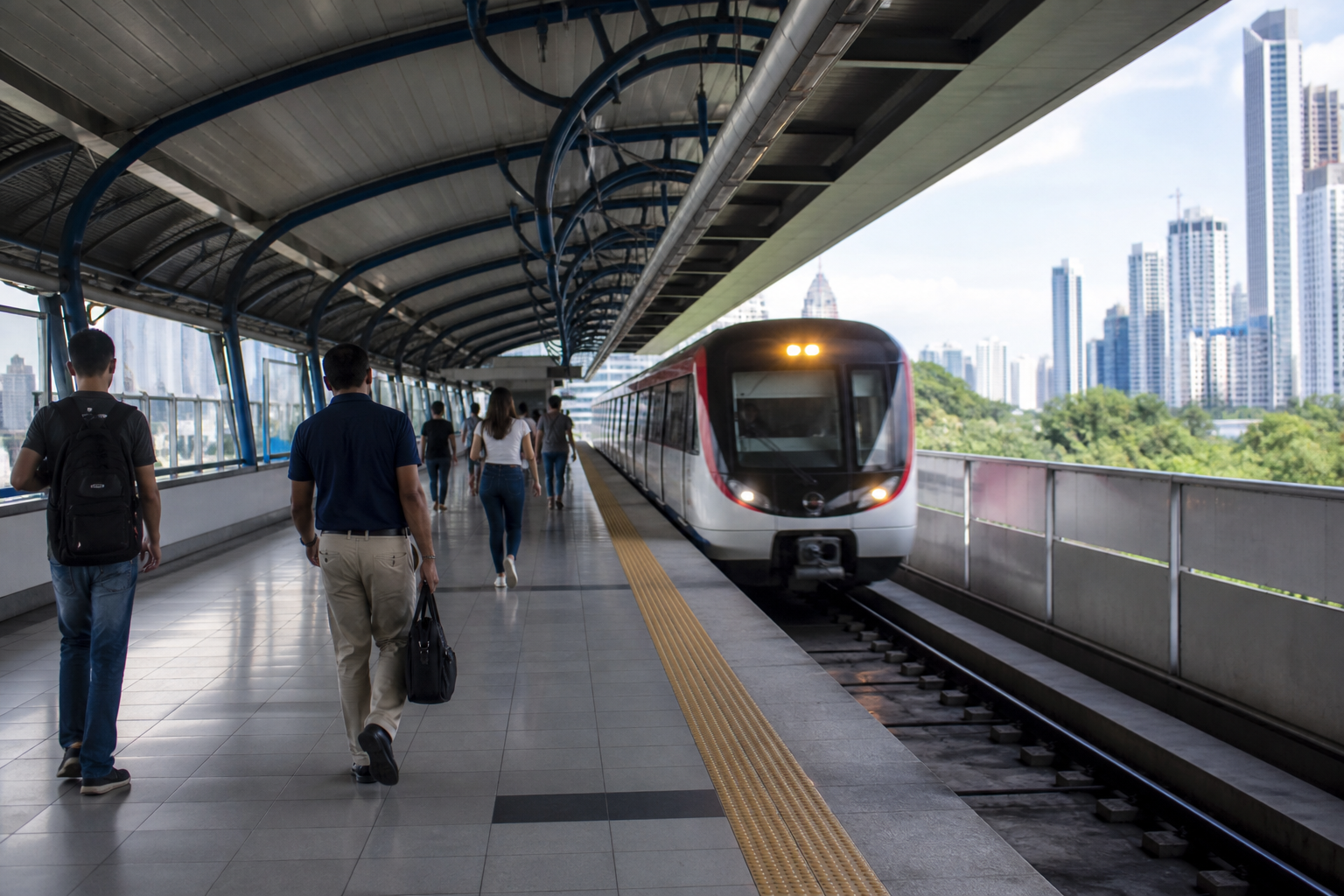
Run the less glamorous trial: return after dark, in rain, with a bag, or after a long appointment. Check how long the last connection takes and whether you are comfortable with the final walk. This is not a safety guarantee or warning; it is a practical way to see whether a neighborhood suits your own habits.
Keep one easy outdoor reset day
Amador and the causeway can be a useful change of scene when you want water, breeze, a walk, or a bike ride without committing to a complicated weekend. The Panama Canal Authority is a sound source for canal-specific visitor information; verify current access and weather before making plans. Start with the small version of the outing and decide later whether bigger excursions are worth the time and transport.
An ordinary Panama City week might look like this
- One waterfront or neighborhood walk before the day gets hottest.
- One real grocery or market run that tests the trip home.
- One café, class, cultural stop, or social activity you would repeat.
- One transit or ride test at the time you would genuinely use it.
- One easy outdoor reset, and one entirely blank day.
The blank day matters. It shows whether the apartment, noise level, food options, shade, and nearby errands are enough when you are not actively entertaining yourself.
What changes after the first week
The first week can make the capital feel effortless: the skyline is dramatic, the food is new, and the service depth is reassuring. Later, heat, rain, traffic, building noise, cost drift, and the distance between your favorite neighborhood and your actual errands become louder. The best apartment on paper may be the wrong base if it turns a simple errand into a hot or wet logistics problem.
Check current weather patterns for your dates, do not assume every hour is comfortably walkable, and do not make medical, immigration, or safety decisions from travel content. For current health information see the CDC Panama Traveler View; for U.S.-citizen support and medical-assistance context, use the U.S. Embassy in Panama. Verify entry requirements through official sources before booking.
For the full housing, health-care, airport, budget, and neighborhood analysis, read the existing Panama City guide. Pair it with the Panama country guide and the Panama City, Boquete, and David comparison if you are weighing city access against a slower base.
Make enjoyment part of the shortlist
Wanting a city that is enjoyable as well as practical is sensible. Put that preference beside the hard questions. List the few activities you want in a normal week, then check them against your budget, address, weather tolerance, and transport routine. Compare Panama City in the City Fit Dashboard and use the Destination Shortlist Kit to keep the enjoyable parts and daily friction in the same decision.
References
- Panama Tourism Authority, official visitor information.
- Metro de Panamá, official service information.
- Panama Canal Authority, visitor information.
- U.S. Department of State, Panama country information.
- CDC, Panama Traveler View.
- U.S. Embassy Panama, medical assistance information.
This guide is for trip-planning and fit-testing only, not legal, medical, housing, safety, or immigration advice. Verify current conditions and requirements directly before committing to a stay.