
Quick answer: Do not choose your first base abroad like you are choosing your forever country. Choose the place that looks easiest to test honestly, easy enough to afford without cheating your budget, and easy enough to live in once the trip stops feeling like a trip. For most Americans, that means prioritizing housing, healthcare comfort, airport access, walkability, and plain old boring daily ease over weather fantasies or expat buzz.
Once a destination passes the first-base screen, use the honeymoon-period test before making bigger commitments. A place can look perfect in week one and still fail ordinary Tuesday life.
A lot of people get stuck here for months. They start with twenty possible countries, fifty YouTube opinions, and a vague idea that the first move has to be brilliant. The result is usually not better judgment. It is research paralysis.
The first useful mindset shift is simple. Your first base abroad does not need to be your best possible long-term answer. It needs to be a place that lets you test real life abroad without turning the experiment into a stress contest. That is a smaller, more manageable job, and it is the reason a practical first base often looks different from a dreamy one.
If you already know you are weighing moderate-budget options, it helps to start with the broader country budget comparison. But once you move from fantasy to action, the question gets narrower. Which place makes the first 30 to 90 days easiest to understand, easiest to pay for, and easiest to recover from if it is not a fit?

Stop trying to choose your forever country first
This is where people burn a lot of time. They compare tax systems, residency paths, climate charts, politics, language difficulty, healthcare quality, crime maps, and rent screenshots, all before they have even learned what kind of daily life they personally handle well abroad. That is backwards.
Your first base is mainly supposed to answer practical questions about you. How much friction can you tolerate? Do you need a bigger city to feel comfortable? Do you hate long taxi dependencies? Does warm weather still feel good after three sticky weeks? Does a quieter place feel restful or lonely? Are you actually okay living farther from the U.S., or do you relax more when a shorter flight home exists?
Those are the questions that matter. A first base is useful because it gives you real answers cheaply enough that your second decision can be smarter.
What your first base needs to do well
The job of a first base is not to impress you every day. Its job is to support ordinary life long enough that you can judge the place fairly.
- It should protect your budget. If the plan only works with an unusually cheap rental or a lot of wishful thinking, it is not a strong first base.
- It should make healthcare and pharmacy needs feel manageable. This matters even more for retirement-minded readers or anyone with routine prescriptions.
- It should let you solve boring problems easily. Groceries, laundry, internet, banking, transportation, and appointments should not feel like daily puzzles.
- It should be easy enough to leave. If you are wrong, you want a base that lets you exit without drama, not one that turns every change of plan into a small crisis.
- It should teach you something transferable. The best first base gives you a clearer sense of your real budget, climate tolerance, housing standards, and pace preferences.
That is why a sensible first base often looks a little less glamorous than the place you daydream about. Glamour is not the same thing as usefulness.

Use a short 5-point filter instead of endless research tabs
If you want a cleaner decision, run every candidate through the same five filters and be ruthless about it.
- Monthly budget cushion: Could you afford this place if rent comes in a little higher than expected and your first month is not especially efficient?
- Healthcare comfort: If you needed urgent care, a pharmacy, or a private doctor visit next week, would the city still feel like a sane choice?
- Housing reality: Can you realistically find a decent 1- to 3-month setup without paying luxury-vacation rates for everything?
- Airport and onward-travel practicality: Is it easy enough to get home, move on, or adjust the plan if the stay is not working?
- Neighborhood-level livability: Could you imagine a boring Tuesday there, not just a nice Saturday?
That last question matters more than people think. A lot of places look good in broad country comparisons and then start falling apart at the neighborhood level. Maybe the apartment inventory is thin. Maybe the nicest areas are priced for short-term outsiders. Maybe every errand requires a cab. Maybe the city is fine, but the daily rhythm just feels more tiring than you expected.
This is also why it helps to compare specific city patterns rather than only whole countries. The difference between Mexico cities that still feel connected and lower-cost or between different Panama lifestyle setups is often more useful than one more general “best countries” video.
Build a shortlist of three, not twenty
A shortlist works better when the candidates are not all trying to do the same job. What you want is three realistic paths, each with a different strength.
- One easier, lower-risk option close to the U.S. This is where Mexico or Panama often make sense for first-timers, because they are easier to test, easier to revisit, and less mentally distant.
- One more orderly or lifestyle-rich option with higher rent pressure. This is where a Spain or Portugal idea can still belong, especially if you are open to secondary-city math instead of the most obvious prestige markets. The Valencia, Alicante, and Málaga comparison and the Portugal city guide are good examples of how much city choice changes the story.
- One strong comfort-per-dollar option that asks more from you on distance or planning. Thailand is the cleanest example on the site right now. The Chiang Mai, Hua Hin, and Bangkok comparison makes it clear that value does not erase tradeoffs around flight distance, climate, and stay logistics.
This is a much saner decision structure than trying to rank twelve countries against each other on every possible variable. You are not choosing the world. You are choosing your next experiment.

How to break the tie between your final candidates
Once you have three realistic options, stop collecting more information and start asking better questions.
- Which place can I afford without pretending I will live like a local on day one?
- Which place would still feel manageable if the apartment is only decent, not great?
- Which place gives me the easiest path to groceries, healthcare, transportation, and routine?
- Which place would be least painful to leave if I realize after three weeks that I chose wrong?
- Which place teaches me the most about what I actually want next?
That last question is the tie-breaker I trust most. Your first base is valuable because it helps you make the second choice better. A place that is a little less exciting but much easier to evaluate honestly is often the stronger first move.
For example, if you are torn between a higher-rent European idea and a more practical Latin American one, it may be smarter to start with the place that gives you more room for mistakes and more clarity about your routine. If you are torn between Bangkok and Chiang Mai, the calmer and more budget-protective choice may teach you more than the city with more everything. If you are torn between a dreamy small town and a medium-size city with hospitals, airport access, and housing depth, the medium-size city is usually the better first bet.
Red flags that should remove a candidate fast
- The budget only works if you find a rare bargain rental immediately.
- The whole pitch depends on weather, scenery, or expat popularity more than everyday livability.
- You already know the healthcare depth is thinner than your age, medications, or anxiety level can comfortably handle.
- Every errand seems to depend on driving, taxis, or workarounds you already dislike at home.
- The flight home or onward move is awkward enough that you would stay put mostly because leaving is annoying.
- You are choosing it mostly because other people online seem excited about it.
A first base should not require courage every morning. It should require enough openness to learn from it, but not so much tolerance for friction that you confuse avoidable stress with personal growth.
Ordinary life matters more than expat fantasy
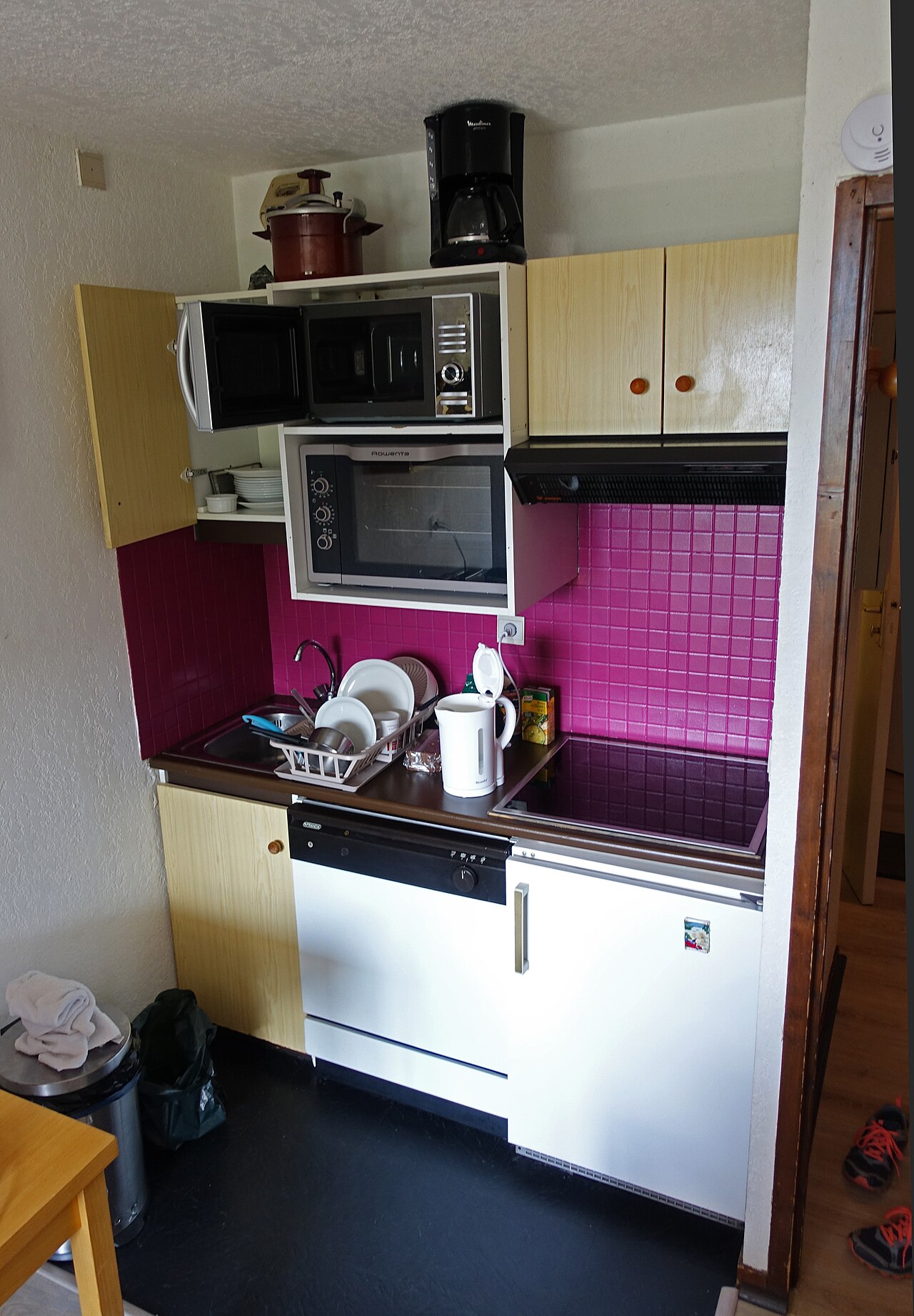
One of the easiest mistakes here is to compare places like a traveler and not like a person. Travelers notice views, weather, architecture, and novelty first. Residents notice grocery runs, noise, kitchen quality, pharmacy access, internet stability, sidewalk quality, commute drag, and whether the apartment feels fine after day twelve.
That is why the best first base often looks a little boring on paper. Boring can be good. Boring means the city is leaving you room to learn how you want to live abroad instead of forcing all your attention into problem management.
It is also why I would rather see someone start with a city that is clearly workable than one that is merely seductive. In practical terms, that usually means enough housing supply, enough transport, enough healthcare comfort, enough airport access, and enough routine ease that the place can survive contact with normal life. That is the whole point of a first base.
The goal is not perfect. The goal is informative.
If you keep that sentence in view, the decision usually gets easier. You are not trying to win relocation on the first move. You are trying to choose a place that gives you clean information without doing unnecessary damage to your budget or your nerves.
That is why a practical first base often has these qualities: moderate monthly risk, decent infrastructure, enough healthcare reassurance, airport convenience, and neighborhoods where normal life feels understandable. It may not be the place you stay forever. But it is often the place that gets you from fantasy into reality with the least wasted motion.
Final verdict
Choose your first base abroad like a testable life decision, not like a soulmate search. Start with three realistic candidates. Run them through the same five filters. Remove anything that only works when the budget, housing, or logistics go perfectly. Then pick the place that looks easiest to live in honestly for 30 to 90 days.
For many Americans, especially moderate-budget and retirement-minded readers, the best first base is not the cheapest place and not the most glamorous one. It is usually the place with enough housing, healthcare, everyday convenience, and exit flexibility that you can actually learn from being there. That is how you stop overthinking it. You pick the place that gives you the clearest real-life answer, then you let the second decision be smarter than the first.
If you are stuck comparing too many countries at once, use this practical filter next: how to compare countries for cost, healthcare, safety, and internet without getting lost in research.
After narrowing the first-base shortlist, compare the cheapest workable option against the place that is easiest to live in day to day with how to choose between a cheap place and a livable place abroad.
For a concrete next step, compare Portugal, Spain, and Panama as first-base options instead of trying to decide from a giant country list.
Want a concrete city-testing example? Test-Drive Arequipa: What to See, Do, and Notice Before a Longer Stay shows how to turn a short visit into a useful longer-stay decision.
References
- U.S. Department of State, Mexico travel advisory and country information, https://travel.state.gov/en/international-travel/travel-advisories/mexico.html
- U.S. Department of State, Panama country information, https://travel.state.gov/content/travel/en/international-travel/International-Travel-Country-Information-Pages/Panama.html
- U.S. Department of State, Spain country information, https://travel.state.gov/content/travel/en/international-travel/International-Travel-Country-Information-Pages/Spain.html
- U.S. Department of State, Portugal country information, https://travel.state.gov/content/travel/en/international-travel/International-Travel-Country-Information-Pages/Portugal.html
- U.S. Department of State, Thailand country information, https://travel.state.gov/content/travel/en/international-travel/International-Travel-Country-Information-Pages/Thailand.html
- Numbeo, Cost of Living in Mexico, https://www.numbeo.com/cost-of-living/country_result.jsp?country=Mexico
- Numbeo, Cost of Living in Panama, https://www.numbeo.com/cost-of-living/country_result.jsp?country=Panama
- Numbeo, Cost of Living in Spain, https://www.numbeo.com/cost-of-living/country_result.jsp?country=Spain
- Numbeo, Cost of Living in Portugal, https://www.numbeo.com/cost-of-living/country_result.jsp?country=Portugal
- Numbeo, Cost of Living in Thailand, https://www.numbeo.com/cost-of-living/country_result.jsp?country=Thailand
If you are still choosing between too many possible countries or cities, first narrow the list to three realistic destination choices, then use this first-base framework to compare the finalists.
A Cebu City first-base test should include traffic, building internet, pharmacy and clinic backup, rain and heat, apartment standards, airport logistics, and neighborhood safety, not just low monthly-cost screenshots.