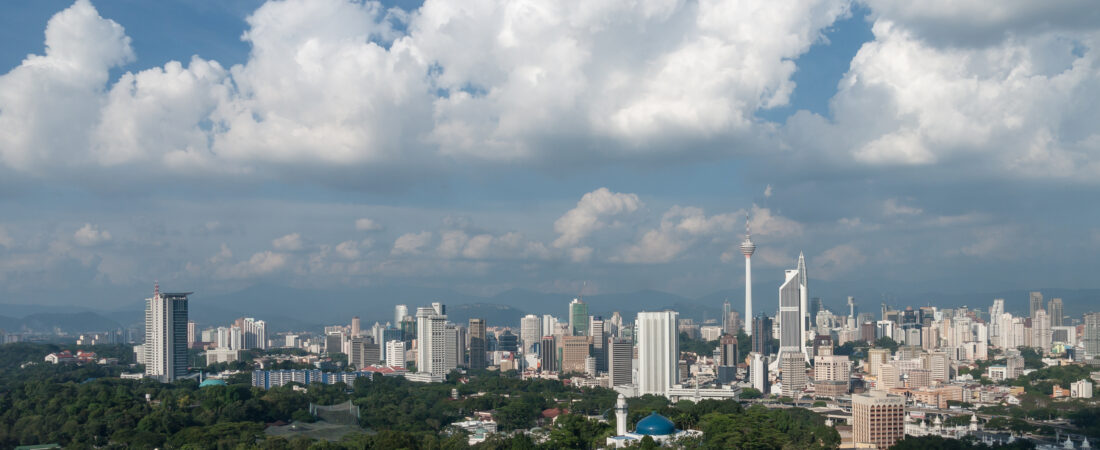
Quick fit: For most Americans choosing between these three Malaysia bases, the real question is not which city is “best.” It is whether you want the deepest systems bench, the strongest middle ground, or the slowest rhythm. Kuala Lumpur is the easiest full-service base, Penang is the strongest middle-ground choice, and Malacca only makes the most sense if you truly want smaller and slower enough to accept giving up some depth.
Malaysia makes sense to a lot of Americans for the same basic reasons. As I laid out in the broader Malaysia guide, English is more usable than many people expect, private healthcare has a strong reputation, and a lot of everyday life can feel smoother here than it does in some other lower-cost parts of Southeast Asia. But once you get past the country-level pitch, the real question gets narrower fast. What kind of city do you actually want to live in?
That is where Kuala Lumpur, Penang, and Malacca stop feeling interchangeable. They are not just three names on a shortlist. They are three different daily-life tradeoffs. One gives you the deepest infrastructure and most backup. One gives you a more human-scaled middle ground. One gives you a slower, smaller-feeling base, but with less depth if your needs get more complicated.
What all three cities share
All three choices still sit inside the same broader Malaysia reality. U.S. citizens can generally enter for stays of 90 days or less without a visa for tourism or business, but that does not solve the longer-term planning question by itself. Malaysia also remains a hot, humid, tropical country year-round, so none of these cities should be sold as a climate escape if you already know humidity wears you down.
They also share some of Malaysia’s strongest overall advantages. English tends to go farther than it does in many countries Americans compare against. Internet access is not the scary part in the main population centers. And the country’s private-healthcare reputation helps explain why Malaysia keeps showing up on moderate-budget and retirement-minded shortlists in the first place.
So this comparison is not about one city being “safe” and another being “dangerous,” or one being “modern” and another being “backward.” It is about choosing the version of Malaysia that matches your actual routine.
Kuala Lumpur is the easiest systems city
If I had to describe Kuala Lumpur in one sentence, I would call it the easiest place in this comparison to get a real life up and running quickly. It has the deepest service bench, the strongest transit logic, the biggest-city hospital redundancy, and the least guesswork if you want a place where ordinary life feels understandable from the start.
That is why Kuala Lumpur makes the most sense for Americans who want the least friction on day one. If you care about being near serious hospitals, more housing inventory, stronger infrastructure depth, big-city shopping, easier airport connectivity, and more layers of backup when something is inconvenient, Kuala Lumpur is the safest answer in practical terms. It is also the easiest city here to pair with the kind of healthcare and cash-flow backup planning I covered in travel insurance vs. paying cash abroad.
It is also the city most likely to punish vague budgeting. LivingCost’s current city page puts a one-person total with rent around US $981 a month, with rent and utilities around US $468, food around US $320, and transport around US $107. Those numbers are useful for orientation, but they can understate what many Americans actually mean when they picture a comfortable overseas base. If you want a newer condo, more air-conditioning, more convenience, and the lower-friction version of city life, the budget can climb fast.
The weakness of Kuala Lumpur is not that it is bad. The weakness is that it can become too much city for readers who think they want Malaysia primarily because they are craving less intensity. It solves a lot of problems well, but it also brings traffic, city pace, more stimulation, and more opportunities to spend money just because the city makes it easy.
Kuala Lumpur is the best choice if your first priority is systems. It is not the best choice if what you really want is a softer daily rhythm and you are only choosing it because it feels like the most obvious answer.
Penang is the strongest middle-ground base
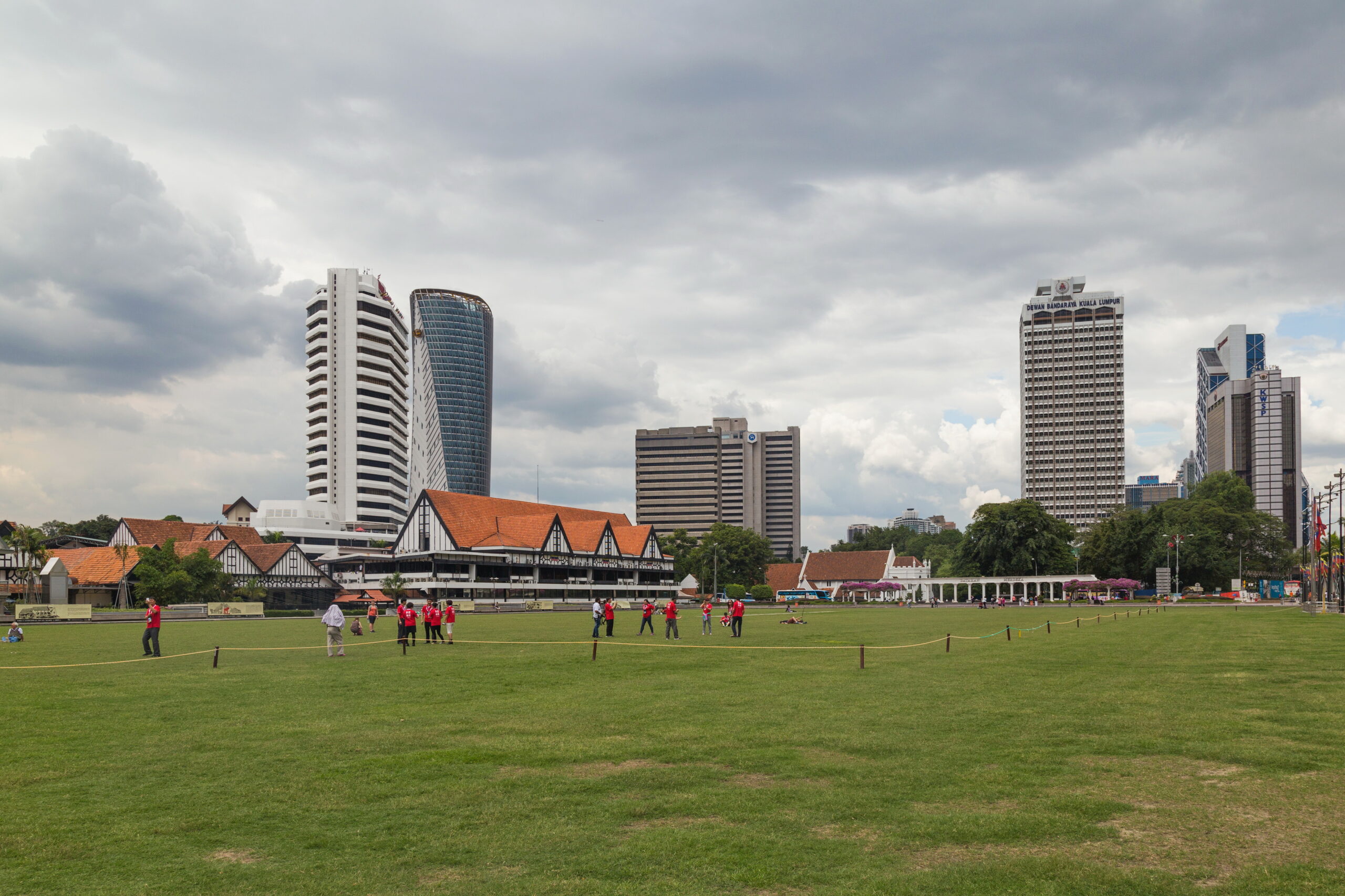
Penang, especially when people are really imagining George Town or the broader Penang-island lifestyle, is the option that will probably appeal most to Americans who want city usefulness without Kuala Lumpur intensity. This is the middle-ground answer in the comparison, and for many readers it may be the most emotionally appealing one.
It still feels urban, and it still has real services. But it often comes across as a little more breathable than Kuala Lumpur. That is the important difference. Not some fantasy of perfect peace and silence, but a city that can feel a little easier on the nervous system while still giving you a believable everyday base.
The cost picture supports that middle-ground framing. LivingCost’s George Town page currently estimates a one-person total with rent around US $792 a month, with rent and utilities around US $421, food around US $259, and transport around US $38.40. Again, those are not promises. But they do support the idea that Penang can sit in a more comfortable spot between “full systems city” and “small slower base.”
Penang also has stronger direct English-friendliness support in the current source set than Malacca does. The retrieved EF data supports treating Pulau Pinang as a relatively English-friendly environment, which matters for American readers who want less day-to-day language friction without paying Kuala Lumpur-level city intensity in every part of life. If your real priority is a city that feels easier to move through day to day, this is also the option here that fits best with the everyday-friction test in how to tell if a destination is actually walkable enough for daily life.
The main caution here is not to romanticize it. Penang is still hot. Still urban. Still a real working place. Still capable of getting more expensive if you choose foreigner-facing housing and comfort-first routines. If someone wants Penang because they imagine a sleepy tropical retreat, they are probably picturing the wrong thing. Penang works best as the strongest middle-ground base, not as an escape fantasy.
Malacca is slower, but thinner
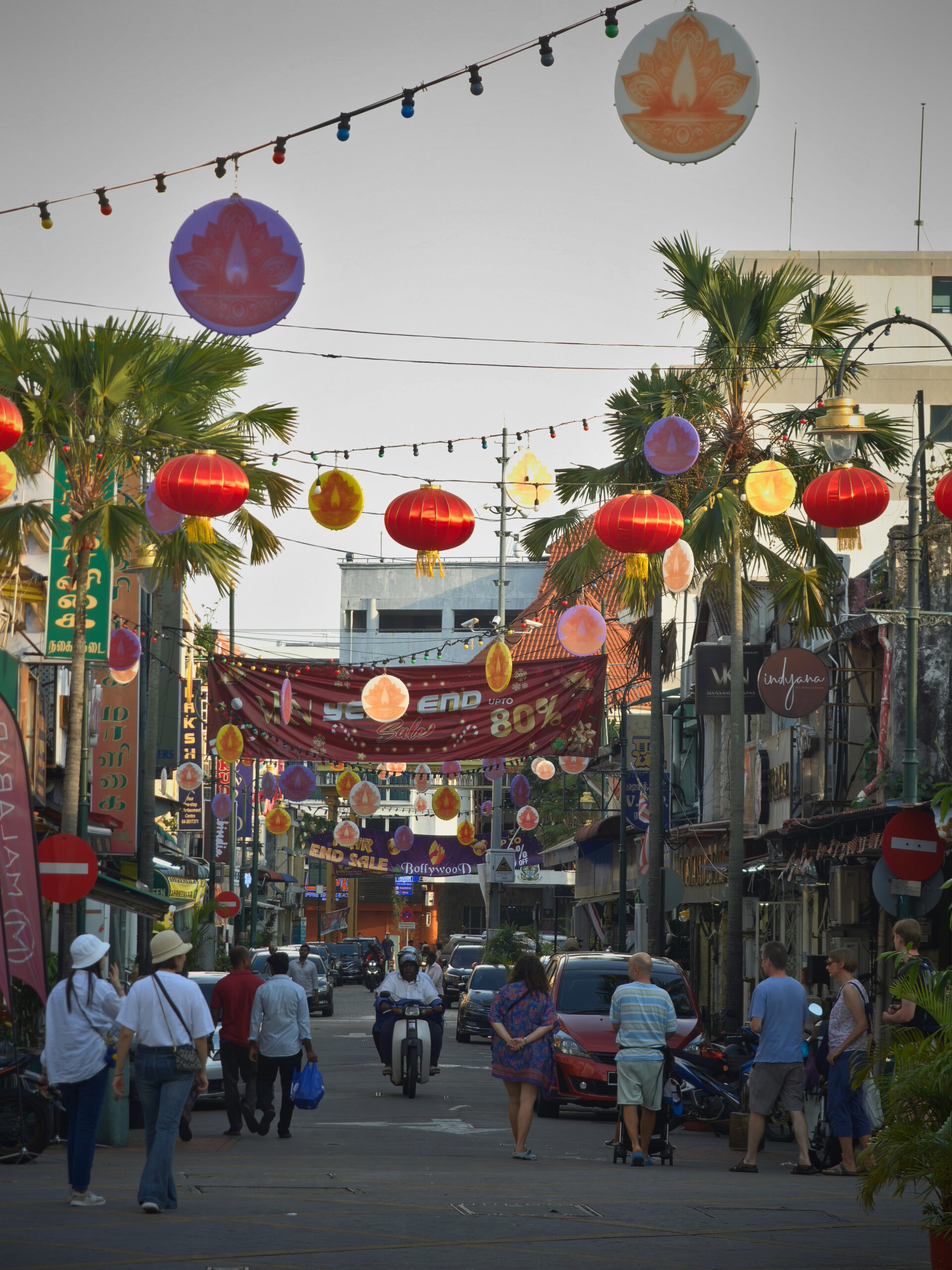
Malacca, or Melaka, is the most delicate city in this comparison because it is the easiest one to over-idealize without enough direct city-specific support in the source set. The honest way to frame it is not as a secret winner, but as the option for readers who truly want a smaller, slower-feeling base and are willing to accept that smaller also usually means thinner.
That thinner feeling can show up in several ways. Less service redundancy. Less obvious hospital depth compared with Kuala Lumpur. Fewer layers of infrastructure backup if something becomes complicated. Potentially less plug-and-play ease than the better-established Kuala Lumpur or Penang paths for Americans who want a smoother start.
That does not make Malacca a bad choice. It just makes it a more specific choice. I would treat it as a city for people who actively want a smaller rhythm, not as a place that automatically beats the other two on value. If someone already knows they are happier somewhere calmer, more compact, and less like a systems-heavy metro, Malacca could be worth scouting. But I would not treat it as the safest blind pick in this group.
Malacca is the most lifestyle-specific option here. It suits a certain type of reader, but it is not the city I would casually recommend first to someone who is just beginning to test Malaysia.
How the three choices compare in real life
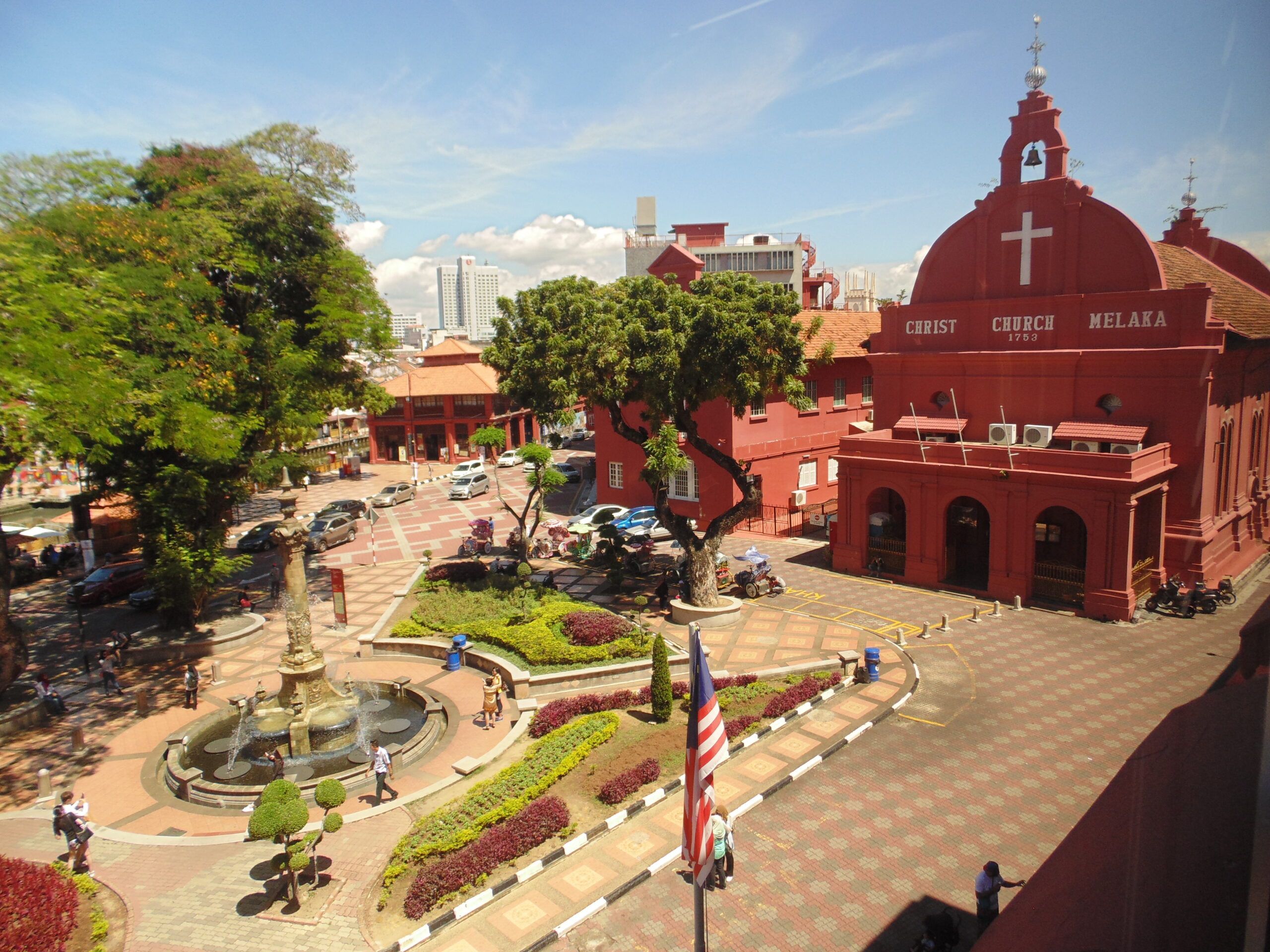
If you strip away travel fantasy and just ask what kind of life each city supports, the picture gets clearer.
- Kuala Lumpur is for people who want the most complete system and are willing to accept more city intensity to get it.
- Penang is for people who want a city that still works well but feels somewhat softer and more human-scaled.
- Malacca is for people who want smaller and slower enough that they are comfortable sacrificing some depth and redundancy.
That is the real choice. Not which place is prettiest on social media. Not which place expat chatter treats as trendy. Which tradeoff actually fits the way you want your days to feel.
Who should choose which city
Choose Kuala Lumpur if you want the easiest launch point, the deepest services, and the strongest practical backup when you are still figuring Malaysia out.
Choose Penang if you want the strongest balance between everyday ease and a somewhat more relaxed city feeling, and you are trying to avoid the full intensity of the capital without going too small too quickly.
Choose Malacca only if you truly want a smaller, slower-feeling base and already know that system depth is not your main priority. If you are still in the earlier stage of asking which countries tend to make a first trial run easier overall, step back and compare this with the best first countries for Americans who want an easier trial run abroad before locking yourself into one Malaysia city.
If you are still uncertain, I think the safest practical order is: Kuala Lumpur first for maximum ease, Penang first for maximum balance, Malacca later for readers who already know they want something smaller.
Final verdict
For most Americans in this comparison, Penang is probably the strongest middle-ground answer, Kuala Lumpur is the strongest systems answer, and Malacca is the most niche answer. That is not a popularity ranking. It is a fit ranking based on the kind of life each place seems most likely to support.
If you want the easiest big-city landing, Kuala Lumpur is the clearest answer. If you want a more balanced base that still feels very workable, Penang makes the strongest case. If you want smaller and slower enough that you are willing to give up some backup depth, Malacca becomes worth looking at more seriously.
The mistake is acting like these three cities are basically the same with different scenery. They are not. The right choice depends on whether you want maximum convenience, a better middle ground, or a smaller rhythm you are confident you can live with day after day.
Read Next
- Malaysia for Americans Who Want English-Friendly, Comfortable Living in Southeast Asia
- How to Choose Your First Base Abroad Without Overthinking It
- How to Tell if a Destination Is Actually Walkable Enough for Daily Life
Compare places with the City Fit Dashboard: If you want to sort destinations by budget, healthcare comfort, internet, airport access, and everyday-life friction, use the City Fit Dashboard alongside this guide.
References
- U.S. Department of State, Malaysia travel advisory / country information, https://travel.state.gov/en/international-travel/travel-advisories/malaysia.html
- Malaysia Digital Arrival Card / immigration page, https://imigresen-online.imi.gov.my/mdac/main
- EF English Proficiency Index, Malaysia, https://www.ef.com/wwen/epi/regions/asia/malaysia/
- LivingCost, Cost of Living in Malaysia, https://livingcost.org/cost/malaysia
- LivingCost, Cost of Living in Kuala Lumpur, https://livingcost.org/cost/malaysia/kuala-lumpur
- LivingCost, Cost of Living in George Town, https://livingcost.org/cost/malaysia/george-town
- Climates to Travel, Kuala Lumpur climate, https://www.climatestotravel.com/climate/malaysia/kuala-lumpur
- Malaysia Healthcare Travel Council, https://www.mhtc.org.my/
- Unifi, https://unifi.com.my/
- XE Currency Converter, MYR to USD, https://www.xe.com/currencyconverter/convert/?Amount=1&From=MYR&To=USD
Readers comparing Malaysian city routines can use this Kuala Lumpur practical city guide to test transit, condo choice, healthcare preparation, and everyday friction.
Readers comparing Malaysian city routines can use this Penang practical city guide to test food, housing, healthcare preparation, and everyday friction.