
Quick answer: A destination is walkable enough for daily life when you can handle groceries, coffee, pharmacy runs, simple meals out, cash access, and ordinary errands on foot most days without turning every small task into a transportation decision. The standard is not whether the place is charming to stroll through. It is whether normal life works there with low enough friction that you stop thinking about transport all the time.
A lot of places look walkable in travel content because they photograph well on foot. There is an old town. A plaza. Nice cafés. Maybe a pretty waterfront or a district with string lights and outdoor tables. That can all be real and still tell you almost nothing about whether the place works for daily life.
That is the mistake people make when they are choosing a first base abroad. They judge walkability like a visitor. What matters more is whether you can live there without quietly bleeding time, energy, and money into transport workarounds. If every grocery run turns into a ride, every pharmacy errand is across town, and every tired evening forces a small logistics debate, the place is not as walkable as the travel photos made it look.
If you are still choosing between destinations more broadly, pair this with how to choose your first base abroad without overthinking it. But if you already have a shortlist and keep wondering whether a place would feel easy enough day to day, start here.
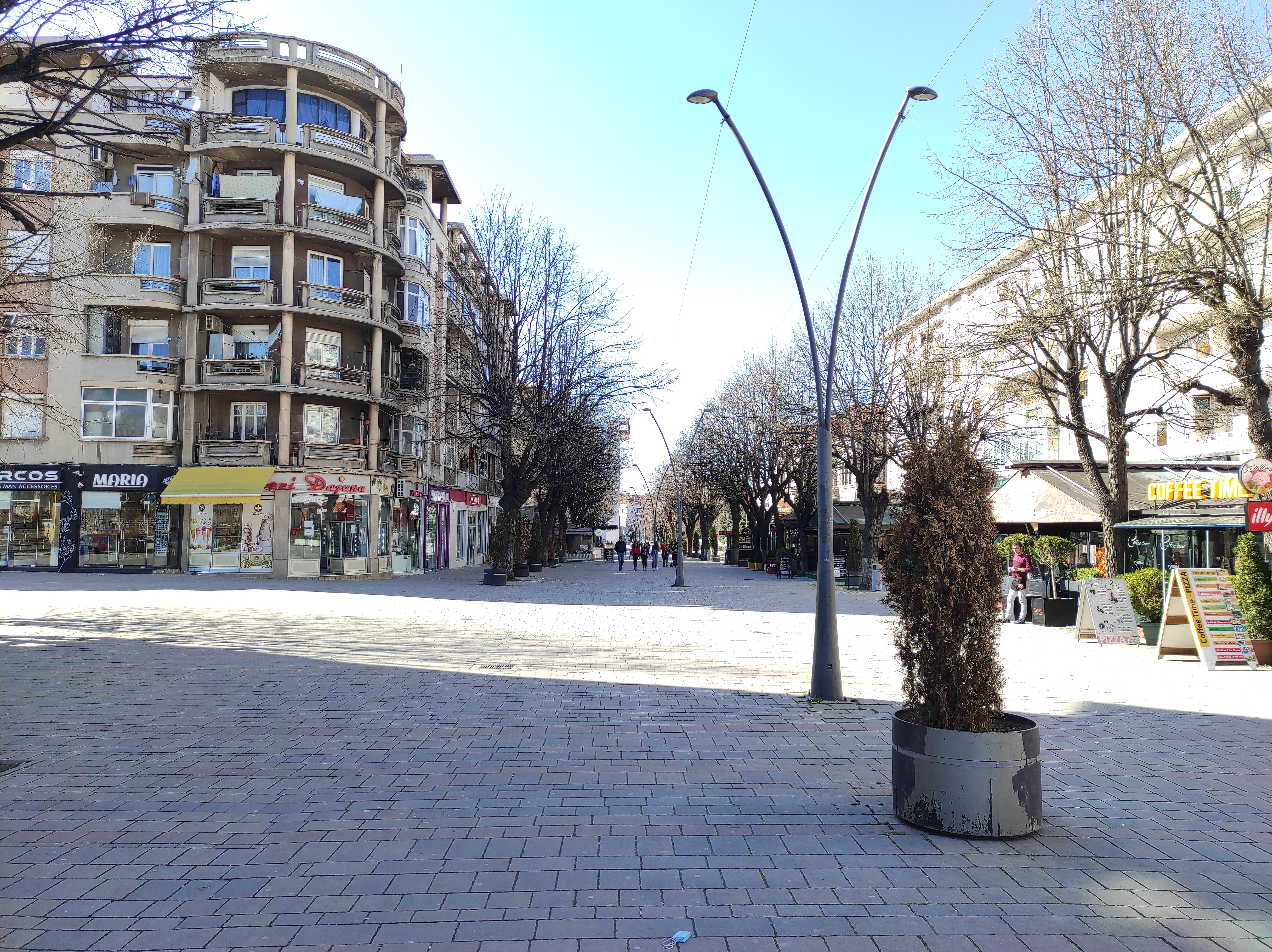
The mistake people make when they say a place is walkable
Most people do not mean the same thing when they say “walkable.” Sometimes they mean pretty. Sometimes they mean central. Sometimes they mean you can walk around happily for an afternoon. None of those is the same as saying the place supports ordinary life on foot.
A neighborhood can be beautiful and still be annoying for groceries. A city can have a lovely historic core and still force you into rides for pharmacy runs, clinics, banking backup, or the apartment areas you can actually afford. A district can feel great in cool morning weather and become miserable by midafternoon if the sidewalks are narrow, the hills are steep, or the heat is relentless.
That is why I would rather ask whether a place is walkable enough for normal life. It is a less glamorous phrase, but a much more useful one.
Use the daily-life walkability test, not the vacation version
A place is walkable enough when ordinary recurring tasks work on foot without much drama. That usually means asking very plain questions.
- Can you do a small grocery run on foot without treating it like a project?
- Is there a pharmacy close enough to feel normal, not “technically available”?
- Can you get coffee, a simple meal, or a casual third place nearby without planning around it?
- Do you have ATM or money-access backup within easy reach?
- Can you handle laundry, household basics, or a quick supply run without burning half the errand on transport?
- Is there usable transit nearby for low-energy days, bad weather, or time pressure?
- Would getting home after dark still feel easy enough and comfortable enough?
That is the real test. Not whether the neighborhood is photogenic. Not whether one restaurant strip looks lively. Whether an ordinary Tuesday works without friction stacking up all day.
What makes a place feel less walkable than it first looks
This is where a lot of places quietly fail. On a map, they may look compact enough. In travel videos, they may even look inviting. Daily life can tell a different story.
- Steep hills: fine for one scenic walk, less fine when groceries, heat, or tired knees enter the picture.
- Stressful crossings: a place can have sidewalks and still feel hostile if traffic culture makes every crossing annoying.
- Heat and humidity: a ten-minute walk in pleasant weather is not the same as the same walk in sticky heat six days in a row.
- Broken, narrow, blocked, or missing sidewalks: this changes the whole feel of daily movement fast.
- Useful errands scattered in different directions: you may be close to cafés and still far from the things that make daily life easier.
- Car-shaped neighborhoods: some places have a charming core but are functionally designed around driving once you leave the postcard section.
- Apartment areas that are less practical than the famous center: this matters a lot when the center is not where your actual budget lands.
This is one reason a broad city reputation is not enough by itself. A city can deserve its “walkable” label in one district and completely lose it in another.
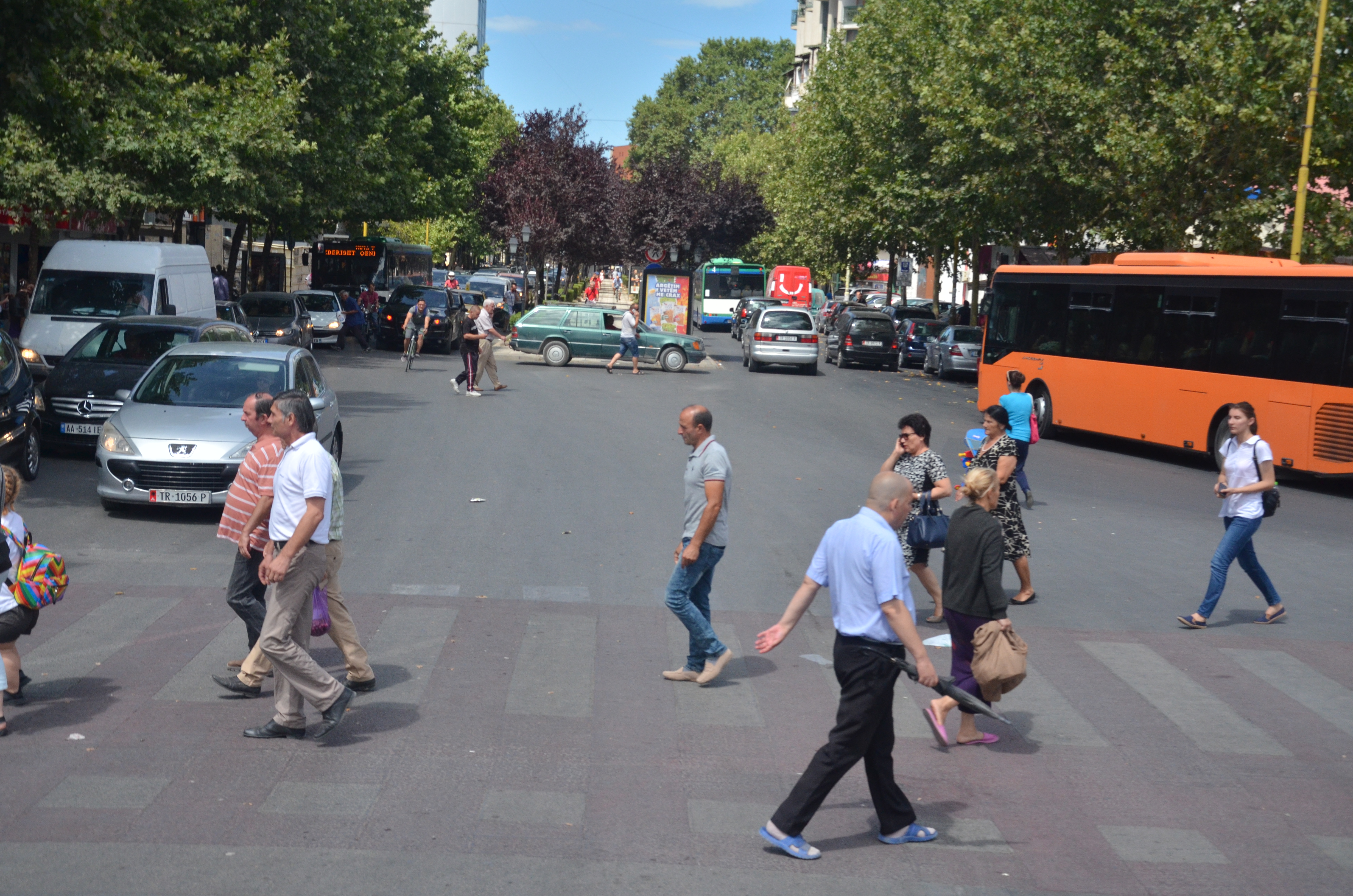
Neighborhood matters at least as much as city
City-level walkability claims are usually too broad to be decision-ready. What matters more is the actual neighborhood around the apartment you are likely to book.
That is why walkability should be part of the same conversation as housing. The right apartment in the wrong neighborhood can still give you a high-friction stay. A slightly smaller apartment in a more useful area can make the whole month feel easier. This is exactly why how to find a good apartment for a one- to three-month stay abroad and how to read apartment listings abroad without missing the red flags matter here too. Apartment quality and neighborhood function are not separate decisions.
If a city is only pleasantly walkable in one expensive pocket, that is still useful to know. It just means the city’s reputation is less helpful than the neighborhood math.
Use the 15-minute reality check
One of the simplest ways to judge a place is to ask what you can reach within about 10 to 15 minutes on foot from the actual apartment area.
- Groceries
- Pharmacy
- Coffee or a simple meal
- ATM or bank backup
- Transit stop
- Basic household purchases
If most of those are comfortably reachable, you may have something workable. If one or two are missing but the rest are easy, the place may still be fine. If too many basic needs scatter too far apart, the destination may still be enjoyable, but it is probably not easy in the way readers usually mean when they say they want walkability.
The point is not to demand perfection. It is to notice whether one missing piece is going to force constant rides and repeated friction.
Walkability and budget are tied together more than people admit
Weak walkability does not just make a place less pleasant. It can also make it more expensive.
Repeated rideshares, extra transit dependence, and the temptation to eat or shop in the easiest reachable places all change the monthly math. Even when the cost does not explode, the friction does. You spend more time planning movement, more money fixing location mistakes, and more mental energy on errands that should have been simple.
This is one reason a slightly smaller or less stylish apartment in a better-located area can be the better deal. A location that lowers daily friction often protects the budget better than a nicer apartment that keeps sending you back into transport mode. If you are already thinking in broader budget terms, this also connects directly to a money-access backup plan for longer travel and the wider destination fit question in best countries for Americans who want a livable retirement abroad.
Lower-energy days are where the truth usually shows up
A place can feel very walkable when you are fresh, curious, and happy to roam. The real question is what happens on lower-energy days.
If you are a retirement-minded reader, or just someone who does not want every day to feel like a minor physical challenge, this matters even more. Hills, long blocks, stairs, heat exposure, uneven sidewalks, and awkward crossings all become more significant once the novelty wears off. A place can be lovely for a healthy vacation week and still become tiring over a month or two.
This is one of the most underweighted parts of destination research. People imagine themselves on their best day, not on the third humid afternoon in a row when they only want groceries, a pharmacy stop, and an easy walk home.
How to judge walkability before booking
You do not need a proprietary score to do this well. A few practical checks are usually more revealing.
- Check the map around the likely apartment, not just the city center.
- Look for groceries, pharmacies, clinics, cafés, and transit stops near that exact area.
- Use street-view-style tools where available to inspect crossings, sidewalks, shade, hills, and block feel.
- Read reviews for mentions of hills, traffic, noise, needing rides, or the neighborhood feeling less convenient than expected.
- Ask the low-energy question: would you still choose this area if you expected to have a tired day three times a week?
This also pairs well with the best first countries for Americans who want an easier trial run abroad, because many first-timer mistakes are really ease-of-daily-life mistakes wearing destination-research clothing.
Final verdict
Walkable enough does not mean famous, scenic, or full of cafés. It means daily life works on foot often enough that the destination feels easy instead of high-friction. That is the standard that actually matters.
If groceries, pharmacy runs, simple meals, banking backup, transit access, and getting home after dark all feel workable from your actual neighborhood, the place may be genuinely walkable enough for a longer stay. If every ordinary task keeps falling back to rides, planning, or extra energy, the destination may still be enjoyable, but it is not as easy to live in as the travel content made it seem.
Read Next
- How to Choose Your First Base Abroad Without Overthinking It for the broader decision about which kind of place is easiest to test honestly.
- How to Find a Good Apartment for a One- to Three-Month Stay Abroad for readers who need the housing side of walkability to work too.
- Best Countries for Americans Who Want a Livable Retirement Abroad, Not a Luxury Fantasy for the bigger destination-fit question behind daily ease.
If you want the broader practical path, go to Guides.
For a Panama example where walkability, taxis, buses, weather, and neighborhood choice all change the monthly math, compare Boquete, David, and Panama City on a moderate budget.
Walkability is one of the quiet differences between cheap and livable. Use how to choose between a cheap place and a livable place abroad when transport workarounds start changing the real budget.
Walkability should be tested during ordinary days, not only sightseeing walks. A 30-day city test helps confirm whether grocery, pharmacy, transit, and evening routes still feel workable.
Walkability depends partly on the apartment location and daily errands. Before booking, ask the first apartment questions that confirm groceries, pharmacy access, taxi pickup, stairs, hills, and practical routes.
Walkability can make or break a second-tier city: lower rent matters less if groceries, pharmacies, cafes, transit, and everyday errands are all awkward from the neighborhood you can actually afford.
Walkability should help decide which places make the final cut. When comparing candidates, add this walkability check to a three-city shortlist so daily errands, healthcare access, and rental neighborhoods are judged together.
References
- Settling Abroad, How to Choose Your First Base Abroad Without Overthinking It, https://settlingabroad.net/how-to-choose-your-first-base-abroad-without-overthinking-it/
- Settling Abroad, How to Find a Good Apartment for a One- to Three-Month Stay Abroad, https://settlingabroad.net/how-to-find-a-good-apartment-for-a-one-to-three-month-stay-abroad/
- Settling Abroad, How to Read Apartment Listings Abroad Without Missing the Red Flags, https://settlingabroad.net/how-to-read-apartment-listings-abroad-without-missing-the-red-flags/
- Settling Abroad, The Best First Countries for Americans Who Want an Easier Trial Run Abroad, https://settlingabroad.net/the-best-first-countries-for-americans-who-want-an-easier-trial-run-abroad/
- Settling Abroad, Best Countries for Americans Who Want a Livable Retirement Abroad, Not a Luxury Fantasy, https://settlingabroad.net/best-countries-for-americans-who-want-a-livable-retirement-abroad/
- Settling Abroad, Money Access Backup Plan for Longer Travel, https://settlingabroad.net/money-access-backup-plan-for-longer-travel/