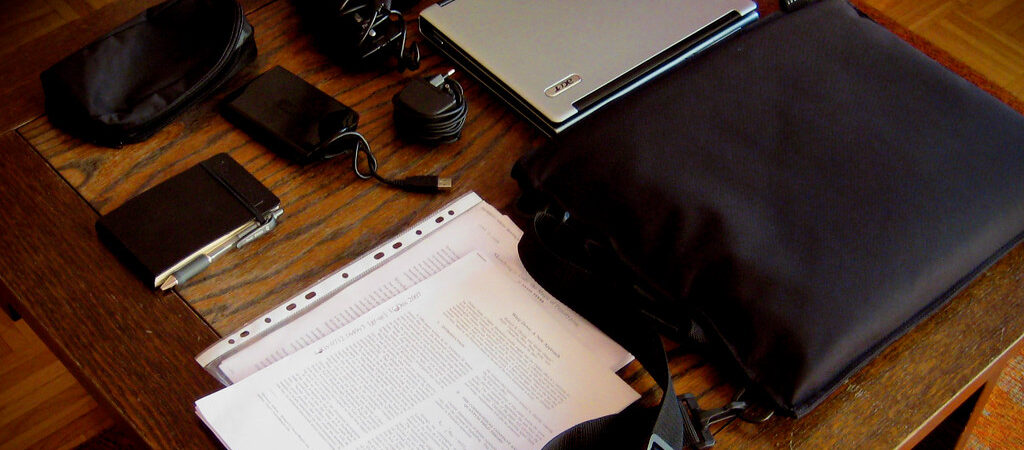
Quick answer: During your first week abroad, do not try to solve your whole new life at once. Instead, test the systems that can interrupt an otherwise good stay if they fail: card and cash access, phone data and Wi-Fi, maps and transport, groceries and water, nearby pharmacy and medical options, emergency numbers, document copies, accommodation issues, banking two-factor authentication, and a few simple backup plans.
The first week after arriving abroad has a strange way of disappearing. You are tired, a little excited, probably slightly disoriented, and suddenly every ordinary errand has a learning curve. Some people drift through those first days as if they are on vacation and trust that the practical stuff will work later. Others go the opposite direction and turn arrival into a full-time admin job: every app, every local account, every document, every possible future problem.
For a one- to three-month stay, neither extreme helps much. You are not moving your entire life overnight, but you are also not just passing through for a weekend. The useful middle ground is calmer: prove the basics before you depend on them.
This checklist is written for Americans doing part-time living abroad, a longer test stay, or a retirement-minded trial run. It is informational only, not legal, tax, medical, or financial advice. The goal is to make the first week feel less fragile by checking the small systems that prevent big, avoidable problems.
Before you get too comfortable, make sure you can get home
The first practical test is not glamorous. It is this: if your phone battery drops, the taxi app stops cooperating, or you step onto the wrong street after dinner, can you reliably get back to your accommodation?
Save your exact address in your phone, then save it somewhere that does not depend on live data. That might be a screenshot, a note available offline, a paper card in your wallet, or a message to yourself. Include the building name, unit number, gate code or entry detail if appropriate, a cross street, and the host or property contact. If the local language uses a different alphabet, keep a local-language version too. A map pin is helpful; a written address is still better when you need help from a taxi driver, pharmacy worker, police officer, or neighbor.
Download the offline map for your neighborhood. Mark your accommodation, nearest grocery store, pharmacy, transit stop, ATM area, and one larger landmark you could recognize even when tired. Then do one short walk in daylight and notice the boring details: which door is yours, whether the street is well lit, where the entrance is after dark, and where a ride-share pickup actually happens. Those details feel silly until the night you need them.
Test phone data, Wi-Fi, and two-factor authentication
Confirm that your eSIM, local SIM, or roaming plan actually gives you usable data near your accommodation, not just at the airport. Test the Wi-Fi inside the apartment from the places you will actually sit, not only beside the router. Send a message, load a map, make a short call or voice-message test if you expect to use voice, and confirm that WhatsApp, iMessage, Signal, Telegram, or whatever your contacts use is behaving normally.
If you kept your U.S. number for banking, test whether you can receive the codes or calls you expected. This is one of those chores that feels optional right up until it blocks a card login, an airline change, or a password reset.
The FCC warns that mobile phone use abroad can create roaming costs and plan surprises, so do not leave roaming settings to guesswork. Check your carrier plan, turn off expensive data paths you do not intend to use, and know which line is handling calls, texts, and data. The companion phone service guide for a one- to three-month stay goes deeper on that setup.
Then test the accounts that can wreck a week if they fail: bank, credit card, email, password manager, cloud documents, insurance portal, airline, accommodation platform, and phone carrier. You are not trying to browse your entire financial life on public Wi-Fi. You are confirming that your logins, authenticator app, backup codes, and trusted devices still work from the country where you are now sitting.
Run a small card and cash test
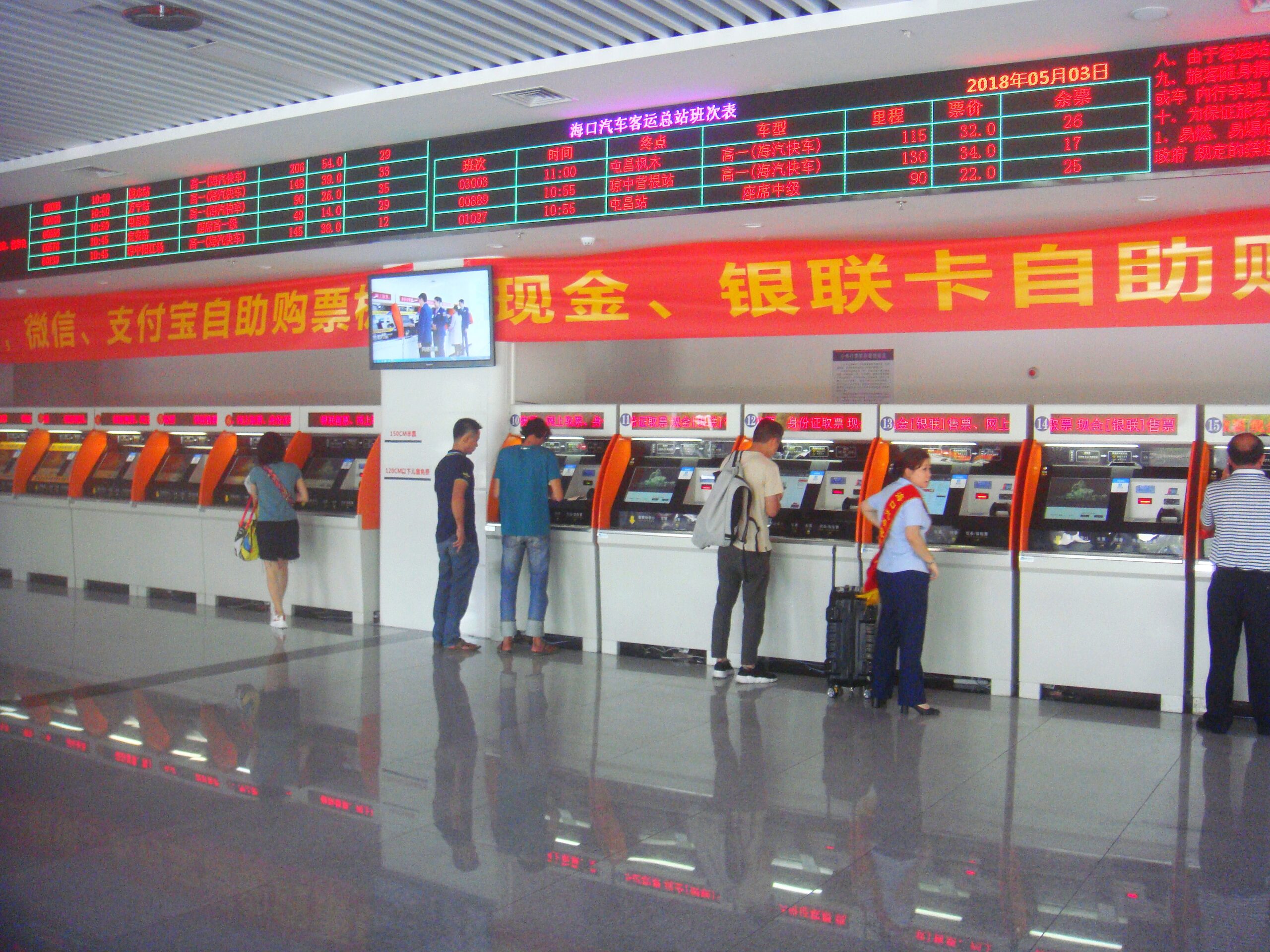
A card that worked perfectly in the United States can still fail at a foreign ATM, supermarket, transit kiosk, or restaurant. Do not make the first real test happen when you are hungry, late, embarrassed at a checkout line, or trying to pay a deposit.
Early in the week, make one small card purchase and one small cash withdrawal in a safe, ordinary setting. Use an ATM attached to a bank or in a controlled public place, preferably during business hours. If a terminal offers a confusing currency-conversion option, choosing local currency is often the better default unless your bank’s specific terms tell you otherwise. Keep the amount small. The point is not to pull out a month of cash; it is to confirm that the card, PIN, alert system, and banking app all behave as expected.
After the test, check whether your bank alert arrives and whether you can still log in. If something gets declined, pause before repeating the same attempt again and again. Repeated failures can make a fraud system more suspicious. Use your backup card, switch to cash, or contact the issuer through a verified route.
If you have not built a backup system yet, start with the money access backup plan. If your bigger worry is fraud alerts, SMS codes, or a blocked bank app, read how to avoid getting locked out of your money abroad. The first-week version is simple: test gently before the test becomes urgent.
Find groceries, water, and the ordinary errand loop
Your first grocery trip is not just about prices. It tells you whether cards are accepted, whether you need to bring a bag, where bottled water is sold, what basic foods are easy to find, whether the cashier line expects cash, and how heavy the walk home feels with real groceries in your hands.
Make this first trip intentionally boring. Buy water if you are unsure about local tap-water norms, a simple breakfast, a basic dinner, soap or laundry supplies, and one snack you know you can eat if the day goes sideways. Ask your host, hotel, pharmacist, or another reputable local source about drinking-water norms rather than assuming the answer from another country applies here.
Also learn the small local systems: store hours, Sunday closures, whether cards are commonly accepted for small purchases, whether pharmacies sell basic toiletries, and whether the closest “supermarket” is really a convenience store with tourist prices. This is where the first-90-days budget becomes real. Week one often costs more because you are buying setup items, not because you failed at living like a local.
Mark a pharmacy and medical fallback before you need one
The U.S. State Department’s medicine and health guidance is a useful reminder that medication rules and health systems vary by country. If you carry prescriptions, keep them in original labeled containers when possible, know the generic names, and understand that U.S. prescriptions may not transfer cleanly abroad. For routine medication planning, connect this with the site’s prescription and document guides rather than improvising after you run low.
For the first-week checklist, the practical move is modest: save one nearby pharmacy, one medical option, your insurance or travel-insurance contact, and your emergency contact. You do not need to become an expert in the local health system on day two. You do need to know where you would start if you developed a fever, lost medication, needed advice about a minor issue, or had to ask for help in a hurry.
If you have a chronic condition, mobility concern, allergy, or medication that cannot be interrupted, do this earlier, not later. That is not panic; it is just respecting the parts of your life that do not pause because you changed countries.
Write down emergency numbers and location details
Do not assume 911 is the emergency number everywhere. Find the local emergency number for police, fire, and ambulance in your country or city, and save it in your phone and on paper. Add the nearest U.S. embassy or consulate, your accommodation contact, your bank/card emergency numbers, and one trusted person back home.
The U.S. State Department says U.S. embassies and consulates can help with emergencies such as lost passports, crime victim support, and crisis situations. Its Help Abroad page also lists emergency helplines if you cannot reach the nearest embassy during an emergency: 888-407-4747 from the United States or Canada, and 202-501-4444 from other locations. Those numbers are not a replacement for local emergency services, but they belong in your notes.
Keep your exact local address written in a way you can hand to someone. If you are in an apartment building with a confusing entrance, add a plain-language note: “blue gate beside the pharmacy,” “third floor, rear building,” or whatever would help someone find you. In a stressful moment, your ability to describe where you are matters as much as your ability to call for help.
Check your documents and offline copies
During the first week, confirm that your important documents are accessible in two ways: online and offline. That does not mean carrying your whole identity around town. It means knowing where your passport scan, entry stamp photo if relevant, travel insurance, prescriptions, accommodation booking, bank contact notes, and emergency contacts are stored.
Open the files while you are abroad. Do not just assume the cloud folder synced before you left home. If you use a password manager, confirm you can unlock it after a phone restart. If you keep backup codes, confirm you know where they are. If your only copy of your accommodation booking is inside an app that requires a text code to log in, fix that before you need it.
The broader prep is covered in what documents Americans should digitally organize before living abroad part-time. The first-week action is verification: can you actually reach the documents from this place, on this connection, with this phone?

Document accommodation problems early
If the apartment has problems, the first week is when you want clean evidence. Photograph or video issues with locks, water, hot water, Wi-Fi, appliances, pests, broken furniture, mold, unsafe stairs, or missing items. Message the host or property contact in writing. Keep the tone factual and calm: what is wrong, when you noticed it, what you need fixed, and whether the issue affects safety or basic habitability.
Do not wait ten days to mention a problem that was visible on arrival. You may need a repair, refund discussion, platform support, or a backup lodging plan. The separate first-24-hours apartment checklist is the stronger guide for this, but the first-week principle is the same: inspect early, document calmly, and keep your options open.
Build three small backup plans
You do not need a disaster binder. You need a few answers written down before you are stressed.
- If your phone stops working: where is your offline address, who can you contact, where can you get Wi-Fi, and how can you access maps or bank numbers?
- If your wallet is lost or a card is blocked: which backup card or cash stash do you use, and which verified bank number do you call?
- If the apartment fails: what is your first alternate lodging option for one or two nights, and how would you pay for it?
Scammers often exploit urgency. The FTC warns that phishing messages may claim suspicious activity, account problems, payment issues, or a need to confirm personal or financial information. That is especially believable when you really are using cards and logins in a new country. When money or identity is involved, do not click links from texts or emails. Open the official app yourself, type the website yourself, or use a number you saved before the problem appeared.
What not to overdo in week one
First-week admin should make life easier, not turn arrival into a punishment. Unless something is required for your stay, be careful about overdoing these errands immediately:
- Opening local bank accounts for a short stay before you know whether you need one.
- Buying a large amount of furniture, appliances, or memberships before the apartment proves comfortable.
- Committing to the cheapest long-term transport pass before testing your actual routine.
- Carrying every document, card, and backup device around town every day.
- Trying to visit every clinic, market, neighborhood, and government office in the first 72 hours.
The better rhythm is one or two admin wins per day. Test a card. Save a pharmacy. Learn the grocery route. Fix the Wi-Fi issue. Download the map. Put the emergency numbers in one place. Then go take a walk, eat something normal, and let your nervous system catch up with the fact that you arrived.
A simple first-week checklist
- Save your exact accommodation address online, offline, and on paper.
- Download the offline map for your neighborhood and mark home, grocery, pharmacy, transit, ATM, and embassy/consulate.
- Test mobile data, Wi-Fi, messaging, voice if needed, and U.S. number/2FA access.
- Make one small card purchase and one small cash withdrawal in a safe setting.
- Confirm bank alerts arrive and banking apps still work.
- Buy basic groceries, water if needed, and one easy meal backup.
- Save a nearby pharmacy, medical option, insurance contact, and emergency contact.
- Write down local emergency numbers and State Department emergency helplines.
- Open your document folder from abroad and confirm offline access.
- Document accommodation problems in writing with photos or video.
- Create backup plans for lost phone, lost wallet/card block, and failed accommodation.
If those items are handled, you have done the useful version of first-week admin. You are not fully settled. You do not need to be. You have made the first month less fragile, which is the real win.
Read next
Sources used for this draft include the U.S. State Department International Travel Checklist, Help Abroad, Emergency Financial Assistance, and Medicine and Health pages; FCC international roaming guidance; FTC phishing guidance; CFPB fraud and scams consumer resources; and existing Settling Abroad Money + Setup articles for internal-link context.
Planning tool
Use the full first-90-days setup system
This article covers the arrival-week layer. The First 90 Days Abroad System turns the broader prep, arrival, and first-month setup into reusable worksheets.