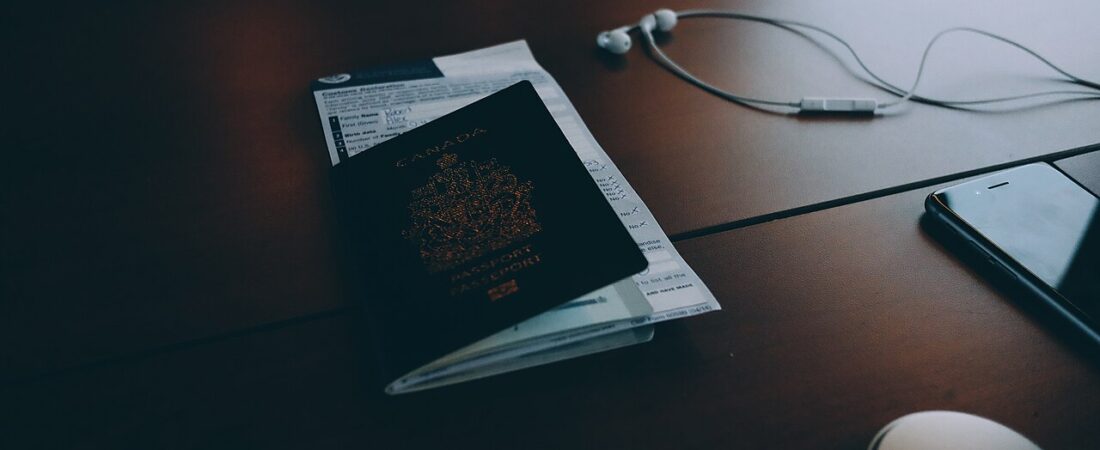
Medication and Document Organization for a Long-Stay Trip
Medication and paperwork rarely make anyone feel inspired to travel. But they are exactly the sort of things that can quietly wreck your rhythm if they are disorganized.
The goal is not to carry a giant binder, a tactical admin pouch, and six backup folders like you’re managing an international crisis. The goal is much simpler: know where your most important things live, keep them easy to reach, and make sure the system still works when you’re tired or stressed.
Why this matters more on longer trips
On a short trip, you can get away with a little chaos. On a longer stay, loose ends pile up. You refill things. You move between locations. You forget what pocket you used last time. You rely on your phone more. You start carrying receipts, transit cards, local SIM notes, clinic details, and all the other small paper or digital fragments that show up when a trip becomes daily life.
That’s why a simple organization system matters. It lowers the mental load.
Use a three-layer structure
A good basic structure looks like this:
- On your person: passport, your main card, phone, and one backup payment option.
- In your bag: medication organizer, printed summary if useful, emergency contacts, and the few supporting documents you may actually need during the day.
- In the cloud: scans and copies of the things you would hate to recreate from memory.
That three-part setup keeps you from either over-carrying or under-preparing.
Medication: keep it boring and readable
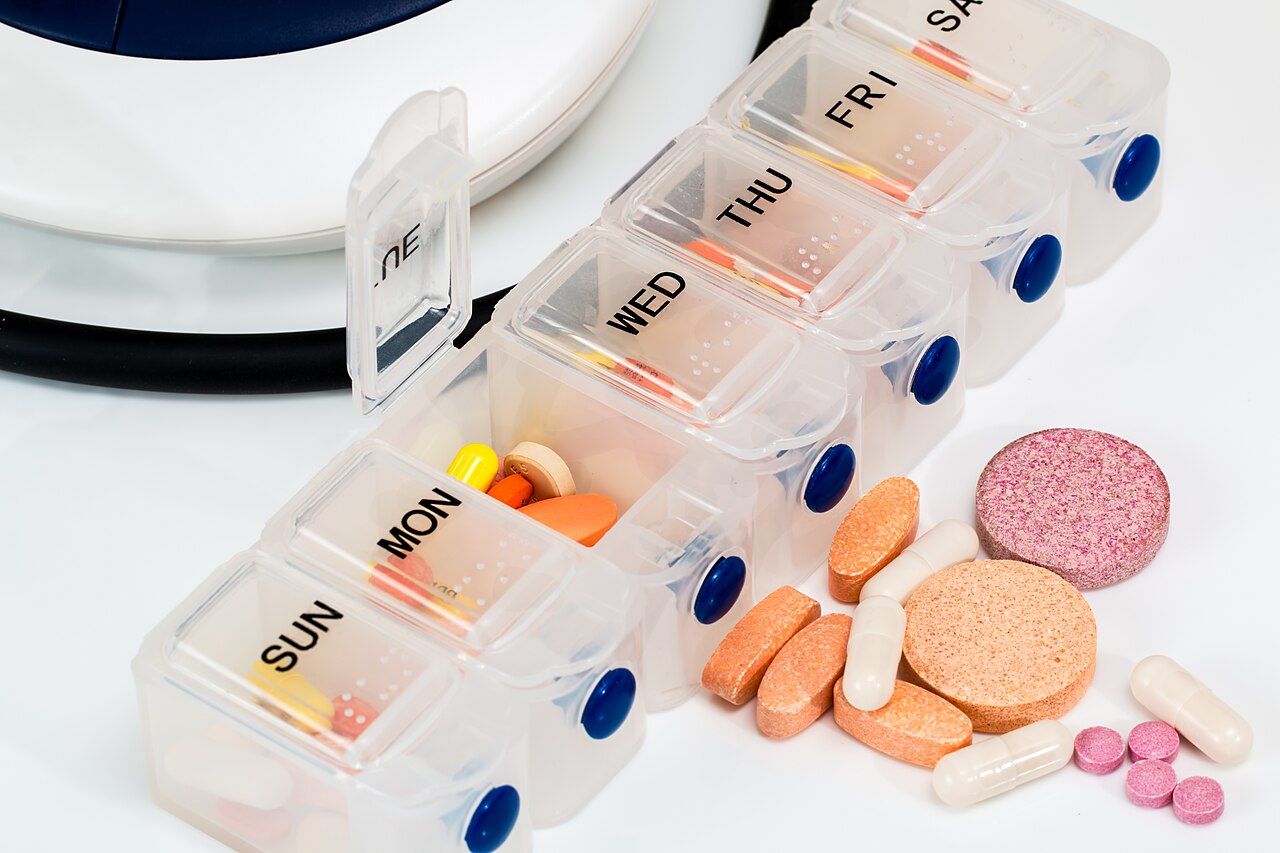
Medication organization works best when it is boring. Clear labels. Consistent storage. No guessing. No “I know it’s in here somewhere” energy.
- Use a system that makes sense to you at a glance.
- Keep a current medication list with names, strengths, and dosing basics.
- If it helps, carry a short note with allergies, relevant conditions, or recent care details.
- Think through travel days separately from normal days. Long transit is where medication routines often get messy.
- If something is essential, treat it like an essential, not like a nice-to-have tossed in a side pocket.
None of this has to be complicated. It just needs to reduce uncertainty.
Documents: focus on retrieval speed
People often organize documents around storage. A better way is to organize around retrieval. When you need something, how quickly can you find it?
- Passport copy
- Insurance details
- Flight or rail confirmations
- Accommodation addresses and host contact info
- Medical summary or prescription details if relevant
- Emergency contacts
If those are scattered randomly across screenshots, email inboxes, texts, and mystery PDFs, you’re not organized. You’re just hoping search works under pressure.
Digital copies are useful, but make them clean
Throwing messy phone photos into cloud storage is better than nothing, but only barely. Better is a tidy folder with files named in a way you can understand instantly.
- Create one obvious folder for the trip.
- Name files like a sane person would read them later.
- Keep the most important few documents accessible offline if possible.
- Do not bury crucial information inside ten levels of digital clutter.
Future-you deserves better than “IMG_4837.jpg.”
Think through lost-bag and low-battery scenarios
A lot of organization systems fall apart under two very ordinary conditions: you don’t have the bag you expected to have, or your phone battery is lower than you expected it to be.
- If a checked bag is delayed, what medication or paperwork still needs to be with you?
- If your phone is at 5 percent, can you still reach the most important information?
- If someone asks for a document quickly, do you know exactly where to look first?
Those are the tests that matter. Not whether the system looked neat on your desk the night before departure.
A simple practical checklist
- Readable medication labels
- Current medication and dose list
- Emergency contacts in at least two places
- Passport and backup copy
- Insurance details and key travel confirmations
- Cloud folder with clear file names
- One repeatable place for each category of important item
The real goal
Good organization should feel slightly boring. That is usually the sign it is working. You are not trying to create a masterpiece of admin elegance. You are trying to make sure the important parts of your trip remain easy to handle when you are distracted, tired, or dealing with one of those mildly irritating travel days that happen to everyone.
When your documents are where they should be and your meds are easy to manage, a lot of background stress just disappears. And that is a pretty good trade for half an hour of prep.