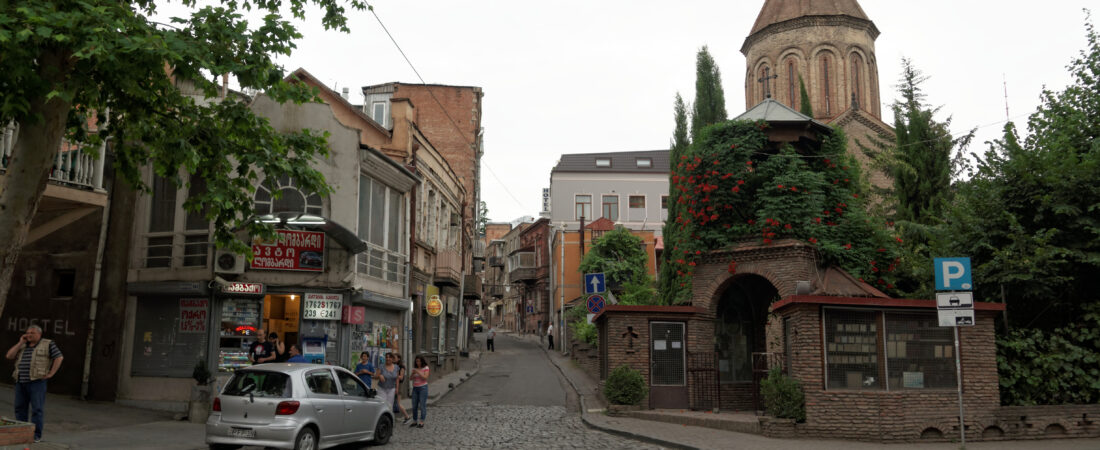
Tbilisi is the Georgia city Americans usually look at when they want a Europe-adjacent base without burning Schengen days. It has cafes, wine bars, old neighborhoods, metro lines, taxis, mountains nearby, a large airport, a growing remote-work scene, and a stay-rule setup that can look unusually flexible compared with most of Europe.
That flexibility is real enough to matter, but it should not be treated as a magic loophole. Tbilisi is not Lisbon with a longer clock, and it is not the ultra-cheap secret that older internet threads sometimes describe. Rents rose after major migration waves, English is uneven outside expat-facing pockets, Georgian script can make simple errands slower, winter can be cold and damp, and private healthcare planning needs more diligence than in larger Western European medical hubs.
Quick answer: Tbilisi can make sense for Americans who want a non-Schengen city base with longer-stay flexibility, cafe life, taxis, metro access, interesting neighborhoods, and lower costs than many Western European capitals. It is a weak fit if you need easy English everywhere, flat walkability, deep specialist healthcare, warm winters, or a fully predictable apartment market. For a solo test stay, plan roughly $1,300 to $2,800 a month depending on rent, neighborhood, heating or cooling, transport, dining, insurance, and medical backup.
Who Tbilisi is best for
Tbilisi is best for Americans who want a city stay with more time flexibility than Schengen Europe normally allows. It suits slow travelers, remote workers, semi-retirees, and budget-conscious retirees who are comfortable with a place that feels culturally different, linguistically harder, and less polished than Portugal, Spain, or Malta. If you enjoy figuring out systems, using translation apps, comparing neighborhoods carefully, and accepting some rough edges, Tbilisi can be rewarding.
It is less ideal for people who want a soft landing where every errand works in English. Tbilisi is friendly in many ways, but daily life still involves Georgian language, Georgian script, uneven sidewalks, hills, traffic, older buildings, bureaucracy, and occasional confusion. The city works best when you see those as manageable tradeoffs, not surprises.
Compare it in the dashboard: Tbilisi is now linked in the City Fit Dashboard, where you can compare it against Chania, Split, Valletta/Sliema, Tirana, Sarande, Lisbon, Porto, Cebu City, Sanur, Da Nang, and other possible first bases by budget, healthcare comfort, airport access, walkability, internet, stay-rule friction, and daily-life ease.
Monthly budget reality
Tbilisi can still be less expensive than many U.S. and Western European cities, but it deserves current pricing rather than nostalgia. Numbeo’s Tbilisi page currently puts single-person monthly costs before rent in the mid-$600s in U.S. dollar terms. Expatistan’s Tbilisi estimate is higher, around 3,594 Georgian lari for one person, and warns that its sample has inconsistencies. Nomads.com puts a single-person Tbilisi lifestyle higher again. PB Services Georgia’s 2026 cost context points to a lower local-comfort figure, but also identifies rent as the largest swing factor.
For Settling Abroad readers, use these planning bands:
- Lean solo test: about $1,200 to $1,700 a month if you choose modest furnished housing, cook often, use metro and taxis selectively, and avoid imported-goods habits.
- Comfortable solo stay: about $1,800 to $2,800 a month for better housing, more restaurants and cafes, taxi flexibility, private medical cushion, and fewer apartment compromises.
- Comfortable couple stay: about $2,700 to $4,300 a month if you want a better apartment, more dining out, stronger healthcare and travel buffer, and less pressure to optimize every expense.
The biggest budget mistake is assuming that any old “Georgia is cheap” number applies to a furnished apartment in Vake, Vera, Saburtalo, Sololaki, Mtatsminda, or another newcomer-friendly area. Price the exact rental you can book. Then add utilities, heating or air conditioning, internet, taxis, restaurants, pharmacies, clinics, imported groceries, and a buffer for exchange-rate or rent changes.
Housing and neighborhoods
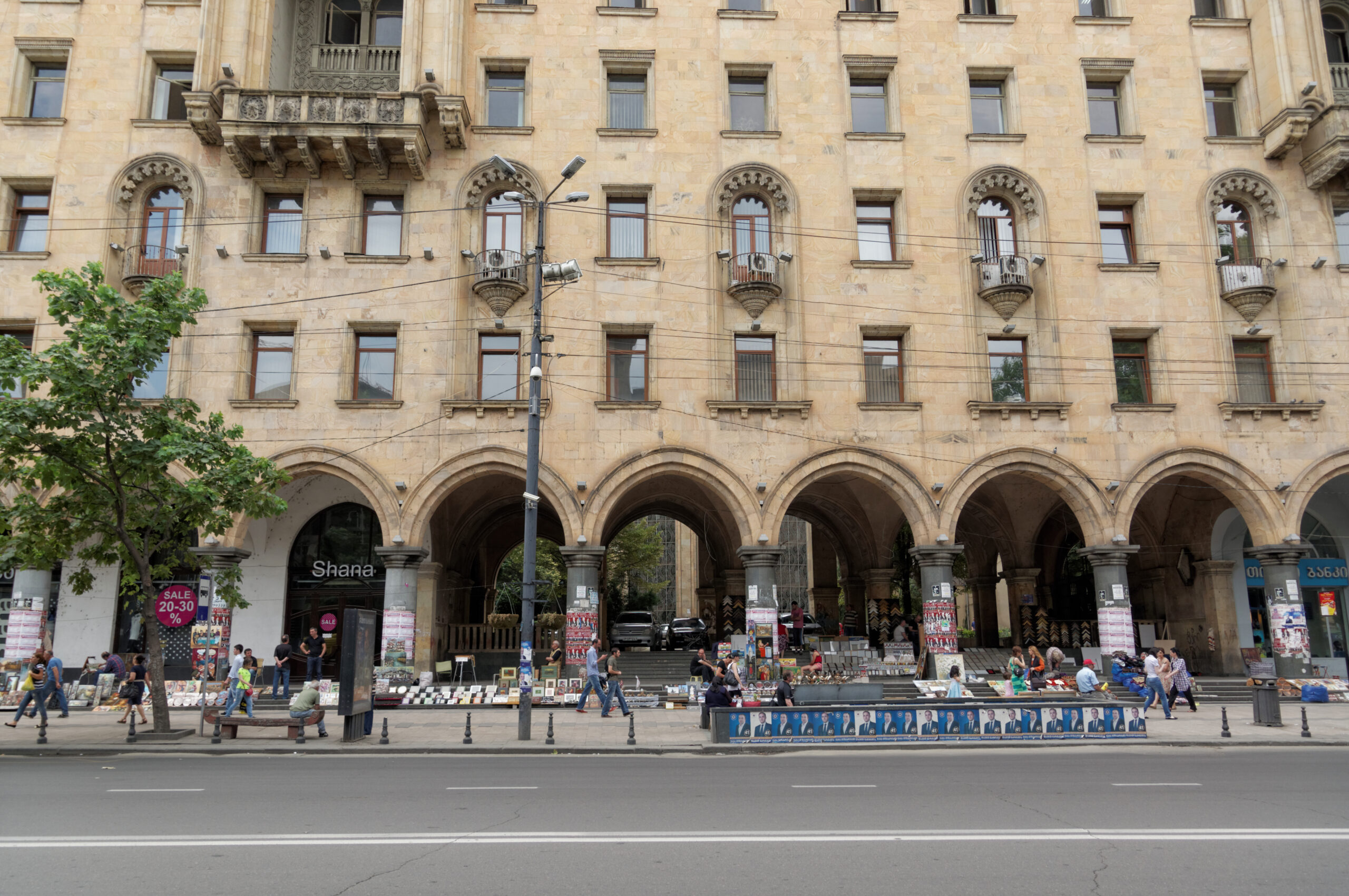
Most Americans should compare Vake, Vera, Saburtalo, Sololaki, Mtatsminda, Chugureti, Avlabari, and parts of old Tbilisi before booking. Vake can feel comfortable and residential, with cafes, parks, and more familiar services, but it is often pricier. Saburtalo can be practical for longer stays because it has apartments, metro access in parts, services, and less tourist pressure. Vera and Mtatsminda can feel central and atmospheric. Sololaki and Old Town are charming, but hills, stairs, noise, dampness, and tourist flow can matter. Chugureti and Avlabari may offer value if the exact street works.
Ask boring apartment questions before paying: heating type, air conditioning, insulation, dampness, elevator reliability, stairs, water pressure, internet provider, street noise, construction, building entrance, grocery route, and how the walk home feels after dark or in winter. Tbilisi is a city where two apartments in the same district can produce completely different daily lives.
Healthcare and prescriptions
Tbilisi has private clinics, hospitals, dentists, pharmacies, labs, and English-speaking medical help in some settings, but it should not be treated as medically interchangeable with a large Western European capital. The U.S. Embassy in Georgia maintains citizen-services and medical-assistance information, including emergency guidance and local medical-resource context. That is a planning starting point, not a guarantee of cost, quality, insurance acceptance, or prescription availability.
If you have a chronic condition, narrow medication, mobility issue, or higher emergency-risk profile, do the healthcare check before deciding Tbilisi is your answer. Identify the clinic or hospital you would use, confirm whether English help is available, bring generic medication names, carry prescription documentation, and verify whether your insurance pays directly or reimburses later. If you need regular specialist care, compare Tbilisi against cities with deeper medical depth before committing to a long stay.
Healthcare planning shortcut: If Tbilisi is attractive because it stretches your budget and stay window, the Medical Prep Abroad Kit is the worksheet version of the pre-trip health check: prescriptions, records, insurance questions, emergency contacts, and clinic backup.
Entry rules and non-Schengen timing
The big practical advantage is time. The U.S. State Department’s Georgia country information currently says U.S. citizens may enter, reside, work, or study in Georgia without a visa for up to 365 days. That is a very different planning frame from the Schengen Area’s 90-days-in-180 rule.
Still, do not treat that sentence as permission to improvise everything. Border authorities can ask questions and can deny entry. Rules can change. If your plan depends on a long stay, work, tax status, repeated entries, or local residence steps, verify current official sources close to travel. Georgia’s e-Visa and Geoconsul resources are useful route-check pages even when you expect to rely on visa-free entry.
Transport, hills, and daily routine
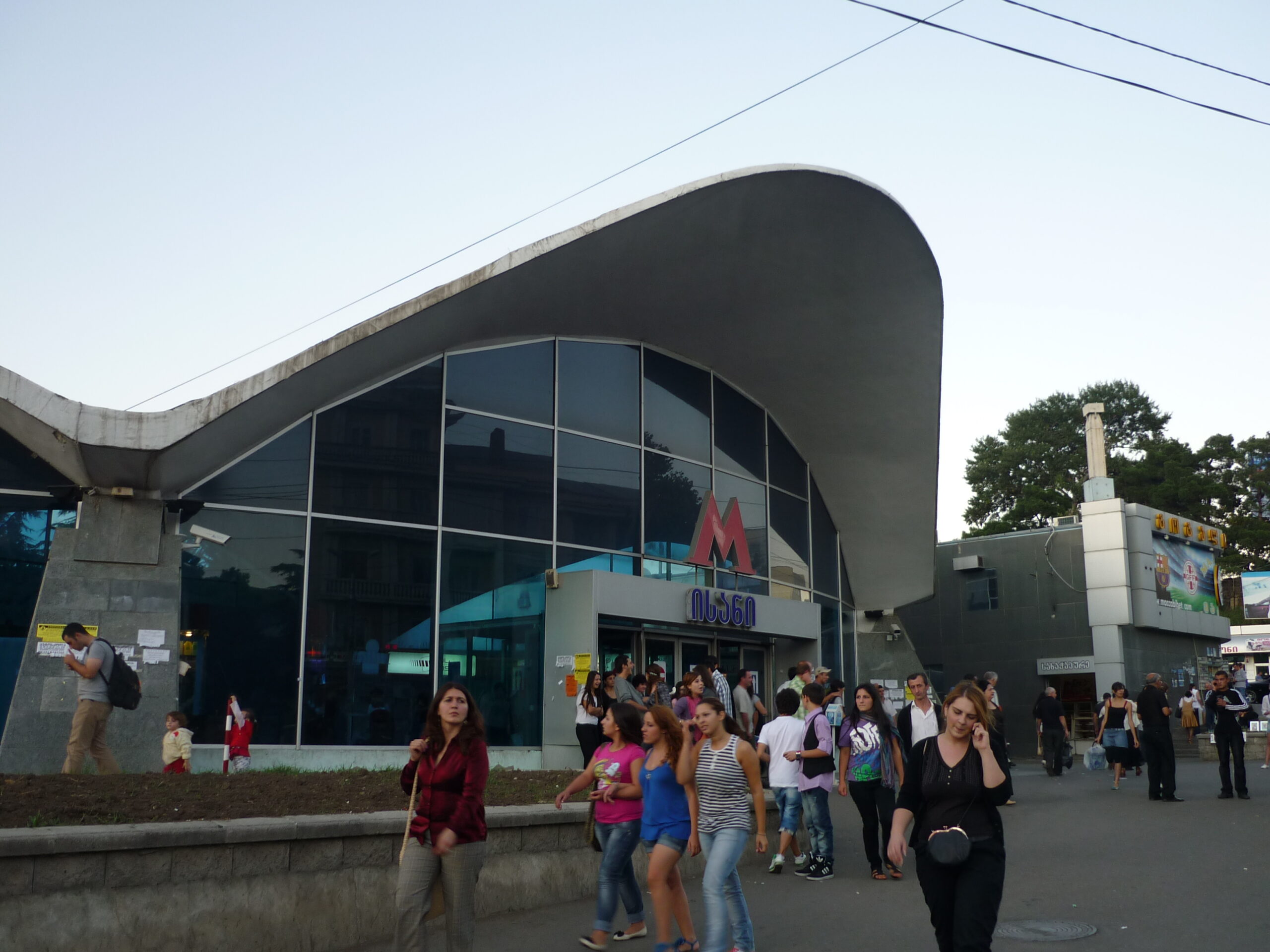
Tbilisi can be convenient if your apartment is placed well. The metro is useful along its lines, taxis and ride-hailing are common, and many central neighborhoods have cafes, supermarkets, pharmacies, and services nearby. But the map can mislead you. Hills, traffic, broken sidewalks, underpasses, stairs, heat, winter weather, and street crossings can turn a short distance into a tiring routine.
Before committing, test the ordinary loop: supermarket, pharmacy, metro stop, taxi pickup, clinic, ATM, phone shop, laundry, cafe or coworking space, and the route home in the evening. If walking is part of your retirement or health plan, do not choose by neighborhood name alone. Choose by the exact hill, stair, sidewalk, and road-crossing reality around the apartment.
Safety and everyday comfort
Georgia is often comfortable for ordinary city life, but the safety check should be specific. The U.S. State Department and UK FCDO guidance both point travelers toward current official risk information, and they warn against travel to or near occupied/breakaway regions. That is separate from daily Tbilisi life, but it matters for anyone planning regional travel or assuming the whole country has the same risk profile.
Inside Tbilisi, the more common issues for a first stay are traffic, uneven walking surfaces, petty theft caution in crowded places, nightlife overconfidence, apartment-quality surprises, language misunderstandings, and not having a backup plan if phone, cards, or documents go missing. Normal precautions are enough for many people, but a good first month still needs backup cards, passport copies, clinic contacts, and a way to recover accounts if your phone fails.
Money and documents backup: Before testing a longer non-Schengen base, build a simple money-and-documents backup system so cards, passport copies, phone recovery, medical notes, and emergency contacts are not scattered if a travel day or apartment problem gets awkward.
Who should avoid Tbilisi
Skip Tbilisi as a first base if you need a beach, tropical weather, flat walking, easy English in every errand, or strong medical familiarity. Also be cautious if winter affects your mood or mobility, if hills and stairs are a serious problem, or if you dislike navigating unfamiliar scripts and bureaucratic uncertainty.
Tbilisi may also be the wrong answer if your only reason for considering it is the 365-day rule. Time flexibility is valuable, but it should support a place that actually fits your ordinary week. If the city itself does not work, the longer clock only gives you more time in the wrong base.
Best way to test Tbilisi
Book one month in a practical district, not the prettiest apartment you can find. Spend the first week solving normal logistics: SIM, groceries, pharmacy, transport, apartment heating or cooling, laundry, clinic research, ATM routine, and translation-app friction. Spend the second week repeating normal life. Spend the third week testing neighborhoods you might actually live in. By week four, compare your real routine against two alternatives.
Those alternatives should include one Schengen city and one other non-Schengen or easier-timing base. Tirana may be simpler for some Europe-focused readers. Sarande may be cheaper and coastal but less useful medically. Chania or Split may feel more familiar and coastal but use Schengen days. Cebu City and Da Nang may offer different Southeast Asia tradeoffs. Tbilisi should win because the city works, not only because the calendar is generous.
Worksheet shortcut: If Tbilisi is one of several possible non-Schengen or Europe-adjacent bases, the Destination Shortlist Kit is the worksheet version of this decision. Use it to compare Tbilisi against two or three alternatives before you commit a longer stay.
Bottom line
Tbilisi is a strong candidate for Americans who want a lower-cost, non-Schengen city base with character, cafe life, taxis, metro access, long-stay flexibility, and a very different feel from Western Europe. It is weaker for people who need easy English, flat sidewalks, medical depth, warm winters, or a highly predictable newcomer housing market.
If you can handle language friction, hills, winter, apartment due diligence, and healthcare planning, Tbilisi deserves a real test. If those sound like stressors rather than manageable tradeoffs, treat Georgia as an interesting visit and keep looking for a first base with lower daily-life friction.
For a different non-Schengen city-base tradeoff, compare Tbilisi with this Tirana city-base guide for housing, services, and day-to-day friction.
References
- U.S. State Department: Georgia country information
- U.S. State Department: Georgia travel advisory
- U.S. Embassy in Georgia: U.S. citizen services
- U.S. Embassy in Georgia: medical assistance
- Georgia e-Visa portal
- Geoconsul: Georgian visa information
- Numbeo: Cost of Living in Tbilisi
- Expatistan: Cost of Living in Tbilisi
- Nomads.com: Cost of Living in Tbilisi
- PB Services Georgia: Cost of living in Georgia 2026
- UK FCDO: Georgia travel advice
Already considering Tbilisi for a longer stay? Use this ordinary-week companion to test the errands, transit, weather, and public-space rhythm before committing.