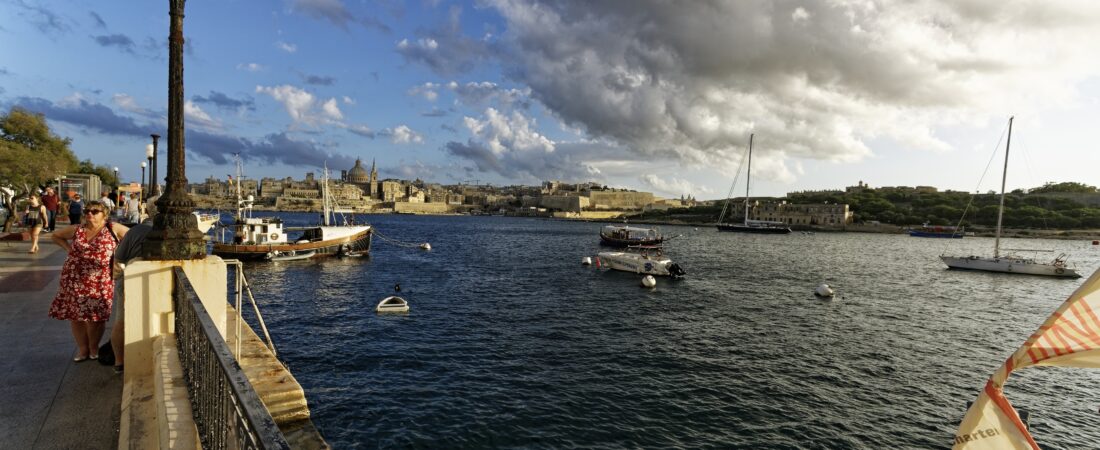
Valletta and Sliema are Malta’s most obvious first-look pairing for Americans who want English-friendly Mediterranean living without starting in a huge European city. Valletta gives you the historic capital, government offices, ferry connections, steep streets, cultural life, and a compact center. Sliema gives you waterfront apartments, shops, restaurants, buses, ferries, expat familiarity, and easier everyday services for many newcomers.
That combination can be unusually approachable. English is widely usable, Malta is compact, the airport is close by global standards, and the sea is part of normal life rather than a distant weekend plan. But approachable does not mean cheap or effortless. Furnished housing in Sliema and nearby coastal areas can be expensive, summer can feel crowded and hot, older buildings can have stairs and noise, and Malta sits inside the Schengen Area. It works best when you want convenience and English ease enough to accept the island’s density and cost pressure.
Quick answer: Valletta and Sliema can make sense for Americans who want a compact, English-friendly Mediterranean base with ferries, buses, cafes, private clinics, shops, waterfront routines, and easy airport access. It is a weak fit if your main priority is low rent, quiet streets in summer, roomy housing, easy parking, or a long stay beyond Schengen’s 90/180-day rule. For a solo test stay, plan roughly $2,400 to $4,600 a month depending on furnished housing, season, neighborhood, transport, healthcare cushion, and dining habits.
Who Valletta and Sliema are best for
This pair is best for Americans who want Europe to feel logistically manageable on day one. You want to ask questions in English, get around without a car at least part of the time, keep the airport close, use private clinics and pharmacies, and spend ordinary weeks near the sea without feeling isolated. You are not trying to disappear into a quiet village. You want services close enough that a first month can answer practical questions quickly.
Valletta is the more atmospheric choice. It is beautiful, historic, walkable in a compact sense, and useful for ferries, restaurants, events, and cultural life. It can also be steep, stone-heavy, touristy, and less convenient for larger apartments. Sliema and nearby Gzira or St. Julian’s are often easier for daily services, waterfront walks, supermarkets, buses, restaurants, and furnished rentals, though they can feel dense and more expensive.
Compare it in the dashboard: Valletta/Sliema is now linked in the City Fit Dashboard, where you can compare it against Chania, Split, Lisbon, Porto, Malaga, Palermo, Bari, Tirana, Sarande, Cebu City, Sanur, and non-European bases by budget, healthcare comfort, airport access, walkability, internet, stay-rule friction, and daily-life ease.
Monthly budget reality
Malta is easy to underestimate because it is small. Small does not mean low-cost when the most useful newcomer areas are coastal, central, and in demand. Expatistan’s Valletta page and Numbeo’s Malta country page both support using Malta as a moderate-to-expensive Mediterranean planning case rather than a bargain destination. MyRent Malta’s 2026 cost context also points to the same practical issue: location and housing standard drive the budget more than groceries or basic transport.
Use these first-pass planning bands:
- Lean solo test: about $2,200 to $2,800 a month if you travel outside peak season, accept a modest furnished place, cook often, use buses and ferries, and keep restaurant spending controlled.
- Comfortable solo stay: about $3,000 to $4,600 a month for a better apartment, more restaurants, private medical cushion, taxis when buses are slow, and fewer housing compromises.
- Comfortable couple stay: about $4,400 to $6,500 a month if you want stronger apartment quality, better location, more dining out, transport flexibility, and a realistic healthcare and travel buffer.
The biggest budget mistake is treating Malta-wide averages as if they describe a furnished apartment in Sliema, Valletta, Gzira, St. Julian’s, or a well-served central area. Price the exact stay you can book. Then add electricity and air conditioning, building fees if relevant, internet, laundry, ferries, buses, taxis, restaurant habits, prescriptions, clinic visits, and a buffer for summer or shoulder-season pricing.
Housing and neighborhood fit
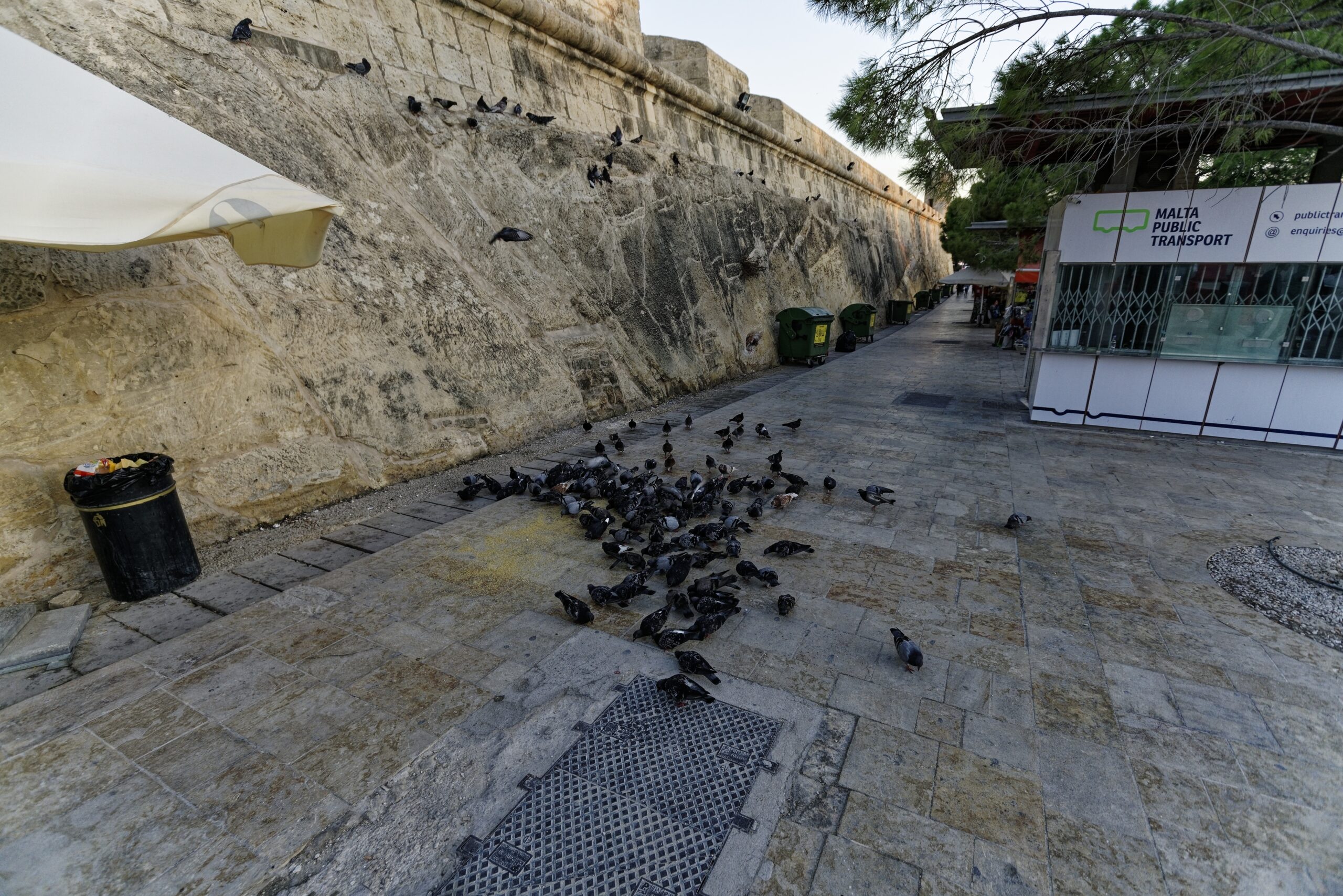
For a first stay, compare Valletta, Sliema, Gzira, St. Julian’s, Msida, Ta’ Xbiex, Floriana, and quieter nearby pockets instead of choosing from photos alone. Valletta gives the strongest capital atmosphere but may mean smaller units, older buildings, stairs, tourist foot traffic, and a less residential feel. Sliema is practical for waterfront routines, shops, restaurants, ferries, and buses, but desirable areas can be pricey and dense. Gzira and Msida may lower the price slightly while keeping services close, but street feel and building quality vary.
Ask boring questions before paying: elevator or stairs, air conditioning costs, humidity, winter dampness, street noise, construction noise, trash routines, water pressure, internet provider, laundry, grocery route, bus stop, ferry access, and night route. A nice Malta apartment can still be a poor longer-stay fit if it is noisy, hard to cool, awkward for errands, or too dependent on taxis.
Healthcare and prescriptions
Malta’s healthcare comfort is one reason it belongs on a serious shortlist. The U.S. Embassy in Malta maintains citizen-services and medical-assistance information, and Malta has public and private healthcare options, pharmacies, and clinics that are easier to research from English than in many countries. That said, a small island is not the same as a large medical metro. If you need a narrow specialist, a specific prescription, or emergency depth, confirm the plan before treating Sliema or Valletta as your default base.
For an ordinary test stay, identify a private clinic or hospital you would use, bring generic medication names, carry prescription documentation, and verify whether your insurance pays directly or reimburses later. Do not assume the exact U.S. brand, dose, or refill rhythm will be available just because English is easy.
Healthcare planning shortcut: If Malta is appealing because it feels medically easier than lower-cost destinations, the Medical Prep Abroad Kit is the worksheet version of the pre-trip health check: prescriptions, records, insurance questions, emergency contacts, and clinic backup.
Schengen timing and stay rules
For Americans planning a simple short stay, Malta is part of the Schengen Area. The U.S. State Department’s Europe guidance and the European Commission short-stay calculator explain the basic rule most travelers need to count: up to 90 days in any 180-day period across the Schengen Area. Malta, Spain, Portugal, Italy, Greece, Croatia, and many other popular European bases share that same short-stay clock.
Do not treat Malta’s English ease as permission to improvise a longer stay. If you want more than a normal test period, use official Malta Identita and Central Visa Unit information and verify the current legal route before booking housing. A three-month Malta stay can be simple to understand; a six-month Europe plan needs calendar discipline and a real stay-rule strategy.
Transport, airport, and daily errands
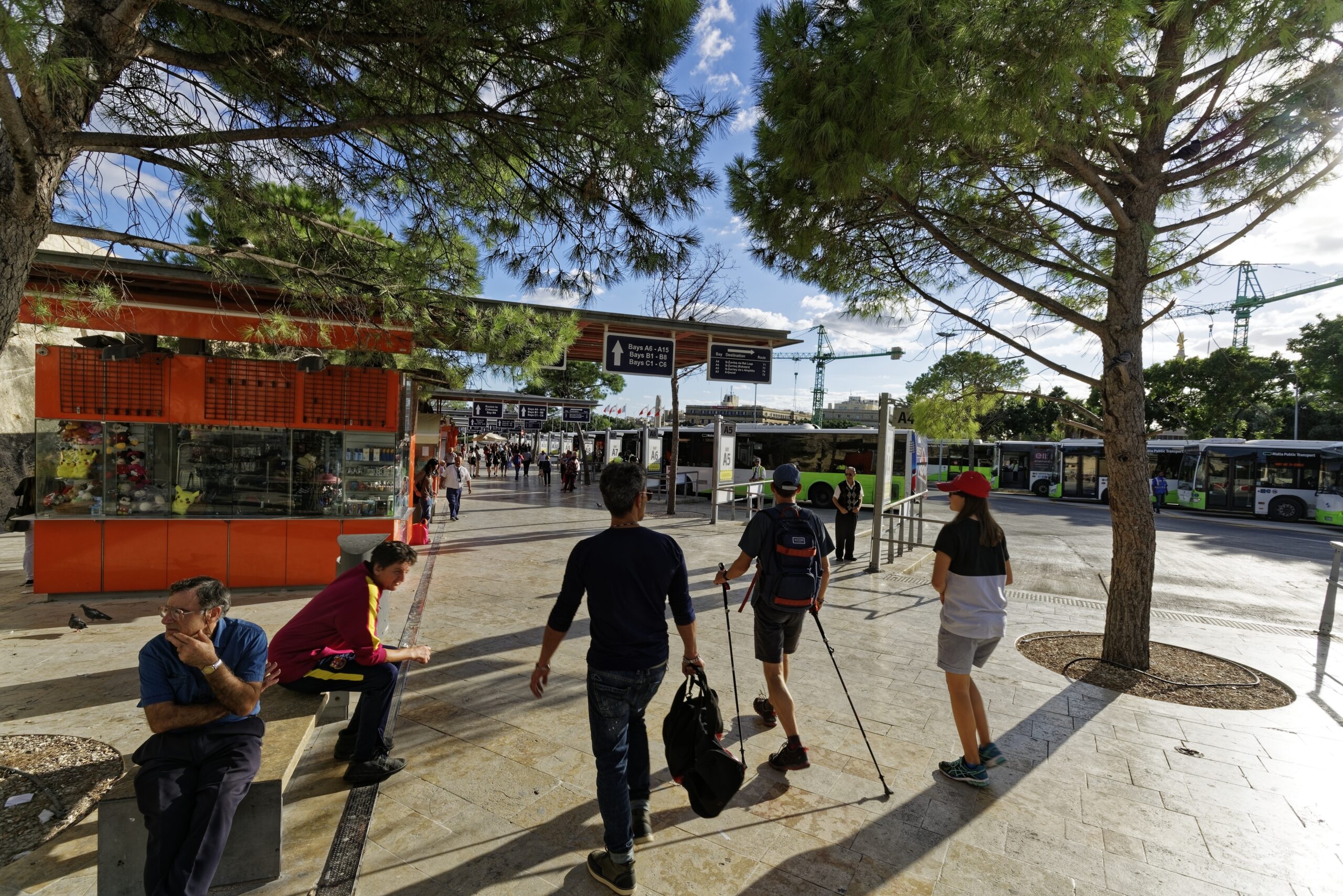
Valletta and Sliema are strongest when your daily radius works. Ferries between Valletta, Sliema, and the Three Cities can make the harbor feel connected. Buses reach much of the island, and the airport is close compared with many international bases. But traffic, wait times, heat, hills, and crowding can turn a small map into a slower day than expected.
Test the real errands: supermarket, pharmacy, clinic, bank or ATM, post office, dentist, bus stop, ferry point, and the walk home at night. If you plan to avoid a car, make sure your apartment works when it is hot, rainy, windy, crowded, or you are carrying groceries. If you plan to use taxis, budget for them honestly.
Safety and everyday comfort
Malta is generally a lower-drama destination for many Americans, and the U.S. State Department advisory context is much calmer than many places in the broader destination queue. That should not make you careless. The more likely problems are petty theft around crowded areas, tourist-zone pricing, noisy apartments, summer heat, traffic, construction, slippery stone streets, stairs, and underestimating how dense a small island can feel.
A good first month includes ordinary safeguards: keep backup cards and passport copies, know where you would get medical help, avoid leaving valuables loose at beaches or cafes, choose housing with a sensible route home, and check a neighborhood at different times of day. Malta does not need to be made scary. It just needs to be evaluated as a real place to live, not a postcard.
Money and documents backup: Before testing an island Schengen base, build a simple money-and-documents backup system so cards, passport copies, phone recovery, medical notes, and emergency contacts are not scattered if a travel day or apartment problem gets awkward.
Who should avoid Valletta and Sliema
Skip Valletta/Sliema as a first base if you need the lowest possible European rent, a quiet low-density routine, easy parking, roomy housing, or a simple path to stay long beyond 90 Schengen days. Also be cautious if heat, construction noise, stairs, traffic, crowded waterfronts, or tourist pressure would make normal life feel tense.
Malta may also be wrong if your main goal is lower-cost Europe. Tirana, Sarande, some smaller Spanish or Portuguese cities, and several Southeast Asia bases can be easier on the monthly budget. Valletta/Sliema should win because English ease, compact services, healthcare comfort, airport access, and Mediterranean island life matter enough to justify the cost.
Best way to test Malta
Book a month outside the most intense summer window if you can. Spend ordinary weekdays doing grocery runs, bus and ferry trips, pharmacy checks, clinic research, laundry, and budget tracking. Test the apartment for noise, cooling, humidity, internet, stairs, construction, trash routines, and night access. Walk the waterfront and historic streets, but do not let the sea view make the whole decision.
Then compare Malta against at least two alternatives: one larger European city with deeper services and one lower-cost or non-Schengen base. Split may feel more Adriatic and less English-forward. Chania may be slower but more seasonal. Lisbon or Malaga may offer a bigger mainland city structure. Tirana or Sarande may be cheaper and outside Schengen, with different healthcare and infrastructure tradeoffs. Valletta/Sliema should win because the compact English-friendly routine still works after the practical checks.
Worksheet shortcut: If Malta is one of several Mediterranean bases on your shortlist, the Destination Shortlist Kit is the worksheet version of this decision. Use it to compare Valletta/Sliema against two or three alternatives before you commit Schengen days and housing money.
Bottom line
Valletta and Sliema are strong test bases for Americans who want a compact, English-friendly Mediterranean setup with historic streets, waterfront routines, ferries, buses, clinics, pharmacies, restaurants, airport access, and enough services to make a one- to three-month stay feel realistic. They are weaker for people who need bargain rent, spacious housing, quiet streets, or easy long-stay permission.
If you can manage Schengen timing, pay for the right housing, tolerate island density, and choose a neighborhood for normal life rather than vacation mood, Malta deserves a serious test. If those tradeoffs feel too expensive or too crowded, treat Valletta and Sliema as a useful visit and keep looking for a first base with lower everyday friction.
References
- U.S. State Department: Malta country information
- U.S. State Department: Malta travel advisory
- U.S. State Department: U.S. travelers in Europe
- European Commission: Schengen short-stay calculator
- U.S. Embassy in Malta: U.S. citizen services
- U.S. Embassy in Malta: medical assistance
- Identita Malta: Central Visa Unit fees and applications
- UK FCDO: Malta travel advice
- Visit Malta: Valletta
- Expatistan: Cost of Living in Valletta
- Numbeo: Cost of Living in Malta
- MyRent Malta: 2026 cost-of-living context
Testing Valletta–Sliema as a longer base? Use this ordinary-week Malta companion to test ferries, errands, culture, and the cross-harbour rhythm.