
Porto can make sense for an American who wants Portugal without choosing the scale, pace, and capital-city pressure of Lisbon. It is a real working city: compact enough for ordinary routines, connected enough for a short flight or a European connection, and full of neighborhoods that reward walking rather than treating every errand as a car trip.
That does not make Porto an automatic affordable alternative. A furnished exploratory stay can be much more expensive than a local long-term lease, housing quality varies, and a handsome old building may also mean dampness, weak heating, stairs, or street noise. The useful question is not whether Porto is cheaper than Lisbon in the abstract. It is whether the particular apartment, season, mobility needs, and daily rhythm work for you.
Quick answer: Porto is a strong Portugal option for someone who values a compact city, walkable routines, transit, and airport access more than guaranteed sunshine or a friction-free English-speaking experience. Treat the City Fit Dashboard’s current cost range as a planning prompt rather than a rent quote, then price your actual dates and address. Porto is a weaker fit if hills, winter rain, cold or damp housing, or rental uncertainty would make daily life difficult.
Why Porto appeals to a practical first-time Portugal planner
Porto offers a useful middle ground. It has more city infrastructure and fallback options than a small coastal town, while often feeling less sprawling and less capital-centered than Lisbon. That matters when the plan is a one- to three-month test rather than a vacation. You can build a normal routine around groceries, a pharmacy, a café, transit, a neighborhood walk, and an airport connection without pretending that a postcard view is the whole decision.
Compare the tradeoffs: Porto is included in the City Fit Dashboard. Put it beside Lisbon, Malaga, Valencia, Alicante, and other city bases to compare housing practicality, mobility, healthcare planning, airport access, climate, and language friction. A score is a starting point, not a substitute for checking the address where you would actually live.
Budget and housing: separate the test stay from the future lease
Start with an honest all-in budget, not a single rent screenshot. A short furnished stay may include a premium for flexibility, utilities, furniture, cleaning, and high-demand dates. A local lease may look lower but involve a different commitment, paperwork, furnishing needs, deposit, and eligibility questions. Neither number proves what your own move will cost.
Before booking, compare several dates and ask what the price includes. Check the bedroom rather than only the living-room photo. Ask about heating, insulation, humidity, elevator access, laundry, internet, street noise, and the exact length of availability. Then map the route to a supermarket, pharmacy, transit stop, and the places you will use on an ordinary rainy weekday. A lower nightly price can be expensive if the apartment is uncomfortable, isolated, or requires taxis for every errand.
- For a short test: prioritize a flexible, legal-feeling furnished stay with a clear total price and a realistic location.
- For a longer base: confirm the tenancy process, required documents, deposit, utilities, and your ability to stay before treating a listing as available to you.
- For every stay: keep a housing buffer. Do not build the plan around one unusually cheap listing.
Walkability is real, but hills and rain are part of the deal
Porto can feel wonderfully compact when your neighborhood, errands, and preferred transit line line up. It can feel much less easy when a route is steep, the pavement is wet, you are carrying groceries, or the apartment has several flights of stairs. This is not a minor lifestyle detail for someone with joint pain, limited balance, a stroller, heavy bags, or a need for predictable mobility.
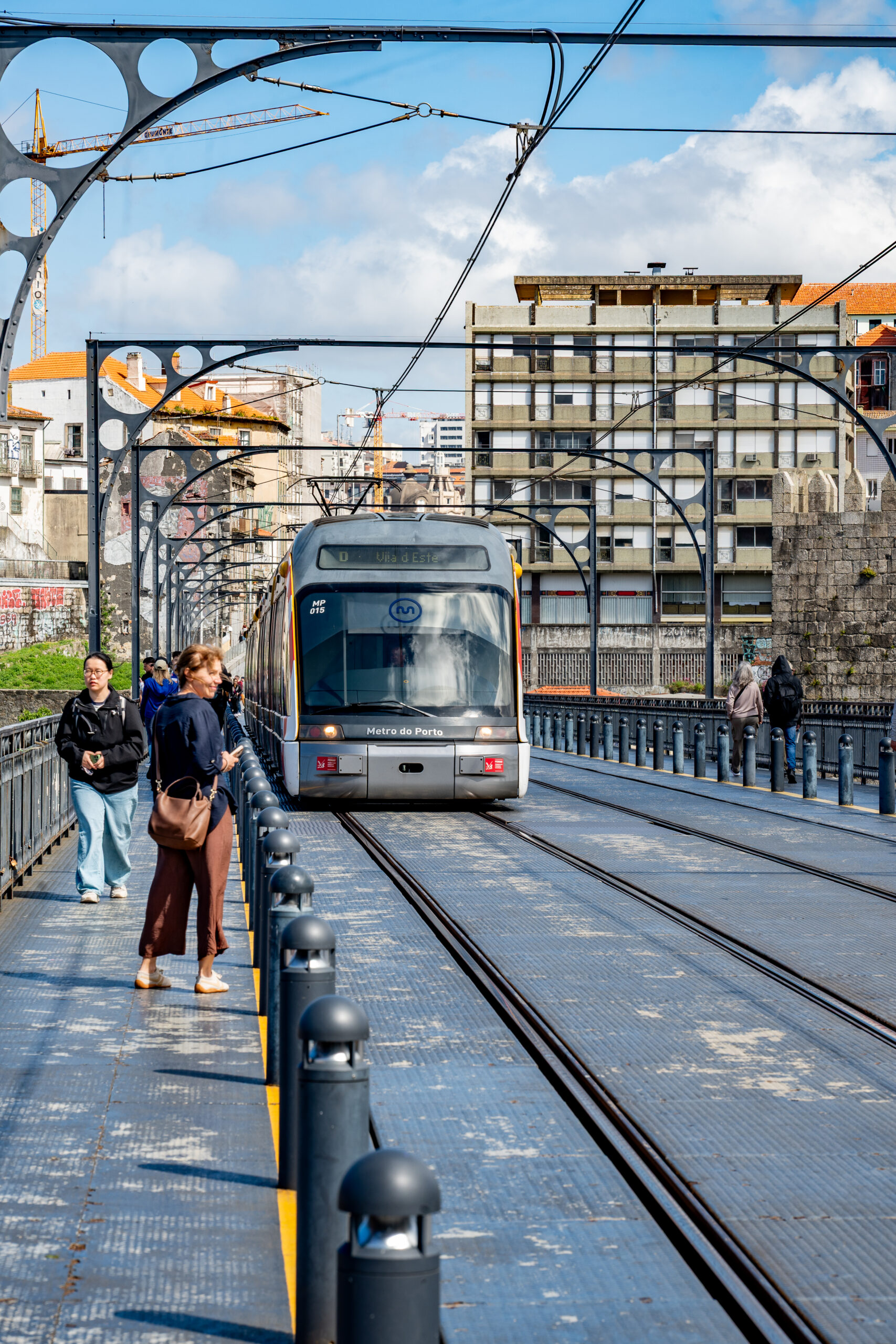
Do the unglamorous test on the ground. Walk the home-to-grocery route with a bag. Try it after dark and in wet weather if possible. Check whether the building has an elevator and whether the nearest stop actually serves the journeys you need. The Metro do Porto is the primary source for current network context, but its map cannot tell you whether a particular hill, stairway, or transfer feels workable for your body and schedule.
Healthcare and prescriptions: make a personal plan before you need one
Porto has city-scale services, but a visitor should not assume that a clinic, insurer, public-system pathway, or prescription refill will work the same way it does at home. Check your insurance, ask what it covers outside the United States, carry a concise medical summary, and keep enough lawful medication for the early part of the trip. Use generic medicine names as well as brand names, and know what you would do if a bag is delayed or a refill becomes urgent.
If healthcare planning is a major factor in your choice, the Medical Prep Abroad Kit can help organize records, medication details, insurance questions, and an emergency backup plan. It is a worksheet, not medical advice. Your own clinician, insurer, and the appropriate Portuguese provider should answer questions about your circumstances.
Airport and transit make Porto easier to test than a remote base
Porto’s airport and urban transit are practical advantages. They reduce the effort of arriving with luggage, taking an exploratory trip, or connecting onward in Europe. They do not eliminate the need to choose a workable neighborhood. A city can have a good system while a specific apartment still requires a difficult transfer, a steep walk, or a late-night taxi.
That distinction is why Porto can be more forgiving than a beautiful but isolated town for a first Portugal test. There are more options when a rental falls through, a medical need arises, or you simply discover that the first neighborhood is not your fit. The tradeoff is that housing competition and city friction come with that convenience.

Entry rules and a longer stay are separate questions
Portugal is part of the Schengen area. U.S. readers should verify their current travel conditions, passport requirements, and prior Schengen travel before booking a nonrefundable stay. The European Union’s travel guidance is the right starting point for current official information; do not rely on old forum posts or assume a short visit creates a long-stay right.
If you may want to remain longer, research the appropriate residence or visa route before arrival. Requirements can change and depend on your situation. A good exploratory month can help you decide whether Porto fits, but it should not be used as a substitute for immigration planning.
Language, weather, and the rhythm you are actually choosing
Tourist-facing parts of Porto can feel accessible to an English-speaking visitor, but Portuguese helps with housing, public offices, delivery problems, medical details, and the small interactions that make a place feel like home. A few basic phrases, translated medical information, and patience will go further than expecting every important conversation to be effortless.
The climate tradeoff deserves the same honesty. A river-and-coast city can be appealingly temperate, but Porto is cooler and wetter than many southern European options. That can be a relief to someone who dislikes intense summer heat. It can also be a poor fit if you need bright, dry weather to stay active or if a chilly, damp apartment would wear you down. Test the season you expect to live in, not only the one that looks best in photos.
Who should consider Porto, and who should look elsewhere
Porto is worth a close look for a reader who wants Portugal with city services, walkability, culture, and airport access, while accepting a smaller-city feel than Lisbon. It is particularly sensible for someone willing to run a practical trial: inspect housing, use transit, test rainy-day routines, and learn whether the hills are a manageable feature or a daily problem.
Look harder at Lisbon if you need maximum capital-city depth and are prepared for more housing pressure. Look at a different Portugal or southern Europe option if your comfort depends on drier winters, flatter routes, easier English-only transactions, or reliably low furnished rent. The aim is not to find the universally best city. It is to find the city whose tradeoffs you can live with.
For broader Portugal context, start with our guide to slower, more affordable Portugal bases, then use the Destination Shortlist Kit to narrow your own non-negotiables. One grounded test stay with ordinary errands is more valuable than months of idealized browsing.
References
- European Union: Travelling in the EU
- Metro do Porto: network context
- Porto City Council: city notices and context
- Settling Abroad: Portugal city comparison
- Settling Abroad: City Fit Dashboard
Considering Porto specifically? Use this ordinary-week Porto companion to test the neighborhood, errand, transit, and waterfront rhythm.