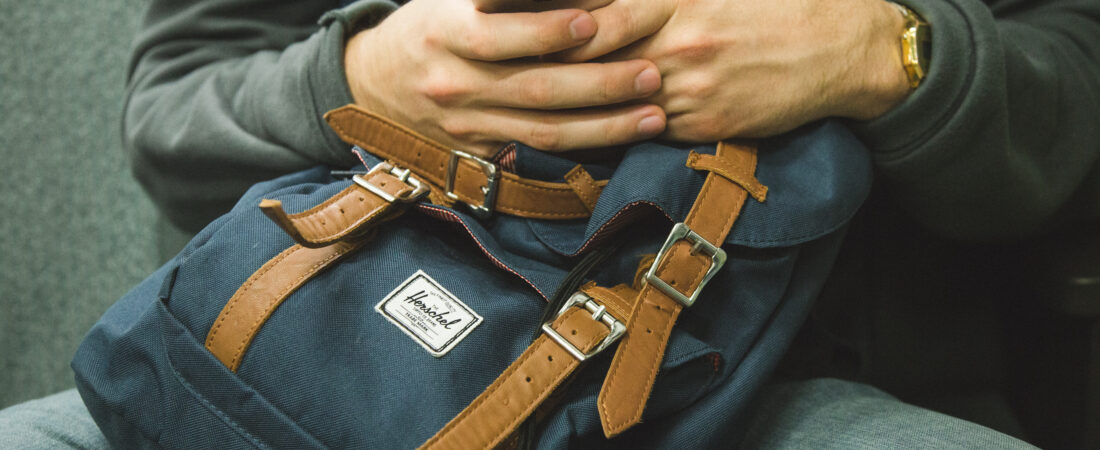
A good everyday carry setup is less about looking prepared and more about making the boring parts of the day work. If your phone, wallet, documents, water, charger, and one or two backup items are easy to reach, an ordinary day abroad gets much less annoying.
Longer stays change the job of a day bag. You are not just carrying sightseeing extras. You are carrying the things that keep transit days, errands, apartment keys, payment hiccups, and random bureaucracy from turning into a scavenger hunt.
The best setup is usually smaller and calmer than people expect. You need a bag that can live with you for hours without getting heavy, plus a repeatable logic for what stays inside and what never should.
Treat everyday carry like a daily operating system
For a one-week vacation, you can get away with improvising. For a month or three abroad, the same little decisions repeat over and over: where the passport copy lives, where the apartment keys go, where the card backup stays, what happens if your phone battery drops faster than expected. Everyday carry is the system that catches those decisions before they multiply.
That is why I would build a day-bag setup around friction, not aesthetics. If it saves you from digging, double-checking, or re-buying something while tired, it is doing its job. If it mostly exists to signal that you own niche gear, it is probably too much.
Start with the situations that usually go sideways
- A long transit leg where your phone battery matters more than you expected.
- An errand day where you need ID, one payment backup, and the apartment address without unpacking half your bag.
- A café or coworking stop where you need a cable, earbuds, or a notebook without dragging your whole packing system around.
- A wet day, hot day, or unexpectedly long walking day where comfort starts to matter as much as organization.
If your bag covers those moments cleanly, you are already most of the way there. That is a much more useful standard than trying to copy somebody else’s internet-famous pocket dump.
Keep the bag boring enough to use every day
The best day bag is the one you actually want to carry to the grocery store, the train station, and a long lunch on the same day. That usually means moderate size, easy access, and not too many compartments pretending to be clever. If the bag is too structured, it becomes dead weight. If it is one giant hole, your life drifts into chaos.
I like a setup where one pocket is for fast-grab items, one zip section is for admin or valuables, and the main space holds the larger daily layer like a light sweater, water bottle, or compact tech pouch. That is enough structure for real life without needing a map of your own bag.
Decide what stays on your body and what stays in the bag
This split matters. The bag is not the same thing as your absolutely-critical layer. Some items belong in a pocket, waist pouch, or whatever stays with you even if you set the bag down. Usually that means your phone, primary payment method, apartment keys, and the smallest version of your identity logic. The bag can carry the rest: battery bank, backup card, notebook, tissues, sunglasses, medication dose for the day, and the bits that make an ordinary outing smoother.
Once you separate those two layers, you stop making the classic mistake of letting one bag hold every single thing that matters. That feels tidy right up until you leave it under a café chair or in an overhead bin.
What usually earns a permanent spot
- Phone and charging cable that actually works
- Small battery bank if you rely on maps, messaging, or mobile boarding passes
- Compact wallet with primary card, one backup option, and only the ID you actually need that day
- Apartment address, host contact, or local destination details offline
- Water and one light comfort layer if you tend to stay out longer than planned
- One pen, because forms and front desks still exist no matter how digital a trip sounds online
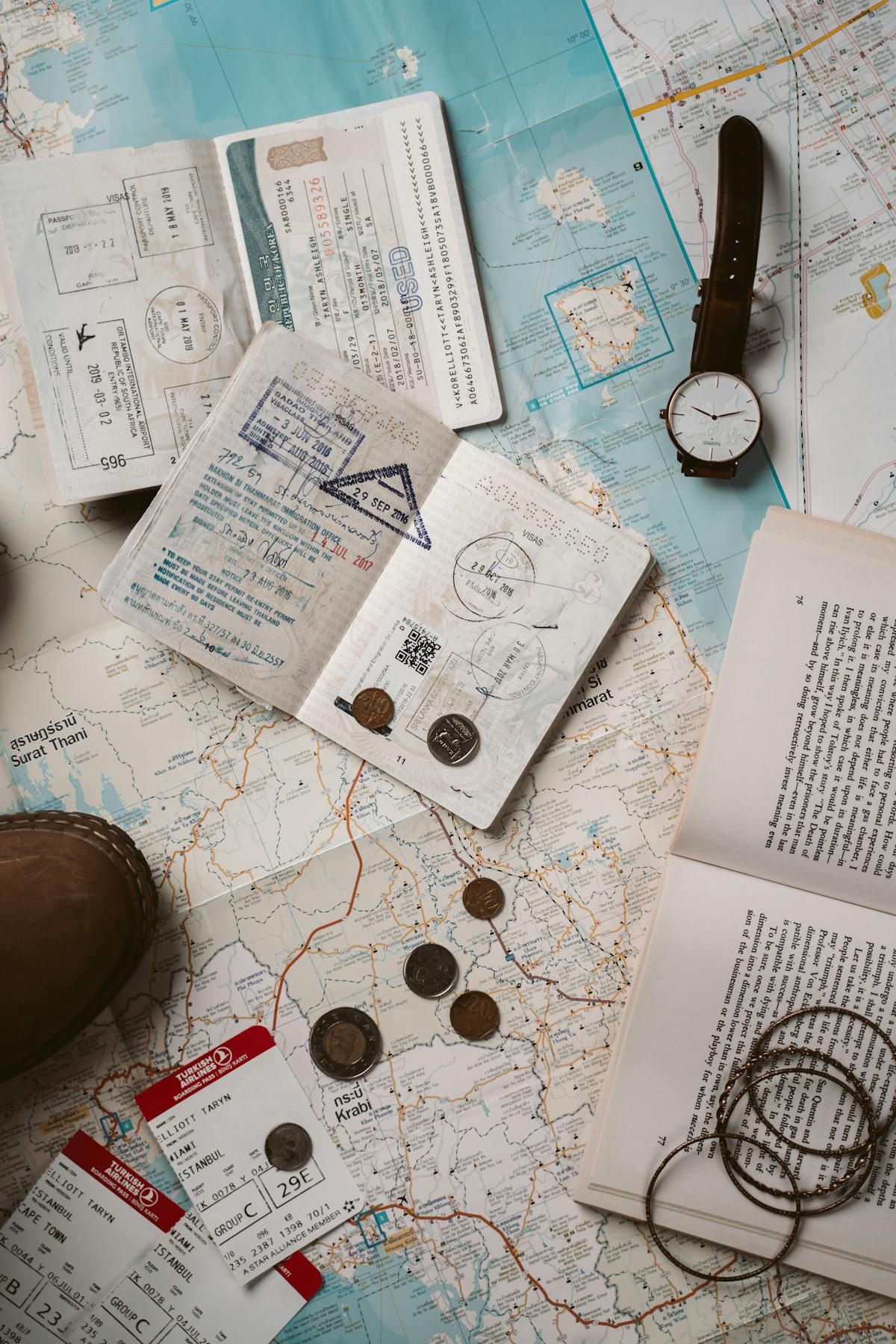
Keep paper and digital backups from drifting apart
A lot of carry setups fail because the physical and digital versions of important information are stored randomly. If your phone dies, can you still find the apartment? If your wallet disappears, do you know which number to call? If you get asked for a confirmation number at the worst possible moment, do you know where it lives?
This is where a simple link between your day bag and your broader travel admin really helps. Keep one tiny paper backup card or folded note with only what matters most, then make sure the digital copies on your phone match the same logic. It should be boring enough that a tired version of you can use it without thinking.
Reset the bag at the end of the day
The smartest everyday carry habit is not what you buy. It is the two-minute reset when you get back. Charge the battery bank if needed. Put the key back in the same place. Refill the tissues. Remove receipts. Put the backup card back where it belongs if you used it. That little ritual prevents tomorrow from starting messy.
This is also when you notice what is dead weight. If something keeps riding along without being useful, take it out. Good everyday carry gets lighter with repetition, not heavier.
A realistic everyday carry loadout
For most readers of this site, a sensible everyday carry setup is probably one compact bag, one small admin pouch or zip section, phone, wallet, keys, cable, battery bank, earbuds, tissues, water, and maybe a light layer. Add specific medical or work items if your days require them. That is enough for normal life abroad. You do not need to pack like you are preparing for a documentary crew and a mountain rescue at the same time.
What to skip
Skip bulky organizers full of “just in case” gadgets, huge notebooks you never open, and duplicate everything logic. Everyday carry should support mobility, not punish it. If the bag makes you constantly want to take it off, rearrange it, or leave it behind, the system is wrong.
If you want to tighten the larger system around this bag, read How to Choose Luggage for Long-Stay Travel, Not Short Vacations, Money Access Backup Plan for Longer Travel, and Medication and Document Organization for a Long-Stay Trip. The everyday-carry layer works best when the larger trip system is already calm.