
Chania can make a long stay look effortless at first. The harbor, compact old town, and easy access to beaches create a strong holiday rhythm. That is exactly why a longer-stay trial needs a little more structure. The useful question is not whether the waterfront is pleasant. It is whether an ordinary Tuesday still works after the novelty wears off.
Start by choosing a small daily radius. Pick one grocery route, one coffee or work stop, one walking loop, and one practical errand area that you can repeat without turning every task into a sightseeing day. A base does not need to be exciting at every hour. It needs to let you buy basics, recover from a poor night’s sleep, and get something done when the weather or crowds are less appealing.
Test the practical layer before you commit
Build a first-week checklist around the systems you will actually use. The Municipality of Chania publishes resident-service and office-access information, which is a useful reminder that municipal services do not run on a visitor’s timetable. Before assuming an apartment or neighborhood is a good fit, identify where routine errands would happen and note which offices or contacts you would need if a stay became more formal.
For arrival and regional movement, use the official KTEL timetable rather than a copied schedule in a blog post. Check it shortly before travel, then repeat the check after arrival if airport transfers or intercity trips matter to your plan. Timetables and seasonal service can change. The goal is not to memorize departures; it is to learn whether your preferred base still works when you need to reach the airport, visit another town, or change plans on short notice.
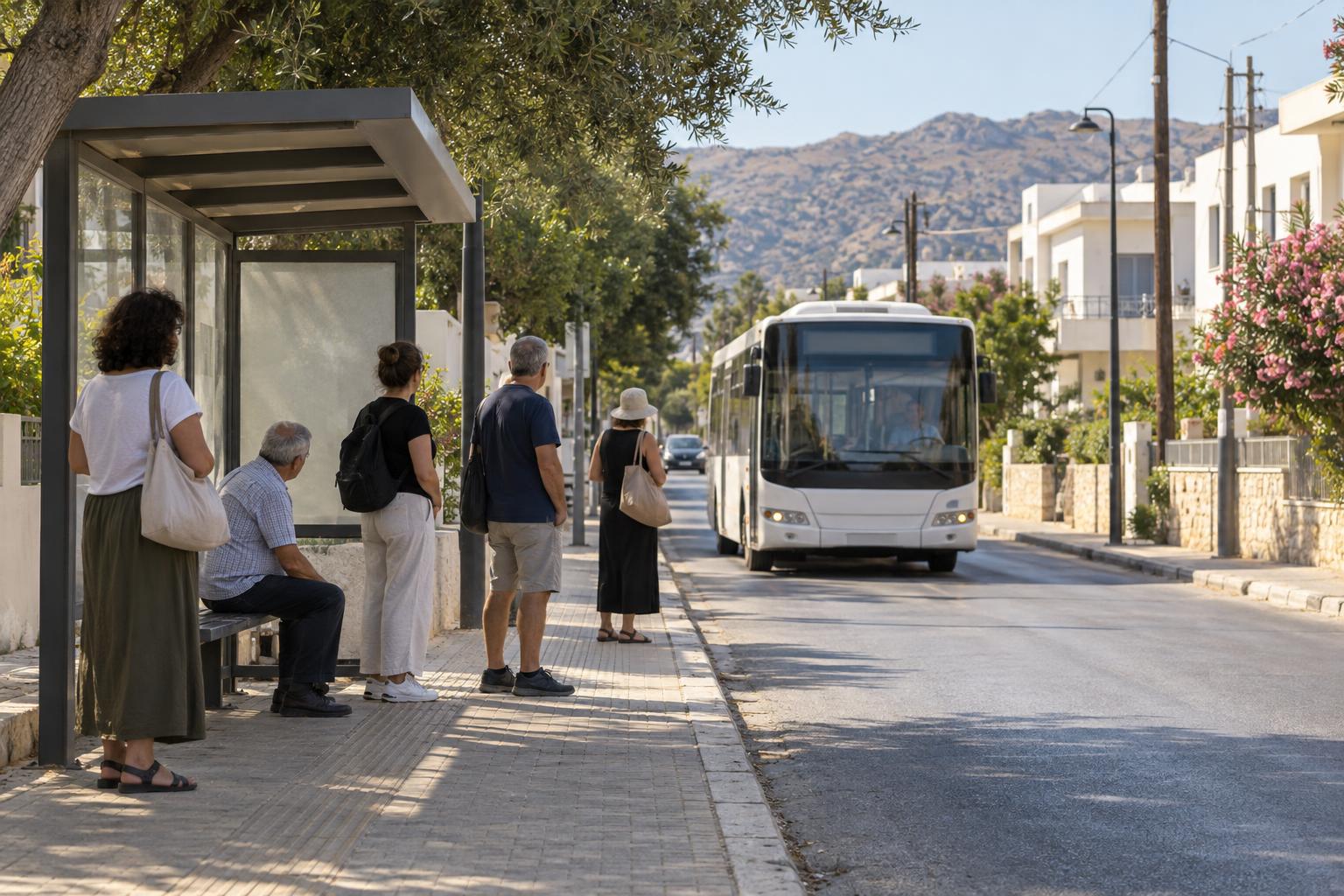
This is also where a holiday-area test can be misleading. A room beside the harbor may be ideal for a three-night visit but noisy, expensive, or inconvenient for a month. Spend part of your first week away from the most photogenic streets. Walk the route you would take for groceries, laundry, a pharmacy, and a quiet evening meal. Notice where shade, sidewalks, parking, and bus stops make ordinary life easier or harder.
Give the week one repeatable anchor
A longer stay benefits from one activity that is not dependent on perfect weather or a packed social calendar. The Archaeological Museum of Chania is a good example: it provides a cultural anchor that can turn a vague day into a planned one. Confirm current visitor details with the museum before going, since opening arrangements can change by season.
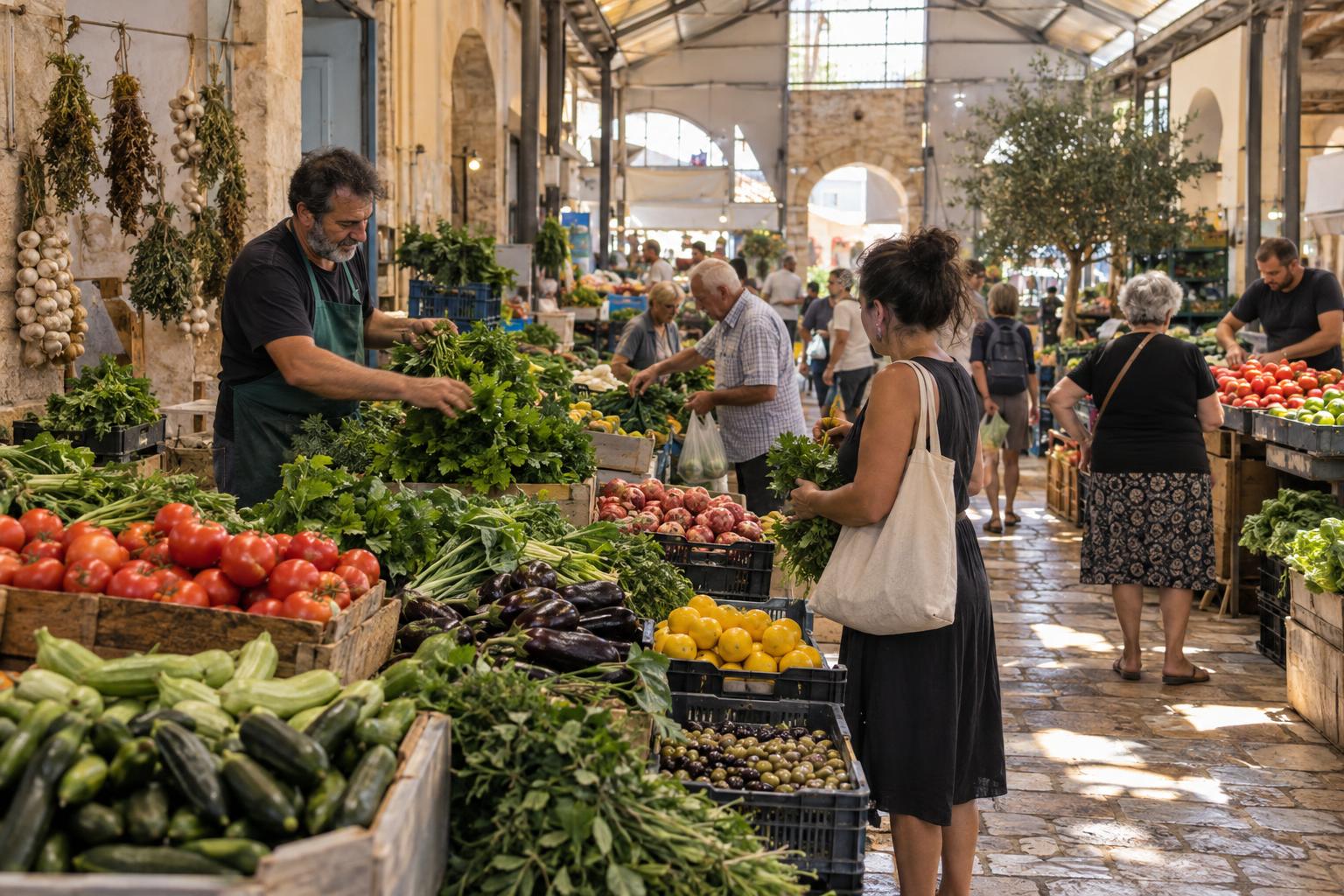
The broader lesson is to create a repeatable rhythm. One museum visit, a market run, a waterfront walk, and a regular work or reading stop can reveal more about fit than trying to see every beach in a single week. If the routine feels sustainable without a full sightseeing agenda, you have better evidence that the place may work as a base.
Watch the seasonal rhythm, not just the sunny days
Crete’s visitor rhythm can change the feel of the same neighborhood. In a first week, take notes at more than one time of day: early morning, the busiest evening period, and a quieter weekday. Ask whether the places you rely on are still comfortable when the harbor is busy, and whether the walk home feels manageable when you are carrying groceries or avoiding the strongest sun.
Keep the test deliberately ordinary. Cook one meal at home, make one unglamorous purchase, and take one unplanned rest day. Those small checks reveal whether you have built a routine around the actual neighborhood or only around the parts designed for visitors. If a rental looks perfect only when every meal is out and every walk is along the waterfront, it may not be the right base for the length of stay you have in mind.
Use a simple note after each day: what took less effort than expected, what required advance planning, and what you would change next week. This is especially helpful when comparing two areas. You do not need a full relocation spreadsheet to decide whether Chania deserves a longer test; you need enough evidence to tell the difference between a pleasant escape and a workable home rhythm.
Keep entry rules separate from neighborhood decisions
Do not let an appealing daily routine substitute for immigration planning. Greece’s Ministry of Foreign Affairs distinguishes visa routes and directs travelers to confirm the rules that apply to their nationality and purpose of stay. A short Schengen visit and a longer national-visa path are not interchangeable. Confirm requirements directly before booking a stay that depends on a particular length or status.
Treat the first trip as an information-gathering stay. Keep notes on costs, transport friction, crowd levels, noise, and which neighborhood supports your real habits. If a later move is realistic, those notes will be more useful than a generic list of must-see sights.
Considering Chania as a possible base? Start with the foundational Chania guide, then use the Destination Shortlist Kit to compare everyday routines before committing more Schengen days and housing money.
A low-friction first-week plan
- Day one: walk the routes between your lodging, groceries, and a quiet work or reading stop.
- Day two: check the official KTEL timetable and practice the airport or intercity route that matters most.
- Day three: do one municipal-style errand or service-area walk, even if you do not need an office visit.
- Day four: visit the museum or another indoor cultural anchor after confirming current visitor details.
- Day five onward: repeat the routines that felt easy and drop the ones that required too much planning.
Chania is worth testing slowly because its best feature for a longer stay may not be the harbor itself. It may be whether your chosen neighborhood still gives you a calm, repeatable week when you stop behaving like a visitor. That evidence is more useful than a perfect first impression.