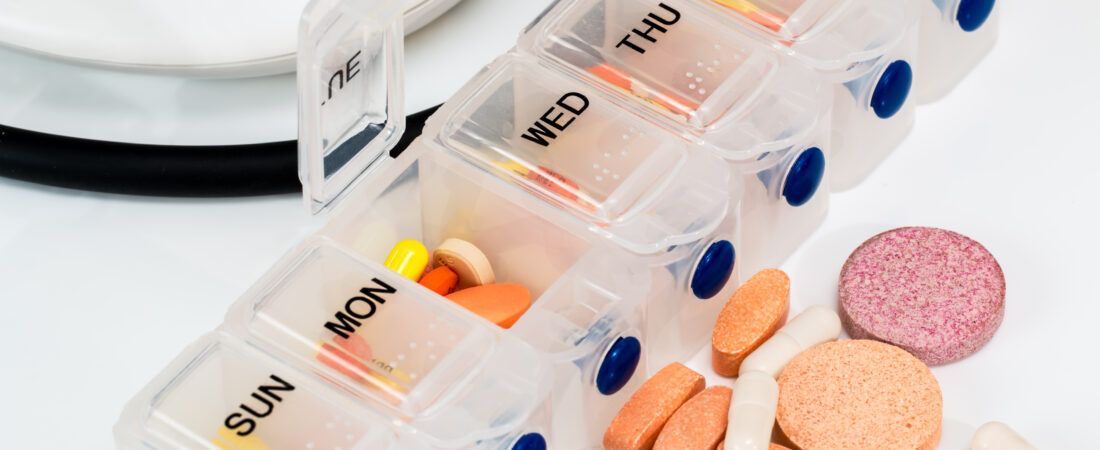
Medication backup is one of those topics people either overdo or leave until the last minute. The useful middle ground is usually a realistic buffer that covers delays, ordinary disruption, and the fact that travel days do not always behave the way your calendar says they should.
This is not medical advice, and the details depend on your prescriptions, your destination rules, and what your prescriber or pharmacist tells you. But it is still worth building a practical travel logic instead of hoping the timing works out perfectly.
The goal is not to pack a pharmacy. The goal is to create enough breathing room that one delayed bag, one canceled connection, or one clumsy refill timeline does not put you in a stressful spot overseas.
Start with the legal and medical reality, not travel optimism
Before you think about quantities, confirm what you are actually allowed to bring, whether your medication has destination-specific restrictions, and what documentation makes sense for your situation. This is the part where optimism can get expensive. “It will probably be fine” is not a system.
If you take something essential, talk to your prescriber or pharmacist early enough that you still have options. Some medications are easy to refill early. Some are not. Some destinations are relaxed. Some are not. The earlier you know which kind of situation you are in, the calmer the rest of the planning becomes.
A buffer should cover travel friction, not fantasy disasters
Most travelers do not need to plan for a civilization-ending interruption. They need to plan for normal friction: departure dates shifting by a day or two, a bag delay, a pharmacy schedule mismatch, or a few messy first days after arrival. That is why a modest, deliberate buffer is usually more useful than panic-packing random extra bottles.
- Cover the actual trip length first.
- Add a small delay buffer for transit or early-arrival disruption.
- Add any prescriber-approved extra time that makes sense for your refill pattern.
- Keep the whole plan documented clearly enough that someone checking your bag can understand what they are looking at.
Split the medication layer so one problem does not take everything
One of the smartest travel habits is not keeping every dose in one place. If your bag disappears, the whole system should not disappear with it. Keep the legally appropriate main supply where it is safest, then think about how a short emergency layer can stay more immediately accessible without creating confusion.
That split depends on the medication, the packaging, and the rules you need to follow, but the principle is simple: do not let one failure point take the whole plan down.
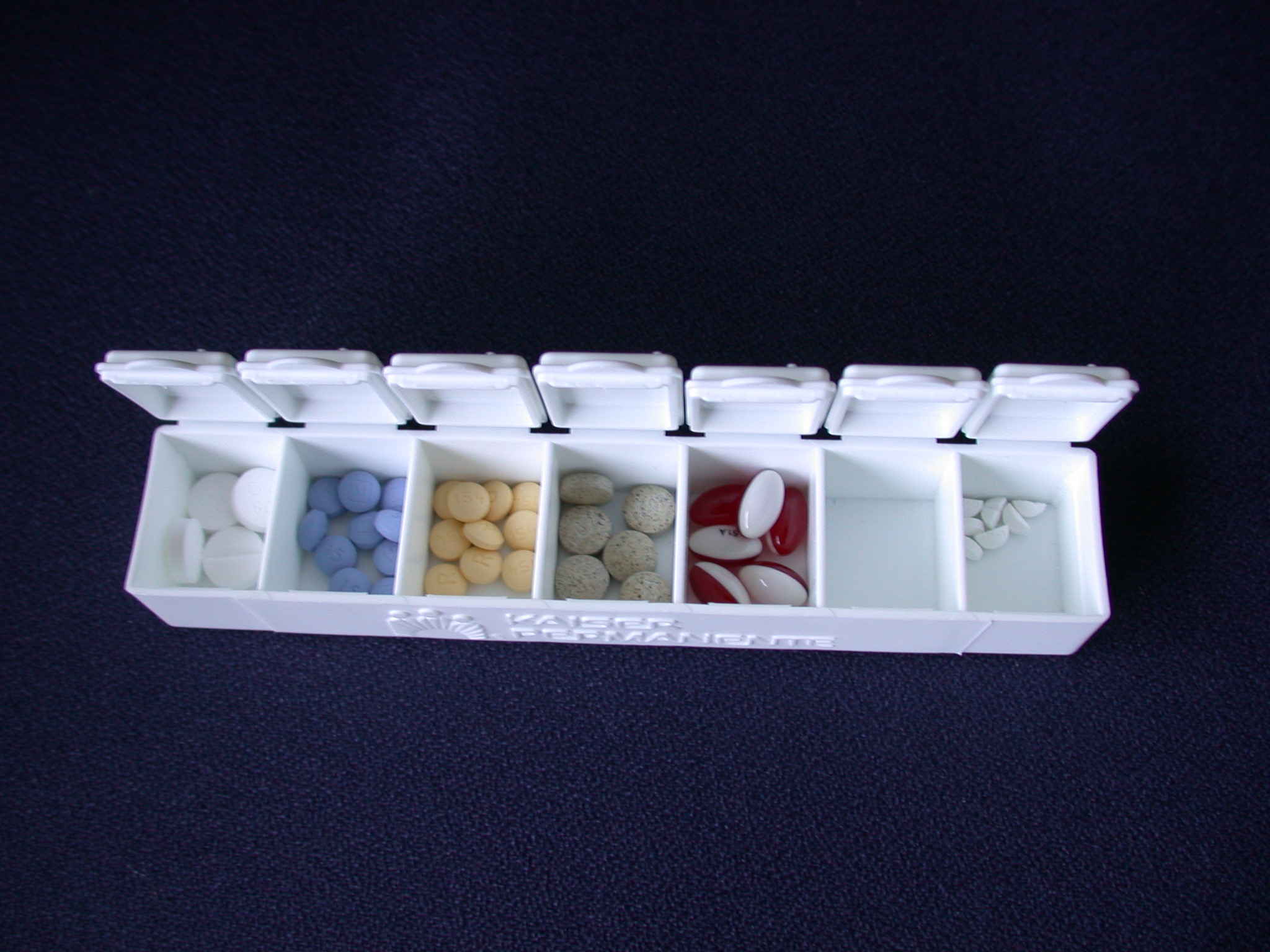
Documentation matters more when the medication matters more
If the medication is important enough that going without it would create real trouble, the paperwork and labeling deserve some respect too. Keep medication in original packaging when that is the safer move, keep prescription information easy to retrieve, and make sure you can explain what you are carrying without improvising a story in a line at customs.
That paperwork does not have to live in a giant folder. It just has to be accessible. This fits naturally with the broader system in Medication and Document Organization for a Long-Stay Trip.
Think about climate, routine, and storage
A medication plan is not only about quantity. It is also about what happens after arrival. Does heat matter? Humidity? Refrigeration? Do you need to protect a bottle from being forgotten in a hot day bag? Will jet lag or a weird first-week schedule make your timing sloppy if you do not create a visible routine right away?
Longer stays are easier when the medication routine gets anchored quickly. One consistent storage spot, one consistent alarm or habit cue, and one backup logic usually goes further than any amount of anxious overpacking.
Do not build a backup plan you cannot actually manage
A huge backup becomes its own problem if it is disorganized, legally questionable, or hard to explain. The more useful plan is one you can keep straight when you are tired. That often means a smaller buffer plus better organization, not an enormous volume plus wishful thinking.
A practical question to ask
If your return got delayed, or your first few days abroad were chaotic, how many extra days would keep you calm rather than scrambling? That question gets closer to the real answer than “what is the maximum possible amount I can carry?” because it is anchored in how trips usually go wrong.
Final thought
Medication backup is about margin, not drama. Build a buffer that is medically and legally appropriate, keep it organized, and give your future self a system that still works on a tired day. Then pair it with the rest of your admin layer using Long-Stay Travel Setup Checklist and Apartment Arrival Checklist for the First 48 Hours Abroad so the first week does not knock the routine sideways.