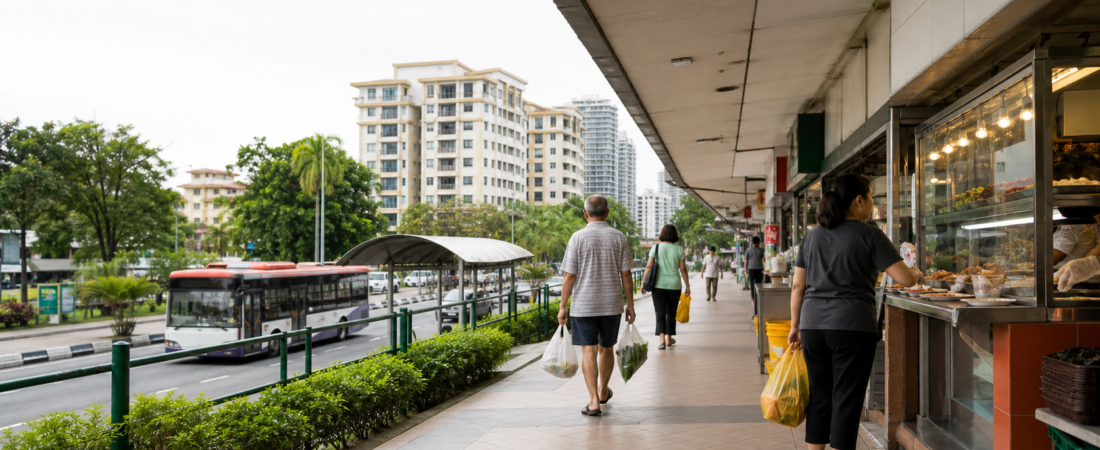
Philippines vs. Malaysia for Americans Who Want English-Friendly Southeast Asia
This is an initial source-of-truth draft. The publish-ready WordPress version follows after the Humanizer and QA pass.
Core position
For an American looking for an English-friendly base in Southeast Asia, the Philippines and Malaysia can both work—but they solve different problems. The Philippines is often easier socially at street level: English is common in shops, hospitals, and everyday service conversations. Malaysia can feel more operationally predictable in its strongest urban bases, especially if transit, private healthcare choice, and a more structured condo-and-errands routine are high on the list.
The useful question is not “Which country is better?” It is “What kind of friction can I accept every day?”
Quick Answer
Quick answer: Choose the Philippines first if ordinary English conversation, a warmer social feel, and the ability to choose between a major city, a regional city, and a slower island rhythm matter most. Choose Malaysia first if you value a more predictable urban routine, deeper transport options in Kuala Lumpur, and a strong private-care ecosystem. In either country, test the exact neighborhood for at least a few weeks before committing: the building, traffic route, rain, power/internet resilience, and distance to care matter more than a country-level reputation.
English and daily communication
The Philippines has the cleaner advantage if speaking English comfortably is non-negotiable. That does not mean every transaction is effortless, nor that English removes cultural adjustment. It does mean many Americans find initial errands, landlord conversations, clinic reception, and casual social contact less intimidating.
Malaysia is highly usable in English in Kuala Lumpur, Penang, and many professional or tourist-facing settings. Malay is the national language, and Chinese and Tamil are also visible in daily life. Treat English access as city and neighborhood dependent, not a promise that you will never need patience or a translation app.
Budget and housing: plan a band, not a fantasy average
Both countries can look inexpensive from the United States, but furnished, air-conditioned, well-located housing changes the math. For a one-person exploratory stay, a realistic planning range is roughly $1,400–$2,800 a month in many practical Philippines city bases and roughly $1,600–$3,200 in Malaysia’s stronger city bases. Those are planning bands, not rent quotes. Manila, Makati, BGC, central Kuala Lumpur, and newer or short-term buildings can push well above them. Dumaguete, Iloilo, parts of Cebu, and some Penang or secondary-city locations may come in lower, but only if the unit’s walkability, building maintenance, backup power, and transport needs actually fit.
Price a furnished apartment that you could live in during a rainy weekday. Ask about utilities, internet installation, generator or backup arrangements, elevator reliability, deposits, guest rules, and the actual route to groceries, pharmacy, and a hospital—not only the room rate.
Healthcare and prescriptions
Malaysia has a strong reputation for private hospitals and organized specialist care in its main metros, and the Malaysia Healthcare Travel Council is one indicator of the country’s established medical-travel sector. That does not make every hospital equal or turn travel insurance into a complete plan. Confirm the exact facility, cash deposit policy, insurer network, and emergency route before you need it.
The Philippines can provide strong private-hospital options in Manila and Cebu, with more limited choice as you move to smaller cities and islands. For many long-stay readers, that is the deciding factor: a slower place may be pleasant, but the care backup plan must still feel acceptable. Carry a concise medical summary, use generic drug names where possible, keep medicines in original containers, and verify local availability before you run low. Never assume a U.S. prescription will be filled on the same terms abroad.
Transport, internet, and the rainy-weekday test
Kuala Lumpur has the clearest advantage for rail-connected urban movement. It still has traffic and hot, wet weather, and not every neighborhood is a seamless pedestrian experience. But a base near a rail station can reduce dependence on rides and simplify the first few months.
The Philippines rewards city-specific thinking. Manila offers maximum services but punishing traffic; Cebu has regional-city convenience but congested routes and uneven sidewalks; Dumaguete and Iloilo can feel calmer but have narrower specialist-care and flight options. Inter-island travel is a feature of the country, not a background detail. A ferry or flight connection that looks charming on a map can become a real planning burden when weather, an appointment, or a family need changes.
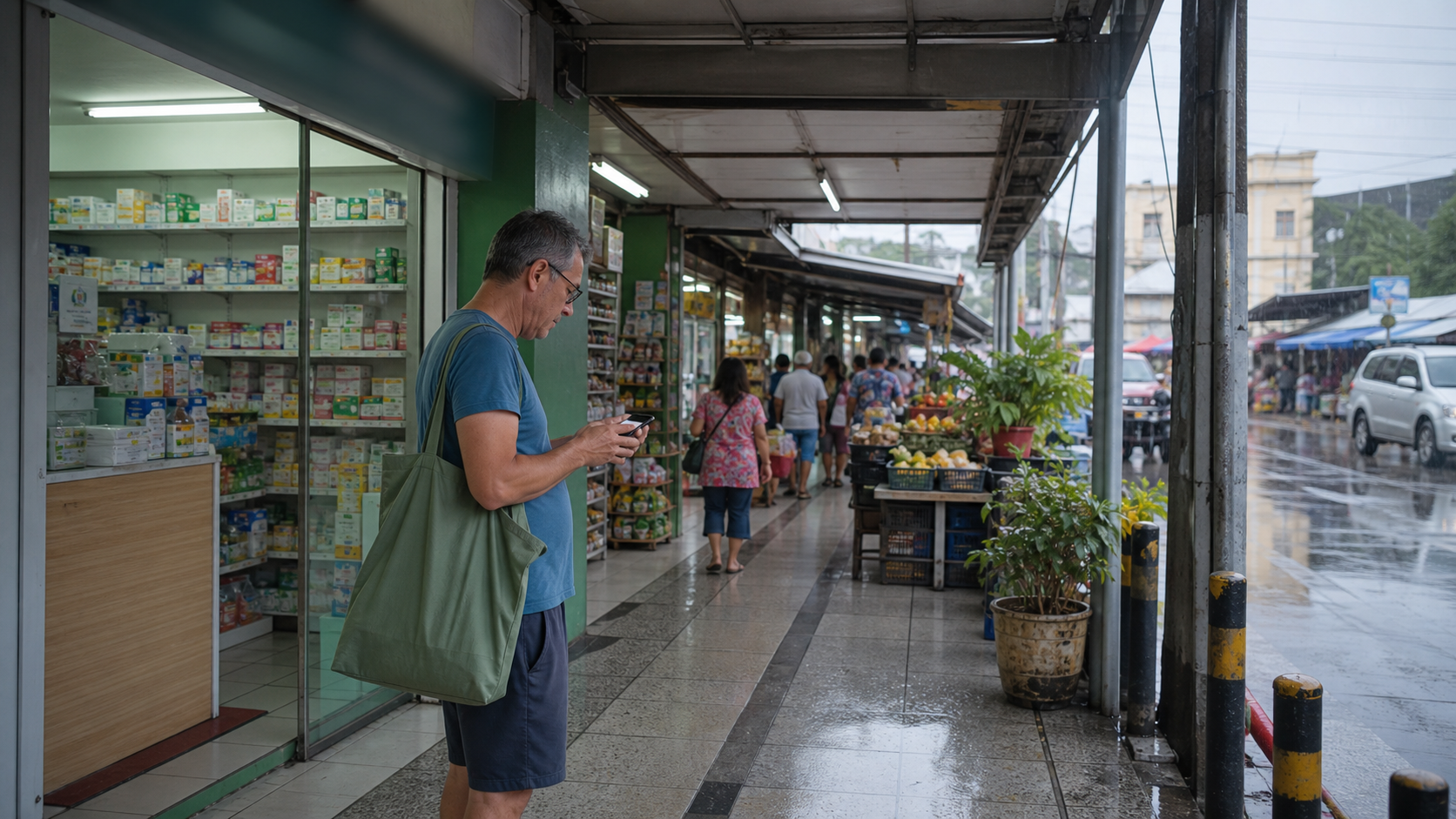
For either country, run one unglamorous test: make a grocery, pharmacy, cash-access, and clinic route during rain or peak traffic. Check mobile data inside the unit, ask how long power interruptions normally last, and do a video call at the time you would actually work or talk with family.
Stay rules: verify before you pay
Do not build a move around a social-media summary of a visa rule. The Philippines Bureau of Immigration and Malaysia’s official foreign-affairs/immigration channels are the starting points for entry, extension, onward-ticket, and documentation requirements. Rules can differ by passport, purpose, prior stays, and date of arrival. Confirm them shortly before booking and again before extending.
An easy entry process is not residency. Neither country should be treated as a place to “just stay and figure it out.” Keep a calendar, copies of entries and extensions, a savings cushion, and a plan for what you will do if an extension, medical need, or family event requires a quick change.
Safety and fit
Safety is not a country score. The U.S. Department of State publishes country-specific information and travel advisories that should be checked before travel, particularly because regional conditions can vary. Your personal risk is also shaped by neighborhood, transport habits, night routes, cash handling, weather, and whether you isolate yourself in an unfamiliar place.
The Philippines is the better emotional fit for someone who wants English-forward human contact and can handle a more variable systems environment. Malaysia is often the better operational fit for someone who wants an urban routine, private-care options, and more transit support, but it may feel less naturally social to a newcomer who stays within an expat/condo bubble.
A practical first decision
If you are torn, do not choose a country from a spreadsheet. Book a 30-day test in one city, then compare it against a different type of base. A sensible pair might be Cebu or Iloilo followed by Penang or Kuala Lumpur. Keep the accommodation ordinary, use public transport or normal rides, visit a pharmacy, price a clinic, and cook or shop rather than living in tourist mode.
The winning choice is the one whose boring Tuesday feels manageable: a place where the apartment works, medical care is within your comfort zone, the rain does not wreck your routine, and the budget leaves room for surprises.
Related reading
References
- Philippines Bureau of Immigration, Visa Waiver: https://immigration.gov.ph/visas/visa-waiver/
- Malaysia Ministry of Foreign Affairs, foreigner/visa requirements: https://www.kln.gov.my/web/usa_washington/requirement_foreigner
- Malaysia Healthcare Travel Council: https://www.mhtc.org.my/
- U.S. Department of State, Philippines country information: https://travel.state.gov/content/travel/en/international-travel/International-Travel-Country-Information-Pages/Philippines.html
- U.S. Department of State, Malaysia country information: https://travel.state.gov/content/travel/en/international-travel/International-Travel-Country-Information-Pages/Malaysia.html
Healthcare planning: How Americans Should Think About Healthcare and Prescriptions Before a Long Stay in the Philippines
Testing Taipei as a first Asia base: How to Test Whether Taipei Is a Realistic First Asia Base Before You Commit