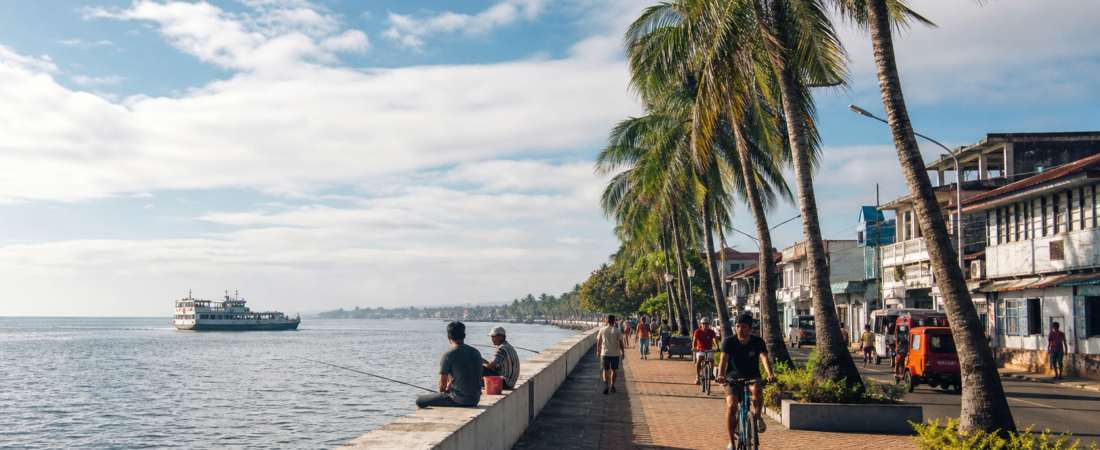
The Philippines can be a useful exploratory choice for Americans who value frequent English use and want to compare several genuinely different kinds of Southeast Asian routine: a dense metro, Cebu’s regional-city energy, a smaller provincial city, or an island-adjacent base. That variety is the attraction and the caveat. A comfortable condo, a workable hospital route, dependable work backup, and a manageable grocery-and-errands loop can be straightforward in one neighborhood and much harder a short distance away.
Quick answer: The Philippines can suit Americans who want an English-friendly exploratory base with a wide menu of city and island-adjacent lifestyles. Do not treat it as one uniform, low-friction country experience. Choose the city type first, then test the exact neighborhood for housing, rain-day movement, power and internet backup, hospital access, and the daily errands you will actually make. Recheck entry and extension rules directly with Philippine authorities before booking a longer stay.
Start with the city type, not an “island life” idea
The first decision is the kind of routine you want. Manila’s business districts, Cebu City, a smaller regional city, and a tourism-oriented or island base create different tradeoffs in traffic, building quality, airport access, healthcare options, walkability, weather exposure, and how much of life happens by car or rideshare. A good experience in one does not validate the others.
For a first look at an established regional-city option, use the Cebu City Fit Dashboard. It is a shortlist tool, not a promise of a specific apartment, commute, hospital, or monthly cost. Later city guides should supply the address-level evidence for Manila/BGC/Makati, Dumaguete, Iloilo, Baguio, Davao, and other candidates rather than borrowing conclusions from Cebu.
Before committing, map the ordinary loop from the exact building you are considering: groceries, pharmacy, a place to work, an ATM or bank, a pickup point, and the hospital you would use. Try the routes during daylight, after dark, and in rain. A listing that feels close on a map may not create an easy day when heat, crossings, traffic, road condition, or a last-mile ride is involved.
Budget and housing: use an address-specific planning band
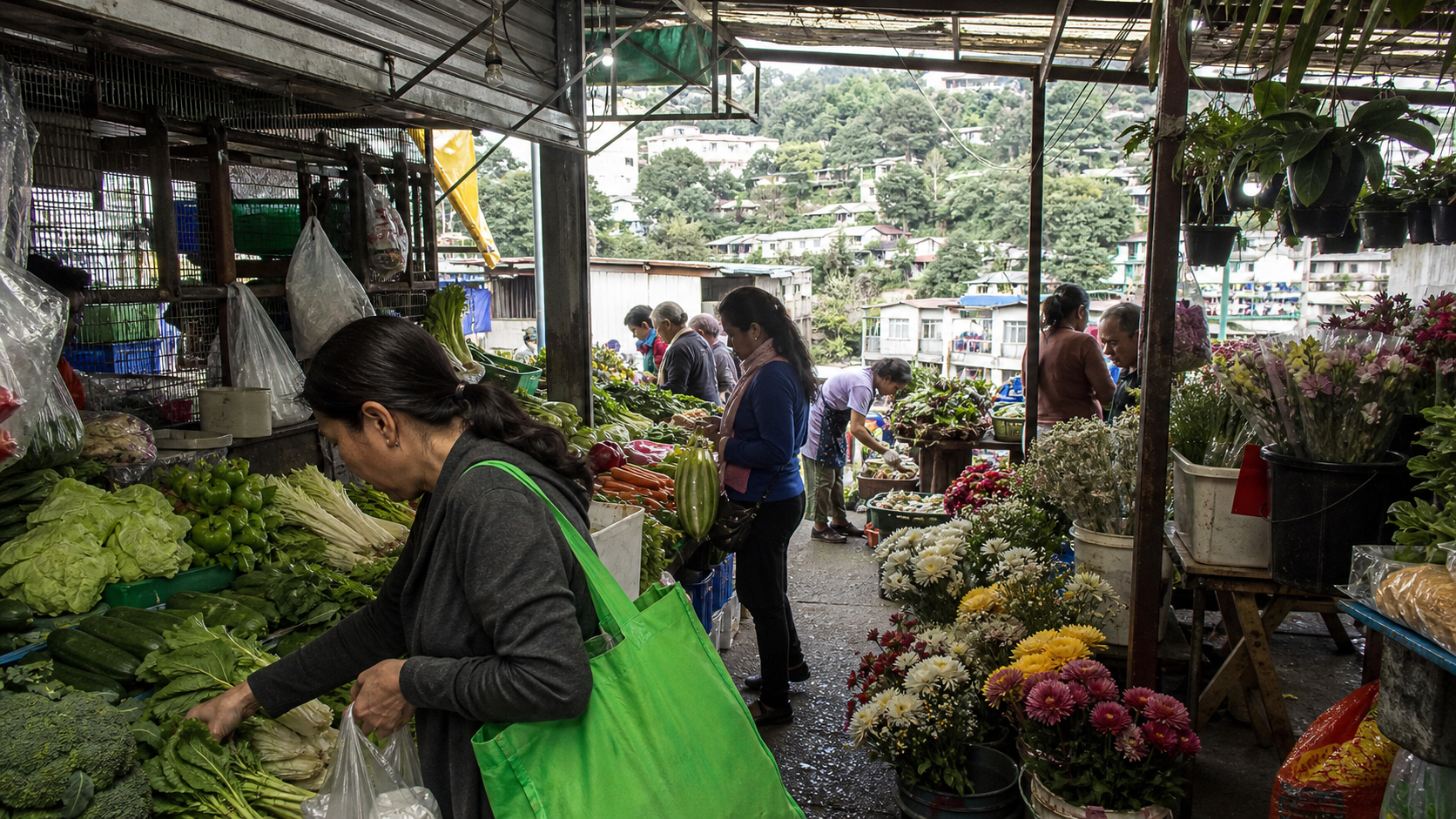
There is no countrywide monthly number that can responsibly price a long stay. Furnished rent, air conditioning, building maintenance, utilities, internet or mobile backup, location, transportation, groceries, imported preferences, insurance, and trips between islands all change the real number. Start with a realistic address and dates, then leave room for deposits, repairs, transport, and a contingency.
Ask for a current video walk-through of the exact unit. Confirm the unit’s air conditioning, water pressure, noise, desk space, elevator or stair access, building entry, laundry, deliveries, utility responsibility, internet installation, mobile signal, and repair process. A polished listing does not answer whether calls, sleep, food storage, or a rainy-week errand run will be comfortable.
If a possible base depends on remote work, test a real video call, upload, and mobile-data backup from the building. Keep a second workable place in mind for an outage. “Fast Wi-Fi” in a listing is not a substitute for testing the connection, power plan, cooling, noise, and support path that your own work requires.
Healthcare, prescriptions, and an emergency route
This is planning guidance, not medical advice. Medical capability, payment arrangements, prescription availability, insurance acceptance, and travel time vary by city and neighborhood. Identify the actual provider you would use before extending a stay; confirm how you would get there, what payment or insurance process applies, and what you would do if the preferred option is unavailable.
Executive Order No. 56 institutionalizes **911** as the nationwide emergency hotline and says calls should be free, but a number alone is not a personal emergency plan. Save the address and route to the nearest suitable facility, keep essential medical information available offline, and plan for the transport realities of your exact location. The Medical Prep Abroad Kit can help organize the questions about prescriptions, insurance, payment, and backup care before travel.
Do not use a tourism initiative or a general statement that a city has hospitals as proof that your particular care needs are covered. If ongoing treatment, specialist care, or evacuation access affects the choice, verify it directly with the provider and insurer before relying on the location.
Arrival and a longer stay: verify the current official rule
The Bureau of Immigration’s current visa-waiver page describes an initial 30-day admission and a 29-day initial extension for eligible non-visa-required tourists. Rules can change, and the correct answer depends on passport, purpose, dates, prior travel, and the activity you plan to do. Reconfirm your individual entry conditions directly with Philippine authorities immediately before travel.
Use the official, free eTravel portal for arrival registration. Be wary of fee-charging lookalikes. Do not rely on a blog’s timing rule, screenshot, or old checklist when travel is close; use the portal and its current FAQ instead.
Anyone considering more time than the initial admission should use the Bureau of Immigration visa-waiver information and its current online-services route. The Bureau describes an extension process for eligible visa-exempt visitors, but no approval, duration, fee, document list, work permission, tax treatment, or maximum stay should be assumed from this article. Visitor travel, remote work, business activity, residency, and tax residence are separate questions that may require professional advice.
Weather, power, internet, and movement are neighborhood tests
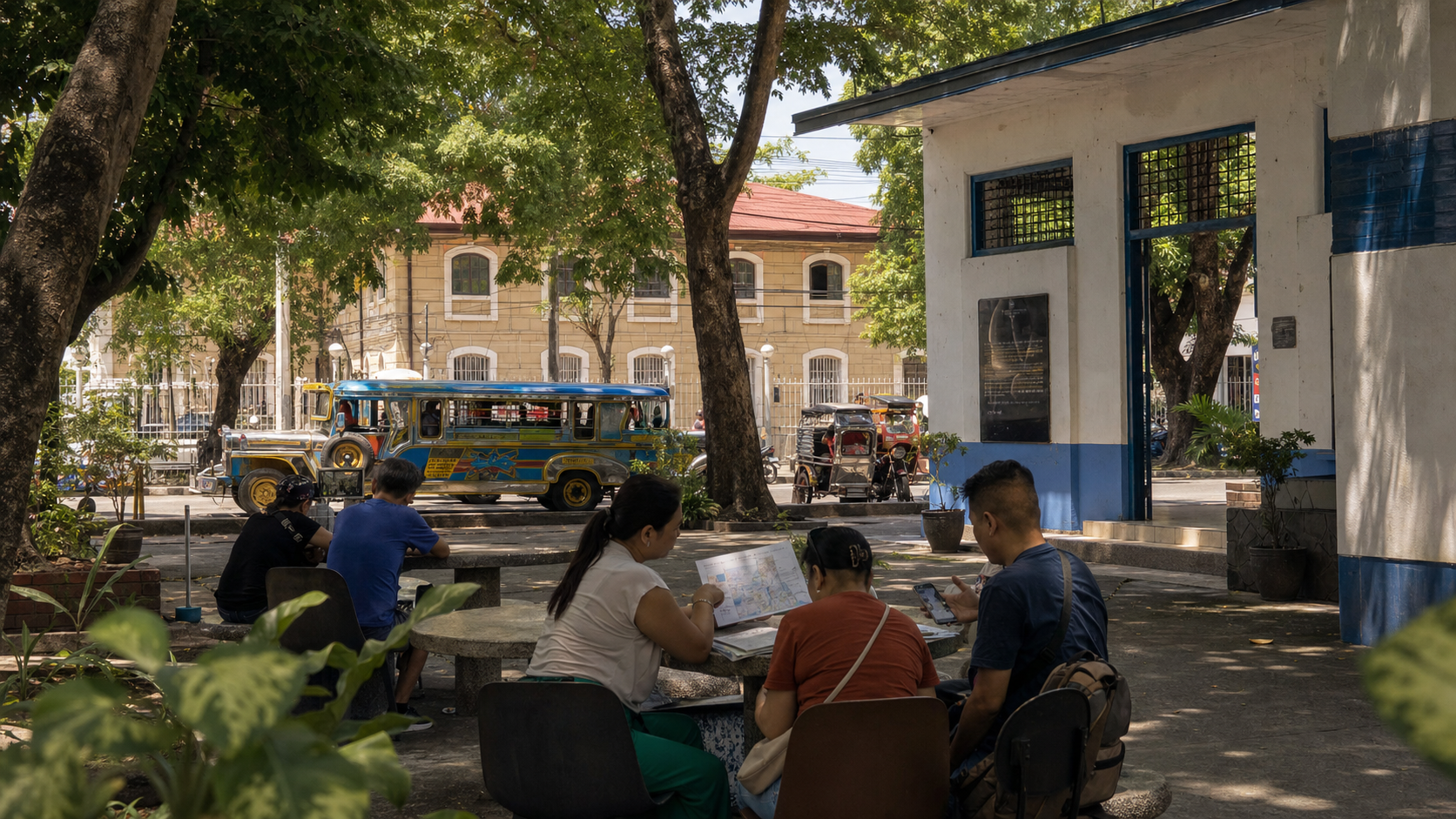
Seasonality, rainfall, flooding, road conditions, traffic, inter-island travel, and service interruptions can shape the quality of a stay more than a destination’s online reputation. Test the exact routine you would have rather than making a nationwide reliability claim. A building can have a different power, generator, water, mobile-signal, and elevator experience from another building in the same district.
Keep practical backups: offline copies of your address and key contacts, a charged phone or battery plan, payment access that is not dependent on one card, enough essentials for an inconvenient day, and a realistic alternate workspace. For a move that may include ferry or domestic-flight connections, check the current operator and airport information at the time you book; schedules and conditions are not evergreen facts.
A first 30-day test that produces a real answer
Stay in the kind of neighborhood and building you would actually choose, not just the most convenient visitor area. Build a normal grocery basket, try a pharmacy visit, take a realistic airport or work route, use the connection during a call, and repeat at least one errand in bad weather. Notice how much effort it takes to get food, cash, medical help, laundry, or a ride when the first option fails.
At the end of the test, ask a simple question: would this exact address still work if the weather were inconvenient, a delivery were late, internet went down, or you needed care quickly? If the answer is uncertain, reduce the commitment rather than assuming a different neighborhood will solve it.
Bottom line
The Philippines can offer a socially easy, English-friendly starting point for Americans who want options across metro, regional-city, and island-adjacent routines. It is not automatically inexpensive, medically simple, work-ready, walkable, or uniform. Choose the city type deliberately, test the address in ordinary conditions, make a care and backup plan, and verify the live entry and extension rules before converting a visit into a longer stay.
If it remains on your list, use the Destination Shortlist Kit to compare the housing, healthcare, weather, transport, and daily-friction questions against Cebu or another realistic alternative.
References
For readers who need a maximum-service metro rather than a single city-type overview, see the Manila, Makati, and BGC guide for address-level housing, rain-day, healthcare, and traffic checks.
For a smaller-city Philippines test with clear care, rain-day, and connection tradeoffs, read the Dumaguete guide.
For an address-level look at a practical mid-sized Philippines base, read the Iloilo guide.
For a cooler upland alternative within the same country-level decision, see our Baguio guide.
For a careful look at a larger southern Philippines city option, read the Davao guide.
Choosing a first Philippines base gets easier when you compare the actual routine: see Cebu vs. Dumaguete vs. Iloilo.
Related comparison: Philippines vs. Malaysia for Americans Who Want English-Friendly Southeast Asia
Healthcare planning: How Americans Should Think About Healthcare and Prescriptions Before a Long Stay in the Philippines
Philippines cost planning: What It Costs Americans to Live in the Philippines: Cebu, Manila, Dumaguete, and Iloilo Compared
Philippines long-stay logistics: What Americans Should Know Before Planning a 1- to 6-Month Stay in the Philippines
Choosing a Philippines base: City or Island? How to Choose a Philippines Base for a Longer Stay
Rainy-season base planning: Planning a Philippines Base During Rainy Season: What to Check Before You Book
Choosing a first neighborhood: How to Choose a Philippines Neighborhood for a Longer Stay
Backup planning for a longer stay: How to Set Up Power, Internet, and Money Backups for a Long Stay in the Philippines
Apartment setup for a longer stay: How to Rent an Apartment in the Philippines for a 1- to 6-Month Stay
Inter-island transfer planning: How to Plan Inter-Island Travel During a Longer Stay in the Philippines
First-week Philippines setup: How to Set Up Your First Week in the Philippines Without Turning It Into a Scramble
Mail and document continuity: How to Keep Mail, Documents, and Your Home Address From Becoming a Problem During a Longer Philippines Stay
Emergency-care planning: How to Build an Emergency Care Plan for a Longer Philippines Stay
Choosing a Philippines base: How to Choose a Philippines Base When Healthcare, Weather, and Travel Are Not Equal