
Quick answer: Iloilo can make sense for Americans who want a more manageable Philippines city routine than Metro Manila or Cebu City, but the fit depends on an exact address and a real plan for care, rain, transport, and connections. Test those things first; a lower-pressure first impression is not the same as a long-stay answer.
What Iloilo is—and is not
Iloilo can appeal to someone looking for a city rather than an island fantasy or a megacity compromise. It has ordinary-city ingredients—housing choices, grocery and pharmacy errands, ride options, local services, and an airport—without requiring you to start from the scale of Metro Manila. That can be a useful starting point. It is not a guarantee that every neighborhood, building, clinic, or work setup will meet your needs.
The fair comparison is not “easy Philippines” against “hard Philippines.” It is a middle-sized routine against the deeper services and more connections of Cebu or Metro Manila. For a country-level frame, begin with the Philippines long-stay guide. For the regional-city alternative, read the Cebu City guide; for maximum urban service depth, read the Manila, Makati, and BGC guide. The City Fit Dashboard can help form a first shortlist, but it cannot test a particular building or care route for you.
Who Iloilo may fit best
Iloilo is worth a trial stay for a reader who wants a lower-intensity daily footprint but does not want to give up city basics entirely. It may suit a retiree or flexible remote worker who can plan around tropical heat and rain, is comfortable taking short rides for some errands, and is willing to build backups rather than assume them.
It is less convincing as a first base for someone who needs highly specialized medical care close at hand, expects a very wide inventory of international-standard condos, needs frequent international flights, or cannot tolerate weather and road conditions changing an errand day. Those are not reasons to dismiss Iloilo. They are reasons to make the trial stay do real work.
Housing and budget: start with an address, not a citywide promise
There is no single “Iloilo budget” that can responsibly answer a personal move. Furnished rent can move sharply with neighborhood, unit condition, air conditioning, furniture, lease length, included utilities, and how close you are to the routes you use. Add deposit, electricity, water, mobile data, home internet, laundry, transport, private-care spending, and occasional domestic-flight costs. Imported food preferences and a need for frequent ride-hailing can change the total quickly.
Choose two or three real listings for dates you could actually travel. Ask for a current video walkthrough. Confirm cooling, water pressure, cooking, desk space, noise, mobile signal, delivery access, laundry, repair responsibility, and what happens during an outage. Then walk or ride the routes to groceries, pharmacy, cash access, a pickup point, and the care provider you would actually use. A lower advertised rent is not a bargain if the daily routing turns every small task into a project.
Healthcare, prescriptions, and the care route
This is planning guidance, not medical advice. A credible care plan is more than knowing that a hospital exists somewhere in the city. Identify the facility and clinician relevant to your own needs, then confirm current hours, payment process, insurance acceptance, language support, appointment availability, and transport from the prospective building. If ongoing specialist care or a difficult-to-replace medicine matters, contact the provider and insurer before extending a stay.
Executive Order No. 56 institutionalizes 911 as the national emergency hotline. Save 911, but also save your written address, a local transport fallback, your medical summary, and the route to the facility you would use. The Medical Prep Abroad Kit offers a practical worksheet for organizing those questions. For a smaller-city comparison, see the Dumaguete guide; the right choice may depend on how much care depth you need close by.

Mobility, weather, and working reliability
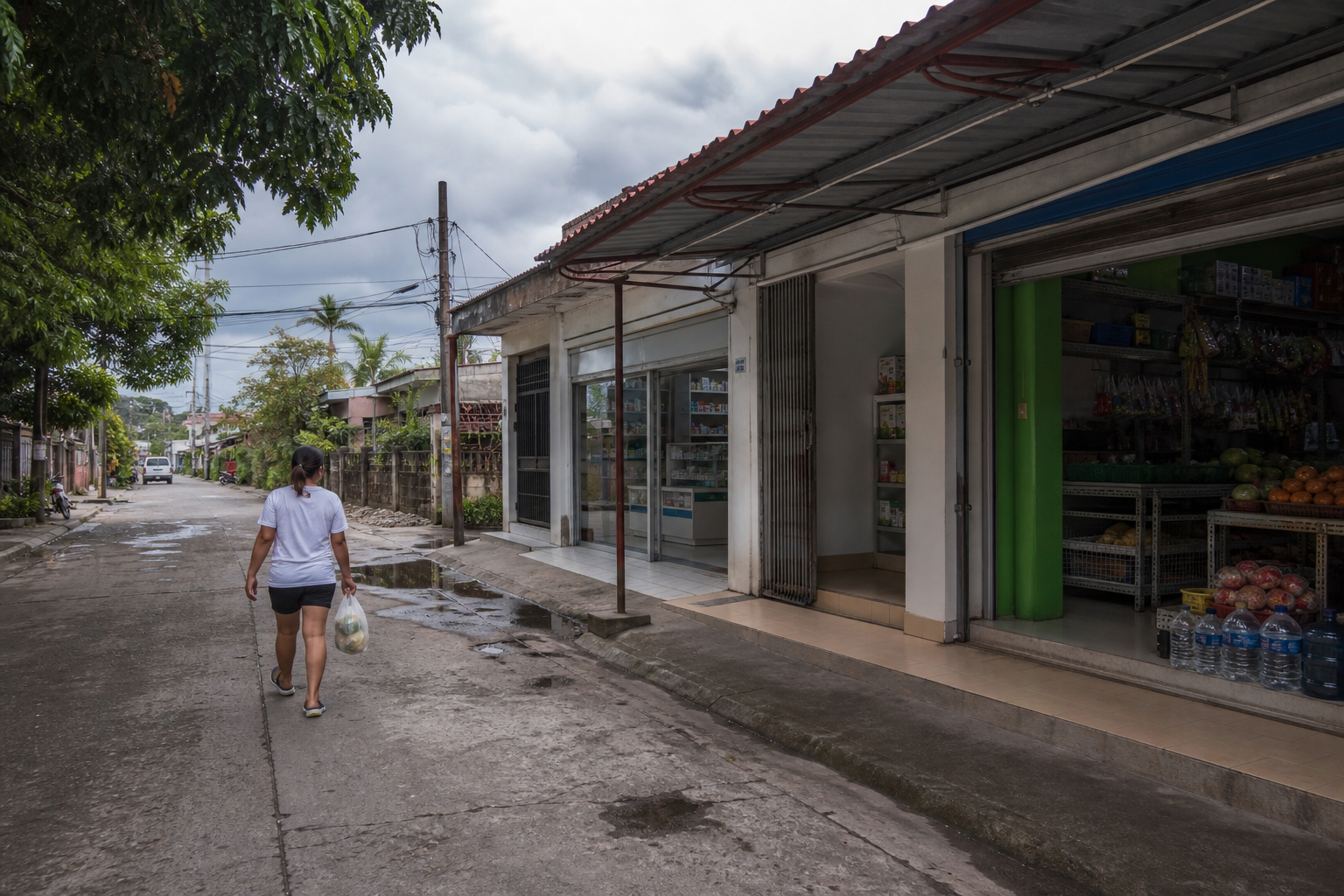
Try the route you will repeat, not only a pleasant daytime walk. Test an apartment-to-grocery loop, pharmacy run, evening ride pickup, cash access, and airport trip. Heat, rain, crossings, drainage, road condition, and last-mile transport can make a map distance feel very different in practice. Build buffer time around domestic connections and check the exact airline schedule for your dates rather than relying on a general route description.
If remote work matters, complete a real video call and upload from the unit you are considering. Then test mobile data as a backup. Ask the landlord what happens during an outage or repair. “Fast Wi-Fi” in a listing is a claim; continuity is a plan you have tested.
A first-month Iloilo test that produces useful evidence
Book a reversible first stay. In the first week, repeat an ordinary loop more than once: groceries, pharmacy, cash, a daytime and evening ride, a rain-day errand, and the route to your care fallback. Notice the timing and friction, not just whether the task was possible. Ask the landlord about utilities and repairs. If you might work remotely, test the hours you would actually work.
Before extending, write down what the first month proved. Did the address make everyday life easier, or did a temporary location hide the weak spots? Does the care route feel credible? Do rain and transport change your willingness to go out? Does the airport and connection pattern match your real life? That answer is more useful than trying to make a city fit because it looked affordable online.
Stay rules: check the official source close to travel
For eligible non-visa-required visitors, the Philippine Bureau of Immigration describes an initial 30-day visa-waiver admission and extension processes. Requirements, fees, eligibility, and procedures can change. Read current Bureau of Immigration guidance and use official channels immediately before travel or an extension, not a blog post. Complete any current arrival declaration through the official eTravel portal.
Bottom line
Iloilo can be a practical middle-sized Philippines option if you value a calmer routine but do not confuse calmer with effortless. Build the decision around a real address, a real budget, a tested grocery/pharmacy and care route, a rain-day plan, and the connection pattern you actually need. Let the trial stay give you evidence before you commit.
References
– Philippine Bureau of Immigration: Visa Waiver – Philippine eTravel official portal – Executive Order No. 56: Nationwide 911 Emergency Hotline – Iloilo City Government (local context; verify current service details directly)
For a larger southern-city alternative to a practical mid-sized Philippines base, see the Davao guide.
For a first-base decision framework across Iloilo, Cebu, and Dumaguete, read this Philippines comparison.
Philippines cost planning: What It Costs Americans to Live in the Philippines: Cebu, Manila, Dumaguete, and Iloilo Compared
Choosing a Philippines base: City or Island? How to Choose a Philippines Base for a Longer Stay
Choosing a Philippines base: How to Choose a Philippines Base When Healthcare, Weather, and Travel Are Not Equal