# Baguio for Americans Who Want Cooler Weather in the Philippines
Quick answer: Baguio can be a sensible Philippines trial base if cooler upland weather matters more to you than flat streets and quick big-city connections. Make the decision from a real address: test its slope, rain route, water, mobile backup, care route, and travel day before you extend.
The appeal is real—but it is not a shortcut
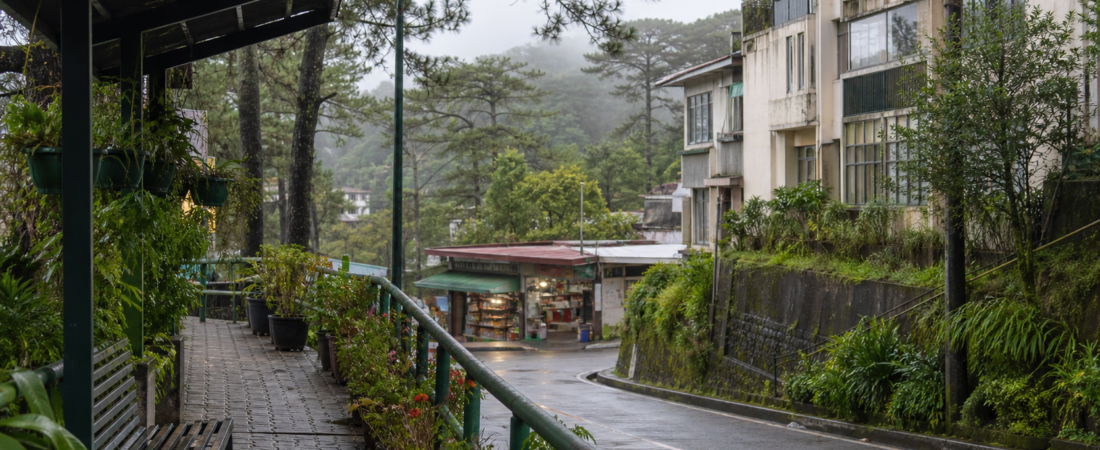
Baguio gives a prospective long-stay visitor a different Philippines experience from Cebu, Metro Manila, Dumaguete, or Iloilo. Its elevation and pine-covered setting can make ordinary daytime comfort feel markedly different from a hot lowland city. That can matter a great deal if heat affects sleep, mobility, or your willingness to walk for groceries.
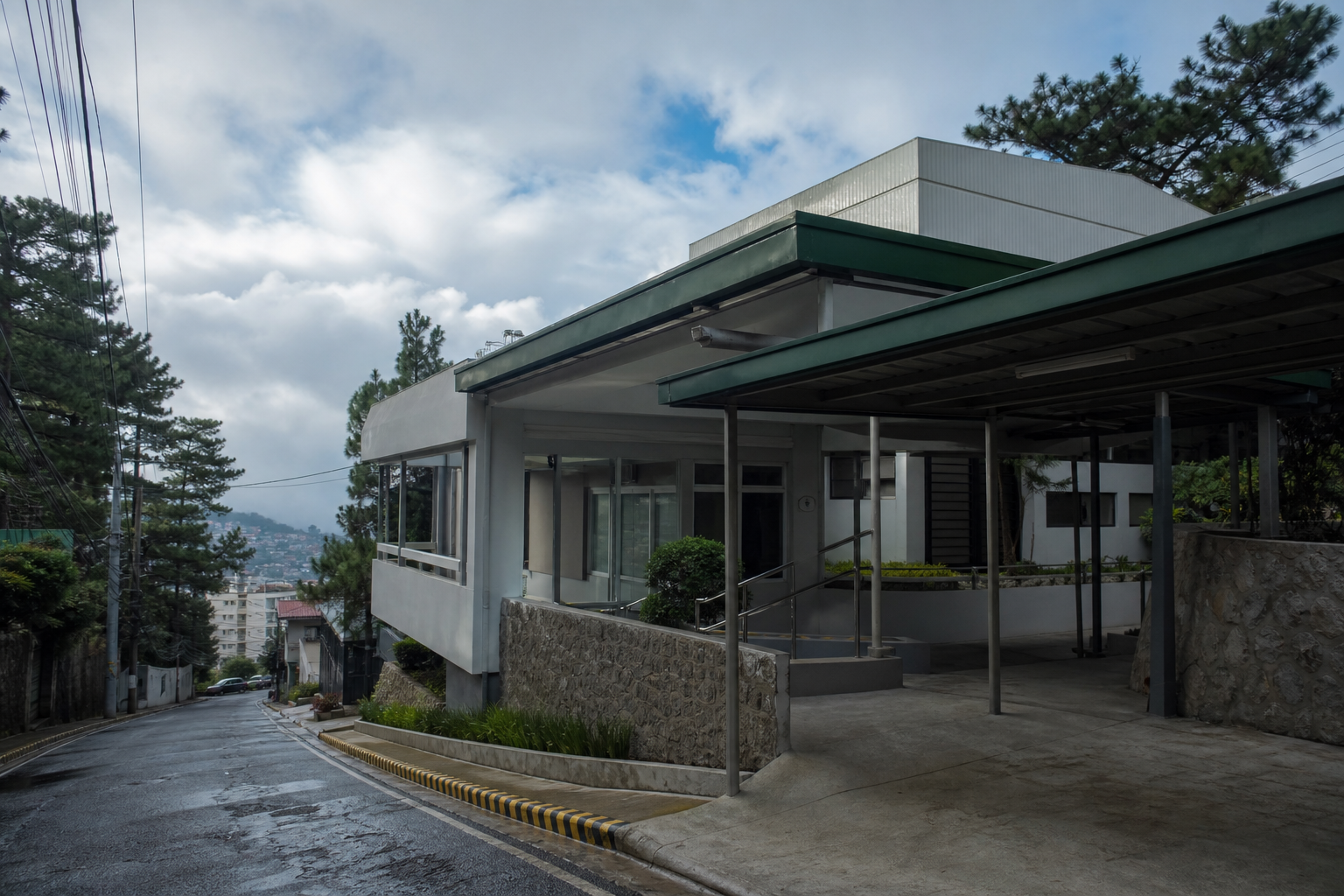
It is still a working upland city, not a climate-controlled retreat. Streets can be steep, rain changes a short errand, traffic can be tiring, and the quality of a building matters more than a broad claim that the city is comfortable. A pretty view does not answer whether your unit has workable water pressure, a safe route after dark, a reliable signal, or an easy way to reach care.
Start with the Philippines long-stay guide for country-level first-base questions. Compare its tradeoffs with the Cebu City guide, the Dumaguete guide, and the Iloilo guide. The City Fit Dashboard is useful for building a shortlist, but no dashboard score can inspect your stairs, rain route, or exact building.
Who Baguio tends to suit
Baguio can suit an American who wants a cooler routine, can tolerate hills and a less frictionless travel connection, and is willing to choose housing conservatively. It is especially worth a reversible test stay for someone whose day-to-day life is local: groceries, cafés, walking, remote work, and a modest apartment rather than frequent international flights.
It is a weaker first fit if you need level, easy walking; maximum specialist-care depth close to home; a particular hard-to-replace prescription; or frequent airport transfers. Those are not arguments against Baguio. They are reasons to measure the real tradeoff before committing. If a home is up a long slope or a pharmacy is difficult to reach in rain, the pleasant temperature will not solve the daily problem.
Housing and budget: price the address, not the reputation
Do not build a Baguio budget around a single online rent anecdote. Furnished rent moves with location, building age, stairs, heating or cooling needs, furniture, lease length, season, utilities, and repair response. Add deposits, electricity, water, mobile data, internet, laundry, groceries, rides, and the occasional long connection day. Imported comfort items and private care can change the result quickly.
Ask for a current video walk-through of two or three actual units for your dates. Confirm cooking, water pressure, drainage, noise, mobile signal, desk space, laundry, delivery access, building entry, and who handles repairs. Then walk the exact route to food, a pharmacy, cash access, a ride pickup point, and the provider you would use if you were unwell. Do it after rain if possible. A unit can be inexpensive and still cost too much energy to live in.
Rain, slopes, and ordinary mobility
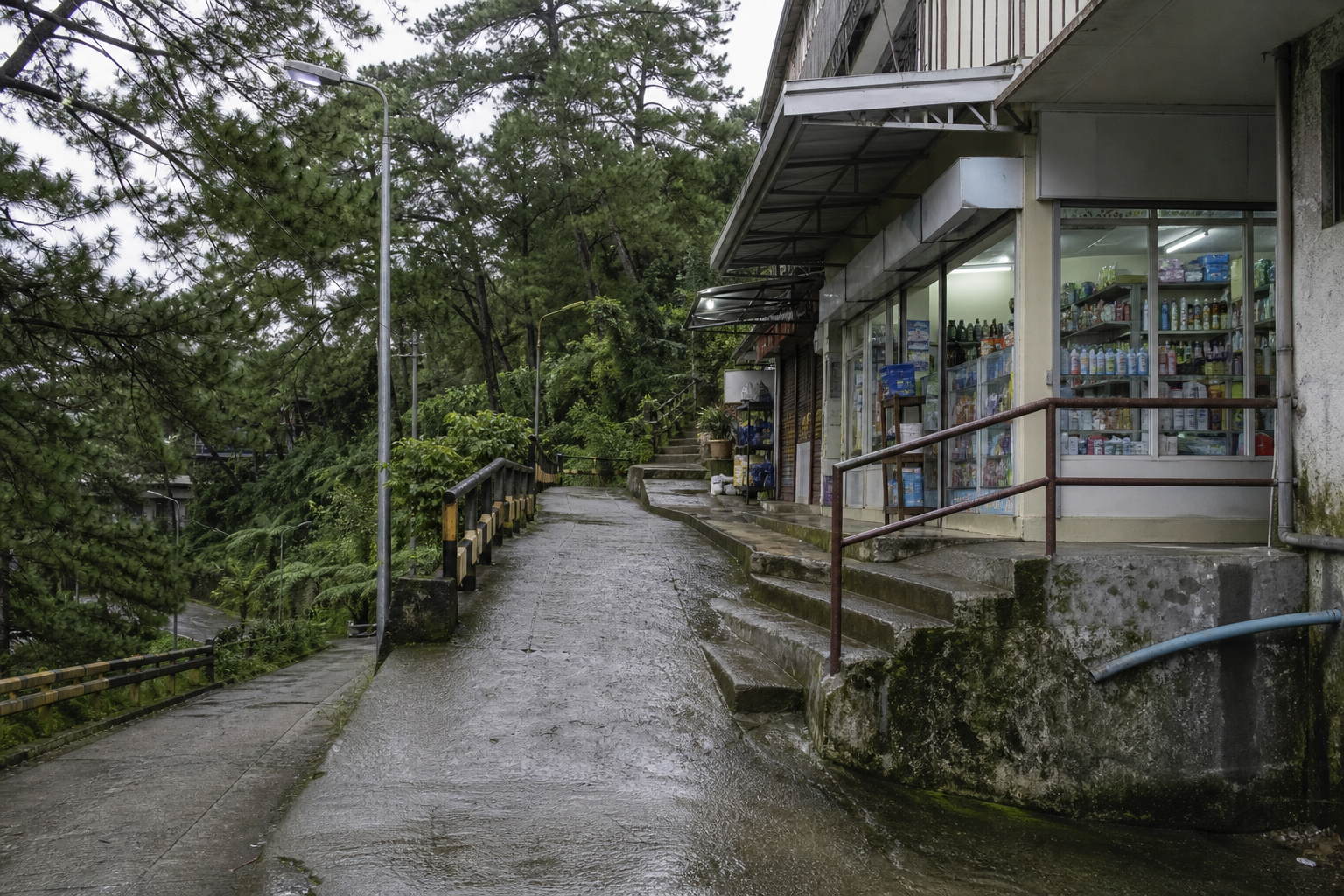
In Baguio, map distance is often less useful than the route. A short trip can include stairs, a wet incline, a narrow sidewalk, a wait for a ride, and a climb back to the building. Test the trip at the time you would actually use it: after dark, after a shower, or carrying groceries. Ask whether deliveries reach the door and what a driver uses as the practical pickup point.
Build one dull first-week loop on purpose. Buy groceries, find a pharmacy, withdraw cash, ride to a clinic area, walk home, and make the same trip when the weather changes. It sounds unromantic; it is exactly how you learn whether a cooler base is helping your daily life or simply making a short visit pleasant.
Healthcare, prescriptions, and the route you would actually use
This is planning guidance, not medical advice. Do not treat the presence of a hospital or clinic as an answer to your individual needs. Identify the facility and clinician relevant to your condition, then confirm current hours, payment, insurance handling, appointment availability, language support, and transport from the prospective address. If ongoing specialist care or a particular medicine matters, speak with the provider, your prescriber, insurer, and pharmacist before extending.
Philippine Executive Order No. 56 institutionalizes 911 as the nationwide emergency hotline. Save 911, but also keep a written address, local ride option, medical summary, and the route to the facility you would actually use. A city-level plan is only credible when it names the real address-to-care path and its backup. The Medical Prep Abroad Kit can help organize those questions before you travel.
Internet, power, and connections
Never accept “good Wi-Fi” in a listing as a continuity plan. From the exact unit, run a video call and upload test when you would work. Confirm mobile service in the rooms you would use, and decide whether a second SIM, hotspot, coworking option, or temporary fallback is worth the cost. Ask what happens during an outage, how the building handles repairs, and whether water or internet has recurring interruptions.
Travel is another practical distinction. Check the actual route you would take to an airport or onward connection on the dates you might travel. Include traffic, weather, luggage, buffer time, and the cost of changing plans. If you expect frequent international travel, compare the total friction honestly with Cebu or Manila instead of treating a lower rent as the whole answer.
Stay rules: verify from official sources close to travel
For eligible non-visa-required visitors, the Philippine Bureau of Immigration describes an initial 30-day visa-waiver admission and extension processes. Requirements, eligibility, fees, and procedures can change, so check the current Bureau guidance immediately before travel or an extension. Complete any required arrival declaration through the official eTravel portal, not a look-alike service.
A practical first-month decision
Book a reversible stay rather than treating the first week as proof. By the end of the first month, you should know whether your actual unit works in rain, whether the grocery and pharmacy loop is sustainable, whether the care route feels credible, whether work connectivity has a backup, and whether the travel friction is acceptable. If the answer is mostly yes, Baguio may be a strong cooler-climate Philippines option. If it is no, that is useful information—not a failed move.
References
– Philippine Bureau of Immigration: Visa Waiver – Philippine eTravel official portal – Executive Order No. 56: Nationwide 911 Emergency Hotline – Baguio City Government (local context; verify current service details directly)