Quick answer
If you want Latin America value but know a megacity would wear you down, start with Cuenca in Ecuador, Arequipa in Peru, Manizales or Pereira in Colombia, Antigua in Guatemala, and Salta in Argentina. These are not magic “cheap places to retire.” They are smaller or mid-sized cities where daily life may feel more manageable than Mexico City, Bogotá, Lima, Buenos Aires, or São Paulo.
The real question is not “Which city is best?” It is “Where can I handle a normal Tuesday?” That means groceries, rent, doctors, pharmacies, taxis, internet, safety routines, weather, and a backup plan when something goes sideways.
If you are still building a broad shortlist, read this with the wider guide to Latin American cities for lower costs and good climate. That piece looks at the bigger climate-and-cost map. This one is for people who already suspect that capital-city scale is not their friend.
What “smaller city” should mean here
For an American retiree, remote worker, or long-stay traveler, “smaller city” should not mean isolated village. A beautiful town can become stressful fast if you cannot find a lab, get a prescription filled, call a reliable taxi, use decent internet, or reach a larger hospital when you need one.
A better word is right-sized. You want enough city to solve ordinary problems without so much city that every errand turns into traffic, noise, long distances, pollution, and expensive “safe” neighborhoods. Before you compare countries, use the site’s cost, healthcare, safety, and internet framework. Then apply that same discipline to the exact city and neighborhood.
Spanish matters more in these places than it does in the most tourist-polished parts of a capital. You do not need to sound like a professor. But you do need enough Spanish to talk with a landlord, explain symptoms, ask about medicine, handle a taxi, and deal with internet or utility problems without panicking.
1. Cuenca, Ecuador: the classic slower highland base
Cuenca is still one of the clearest smaller-city options for Americans who want Latin America without a huge-city feel. It has a mild highland climate, a walkable historic center, markets, cafés, taxis, buses, private medical options, and a long-standing foreign retiree community. That existing expat layer can make the first few months less lonely and less confusing.
The appeal is not that Cuenca is the cheapest place in the region. It is that many ordinary needs can be handled locally without choosing Quito or Guayaquil. A careful single renter may still plan around a modest-to-middle budget, but rent quality, insurance, healthcare, eating out, and flights back to the United States can change the numbers quickly.
The big caution is altitude. Cuenca is high in the Andes, and altitude is not something to “power through” because the photos look pretty. Some people sleep better and love the cool weather. Others feel headaches, fatigue, breathlessness, or mood changes. If Cuenca tempts you, stay long enough to test ordinary errands, stairs, sleep, and rainy days — not just the excited first week.
Best for: retirement-minded Americans who want a slower rhythm, mild weather, and some expat support. Be careful if: you need frequent specialist care, dislike cool damp interiors, or already know altitude bothers you.
2. Arequipa, Peru: real city services without Lima overload
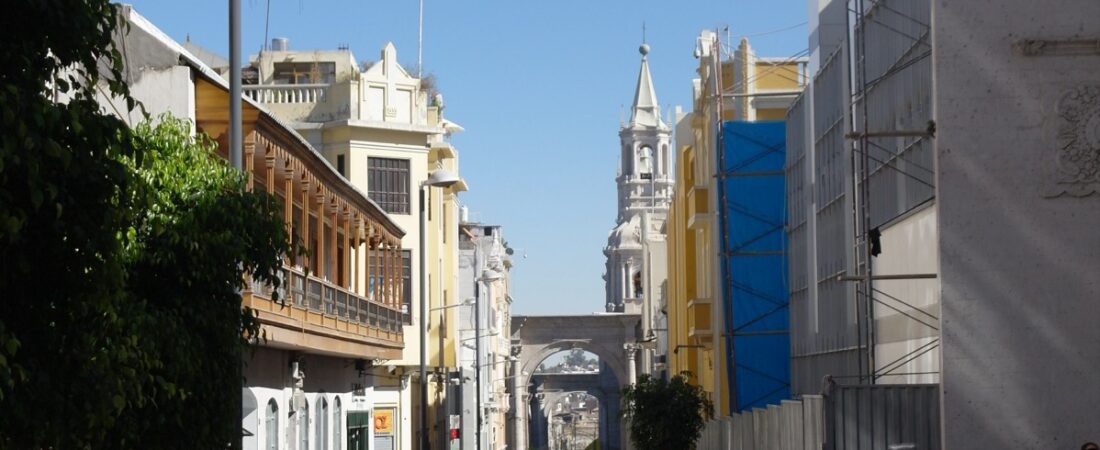
Arequipa is not tiny, and that is part of why it works. Compared with Lima, though, it can feel much more manageable. You still get a strong historic center, dry highland weather, an airport, universities, hospitals, restaurants, and normal city services. For someone who likes Peru but does not want Lima’s sprawl and pressure, Arequipa deserves a real look.
The value case is practical rather than dreamy: your money may buy a richer daily life than it would in the most expensive capital-city neighborhoods. But this is a better fit for independent people than for someone who needs an English-speaking bubble. You will want Spanish, careful rental research, and clinic-by-clinic healthcare checking before you sign anything long term.
Altitude matters here too. Arequipa is lower than Cuenca but still high enough that some people notice it. Peru also has periods of political disruption and protests, so current U.S. travel guidance and local news matter more than old retirement blog posts.
Best for: people who want a beautiful, service-rich, non-megacity base and can operate in Spanish. Be careful if: you want a beach climate, an easy expat landing, or simple medical backup with no research.
3. Manizales or Pereira, Colombia: Coffee Triangle cities with less big-city pressure
Many Americans looking at Colombia start with Medellín. That makes sense: the climate is easy to understand, the city has services, and there is plenty of online content about it. But Medellín is not a quiet secret anymore. Some people do not want the price pressure, nightlife energy, attention, or big-metro feel.
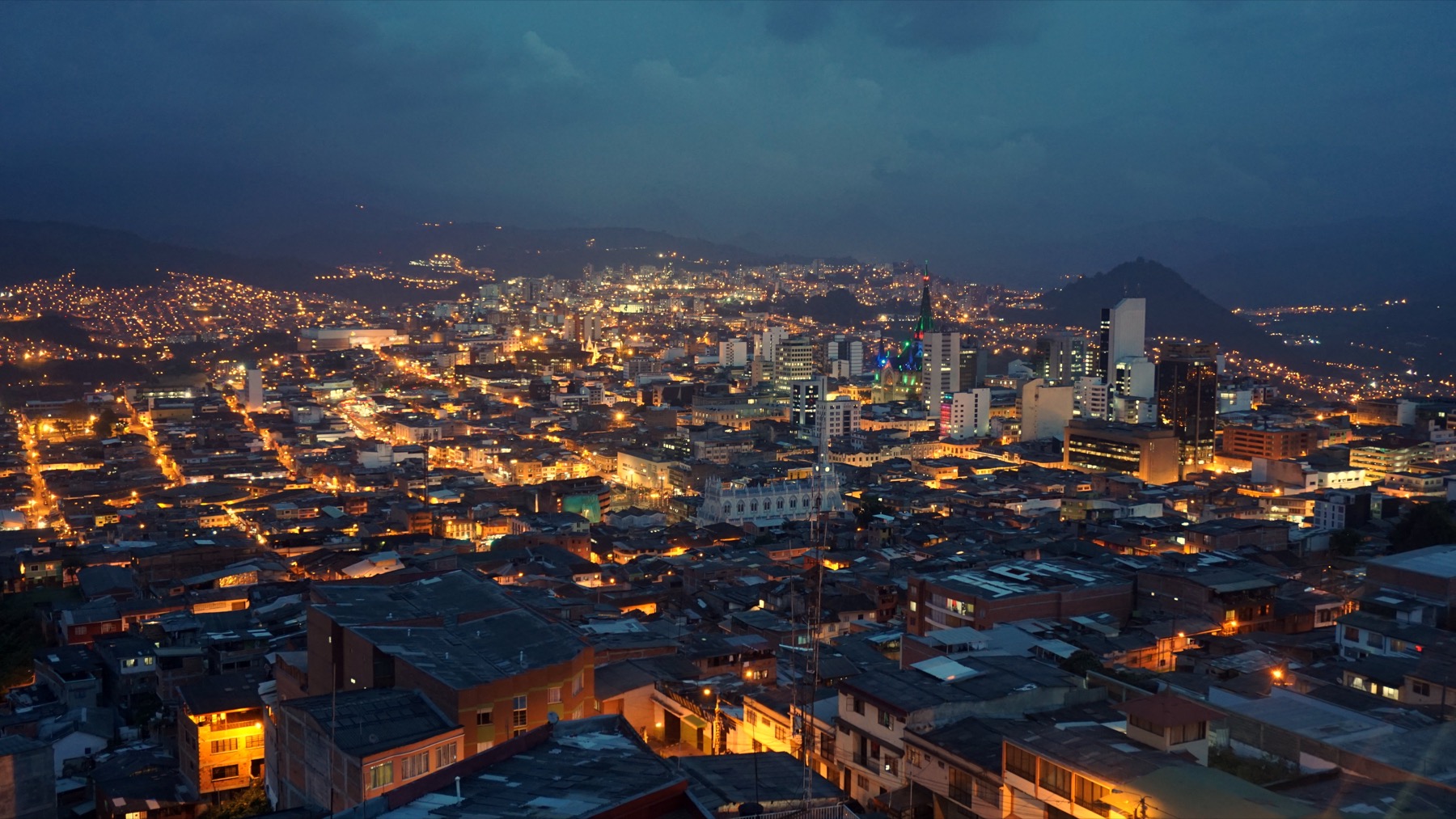
The Coffee Triangle gives you a different version of Colombia. Manizales is cooler, hillier, and often feels tucked into the mountains. Pereira is generally more logistically central and may be easier for errands and transport. Both can offer restaurants, clinics, shopping, universities, and domestic travel links without putting you in Colombia’s largest urban pressure cookers.
The tradeoffs are not small. Hills can be rough on knees, hips, lungs, and everyday energy. Rain can affect mood and mobility. Spanish matters. Safety habits still matter in Colombia: choose neighborhoods carefully, be conservative at night, watch your phone, and understand which routes and transport options locals actually use. If you have complex medical needs, know when you would go to Medellín, Bogotá, or another larger center.
Best for: people who like Colombia’s climate and culture but want a smaller, less hyped base. Be careful if: steep terrain, frequent rain, or limited English support would turn daily life into work.
4. Antigua, Guatemala: compact, social, and beautiful — with tourist pricing
Antigua is easy to picture yourself in: colonial streets, volcano views, Spanish schools, cafés, international visitors, and a compact center where you are not crossing a giant metro for every errand. It is also close enough to Guatemala City for the airport and deeper services. For a first Central America trial stay, that combination can be useful.
Just do not mistake “beautiful” for “cheap and easy.” Antigua’s tourism and international attention raise prices in the most convenient areas. Cobblestones and uneven sidewalks can be charming on vacation and tiring when you are carrying groceries or dealing with knee pain. Healthcare in town may be fine for simpler needs, but serious planning should include Guatemala City.
Treat Antigua as a practical test, not an automatic retirement answer. Spend enough time to learn whether the compactness feels freeing or limiting, and whether the tourist economy makes life easier or more expensive than you expected.
Best for: Spanish study, community, compact daily life, and a softer first landing in Central America. Be careful if: you need smooth sidewalks, low rent, deep local healthcare, or a less tourist-shaped economy.
5. Salta, Argentina: culture and value for more independent movers
Salta is the least obvious pick here, which is part of its appeal. It gives you a smaller-city Argentina option far from Buenos Aires intensity, with colonial architecture, regional culture, mountain access, an airport, and a slower pace. If you do not need a large U.S. retiree network, it can be an interesting candidate.
The warning is that Argentina rewards flexibility. Currency swings, inflation, payment logistics, health insurance choices, and long travel days from the United States can all change the experience. Salta may offer value, but it is not the simplest first move for someone who wants maximum predictability.
Best for: independent travelers who want culture, scenery, and a non-capital Argentina base. Be careful if: you need stable budgeting, frequent U.S. trips, or a well-worn U.S. retiree path.
How to choose without drowning in research
Start by eliminating places your body will hate. If altitude, heat, hills, cobblestones, stairs, or rain will make daily life harder, believe that information. A lower rent does not help if every errand becomes a recovery event.
Next, eliminate cities that fail your backup needs. If you need a particular medication, specialist, mobility support, airport access, or frequent family visits, verify those before you fall in love with a plaza. The guide to narrowing 20 destination ideas down to 3 realistic choices is useful at this stage.
Then do a real trial stay in two or three finalists. Do not make the first visit a highlights tour. Rent in a normal neighborhood, buy groceries, visit pharmacies, test taxis, check clinics, work through a few Spanish errands, and notice whether the city still feels calm after the novelty fades. For a concrete way to structure that kind of visit, see our Arequipa test-drive guide.
For healthcare, build the backup plan before you need it. Know the nearest private hospital, where you would go for specialist care, how you would pay, and what you would do if a routine prescription became complicated. Use the healthcare backup plan guide before committing to a longer lease.
Finally, do not confuse historic-center walkability with daily-life walkability. A city can be lovely for strolling and still be hard with groceries, rain, hills, uneven sidewalks, or medical appointments. The daily-life walkability checklist is especially important in places like Cuenca, Antigua, Manizales, and Salta.
The bottom line
If megacities drain you, Latin America still gives you serious options. Cuenca is the classic slower highland base. Arequipa offers real city services without Lima’s overload. Manizales and Pereira are Colombia alternatives to the Medellín default. Antigua can be a compact social landing if you can handle the tourist premium. Salta is for more independent people who want Argentina without Buenos Aires scale.
The best smaller city is not the one with the prettiest plaza or the lowest online rent estimate. It is the place where your ordinary life actually works — and where you know what you will do when it does not.
References and useful starting points
- U.S. Department of State travel advisories for current country-level safety context.
- Cuenca, Ecuador, Arequipa, Manizales, Pereira, Antigua Guatemala, and Salta for baseline geography, transport, and city context.
- Numbeo cost-of-living pages as rough, user-submitted price signals only; verify rents locally before budgeting.
- Selected article photos: Wikimedia Commons file pages for Calle Mercaderes, Arequipa and Manizales city center at dawn.


Readers who are unsure whether they want Argentina itself or just a calmer Argentina option should compare those smaller-city ideas with Buenos Aires as the big-city Argentina comparison point.
Readers who want lower stress without giving up capital-city services should compare those smaller-city ideas with Montevideo as the calmer capital comparison point.