A short stay can make Cebu City feel like a series of decisions made in traffic: where to go, what to fit in, and whether there is time to get somewhere else. With a longer stay, the more interesting question may be less about covering the map and more about what the city asks you to notice—its layers of history, the food traditions people carry forward, and the difference between a published attraction and a place you can actually visit today.
This is a companion to our practical Cebu City guide, not another guide to housing, entry permissions, clinics, or choosing a base. That guide handles the setup questions. Here, food and heritage are a way into Cebu’s character, not a promise of a ready-made weekly circuit.
Food as culture, not a guaranteed stop
Cebu’s food identity is easy to flatten into a short list of famous dishes. The Department of Tourism’s Cebu City page gives lechon a prominent place in that story, but a signature dish is only one entry point. Food also carries the work of vendors, the habits of neighborhoods, and the practical question of what feels worth seeking out when you are not on holiday.
The available reporting on tuslob buwa offers a more grounded lens. In its January 2026 coverage of the 11th Pasil–Suba Tuslob Buwa Festival, SunStar Cebu described hundreds of tables across the barangays and profiled a longtime vendor whose stall supports her family. The report describes the dish as pork brain and other pork parts cooked with garlic, onions, chili, and spices, eaten with puso, or hanging rice. That is a vivid account of a food tradition and the livelihoods around it—not a directory of stalls or proof of ordinary-day visitor access.
It is worth keeping that distinction. Festival reporting can tell you what a dish means in a community and how people gather around it; it cannot establish which vendor is open when you arrive, what a serving costs, or whether the setting is right for every visitor. If you want to try it, confirm the details of a specific stall with a reliable local source before setting out. Because the dish includes organ meats, ask about ingredients and preparation if that matters to your diet or health. And if a visit is not practical, learning about the tradition still adds texture to the city’s food story.
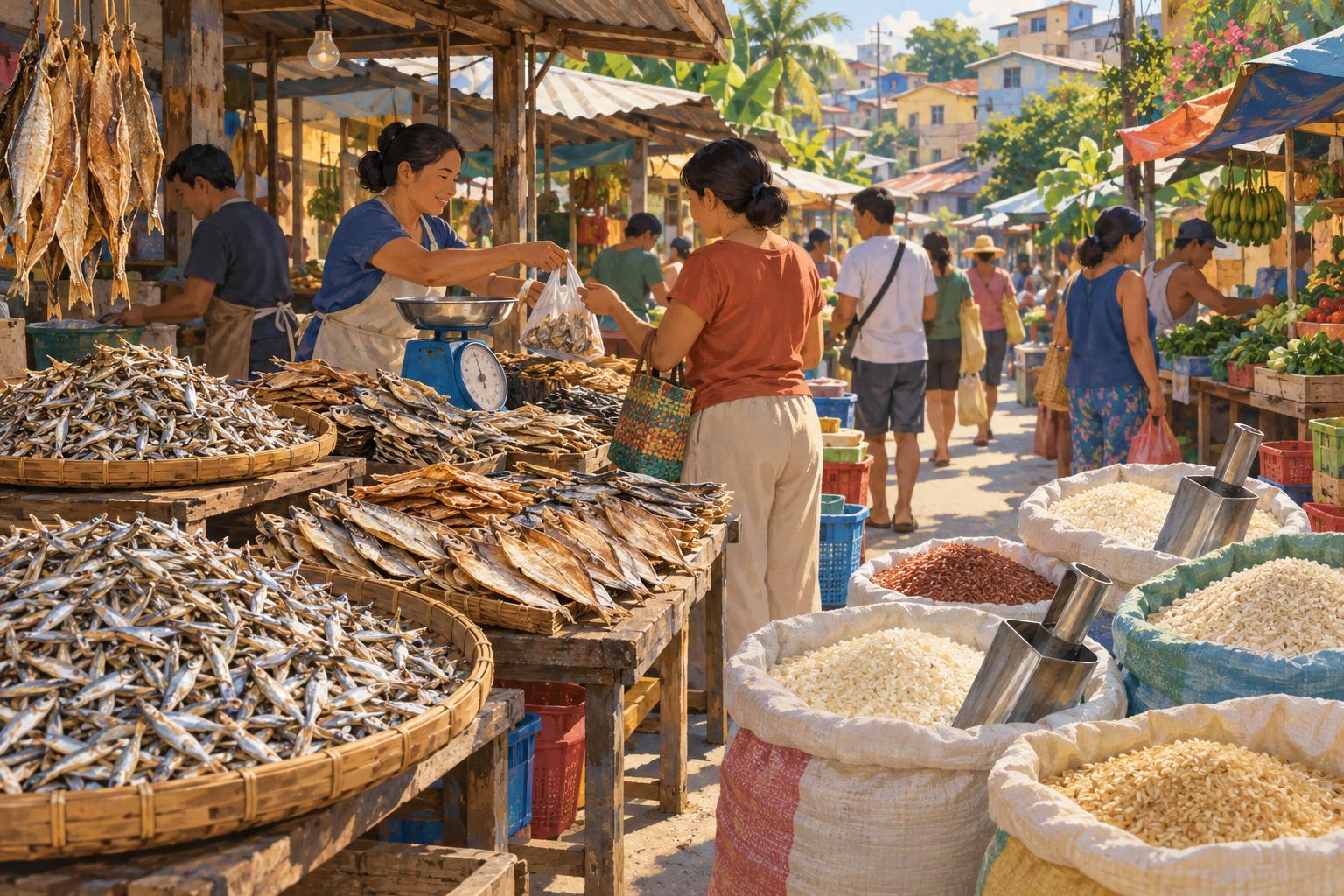
A similar limit applies to Taboan Public Market. The Department of Agriculture’s Central Visayas office reported rice retailers there during 2026 price-cap monitoring. That supports describing Taboan as a working market, but it does not establish current visitor access, hours, a useful food stop, or what a traveler could realistically do there. It is not offered here as an anchor or itinerary recommendation.
Begin with the museum’s own current information
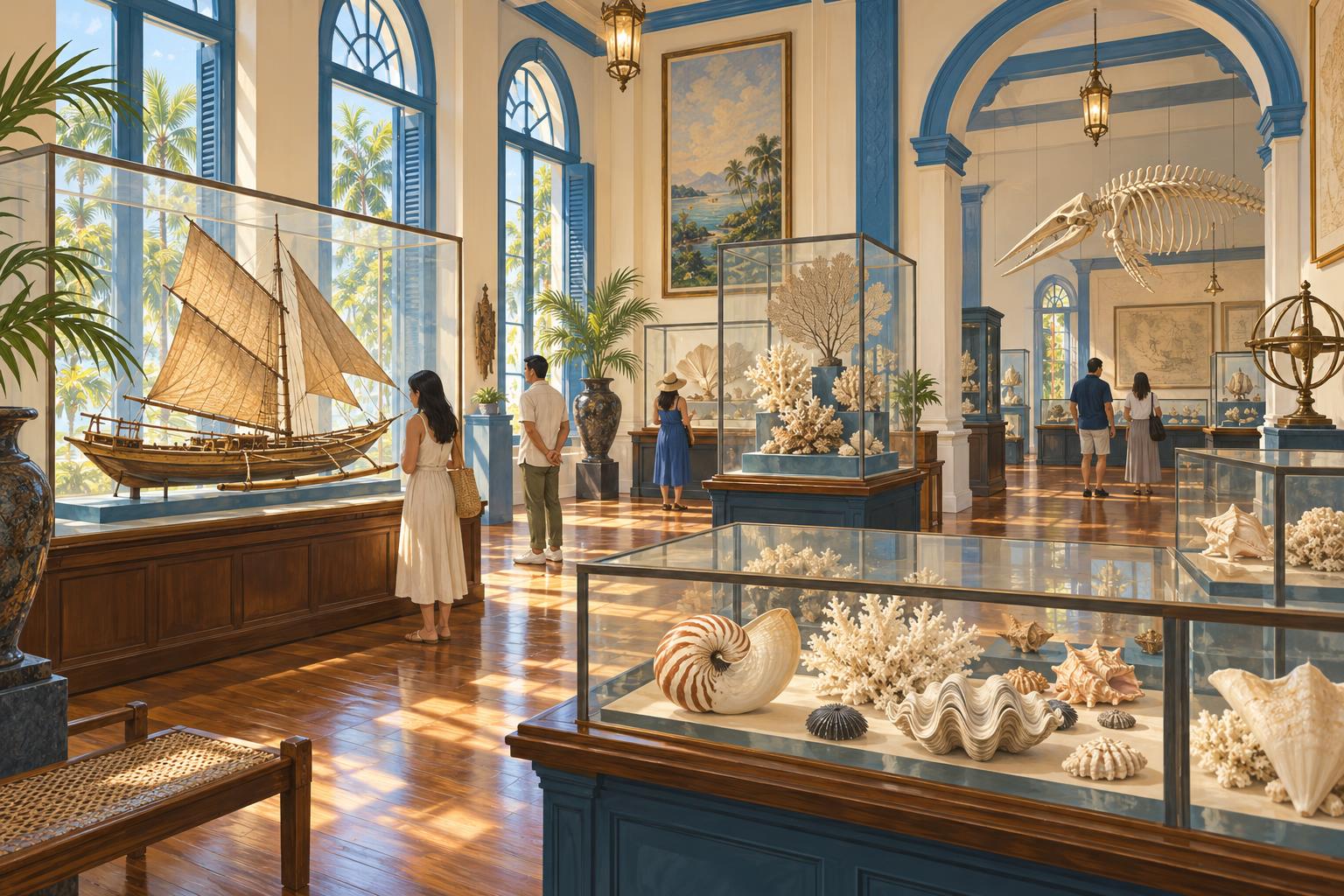
The National Museum of the Philippines–Cebu is a natural place to start a heritage exploration because its own pages give a reader something concrete to check. The museum’s location and contact page places it on A. Pigafetta Street in Barangay San Roque, Cebu City, and provides contact and reservation information. Its PAMANA booking and visitor-guidelines portal links to Cebu-specific documents. Check the latest information with the museum before going; the visitor-guidelines PDF has not been text-verified here, and this article does not promise fixed hours, admission terms, or gallery availability.
The official Cebu exhibitions listing gives the museum’s published themes: Cebu’s natural history (Kinaiyahan), earlier Cebu and its heritage (Ang Karaang Sugbo ug ang Kabiling Bahandi), maritime cultural movement (Paglawig), and the work of Maestro Tinong. That list gives a reader a sense of the subjects represented, but not a guarantee that every gallery is open on a particular day. If access is confirmed, choosing one theme to spend time with can make the visit more rewarding than trying to take in everything at once.
The appeal of a museum on a longer stay is not that it fills a slot in a schedule. It offers a way to return with a more specific question, or to share a cultural visit with someone later without rebuilding an entire day around it. The experience can be modest: one building, a few rooms, and enough time to pay attention. No claim of firsthand familiarity is needed to see why that format may suit a city that is often approached through traffic and logistics.
Heritage is more than a route
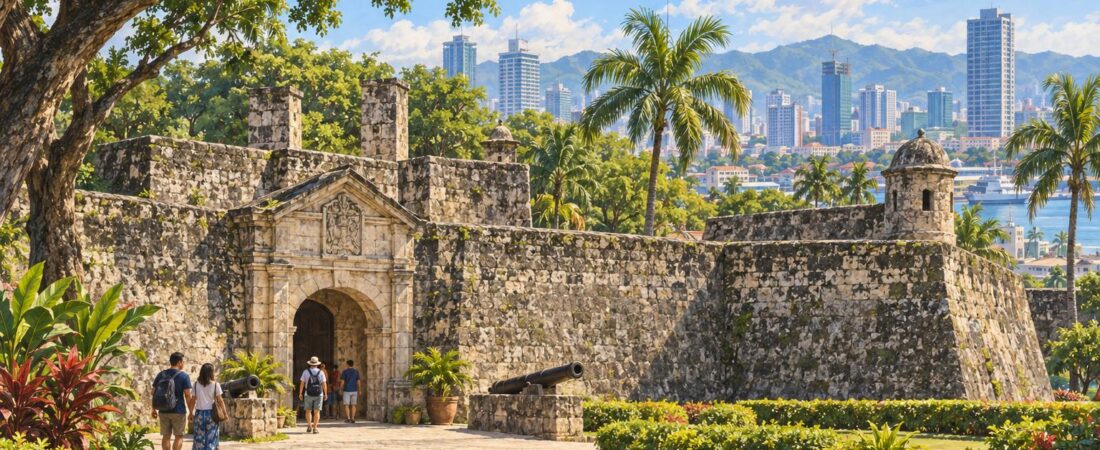
The Department of Tourism identifies the Basilica del Santo Niño, Magellan’s Cross, and Fort San Pedro among Cebu City’s heritage landmarks. They carry different meanings and operate under different conditions. The Basilica is a place of worship, not simply a photogenic stop. Respectful dress and behavior matter, and access may be affected by services or other notices. The DOT page is useful for context, not a live access guarantee; check each site’s own current notices before planning a visit.
A January 2026 report in The Freeman described a Cebu City heritage route prepared for visiting delegates. It included Magellan’s Cross and the Basilica, then Zamora Street toward the cathedral and Patria de Cebu, with Colon, Parian, Fort San Pedro, the Cebu City Museum, and Casa Gorordo elsewhere on the route. The reported circuit included a bus segment and was prepared for an event. It is not evidence of a standing self-guided tour, a recommended route, or a promise that every stop can be combined easily.
That account is still useful as a reminder of how much historical material the city contains. Instead of treating the route as a checklist, a visitor can use it to identify places worth learning about and then verify access independently. Heat, traffic, religious observances, restoration work, and local conditions can all change what makes sense on a given day. A heritage visit need not become a marathon to be worthwhile.
Cebu Province announced the public reopening of Museo Sugbo in August 2025. The provincial announcement establishes that reopening at that time; it does not settle today’s hours, admission, or which galleries are accessible. Treat it as a lead for further checking, not a present-day access promise. The same restraint applies to Fort San Pedro: the 2026 Freeman report noted a roof-repair concern, so do not assume access to any particular section without a current confirmation.
Weather and access can change the shape of a visit
Cebu’s heat and rain affect how an outing feels, even when a site is open. If severe weather or a local disruption could affect your plans, check PAGASA’s current severe-weather bulletins alongside local notices. A bulletin is time-sensitive; it is not a substitute for site-specific updates. Our Philippines rainy-season base-planning guide covers the broader questions of where to stay and how to plan around wet weather. This article stays with the cultural experience rather than making a base-choice recommendation.
The practical value of an exploration is personal. A museum or heritage site that sounds compelling on paper may not fit the time, energy, or location you have. Conversely, one confirmed visit can be enough to make Cebu’s past feel less abstract. Check access directly, keep expectations proportionate to the evidence, and leave room for a plan to change. There is no need to turn uncertainty into a promise or every outing into a test of whether a whole week is repeatable.
Let curiosity set the scale
The stronger version of this story is not a week mapped out in advance. The sources do not establish a reliable ordinary-day food anchor, and the city’s cultural sites need current, site-by-site access checks. What they do support is an invitation to explore: learn about a food tradition through reporting that takes its vendors seriously; use the National Museum’s own pages to understand its Cebu themes and check access; and approach the heritage landmarks as active places with their own histories and rules.
For someone staying longer, that can be enough. Cebu’s food and heritage need not be packaged as a seamless itinerary to be meaningful. They are subjects to return to, ask better questions about, and encounter at a scale that fits the day you actually have.
If you are weighing Cebu’s cultural depth against a smaller Philippine city, see Dumaguete beyond the first week for a separate look at its food, culture, and ordinary-day rhythm.
References and access checks
- Philippines Department of Agriculture, Regional Field Office 7, 2026 report on rice price-cap monitoring including Taboan Public Market: https://rfo7.da.gov.ph/index.php/p50-price-cap-sa-imported-broken-rice-gisubay-sa-da-cv-sa-mga-merkado-sa-cebu-ug-bohol/
- National Museum of the Philippines–Cebu, official location/contact page: https://www.nationalmuseum.gov.ph/nmp-cebu-2/
- National Museum of the Philippines, Cebu exhibitions listing (themes, not a current-access guarantee): https://www.nationalmuseum.gov.ph/exhibitions-cebu/
- National Museum of the Philippines, PAMANA regional museum booking and visitor-guidelines portal: https://reservation.nationalmuseum.gov.ph/reservation/book/region-museum
- Philippines Department of Tourism, Cebu City destination page (heritage and food context): https://philippines.travel/destinations/cebu-city/index
- Cebu Province, August 2025, Museo Sugbo public reopening announcement (not proof of current hours or all-gallery access): https://www.cebu.gov.ph/2383/museo-sugbo-reopens-with-unveiling-of-cultural-property-and-provincial-marker/
- The Freeman, January 21, 2026, Cebu City heritage circuit for ASEAN Tourism Forum (event route, not a standing walking tour): https://qa.philstar.com/the-freeman/cebu-news/2026/01/21/2502452/city-readies-heritage-circuit-asean-tourism-forum/amp/
- SunStar Cebu, January 12, 2026, report on the 11th Pasil–Suba Tuslob Buwa Festival and vendor livelihoods (festival reporting; does not verify ordinary-day stall hours or access): https://www.sunstar.com.ph/cebu/pasil-suba-mark-11th-tuslob-buwa-festival
- PAGASA, current severe-weather bulletin page: https://www.pagasa.dost.gov.ph/tropical-cyclone/severe-weather-bulletin