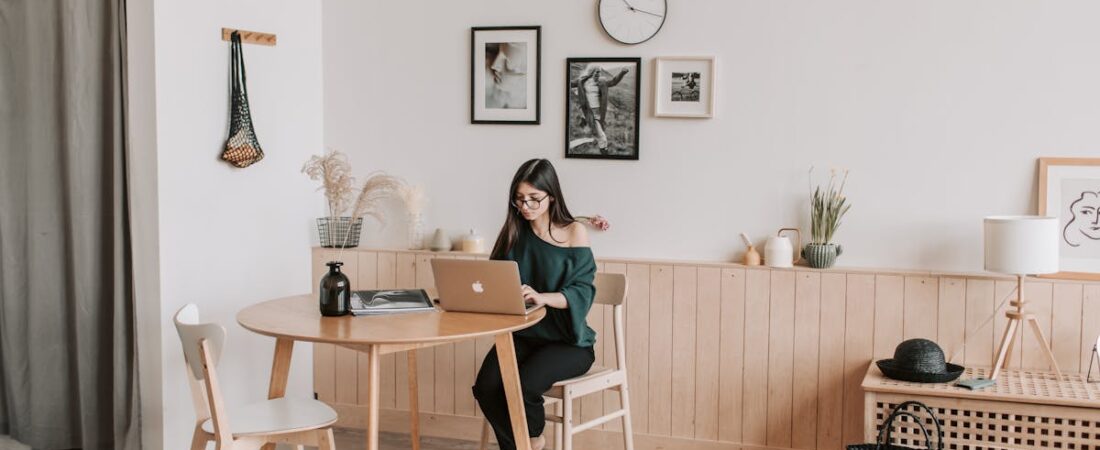
A lightweight apartment workspace is not supposed to recreate your home office. It is supposed to let you work, write, plan, or handle life admin without packing half a desk into your luggage.
A lot of people swing between two bad extremes. Either they bring almost nothing and end up hunched over a bad chair with weak internet, or they overpack accessories and turn one corner of the trip into a portable electronics project.
The better approach is smaller and more honest. Figure out what kind of work actually happens on the trip, then build just enough support around that reality.
Define the work before you define the gear
Answer a boring question first: what are you really doing from the apartment? Email and research? Calls? Writing? Video-heavy client work? Basic admin? Different work patterns create very different gear needs. If the trip only requires a laptop, headphones, and a clean surface, do not pack like you are opening a branch office abroad.
This matters because most workspace clutter comes from hypothetical tasks. People pack for the imagined version of themselves who might edit audio, run dual displays, stream, present, and monitor three systems at once. Then they spend the whole trip doing email and Zoom.
Use the apartment first, then add the smallest useful layer
Look at what the apartment already gives you. A table. A decent chair. Natural light. A power outlet close enough to matter. A quiet corner. You can do a surprising amount with those basics if the connection and power plan are handled. Add only the pieces that fix a real recurring problem.
- If the table is fine, do not bring a stand just because stands exist.
- If calls matter, a reliable audio option deserves more attention than fancy accessories.
- If uploads matter, your internet fallback matters more than almost anything else.
- If posture gets rough fast, one small support item may be worth more than three random gadgets.
Your bag should carry the mobile layer, not the entire workstation
Think of the apartment setup as two layers. The mobile layer is what you carry: laptop, charger, audio, maybe a small mouse or notebook if you truly use it. The apartment layer is what the space contributes: table, chair, lamp, outlet, and whatever daily rhythm you create there. Once you separate those layers, the whole setup gets calmer.
That is also why What Apartment Wi-Fi Gets Wrong for Longer Stays and How to Build a Reliable Internet Plan for Long-Stay Travel matter so much. A workspace without dependable connection logic is just attractive furniture.
Solve comfort in the smallest possible way
You do not need an ergonomic manifesto. You need a setup that you can tolerate for the length of the work you actually do. Sometimes that means raising the screen slightly. Sometimes it means taking calls with better earbuds. Sometimes it means choosing the brighter side of the table near the window and stopping there.
Small corrections are usually enough for shorter overseas stretches. The trick is catching the discomfort early instead of muscling through it for ten days and then blaming the whole trip.
Keep the setup easy to pack away
A good apartment workspace should disappear quickly when you want the table back for dinner, trip planning, or just feeling like the place is still an apartment instead of a semi-permanent command center. That means fewer loose accessories, fewer things that sprawl, and a strong bias toward cable discipline.
The most useful workspace items are usually ordinary
Usually the quiet winners are a reliable charger, a sensible cable, decent audio, one notebook or notes system, and maybe one very small comfort or posture fix. The glamorous add-ons are often the first things you realize you did not need. The ordinary pieces do the work.
What not to bring
Skip anything you cannot explain in one sentence. If you packed it because you imagined a version of the trip where you might want a more “serious setup,” that is usually a warning sign. Long-stay travel rewards tools that are easy to carry, easy to repack, and easy to use when you are already dealing with unfamiliar surroundings.
If the rest of your bag still feels noisy, pair this with Best Power Kit for Long-Stay Travel and A Low-Stress Tech Pouch Setup for Long-Stay Travel. Those two pieces do a lot of the invisible work that keeps a small apartment workspace from turning messy.