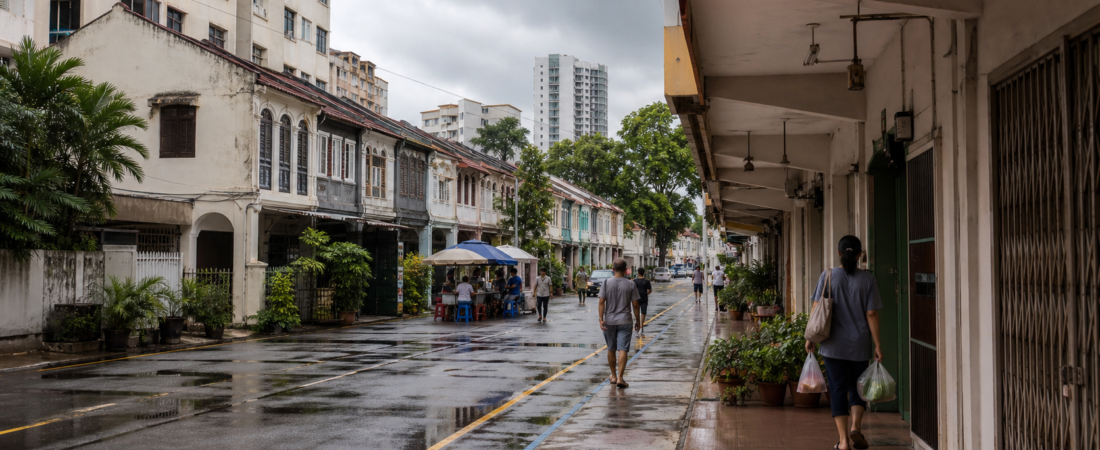
Penang can appeal to Americans who want a tropical Malaysia base shaped by daily food options, an established George Town service core, and a slower-feeling routine than Kuala Lumpur. That appeal needs a reality check. The island is not one uniform neighborhood, heat and rain change a simple errand, and a heritage-core address, condo district, hillside building, or coastal location can produce very different days.
Quick answer: Penang can suit Americans looking for a food-centered, tropical island-city routine with George Town services and healthcare options to investigate. Treat the City Fit Dashboard’s $1,500 to $2,800 monthly range as a planning band, not a promise: furnished rent, building quality, air conditioning, location, transport, healthcare coverage, and travel habits can change the real total quickly. It is a weaker fit if you need dependable compact walkability, cool weather, or a simple beach-town routine without testing the exact district first.
Who Penang is best for
Penang is strongest for a reader who wants to build a real routine around a particular neighborhood rather than buy a generic “island life” idea. George Town and surrounding districts can offer varied meals, groceries, pharmacies, apartments, and services within reach. That does not make every address easy. The practical radius changes with traffic, rain, pavement conditions, hill or bridge distance, and how often you rely on a car or rideshare.
Food is part of the city’s everyday appeal, but it should not do all the decision-making. Test the grocery options you would actually use, the route home with bags, water and air-conditioning reliability, and the places you would go on an ordinary Tuesday. Compare Penang in the City Fit Dashboard, alongside Kuala Lumpur, Chiang Mai, Bangkok, Cebu City, and other possible bases. The dashboard is a shortlist tool, not an immigration, medical, housing, or affordability guarantee.
Budget and housing reality
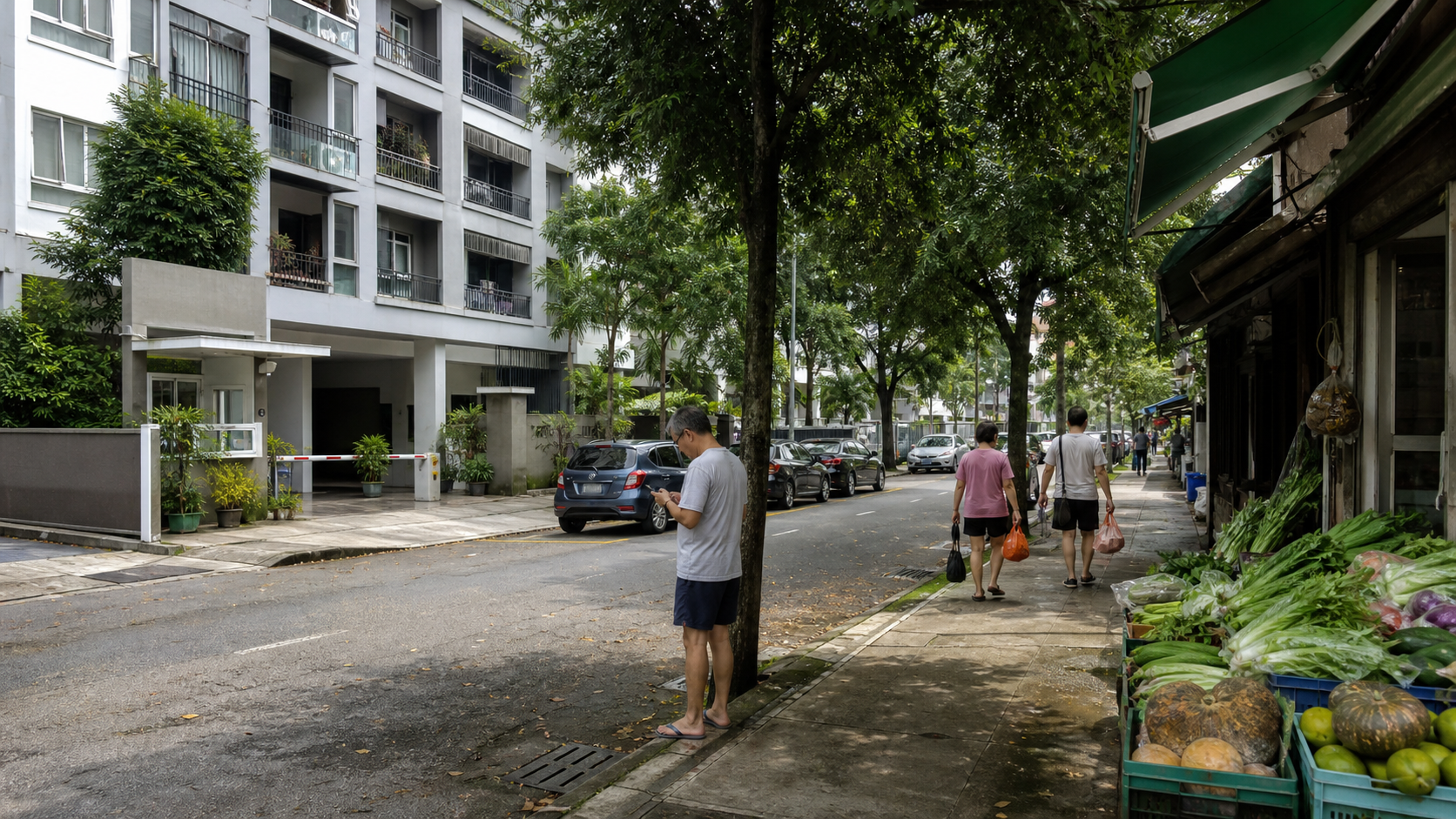
The dashboard’s $1,500 to $2,800 range is intentionally broad. Numbeo’s George Town page can provide crowd-sourced directional context, but it cannot price the particular furnished unit, utility bill, building condition, commute, or comfort standard that will shape your month.
Build the budget from an address and real dates: furnished rent, deposits, electricity for air conditioning, mobile-data backup, groceries, transport and occasional rides, insurance, medication, airport transfers, and a contingency. A compact routine in a practical location can feel manageable. A newer condo, a location that adds regular rides, frequent restaurant meals, imported products, or a high-comfort U.S. routine can move the total quickly.
Ask for a current video walk-through rather than relying on listing photos. Confirm the exact unit, orientation, water pressure, air conditioning, desk space, noise, internet, elevator, building access, laundry, delivery handling, utility responsibility, and repair process. A “near George Town” or “near the beach” label is not a useful answer until you have walked the actual route in the conditions you will live with.
Daily routine, rain, and getting around
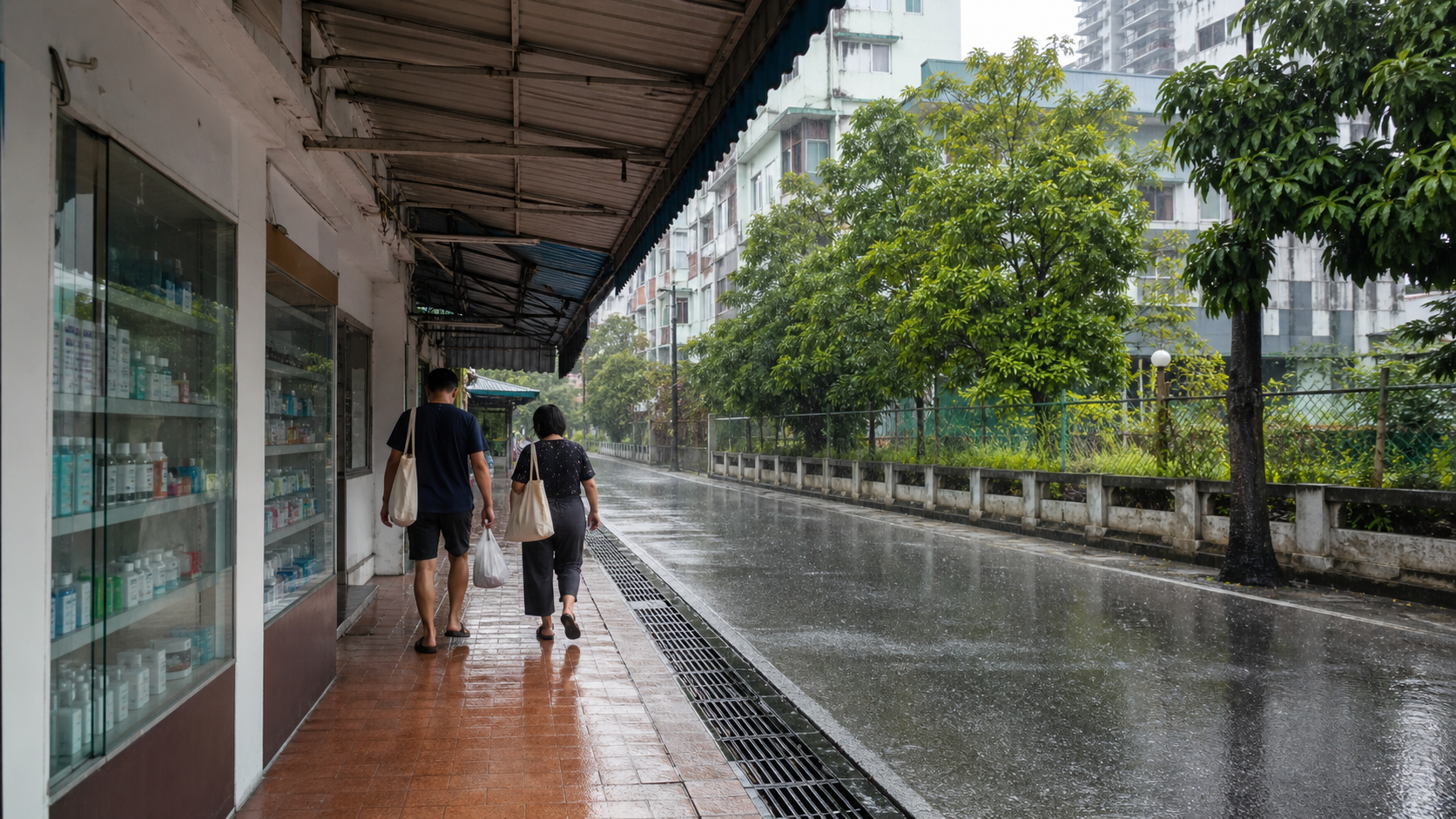
Penang works best when the ordinary loop is small and tested. Walk from the proposed building to groceries, a pharmacy, a place to work, and a realistic pickup point. Do it once in daytime and once after dark; if possible, do it in heat or rain. Uneven pavements, drainage, traffic, a difficult crossing, or a long last mile can turn an attractive map pin into a tiring routine.
Do not use a transit map or an old route listing as proof that a specific commute will work. Reconfirm current routes, fares, accessibility, service notices, and pickup conditions in a browser before choosing housing. The official Rapid Penang route page did not resolve cleanly during the research pass, so this draft makes no route, frequency, fare, or accessibility claims.
For remote work, test the exact connection, calls, uploads, cooling, noise, and mobile backup you need. A listing’s “fast Wi-Fi” label is not a dependable-workday plan. Keep your address available offline, have a payment and phone backup, and make sure the first-week errands still work when the weather is inconvenient.
Healthcare and stay planning
This is general planning, not medical or immigration advice. Penang has healthcare options to investigate, but that does not establish that a particular hospital, specialist, prescription, insurer, or emergency route will work for you. Before a longer stay, identify the provider you would use, how you would reach it, what payment or insurance process applies, and what you would do if the preferred option is unavailable.
The U.S. Embassy in Malaysia’s citizen-services page is a current starting point for consular and emergency information; it is not a substitute for insurance or a local care plan. If medications, ongoing care, or a medical buffer are central to your choice, the Medical Prep Abroad Kit is a practical worksheet for questions to settle before travel.
Do not infer long-stay permission from a smooth tourist visit. Passport-specific entry, stay duration, extensions, work permissions, tax obligations, and insurance conditions can change. Start with the official Malaysia eVISA portal, then verify the rule for your passport, purpose, dates, and work arrangement before booking a nonrefundable long stay.
A useful first-week test
Book the type of district and building you might actually choose. Buy a normal grocery basket, make a rain-day pharmacy run, try a rideshare pickup at a realistic time, and test a real work call. Check the unit in the morning, after dark, and when the weather changes. Ask management how repairs, deliveries, internet outages, parking, and guest access work.
Then compare the experience with the Malaysia country guide and the Malaysia city comparison. Penang should remain on the list because the ordinary route feels sustainable—not because a food-focused weekend or waterfront visit felt easy.
Bottom line
Penang can be a compelling exploratory base for Americans who value tropical island-city living, daily food options, and access to services around George Town, provided the actual neighborhood, building, weather routine, and health plan work. It is not automatically cheap, walkable, quiet, beach-like, or simple. Test the exact address, rain-day movement, transport backup, healthcare plan, and current stay rules before extending the commitment.
If it stays on your shortlist, use the Destination Shortlist Kit to compare the address, healthcare preparation, transport routine, and daily-friction questions against Kuala Lumpur, Chiang Mai, Cebu, or another real alternative.
References
- Malaysia Immigration: eVISA portal
- U.S. Embassy in Malaysia: citizen services
- Numbeo: Cost of Living in George Town
For a Philippines alternative, the Philippines long-stay guide explains why city type, healthcare planning, weather-day movement, and the exact address matter more than an island-life label.
Wondering what a month in Penang could feel like? Read the four-week Penang rhythm companion for repeatable food, culture, hill, and mainland days beyond the sightseeing list.