Quick answer: The most useful Latin America shortlist for Americans who want lower costs and a pleasant climate includes Cuenca, Medellín/Envigado, Querétaro, Lake Chapala/Ajijic, Oaxaca City, Boquete, and, for heat-tolerant people, Mérida or David. None is perfect. The real decision is whether the climate, healthcare, rent, safety routines, transport, internet, language demands, and visa rules fit your ordinary life.
Latin America gets a lot of attention from Americans because it can make practical sense. Flights are shorter than Europe or Asia. Time zones are easier for family, work, and banking. In many cities, everyday costs can be lower than in the United States. And the climate choices are wider than people expect: cool highland mornings, springlike valleys, dry high-desert cities, warm tropical winters, and mountain towns where air conditioning is not the center of life.
But “lower cost and good climate” is not a destination. It is a set of tradeoffs. The city with the prettiest weather may sit at 8,000 feet. The place with the best hospitals may no longer be cheap in popular neighborhoods. A warm city may be comfortable only if your apartment has shade and you can afford the electric bill. A historic center may be charming for a week and tiring after six months of broken sidewalks, hills, noise, or traffic.
So treat this as a first shortlist, not a verdict. These are cities and regions worth comparing if you are planning a trial stay, a part-time base, or a retirement-minded move. The goal is not to find paradise. It is to find a place where the numbers, the weather, and the daily friction are all tolerable at the same time.
Start with the climate you can actually live in
Before you compare rents, decide what “good climate” means for your body. Some people want cool nights and can handle altitude. Some want heat and never want to own a sweater again. Some need low humidity. Some need a place where they can walk to groceries without arriving drenched or winded.
For most modest and middle-income Americans, the best first base is rarely the cheapest town on a spreadsheet. It is a place with enough services, a realistic rental market, sensible transportation, current safety information, and internet that works in the exact apartment you rent. Climate only helps if the rest of daily life still works.
If you are comparing countries from scratch, use the broader cost, healthcare, safety, and internet comparison framework. And if this is your first serious stay abroad, assume your setup months will cost more than your settled months. The first-90-days-abroad budget guide explains why short-term rent, deposits, taxis, prescriptions, and beginner mistakes can distort the early numbers.
Cuenca, Ecuador: mild highland living with a slower rhythm
Cuenca is one of the clearest examples of the Latin America value-and-climate idea. It has a mild Andean climate, a walkable historic core, private clinics and dentists, grocery stores, cafés, buses, taxis, and a long-running expat presence. It feels like a real city, not a remote retirement fantasy.
The appeal is simple: many Americans can imagine a comfortable life there without rebuilding a U.S.-style car-and-suburb budget. A careful solo renter or couple may use a rough $1,500 to $2,500 per month planning range, depending on rent, healthcare, insurance, eating out, travel, and how much imported comfort they expect. That is a planning range, not a promise.
The hard question is altitude. Cuenca is around 8,400 feet. Some people adjust quickly; others do not. The weather can also be cooler, wetter, and cloudier than the phrase “Latin America” suggests. If Cuenca interests you, do a proper trial stay and pay attention to sleep, breathing, walking hills, mood, and joint pain. Do not decide from photos.
Ecuador’s national security picture has also become more complicated in recent years, so current city and neighborhood checks matter. Start with the Cuenca guide for Americans seeking lower-cost, slower retirement living, then verify current conditions before booking a long stay.
Medellín and Envigado, Colombia: springlike weather with big-city depth
Medellín became popular for an understandable reason: the valley climate is easy to like. Temperatures are often described as springlike, the hills are green, and the city has enough infrastructure that you do not feel cut off. Envigado, just south of Medellín, can appeal to people who want the metro-area services with a more residential feel.
The strength here is convenience. Medellín has private hospitals, specialists, restaurants, cafés, furnished rentals, coworking spaces, a metro system, airport access, and a large social scene. For Americans who want pleasant weather but still need big-city healthcare and services, that combination is hard to ignore.
The caution is just as important. Medellín is not a bargain-basement secret anymore in the neighborhoods foreigners usually choose. Furnished rent can climb quickly, and safety depends heavily on neighborhood, habits, time of day, and who you spend time with. Treat nightlife, dating, drugs, and showing wealth as serious risk areas, not vacation entertainment. Use conservative transport at night and learn enough Spanish to reduce avoidable friction.
If Colombia is on your list, read Medellín for Americans who want climate, convenience, and a bigger-city base before deciding whether the tradeoff fits you.
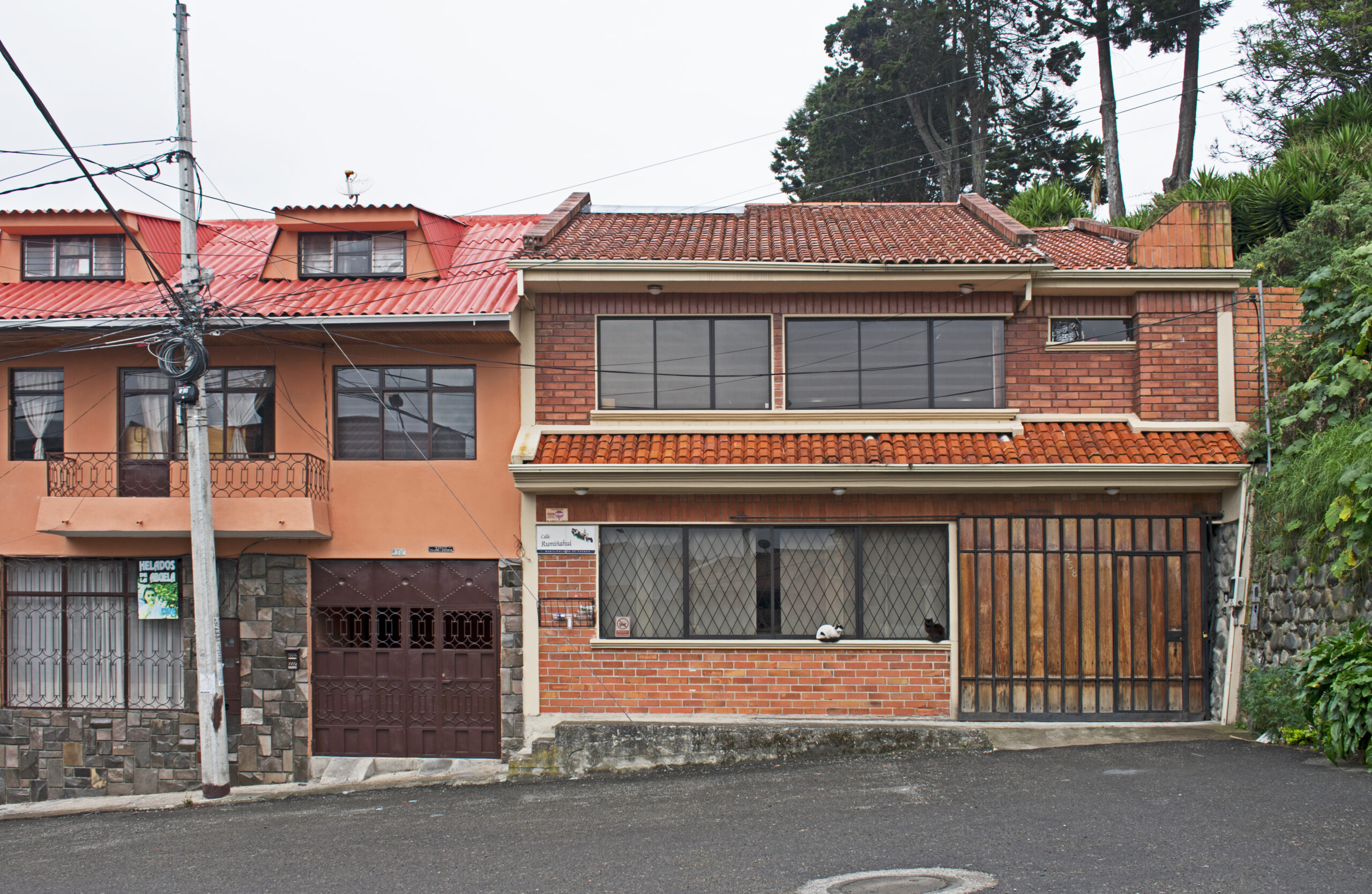
Cuenca Calle Rumiñahui 258 by Ymblanter, licensed under CC BY-SA 4.0, via Wikimedia Commons.

Querétaro, Mexico: organized, service-rich, and easier to handle than a megacity
Querétaro is a strong Mexico candidate for people who want a real city with services, but do not want the scale of Mexico City. It has private healthcare, shopping, buses, an airport, modern neighborhoods, and a colonial center. The climate is generally high-desert rather than tropical, which can be easier for people who dislike heavy humidity.
It is not the cheapest version of Mexico, and it is not automatically walkable. Many comfortable neighborhoods assume taxis, rideshare, buses, or a car. Rents have risen in desirable areas as more professionals and foreigners look at the city. Querétaro is usually a “pay a bit more for order and services” option, not the place to chase the lowest possible monthly rent.
It can be a good first Mexico base if you want structure, healthcare access, and a less chaotic arrival. Compare it with the Mérida vs. Querétaro vs. Oaxaca vs. Lake Chapala guide and the broader Mexico lower-cost cities guide.
Lake Chapala and Ajijic, Mexico: mild weather and an easier social landing
Lake Chapala and Ajijic are not big-city choices, but they keep showing up for retirees because they solve two common problems: climate and community. The weather is famously mild, and the established English-speaking expat network can make arrival less lonely than landing cold in a more local town.
The practical advantage is the connection to Guadalajara for bigger healthcare, airport access, and services. Around the lake, the pace can be gentler. Social clubs, informal networks, and familiar expat services make the first few months easier for people who do not want to figure out everything alone.
The tradeoff is price and scale. Easy expat landing zones often cost more than people expect. Prime rentals, lake views, and high-season inventory can stretch a budget. Sidewalks may be uneven, walkability depends on the exact location, and many residents eventually rely on taxis, drivers, or a car. If you need big-city energy, it may feel too small. If you want mild weather and community, it deserves a test stay.
Oaxaca City, Mexico: culture and climate, with real local friction
Oaxaca City is easy to love from a distance. The food, markets, architecture, art, and walkable central neighborhoods can be deeply appealing. Its altitude gives it more comfortable weather than many hotter coastal places, especially in the better seasons.
For Americans who want culture rather than polished convenience, Oaxaca can be a strong trial-stay city. But it is not the effortless low-cost answer sometimes sold online. Rents have risen in popular areas. Water interruptions, infrastructure quirks, protests, and roadblocks can affect daily logistics. Healthcare may be fine for routine private care, but specialist and emergency planning should be checked before a longer stay.
Oaxaca fits people who can enjoy character without needing every system to be predictable. If you want easier parking, more modern apartments, and a smoother setup, Querétaro may be a better Mexico test. For country-level context, pair both with Mexico for Americans wanting affordable longer-term living.
Mérida, Mexico: practical and service-rich, but only if you can handle heat
Mérida belongs on the shortlist with a large asterisk. It has many practical strengths: private healthcare, shopping, culture, flights, regional services, and a reputation for relative safety within Mexico. It is a real city with a strong local identity, not just a resort-adjacent stop.
The climate is the deciding issue. Mérida is hot and humid for much of the year. If you love warmth, rent a shaded place, and can budget for air conditioning, it may feel good. If you are trying to escape oppressive heat, Mérida may be the wrong answer even if the rent looks attractive.
Before choosing it, price electricity, ask about insulation, check window orientation, test the neighborhood on foot in the afternoon, and understand rainy-season drainage. Lower rent does not help much if you are uncomfortable inside the apartment for half the year.
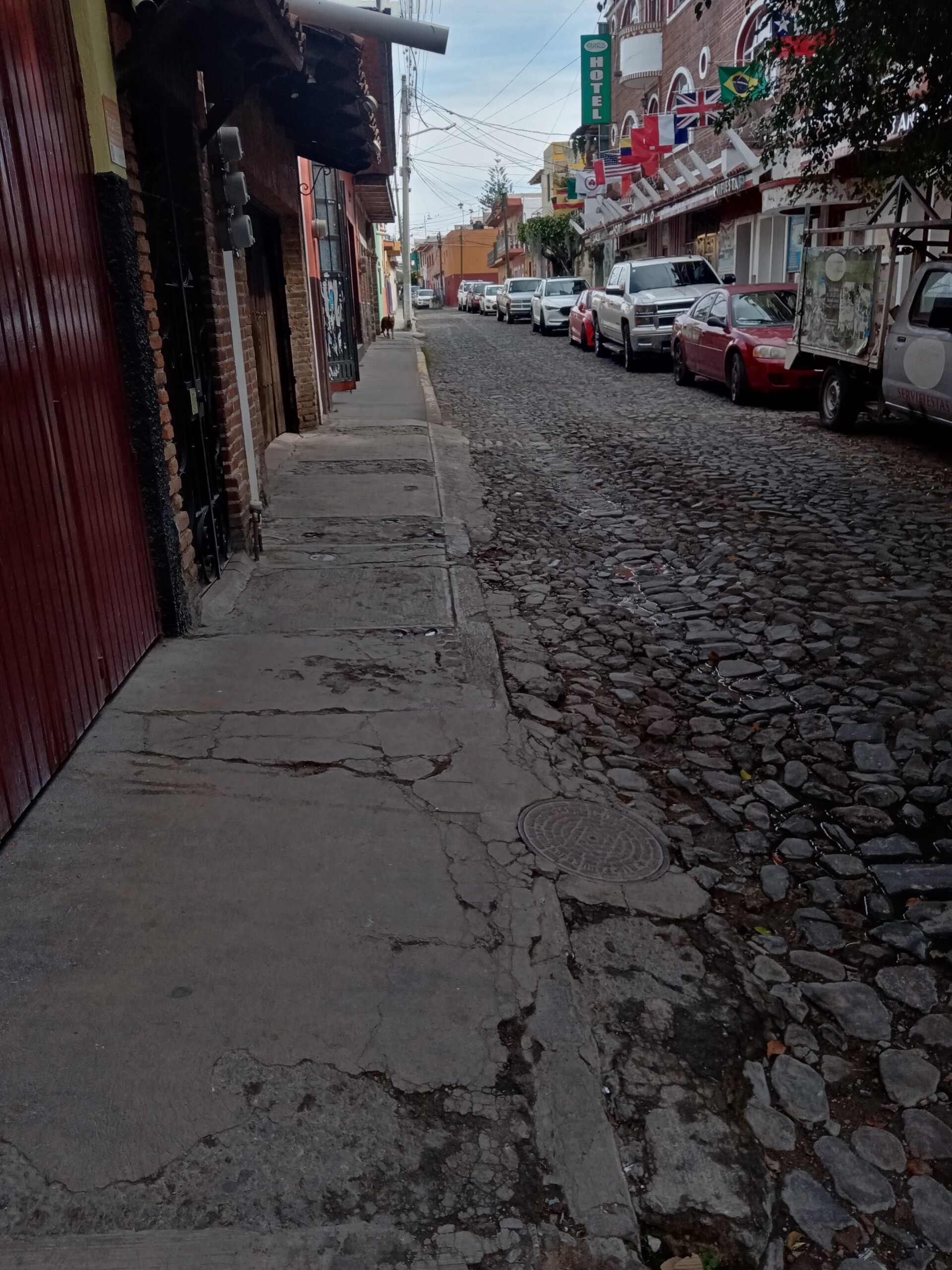
Calle Guadalupe Victoria, Ajijic, Jalisco by YdelaT, marked CC0 1.0 Public Domain Dedication, via Wikimedia Commons.

Boquete and David, Panama: cooler mountain life or hotter service access
Panama offers a useful contrast. Boquete, in the mountains, is the cooler, greener, more expat-famous choice. David, in the lowlands, is hotter and less romantic, but often more practical for regional hospitals, shopping, errands, and transportation.
Boquete works best for people who dislike tropical heat and want a smaller mountain routine. It has cafés, outdoor activities, foreign residents, and enough English-friendly familiarity to soften the landing. But expat demand can push prices higher than expected, rental inventory can tighten, and specialist healthcare usually requires a plan beyond town.
David is the opposite kind of practical. It can be better for errands and services in western Panama, but the lowland heat is real. Some people may use the two together: live in or near Boquete for climate, use David for services, and keep Panama City in mind for bigger medical needs.
For a deeper look, use Panama City vs. Boquete vs. David for different budgets and retirement styles, the broader Panama transition guide, and the warm-weather Panama places guide.
Antigua or Quetzaltenango, Guatemala: worth researching, not the safest default
Guatemala’s highland cities can be appealing for weather, cost, and culture. Antigua has beauty, cafés, Spanish schools, and an easy social scene for short stays. Quetzaltenango, often called Xela, is cooler, less polished, and often more affordable.
For this article, they belong in the “research carefully” category. Safety, infrastructure, healthcare depth, and long-stay paperwork need closer attention. A language-school stay is one thing. A healthcare-dependent retirement move is another. If you want the smoothest first landing, Cuenca, Querétaro, Medellín/Envigado, or parts of Panama may be easier places to start.
What your monthly budget should assume
Use budget bands, not guarantees. In many non-prime areas, a lean solo renter might plan around $1,300 to $1,800 per month. A more comfortable solo renter or budget-conscious couple in an established service city may land closer to $1,800 to $2,800 per month. Central furnished housing, strong air conditioning, private insurance, imported groceries, frequent restaurants, high-season rentals, or regular travel can push costs to $2,800+.
USD ranges are especially sensitive to exchange rates, rental timing, medical needs, and whether you are paying short-term furnished prices. The first 90 days are usually the least efficient months because you are still learning where to shop, how to move around, which neighborhoods feel right, and which conveniences are worth paying for.
The checks that matter before choosing a city
- Healthcare: Identify nearby hospitals, private clinics, pharmacies, and specialists before choosing a smaller town. If routine care, urgent care, or evacuation planning matters, use the travel insurance vs. paying cash abroad guide.
- Apartment reality: Verify water pressure, hot water, stairs, elevator reliability, noise, cooling, heating, mold, security, and internet in the exact unit. The one-to-three-month apartment guide is useful before you sign anything.
- Walkability: A pretty center is not the same as a livable neighborhood. Check shade, hills, traffic, groceries, pharmacies, sidewalks, and whether you would walk after dark.
- Climate: Visit during the difficult season if you can. Highlands may mean altitude and rain. Lowlands may mean heat, humidity, insects, AC bills, and storm-season planning.
- Safety: Read current advisories, then go more local. Ask current residents about neighborhoods, taxis, scams, night routines, and which areas they avoid.
- Internet: Country-level speed rankings are not apartment-level guarantees. Run a speed test in the unit, check router placement, and keep mobile data as backup if you work online.
- Transport: Decide whether buses, taxis, rideshare, walking, or a car will actually work. Some beautiful towns become expensive if every errand requires a driver.
- Visa and residency: Tourist stays, extensions, retirement visas, income thresholds, documents, apostilles, background checks, and local legal help vary by country and change over time. Verify official sources before planning a long stay.
- Spanish: English pockets help, but Spanish changes the experience. It affects rent, repairs, pharmacies, doctors, safety, prices, and basic neighborliness.
A practical shortlist by personality
- You want mild highland retirement living: Start with Cuenca, then compare Lake Chapala/Ajijic and Boquete.
- You want climate plus big-city services: Start with Medellín/Envigado or Querétaro.
- You want Mexico with services and lower costs: Compare Querétaro, Mérida, Oaxaca, and Lake Chapala instead of assuming one Mexico city fits everyone.
- You want warm weather and easier U.S. logistics: Mérida or Panama may work, but price AC, healthcare, and high-season rentals honestly.
- You want a smaller mountain lifestyle: Boquete or Lake Chapala may fit, but verify healthcare depth and transportation before committing.
- You want the cheapest possible life: Be careful. Very cheap places may come with fewer services, less healthcare depth, weaker transport, less English, or more friction than a first-timer expects.
Bottom line
The best Latin American city for lower costs and good climate is not the city with the lowest rent or the prettiest weather screenshot. It is the city where your budget, health, mobility, safety habits, language ability, and ordinary routines line up.
For a serious first shortlist, compare Cuenca, Medellín/Envigado, Querétaro, Lake Chapala/Ajijic, Oaxaca, Boquete, Mérida, and David. Then do the boring work: visit in the less-perfect season, price real apartments, walk the actual neighborhood, talk to current residents, check clinics, test internet, and keep enough cash cushion to leave if the fit is wrong.
That approach is less glamorous than chasing the next “best place to live” list. It is also much more likely to lead to a city you can actually live in.
References
- U.S. Department of State, Mexico International Travel Information: https://travel.state.gov/content/travel/en/international-travel/International-Travel-Country-Information-Pages/Mexico.html
- U.S. Department of State, Panama International Travel Information: https://travel.state.gov/content/travel/en/international-travel/International-Travel-Country-Information-Pages/Panama.html
- U.S. Department of State, Colombia International Travel Information: https://travel.state.gov/content/travel/en/international-travel/International-Travel-Country-Information-Pages/Colombia.html
- U.S. Department of State, Ecuador International Travel Information: https://travel.state.gov/content/travel/en/international-travel/International-Travel-Country-Information-Pages/Ecuador.html
- U.S. Department of State, Guatemala International Travel Information: https://travel.state.gov/content/travel/en/international-travel/International-Travel-Country-Information-Pages/Guatemala.html
- Numbeo, Cost of Living index and city/country pages: https://www.numbeo.com/cost-of-living/
- Ookla Speedtest Global Index, country-level fixed and mobile speed context: https://www.speedtest.net/global-index
- World Bank Data, country indicators for broader infrastructure and economic context: https://data.worldbank.org/
If you already know that the biggest metros may feel too intense, use this companion guide to compare smaller Latin American cities with value but less megacity stress.
If Buenos Aires is the city that keeps pulling you back, use the standalone Buenos Aires guide to pressure-test neighborhood choice, currency risk, healthcare planning, and big-city friction before booking a longer stay.
If Uruguay appeals because it feels calmer and more orderly than many lower-cost options, use the standalone Montevideo guide to pressure-test the higher monthly budget, waterfront lifestyle, healthcare planning, and neighborhood tradeoffs before booking a longer stay.
Readers who want Caribbean access with capital-city hospitals, flights, and services should compare those mainland options with the standalone Santo Domingo guide. It is not the lowest-friction pick, but it can be useful for Americans who want an urban Dominican Republic test stay.
Readers who want a Caribbean beach pace rather than a mainland city should also read the standalone Las Terrenas guide. It is a slower Dominican Republic option with real charm, but it is not as service-rich as the bigger Latin American cities in this comparison.