Mexico and Panama are both sensible first-base candidates for Americans who want to test life abroad without jumping straight into a hard-mode destination. They are close enough to the United States to feel manageable, familiar enough to research without starting from zero, and practical enough for a one- to three-month stay. But they solve different problems.
Mexico is usually the better first test if your main questions are budget, city variety, food, culture, climate options, and whether you can build a normal routine outside the United States without overspending. Panama is usually the better first test if your main questions are systems, flights, banking comfort, private healthcare access, English-friendly services, and a softer transition into Latin America.
Quick answer: Choose Mexico first if you need lower monthly costs, more city choices, and a wider range of climates and lifestyles. Choose Panama first if you want the easier systems test: U.S.-dollar pricing, strong flight connections, familiar banking and service patterns, and a more retirement-oriented expat path. For most budget-conscious Americans, Mexico is the better first value test. For nervous first-timers who can afford more cushion, Panama is often the easier first landing.
The real question is not which country is better
A first base abroad is not a forever decision. It is a test. The country should help you answer basic questions without making every errand, appointment, payment, and apartment problem feel dramatic. That is why Mexico and Panama both belong in the conversation. They are not obscure leap-of-faith destinations for Americans. They are known, researched, reachable, and full of tradeoffs that can be tested in normal life.
The better question is this: what do you need the first stay to prove? If you need to prove that you can live well below U.S. costs without feeling isolated, Mexico has the stronger case. If you need to prove that you can leave the United States without losing too much practical familiarity, Panama has the stronger case. Those are not the same test.
Mexico has more places where a moderate budget can feel realistic. Panama has fewer places that fit the tight-budget story, but the day-to-day systems can be easier to understand. If you mix those up, you may choose Panama expecting Mexico prices, or choose Mexico expecting Panama’s smoother service infrastructure. That is where disappointment starts.
Mexico: more choice, better value, more homework
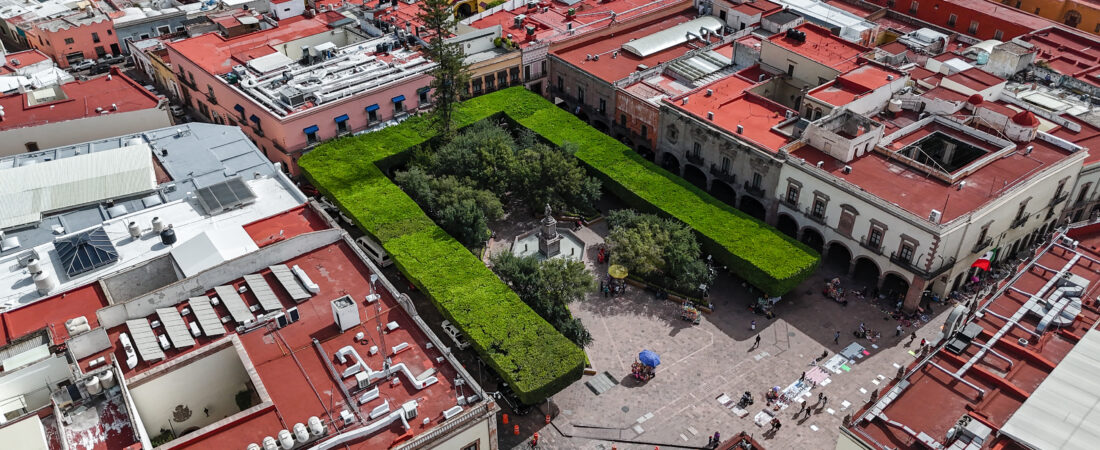
Mexico’s biggest advantage is range. You can test a big-city life in Mexico City, a colonial-city rhythm in Queretaro or Merida, a lakeside expat scene around Lake Chapala, a cultural city like Oaxaca, or a beach-town version of life in places that vary wildly by season and neighborhood. That variety matters because Americans are not all testing the same lifestyle.
Mexico also gives budget-conscious readers more room to make mistakes. LivingCost estimates and the site’s existing Mexico guides point in the same direction: Mexico is not automatically cheap in every popular area, but it has more realistic moderate-budget options than Panama. A solo person may be able to test many Mexico cities in the rough $1,500 to $2,500 monthly range if housing expectations are careful. A couple may find a practical range closer to $2,300 to $3,500 depending on rent, medical comfort, restaurants, transport, and how much they copy a U.S. lifestyle.
The trap is assuming that more choice means less homework. Mexico’s useful range is exactly why it can be confusing. A comfortable month in Queretaro does not prove you would like Merida heat. A good stay in Oaxaca does not prove you would enjoy Mexico City traffic. A pleasant lake-area routine does not prove you want a beach town. Mexico needs city-level decision-making, not country-level daydreaming.
Healthcare access also depends heavily on place. Major cities and established expat areas can be practical for routine private care, dentists, pharmacies, and specialist access, but smaller or more remote places require more caution. If prescriptions, mobility, chronic conditions, or emergency access matter, build the healthcare plan around the exact city and neighborhood, not the word Mexico.
Mexico is strongest for Americans who want options, lower day-to-day costs, rich city life, food, culture, easier return flights, and a broad practical testing field. It is weaker for people who feel overwhelmed by too many choices, need very predictable systems, or want an English-forward transition in every ordinary task.
Panama: easier systems, higher monthly pressure
Panama’s strongest case is ease. Panama City has serious infrastructure, strong flight connections, private healthcare options, familiar services, and an international-business feel. The U.S. dollar is used as legal tender alongside the balboa, which removes one layer of currency adjustment for Americans. For people who are nervous about a first stay abroad, that practical familiarity can matter more than squeezing every dollar.
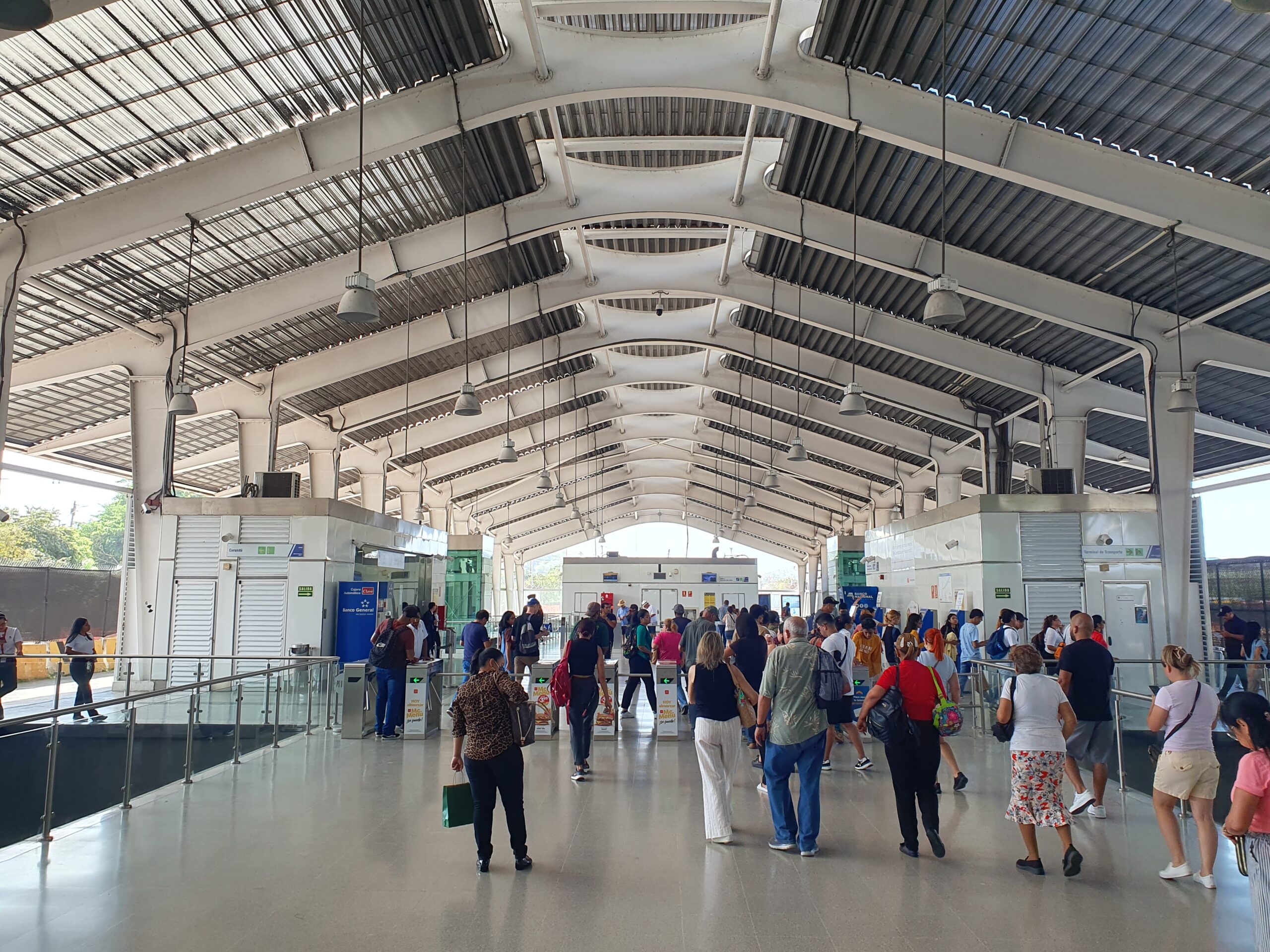
Albrook station by TomasVial, Wikimedia Commons, CC BY-SA 4.0. Source: https://commons.wikimedia.org/wiki/File:Albrook_station.jpg. License: https://creativecommons.org/licenses/by-sa/4.0.
The tradeoff is cost. Panama is not the place to choose if your whole plan depends on proving that life abroad can be dramatically cheaper right away. Panama City can feel expensive fast once rent, restaurants, taxis, imported goods, private medical comfort, and U.S.-style habits are included. A solo person should often think closer to $2,200 to $3,500 for a comfortable Panama City test, with tighter versions possible only if housing and lifestyle are controlled. A couple can easily move above that if they want a polished apartment and a large cushion.
Panama has lower-intensity options, but they change the test. Boquete is cooler, calmer, greener, and more retirement-oriented, with a known foreign-resident scene. David is more functional and less polished. Coronado and other beach-corridor areas can work for some readers but may feel car-dependent or socially narrow. These are not just cheaper versions of Panama City. They are different lifestyles.
Panama is strongest for Americans who want a softer transition, predictable logistics, easier U.S. connections, a retirement-friendly reputation, and a place where the first month is less likely to feel like a systems puzzle. It is weaker for people whose main goal is low-cost living, deep cultural immersion, or a wide range of city personalities.
Budget comparison: Mexico usually wins on flexibility
Mexico usually gives you more ways to build a moderate budget. You can choose a less famous city, a neighborhood outside the most popular expat area, a furnished apartment with simpler finishes, local restaurants, and public or ride-hail transport. You still need a cushion, but the country has more middle lanes.
Panama has fewer low-cost lanes that still feel easy. Panama City has infrastructure, but infrastructure costs money. Boquete has climate and community, but popularity can push housing higher than new readers expect. David can lower costs, but it may not deliver the lifestyle people imagine when they say Panama. Panama can be good value for the right person, but it is rarely the cheapest serious first test.
If your monthly ceiling is around $1,800 to $2,200, start with Mexico unless you already have a specific Panama plan. If your ceiling is around $2,500 to $3,500, both countries are possible, but Mexico gives more city choices and Panama gives more systems comfort. If your ceiling is above $3,500, the decision becomes less about survival and more about the kind of ordinary week you want.
Healthcare and backup planning
Neither country should be treated as a substitute for a healthcare plan. The U.S. State Department country pages are useful starting points for medical, emergency, safety, and entry context, but they do not choose your clinic, insurance, pharmacy, or backup route for you.
Mexico can be very practical for routine private care in the right cities, especially if you choose a place with good hospitals, pharmacies, and transportation. Panama City is often easier to trust at first for private healthcare depth and English-oriented service, but smaller Panama bases need the same neighborhood-level checks as smaller Mexico bases. In both countries, readers with ongoing specialist needs should stay close to stronger medical infrastructure until they know the system.
The boring checklist is the same: travel or international health coverage that fits the stay, extra medication planning, prescription names in generic form, digital copies of documents, a credit-card and cash backup, local emergency numbers, and a plan for where you would go if a routine issue became urgent.
Weather and daily comfort
Mexico has more climate choices. You can choose mild highland cities, hot lowland cities, dry places, humid places, beach towns, colonial interiors, and larger urban areas. That range is a major advantage for Americans who know they do badly in heat or humidity.
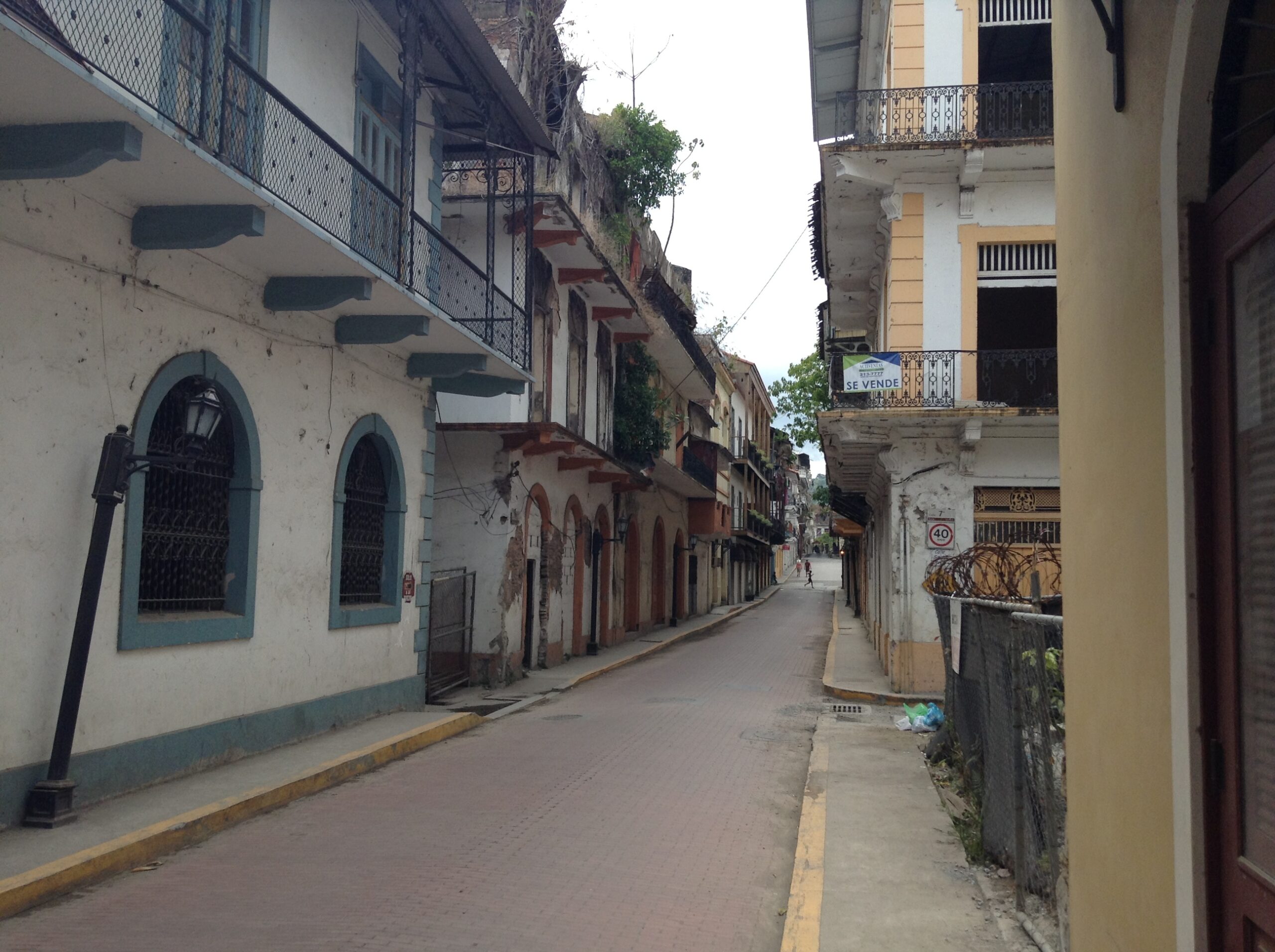
Street in Casco Viejo, Panama City 2013 by MusikAnimal, Wikimedia Commons, CC BY-SA 4.0. Source: https://commons.wikimedia.org/wiki/File:Street_in_Casco_Viejo,_Panama_City_2013.JPG. License: https://creativecommons.org/licenses/by-sa/4.0.
Panama has a narrower climate story unless you choose the highlands. Panama City is hot and humid. Boquete is cooler and greener, which is why it attracts many retirement-minded foreigners. Beach and lower-elevation areas can be appealing, but heat, rain, transportation, and car dependence need to be checked before you assume the lifestyle will feel easy.
If mild weather is central to your day-to-day comfort, Mexico usually gives you more options. If a known retirement-friendly highland scene sounds appealing and you can accept a smaller-town tradeoff, Boquete may be worth testing. Do not choose either country from averages. Choose from the climate you will actually live in.
Visa and stay basics: verify before booking
Americans often talk casually about Mexico and Panama stay lengths, but casual talk is not enough for planning. Entry rules, documentation, extensions, residency paths, and enforcement details can change. Use the U.S. State Department country pages as a first check, then verify with the destination country’s official sources before booking a stay that pushes past a simple short visit.
For Panama, check official migration guidance and current consular information rather than relying on older retirement-residency articles. For Mexico, check official Mexican and U.S. Embassy information before assuming a specific number of days will be granted or that a long trial stay is paperwork-free. The practical rule is simple: do not rent longer than your entry status safely supports.
Who should choose Mexico first
Choose Mexico first if you want the widest practical testing field. It is the better first base for many readers who need cost control, city variety, mild-weather options, food culture, frequent U.S. flight access, and enough existing expat infrastructure to avoid starting from scratch. Mexico also makes more sense if you are still unsure what lifestyle you want and need several city types to compare. For a closer look at the lower-cost city tradeoffs, compare practical Mexico city options before choosing a base.
Do not choose Mexico first if you need a very soft landing in English, if choice overload makes you freeze, or if you are unwilling to research neighborhoods carefully. Mexico rewards specificity. A good Mexico plan names the city, neighborhood, clinic access, transportation pattern, and housing standard before money changes hands.
Who should choose Panama first
Choose Panama first if you can afford a more comfortable test and want the first month to feel less administratively foreign. Panama is a good fit for readers who value U.S.-oriented logistics, easier banking and currency habits, strong flight connections, private healthcare confidence in Panama City, and a retirement-friendly path to research later.
Do not choose Panama first if your main goal is proving that you can live cheaply abroad. Panama may still be worth its cost, but it is not the cleanest low-budget experiment. It works better when the extra money buys lower stress, better systems, and a more familiar transition.
A practical decision rule
If your first test abroad needs to be affordable above all else, start with Mexico. If your first test abroad needs to be emotionally and logistically easier, and you have the budget for that cushion, start with Panama. If you are close to retirement and nervous about healthcare, flights, and banking, Panama deserves a serious look. If you are budget-conscious and want to compare several realistic lifestyles, Mexico should probably be first.
For city-level planning, pair this with Mexico for Americans wanting affordable longer-term living, Mexico’s mild-weather and easier-logistics options, Panama for practical retirement living, and Panama City vs Boquete vs David. For the broader first-country question, read the best first countries for an easier trial run, then use the first-base decision guide and the three-city shortlist process.
If you want the worksheet version of this decision, the Destination Shortlist Kit is built for comparing countries and cities by budget, healthcare, logistics, climate, and day-to-day fit before you book the month.
Final verdict
Mexico is the better first practical base for most budget-conscious Americans because it gives more city choices, more climate variety, and more ways to make a moderate budget work. Panama is the better first practical base for Americans who can pay for convenience and want a lower-friction transition into living abroad. Neither country is a universal winner. Mexico tests your ability to choose well from many options. Panama tests whether easier systems are worth the higher monthly pressure.
Compare places with the City Fit Dashboard: If you want to sort destinations by budget, healthcare comfort, internet, airport access, and everyday-life friction, use the City Fit Dashboard alongside this guide.
If Mexico is winning the country comparison, the next step is a city-level check such as San Miguel de Allende for a Mexico test base.
If Mexico is winning the country comparison because you want an easy first test, compare Playa del Carmen for a first Mexico test stay against inland options before choosing a beach base.
If you are comparing easy-flight Latin America bases beyond Mexico and Panama, use the Santo Domingo as a Caribbean capital alternative guide to pressure-test urban services, safety, traffic, and stay-rule friction before assuming the Dominican Republic means beach-town simplicity.
Americans comparing Mexico with Panama should also read the Merida standalone city guide. Merida can be a practical Mexico base for services and Yucatan access, but it solves different problems than Panama City or Boquete.
Americans comparing Mexico and Panama should also read the standalone Panama City guide. Panama City solves airport, healthcare, banking, and logistics problems differently from beach towns or mountain retirement bases.
References
- U.S. Department of State, Mexico country information: https://travel.state.gov/content/travel/en/international-travel/International-Travel-Country-Information-Pages/Mexico.html
- U.S. Department of State, Panama country information: https://travel.state.gov/content/travel/en/international-travel/International-Travel-Country-Information-Pages/Panama.html
- Panama National Migration Service: https://www.migracion.gob.pa/
- U.S. Embassy and Consulates in Mexico: https://mx.usembassy.gov/
- LivingCost, Mexico: https://livingcost.org/cost/mexico
- LivingCost, Panama: https://livingcost.org/cost/panama
- LivingCost, Queretaro: https://livingcost.org/cost/mexico/queretaro
- LivingCost, Panama City: https://livingcost.org/cost/panama/panama-city