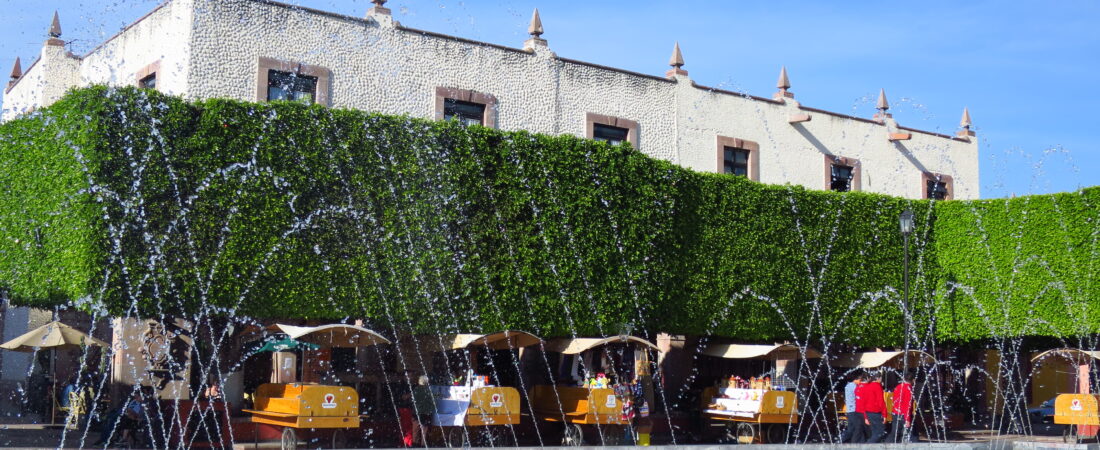
Quick answer: For Americans who want Mexico with milder weather and fewer daily-life headaches, the strongest starting points are usually Querétaro, Lake Chapala/Ajijic, San Miguel de Allende, Puebla, and Oaxaca City. Morelia is worth a careful look for some travelers, but it belongs in the research-candidate category, not the easy first-base category.
The simple version: choose Querétaro if you want the most balanced city logistics, Lake Chapala if you want a retirement soft landing, San Miguel if you want beauty and an easy social scene and can pay for it, Puebla if you want a real Mexican city with Mexico City access, and Oaxaca if culture matters enough that you are willing to accept more friction.
This is not a list of the cheapest or most photogenic places in Mexico. It is about what happens after the vacation mood wears off: groceries, pharmacies, doctors, taxis, furnished rentals, bank branches, repair people, airport runs, and neighborhoods where ordinary life feels manageable.
If you are still early in the process, read this alongside how to choose your first base abroad and the broader Mexico guide for Americans. A city can sound perfect in a video and still be wrong for your knees, prescriptions, budget, or airport routine.
What “mild weather and easier logistics” really means in Mexico
In Mexico, the most comfortable climates for many Americans usually come from elevation, not the beach. Coastal and lowland places can be wonderful for a week, but daily life may mean heat, humidity, seasonal rental swings, long distances, or limited specialist care. That is why this list leans toward central highland cities and the Lake Chapala region rather than beach towns.
Still, “mild” should not be read as perfect. Highland cities can have strong sun, cool mornings, chilly interiors, rainy-season shifts, altitude effects, dust, smoke, or air-quality issues. Some homes are not heated or cooled the way Americans expect. A city can have a lovely climate on paper and still feel uncomfortable in the wrong season, neighborhood, or rental.
Logistics means backup paths. A smaller city may feel easy until you need a specialist, a replacement debit card, a late-night pharmacy, a reliable driver, or a better flight. For a one- to three-month stay, you do not need every emergency solved in advance, but you do need a realistic fallback. That is the same reason it is smart to build a healthcare backup plan before spending months abroad.
1. Querétaro: the strongest all-around practical pick
Querétaro is probably the lowest-friction all-around recommendation for Americans who want Mexico to feel manageable without giving up city infrastructure. It has a highland climate, a relatively organized city feel, good road connections, its own airport, large shopping options, private medical care, and enough international exposure that a newcomer is not starting from zero.
The weather is not perfect, and you still need to think about sun, rainy season, and altitude. But compared with Mérida, Puerto Vallarta, or many beach areas, Querétaro is much easier for people who dislike long stretches of heat and humidity. Its larger advantage is logistics: hospitals and clinics, malls, supermarkets, repair services, highways, and practical neighborhoods where rideshare or taxis can work reasonably well.
The main caution is neighborhood selection. Do not assume the prettiest historic-center rental is the easiest place to live. For a longer stay, check grocery distance, pharmacy access, hills, noise, parking, traffic, internet, and whether you would need rideshares for every errand. Querétaro is also not a hidden bargain anymore in the best zones. Furnished rentals can be priced for professionals, remote workers, and relocation arrivals.
Best for: Americans who want structure, services, medical confidence, and a practical first Mexico base. Not for: people who want beach life, a dreamy village, or the lowest possible rent.
2. Lake Chapala and Ajijic: the easiest retirement soft landing
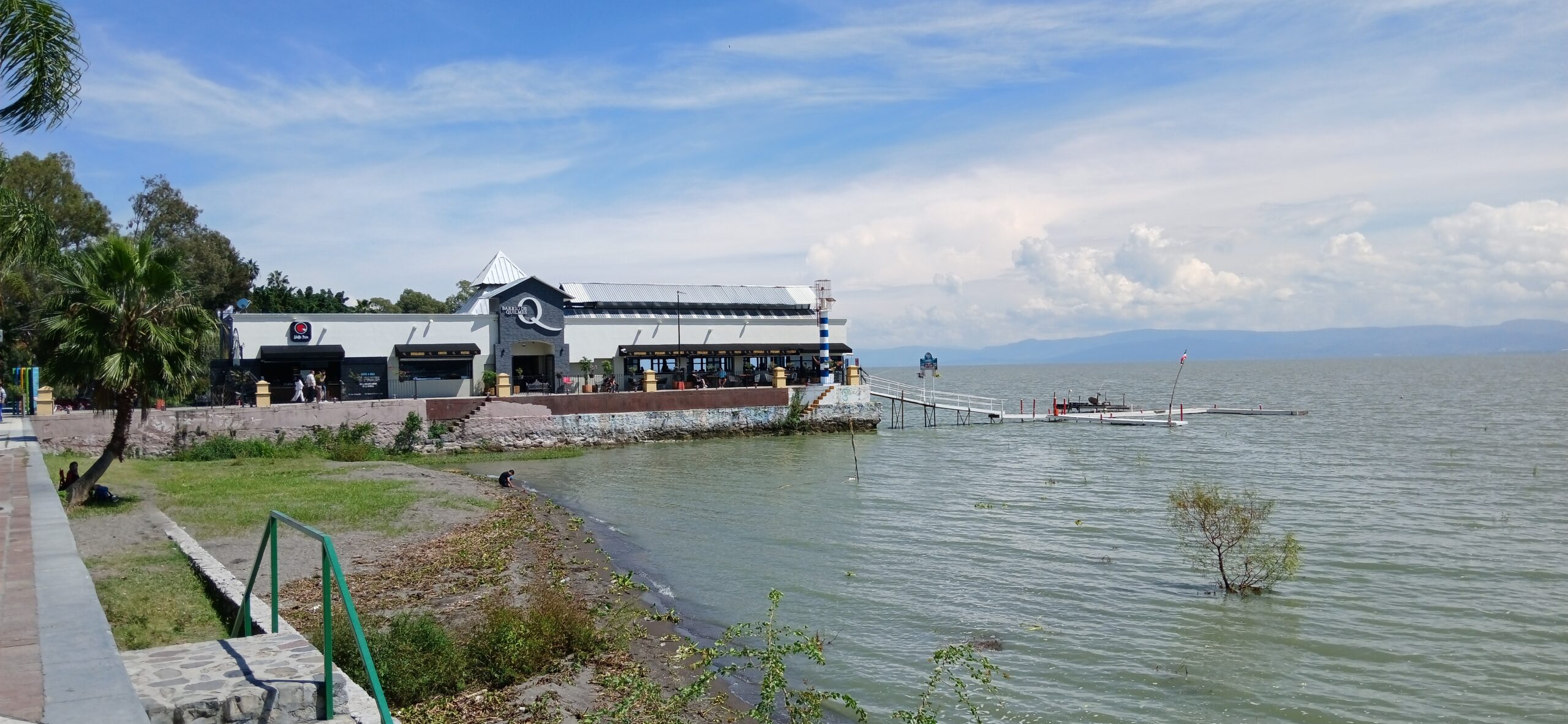
The Lake Chapala area, especially Ajijic, is one of Mexico’s best-known soft landings for Americans and Canadians. The appeal is easy to understand: mild lake-and-highland weather, an established English-speaking community, familiar services, social groups, and Guadalajara close enough for bigger-city needs.
For climate, this region is one of the stronger answers in Mexico. Many people find it easier than hot coastal Mexico or the humid Yucatán. But details still matter: town, elevation, house design, rainy season, dust, smoke, and seasonal air quality can all affect comfort. Logistics are good, but not fully self-contained. Lake Chapala leans on Guadalajara for the major airport, deeper medical options, and bigger errands, which is fine if you are honest about transport.
For daily life, the area can be unusually forgiving for English-speaking retirees. Pharmacies, restaurants, social activities, basic services, and informal advice networks are easier to find than in many less-established Mexican towns. The tradeoff is that it can feel like an expat bubble, and the towns are not interchangeable. Chapala, Ajijic, San Antonio Tlayacapan, and Jocotepec each have a different rhythm.
Housing needs a careful look. Do not assume Lake Chapala is cheap just because it is not a major city. Convenient, scenic, or well-supported rentals can be competitive, and hillside homes may create mobility issues. Use the same checklist you would use for finding a good apartment for a one- to three-month stay abroad: stairs, water pressure, internet, noise, transport, pharmacy access, and backup water or power details.
Best for: retirement-minded Americans who want community, mild weather, and a softer landing. Not for: people who want full immersion, big-city energy, or a life with no car or driver dependence.
3. San Miguel de Allende: beautiful, mild, social — but not cheap
San Miguel de Allende is famous for a reason. It is beautiful, culturally active, socially accessible, and relatively easy for English-speaking Americans to understand. For weather, charm, restaurants, classes, and community, it belongs on this list. For budget and mobility, it needs a large asterisk.
The highland climate is a real draw, but San Miguel is not a friction-free postcard. The sun can be strong, interiors can be chilly, cobblestones are real, hills matter, and elevation affects some people. Airport and medical logistics also require planning. Many travelers use Querétaro, León/Bajío, or Mexico City, and more specialized care may mean leaving town. That is not a reason to reject San Miguel. It is a reason not to pretend every backup is built in.
The center can be walkable in the tourist sense, but tourist walkability is not the same as daily-life walkability. Uneven sidewalks, stairs, hills, cobblestones, traffic, and distance from larger supermarkets can become more important with age, heat, mobility limits, or heavy grocery bags. Before you rent there, read how to tell if a destination is actually walkable enough for daily life.
San Miguel is also one of the easiest places in Mexico to overpay for a furnished, central, attractive rental. Views, colonial character, English-speaking support, and convenience all carry premiums. It may be worth paying them if San Miguel is truly your fit. Just do not treat it as a low-cost Mexico hack.
Best for: people who value beauty, community, classes, restaurants, and an easier social transition. Not for: tight budgets, mobility concerns, or people who will resent paying a premium for an expat-famous place.
4. Puebla: a practical city with Mexico City access
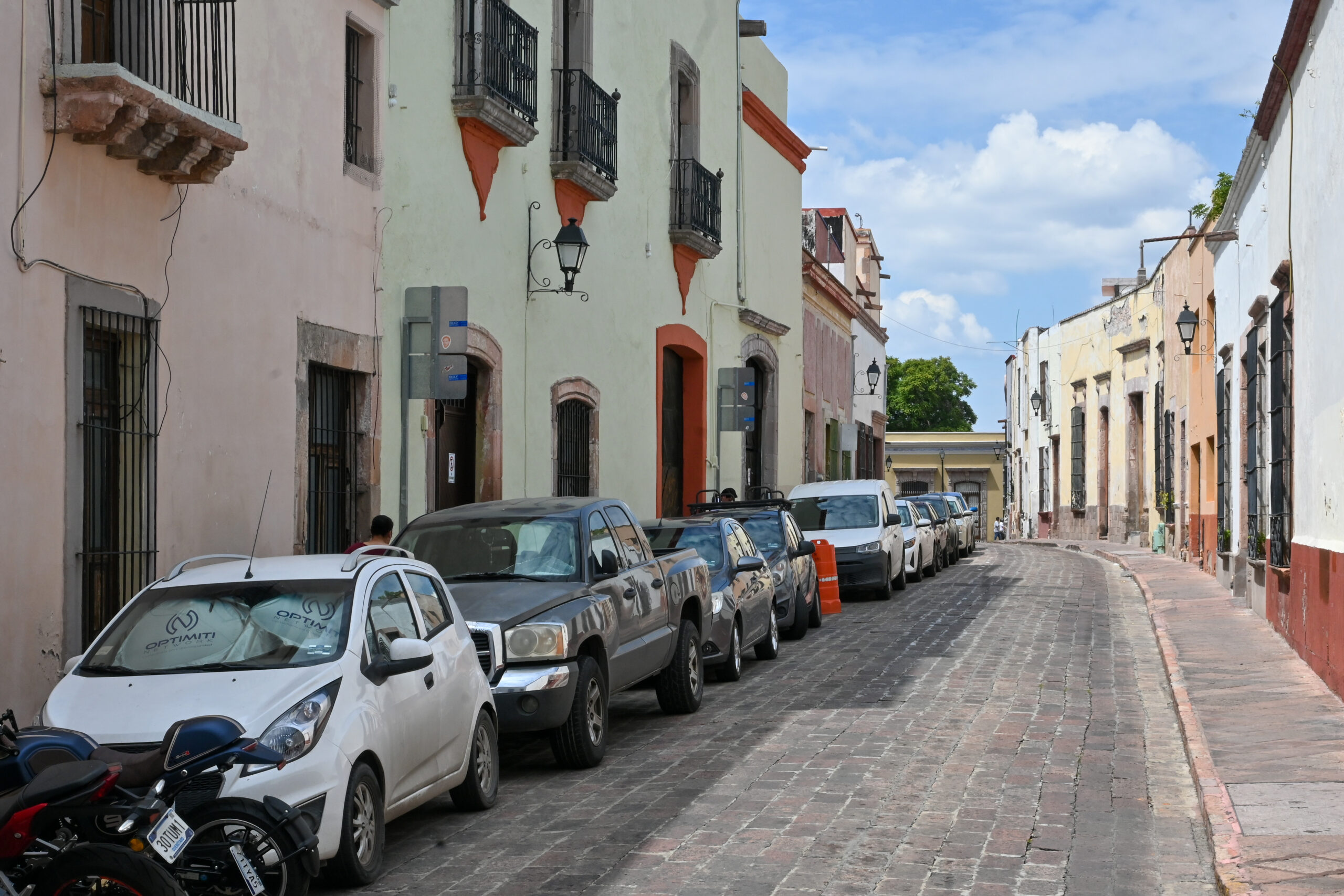
Puebla is not always the first place Americans mention, which is part of its appeal. It offers a large-city base, a milder highland climate, historic character, universities, hospitals, shopping, and useful access to Mexico City without actually living inside Mexico City.
For climate, Puebla can work well for people who want cooler and less humid Mexico. The cautions are altitude, cool nights, rainy-season patterns, and air quality depending on area and season. Its logistics are deeper than many smaller expat favorites: airport access, Mexico City access, hospitals, clinics, banking, shopping, and ordinary urban services. The tradeoff is that it is less cushioned for English speakers than Ajijic or San Miguel.
Daily life in Puebla rewards careful neighborhood selection. Some areas feel modern and practical; others can be congested, noisy, car-dependent, or less comfortable than a first-time visitor expects. If your Spanish is limited, you may need more patience setting up routines, finding doctors, dealing with repairs, and understanding local bureaucracy.
Housing may offer better value than the most famous expat destinations, especially if you are comfortable in a more local environment. But furnished short-term rentals in convenient areas can still be priced for professionals, students, or visitors. Test neighborhoods before signing anything long term.
Best for: Americans who want a real city, cooler weather, and Mexico City access without CDMX scale. Not for: people who need an established English-speaking retirement network from day one.
5. Oaxaca City: wonderful place, less effortless logistics
Oaxaca City belongs here because many Americans love its climate, food, markets, architecture, and sense of place. It may be the most emotionally appealing option on the list. But if the filter is “easier everyday logistics,” Oaxaca should be handled honestly.
The highland setting can be much more comfortable than coastal Mexico, though heat, sun, altitude, and rainy-season shifts still matter. Oaxaca has an airport and basic-to-good services for many needs, but it does not have the same logistics depth as Guadalajara, Mexico City, Puebla, or Querétaro. Flights, specialist care, repairs, and some errands may involve more friction. That may be fine if Oaxaca is the reason you want Mexico. It may frustrate you if your main goal is a smooth first base.
Daily life is a better fit for people who enjoy local markets, walking, Spanish practice, and a less standardized routine. If you want big-box predictability, easy parking, fast repairs, and appointment systems that feel familiar, Oaxaca may test your patience.
Housing is another reality check. Oaxaca’s popularity has put pressure on the most desirable areas. Short-stay furnished rentals can be expensive relative to local incomes, and competition is real. The best value may require compromises on location, noise, stairs, or convenience.
Best for: people who value culture and atmosphere enough to accept friction. Not for: readers who want the smoothest first Mexico base or the strongest medical and logistics backup.
6. Morelia: promising, but research carefully
Morelia has a lot that looks appealing on paper: highland climate, a beautiful historic center, university-city energy, and possible value compared with more famous expat destinations. It may suit experienced travelers who speak some Spanish and are comfortable doing careful local research.
For this audience, though, Morelia should be treated as a cautious research candidate rather than an easy default. Michoacán has more complicated safety and travel-advisory context, and conditions can vary by route and area. If this would be your first longer stay in Mexico and you are already anxious about safety or logistics, Querétaro, Lake Chapala, San Miguel, Puebla, or even a carefully chosen Mexico City neighborhood will usually be simpler to evaluate.
The practical questions are less about whether Morelia is interesting and more about whether your personal backup system is strong enough. Morelia has an airport and basic urban services, but flight options, specialist medical depth, and out-of-town backup routes need more checking than in the more established choices above. Daily errands can work well if you choose the right neighborhood and speak some Spanish, but you should test grocery access, pharmacy routines, rideshare availability, internet, noise, and evening transport before committing. Housing may look like better value than San Miguel or the most popular Lake Chapala areas, yet furnished rentals that are comfortable, well-located, and easy for a newcomer still require local verification.
Best for: experienced Mexico travelers who speak some Spanish, want a beautiful highland city, and are willing to do careful neighborhood, route, medical, and housing research. Not for: anxious first-timers, people who need the easiest English-speaking support network, or anyone who wants the simplest airport and medical backup path.
Popular places that may not fit this exact filter
Mérida is practical, orderly, and popular with many Americans, but it is hot and humid enough that it does not belong near the top of a mild-weather list. It may still fit if you care more about Yucatán lifestyle, healthcare access, and general order than climate comfort. For more context, read Mérida vs. Querétaro vs. Oaxaca vs. Lake Chapala.
Mexico City has the deepest logistics in the country: airports, hospitals, neighborhoods, restaurants, culture, banking, transport, and specialist services. It is also huge, congested, expensive in favored zones, and not emotionally easy for everyone. If you want big-city depth, it may be excellent. If you want calmer everyday life, choose carefully.
Beach towns can be great for a trial stay or a seasonal escape, but many fail this specific test. Heat, humidity, tourism pricing, limited specialist care, and seasonal rental swings can make ordinary life harder than the brochure suggests.
How to choose among them
If you want the most balanced first choice, start with Querétaro. If you want retirement community and English-speaking support, start with Lake Chapala. If beauty and social life matter more than cost, test San Miguel. If you want a larger local city with cooler weather and Mexico City access, research Puebla. If culture is the reason you are going to Mexico in the first place, Oaxaca may be worth the friction.
Before choosing, build a one-page practical test for each city: nearest grocery, nearest pharmacy, likely doctor or clinic, airport route, furnished-rental range, backup hospital city, internet options, transportation plan, and what you would do if your phone, debit card, or medication plan failed. The guides on phone service and money access backups are not side topics. They are what turn a nice destination into a workable base.
The best Mexico base is not the place with the most glowing videos. It is the place where your ordinary Tuesday works: the weather is tolerable, the rent is realistic, the doctor is reachable, the grocery routine is boring, the airport is not a project, and the neighborhood still makes sense after the novelty wears off.
For a broader decision lens that connects climate and logistics with healthcare, walkability, airports, safety routines, and furnished-rental friction, use this guide to lower-cost Mexico city trade-offs beyond rent.
References and source notes
- U.S. Department of State, Mexico Travel Advisory and country information: https://travel.state.gov/en/international-travel/travel-advisories/mexico.html
- U.S. Embassy & Consulates in Mexico, citizen services and medical-assistance resources: https://mx.usembassy.gov/
- Aeropuerto Internacional de la Ciudad de México passenger and flight information: https://www.aicm.com.mx/en/
- Grupo Aeroportuario del Pacífico airport network, including Guadalajara: https://www.aeropuertosgap.com.mx/
- OMA airport network, including Querétaro: https://www.oma.aero/
- ASUR airport network, including Oaxaca: https://www.asur.com.mx/
- Existing Settling Abroad Mexico, apartment, walkability, healthcare, phone, and money-backup guides for internal decision framework support.
Compare places with the City Fit Dashboard: If you want to sort destinations by budget, healthcare comfort, internet, airport access, and everyday-life friction, use the City Fit Dashboard alongside this guide.
If San Miguel is your top Mexico candidate, use the standalone San Miguel de Allende guide to check housing, mobility, healthcare, and retirement-pace tradeoffs before booking.
If you are comparing Mexico weather tradeoffs and still want the coast, read the Playa del Carmen as a coastal Mexico test base guide before assuming beach convenience offsets heat, rent pressure, and tourism pricing.
Readers who like Merida for Yucatan services but worry about heat should pair this broader Mexico logistics guide with the standalone Merida guide, which goes deeper on housing, healthcare, transportation, and day-to-day fit.